In today’s fast-paced digital world, customer expectations are higher than ever. People expect brands to respond instantly, engage with trending conversations, and provide personalized experiences across multiple channels. This is where Real-Time Marketing in Digital Marketing becomes essential.
Real-time marketing allows businesses to create and deliver relevant content based on current events, customer interactions, and live market trends. Instead of relying solely on pre-planned campaigns, brands can respond immediately to opportunities, increasing engagement, improving customer satisfaction, and building stronger relationships.
In this article, we’ll explore the importance of Real-Time Marketing in Digital Marketing, its benefits, strategies, real-world examples, and how businesses can successfully implement it.
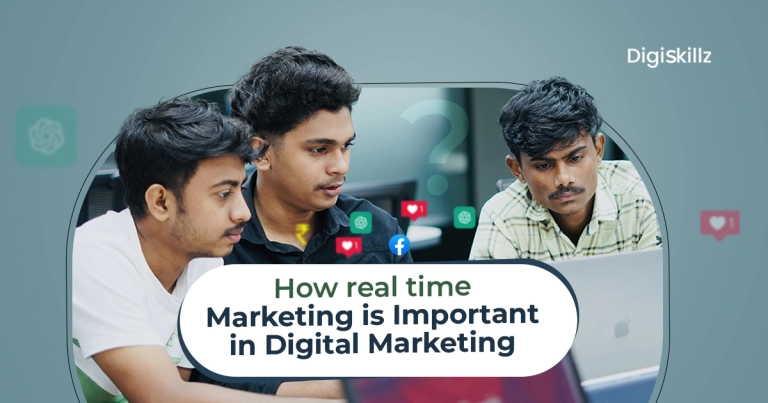
Real-Time Marketing in Digital Marketing is the practice of creating and sharing marketing content based on live events, customer behavior, trending topics, or immediate feedback. It enables businesses to communicate with their audience at the right moment using real-time insights.
Unlike traditional marketing campaigns that are scheduled weeks or months in advance, real-time marketing focuses on delivering timely and relevant content that captures audience attention instantly.
Businesses use real-time marketing across multiple channels, including:
By responding quickly to customer needs and market changes, brands can stay relevant and competitive.
Consumers expect brands to be active, responsive, and relevant. Businesses that react quickly to trends and customer interactions are more likely to build trust and increase engagement.
Some key reasons why Real-Time Marketing in Digital Marketing is important include:
Real-time marketing also enables businesses to identify opportunities and respond before competitors do.
Responding quickly to comments, messages, and customer feedback makes audiences feel heard and valued. This improves engagement and strengthens brand loyalty.
Participating in trending conversations and viral topics helps businesses reach wider audiences and increase brand visibility.
Fast responses to customer inquiries create a positive experience that builds trust and encourages repeat business.
Real-time analytics allow marketers to monitor campaign performance and make immediate improvements based on customer behavior.
Brands that quickly adapt to changing trends can outperform competitors by delivering relevant content at the perfect moment.
To succeed with Real-Time Marketing in Digital Marketing, businesses should implement the following strategies:
Use social listening tools to track trending topics, hashtags, and customer conversations across digital platforms.
Respond promptly to customer comments, reviews, and direct messages to build stronger relationships.
Use customer data to send personalized emails, product recommendations, and promotional offers based on user behavior.
Automation tools help businesses deliver timely messages while reducing manual effort. Automated workflows ensure customers receive relevant communication at every stage of their journey.
Monitor important metrics such as:
Regular analysis helps optimize future campaigns.
Several global brands have successfully used Real-Time Marketing in Digital Marketing to increase engagement.
During the Super Bowl power outage, Oreo quickly posted the famous “You can still dunk in the dark” message on social media. The campaign became one of the most successful examples of real-time marketing.
When Apple announced that iPhones would no longer include chargers, Samsung immediately launched social media content highlighting that its Galaxy phones still came with chargers. The campaign generated significant attention and brand awareness.
Wendy’s is known for responding to customers with humorous, engaging posts on social media. Their real-time interactions have helped build a strong online community and increase brand recognition.
The right tools make real-time marketing easier and more effective.
Popular tools include:
These platforms help businesses monitor conversations, schedule content, analyze performance, and engage with audiences efficiently.
To maximize results, follow these best practices:
Consistency and speed are key to building a successful real-time marketing strategy.
Real-Time Marketing in Digital Marketing has become an essential strategy for businesses that want to stay competitive in today’s rapidly changing digital landscape. By responding to customer interactions, trending topics, and market events as they happen, brands can improve engagement, build trust, and create memorable customer experiences.
Whether you’re a small business, startup, or established brand, investing in Real-Time Marketing in Digital Marketing can help you increase brand awareness, strengthen customer relationships, improve marketing performance, and drive long-term business growth. Businesses that embrace real-time communication and data-driven decision-making will be better positioned for success in 2026 and beyond.