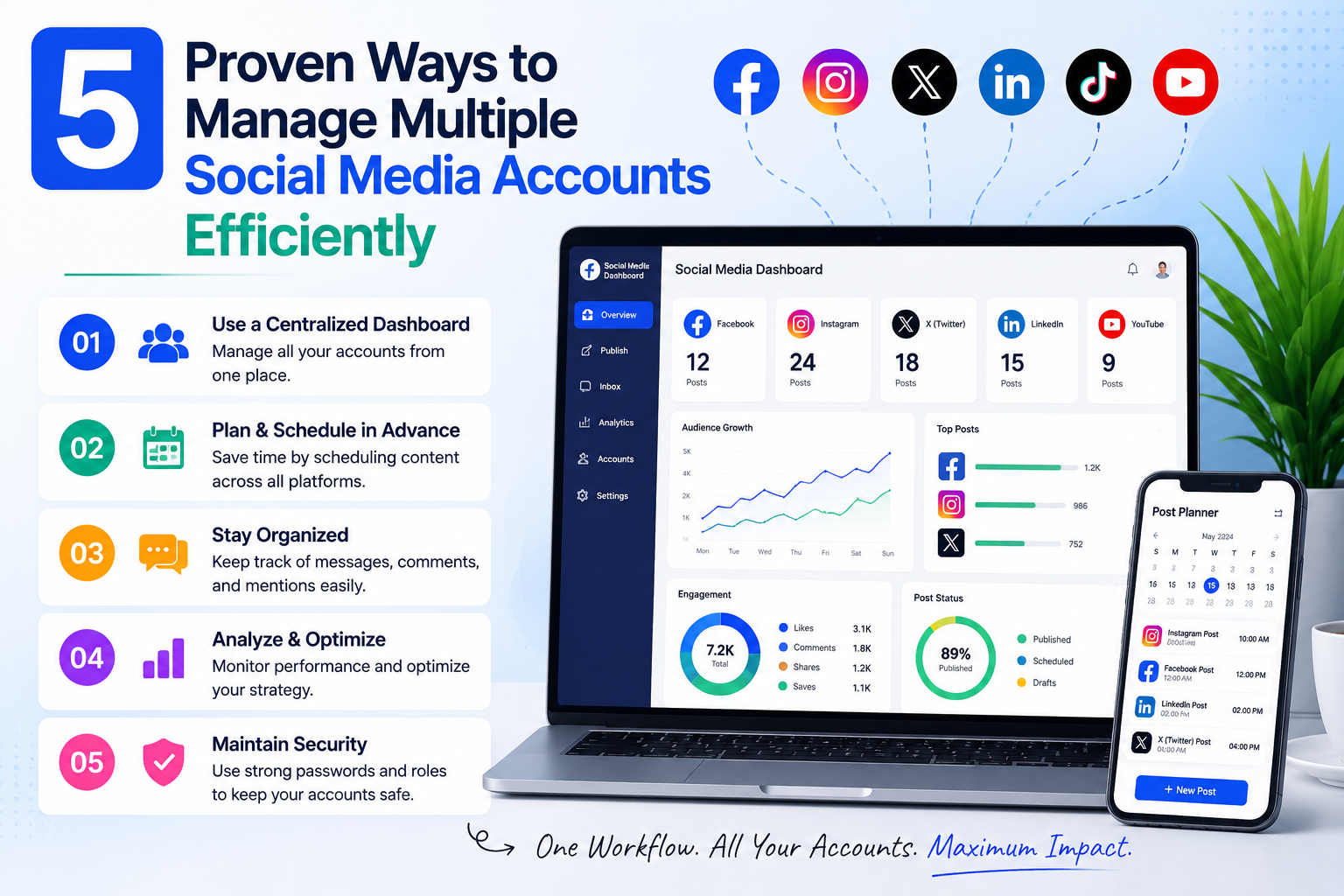
Managing multiple social media accounts has become a daily challenge for businesses, marketers, agencies, and content creators. With platforms like Facebook, Instagram, LinkedIn, X (formerly Twitter), Pinterest, TikTok, and YouTube, maintaining a consistent presence across every channel requires careful planning and organization.
Without a proper strategy, switching between platforms, creating content, scheduling posts, and responding to audiences can quickly become overwhelming. Managing multiple accounts manually may also lead to missed posting schedules, inconsistent brand messaging, and difficulty tracking social media performance.
Fortunately, managing multiple social media accounts does not have to be complicated. By using the right tools, developing a structured content strategy, and organizing daily tasks effectively, businesses can simplify their social media workflows and maintain a stronger online presence.
A well-organized social media management process helps marketers save time, improve audience engagement, and maintain consistency across different platforms. It also makes it easier to monitor performance, identify successful content strategies, and understand what audiences expect from each channel.
Whether you are managing social media accounts for a small business, handling multiple clients as an agency, or building your personal brand across different platforms, adopting efficient management practices can significantly improve your productivity.
Each social media platform serves a different audience and requires unique content. Posting randomly or managing each account separately often leads to inconsistent branding, lower engagement, and missed marketing opportunities.
Effective social media management helps businesses maintain a consistent brand identity while adapting their messaging to different platforms. For example, Instagram focuses more on visual content, LinkedIn supports professional communication, and Facebook helps businesses connect with broader communities. Understanding these differences allows marketers to create platform-specific content that resonates with their target audience.
Learning how to manage multiple social media accounts offers several benefits:
Let’s explore the best strategies to simplify your social media management.
A content calendar is one of the most effective tools to manage multiple social media accounts. Planning your content in advance keeps your posting schedule organized and ensures every platform stays active.
It also helps you coordinate campaigns, prepare seasonal content, and maintain consistency across different channels. By assigning specific dates, content formats, and topics to each post, you can avoid last-minute planning and reduce repetitive work. A well-structured content calendar makes it easier to identify content gaps, balance promotional and informative posts, and align social media activities with your marketing goals. This approach allows businesses to maintain a consistent online presence while saving valuable time.
Your content calendar should include:
Planning weekly or monthly content reduces last-minute stress while improving consistency.
Creating content every day can become exhausting. Instead, dedicate one or two days each week to producing multiple posts at once.
Content batching allows you to create captions, graphics, videos, and stories in one session before scheduling them for future publishing. This approach reduces the time spent switching between creative tasks and helps maintain a consistent content production workflow.
You can begin by selecting weekly topics, preparing post ideas, designing visuals, and writing captions for different platforms. Once the content is ready, organize it into categories and schedule it according to your content calendar. Batch creation also provides more opportunities to review content quality, maintain brand consistency, and make necessary edits before publishing. By preparing content in advance, marketers can reduce daily workloads, avoid last-minute stress, and focus more on audience engagement and marketing performance.
You can also repurpose existing content into different formats:
Batching helps you manage multiple social media accounts while improving productivity and reducing creative burnout.
Automation is one of the smartest ways to manage multiple social media accounts without spending hours online every day.
Modern social media management tools allow you to:
Schedule posts in advance
Publish content automatically
Monitor brand mentions
Track audience engagement
Respond to comments faster
Analyze campaign performance
Popular social media management tools include Buffer, Hootsuite, Later, Sprout Social, and Metricool.
While automation improves efficiency, remember that genuine interaction is still essential. Responding personally to comments and messages helps build trust and strengthen relationships with your audience.
Additionally, automation helps reduce repetitive tasks and maintain a consistent publishing schedule across different platforms. By automating routine activities, marketers can dedicate more time to developing creative content, understanding audience preferences, and improving their overall social media strategy. However, regularly reviewing automated posts and interactions ensures that your content remains relevant, accurate, and aligned with your brand voice.
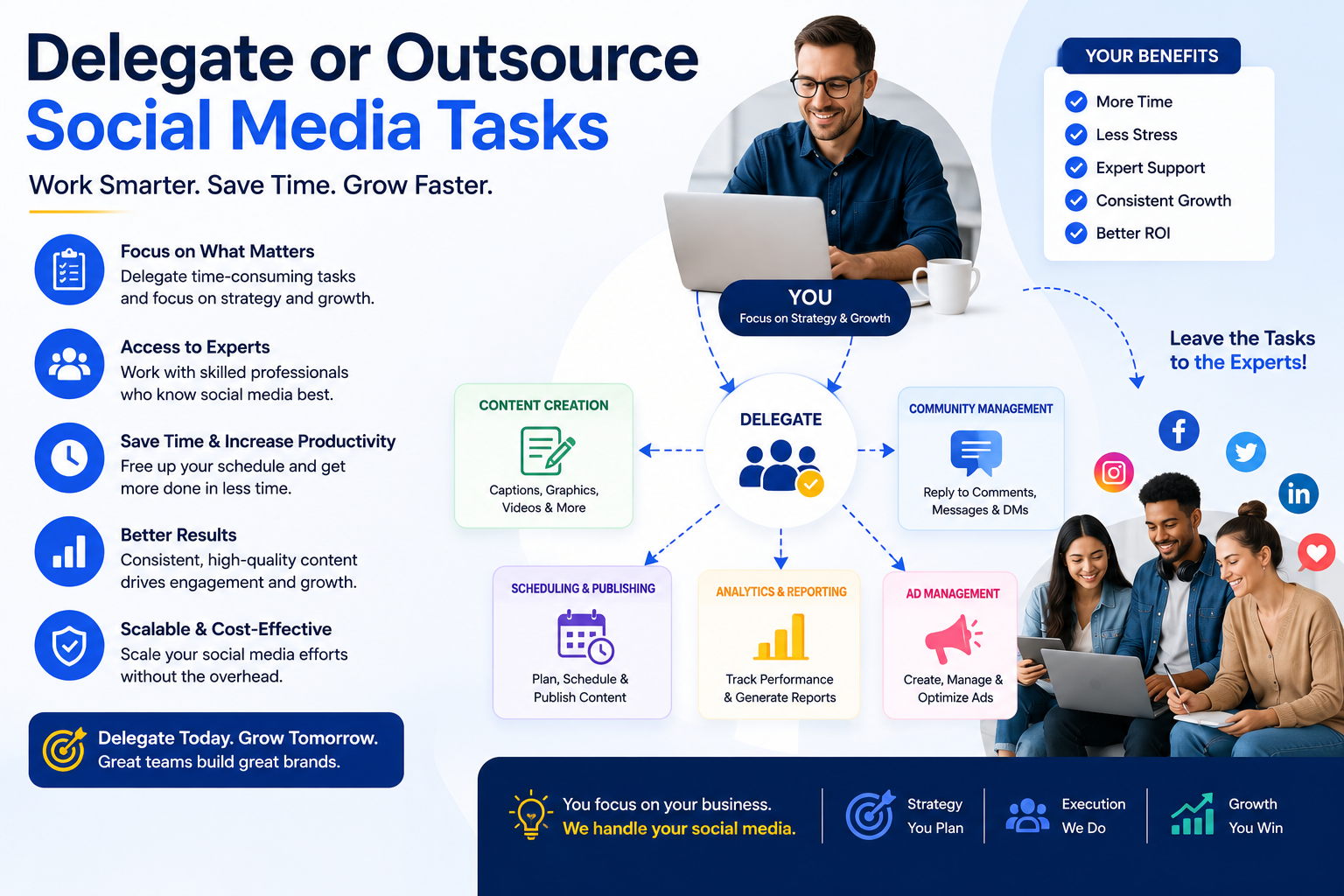
As your business grows, managing every social media account yourself becomes increasingly difficult. Delegating responsibilities to team members or outsourcing to professionals can significantly reduce your workload.
Freelancers and digital marketing agencies can assist with:
Platforms like Upwork, Fiverr, and Freelancer make it easy to hire experienced social media professionals.
Before hiring, review portfolios, check client feedback, and clearly define responsibilities to ensure successful collaboration.
Delegation allows you to manage multiple social media accounts more efficiently while focusing on growing your business.
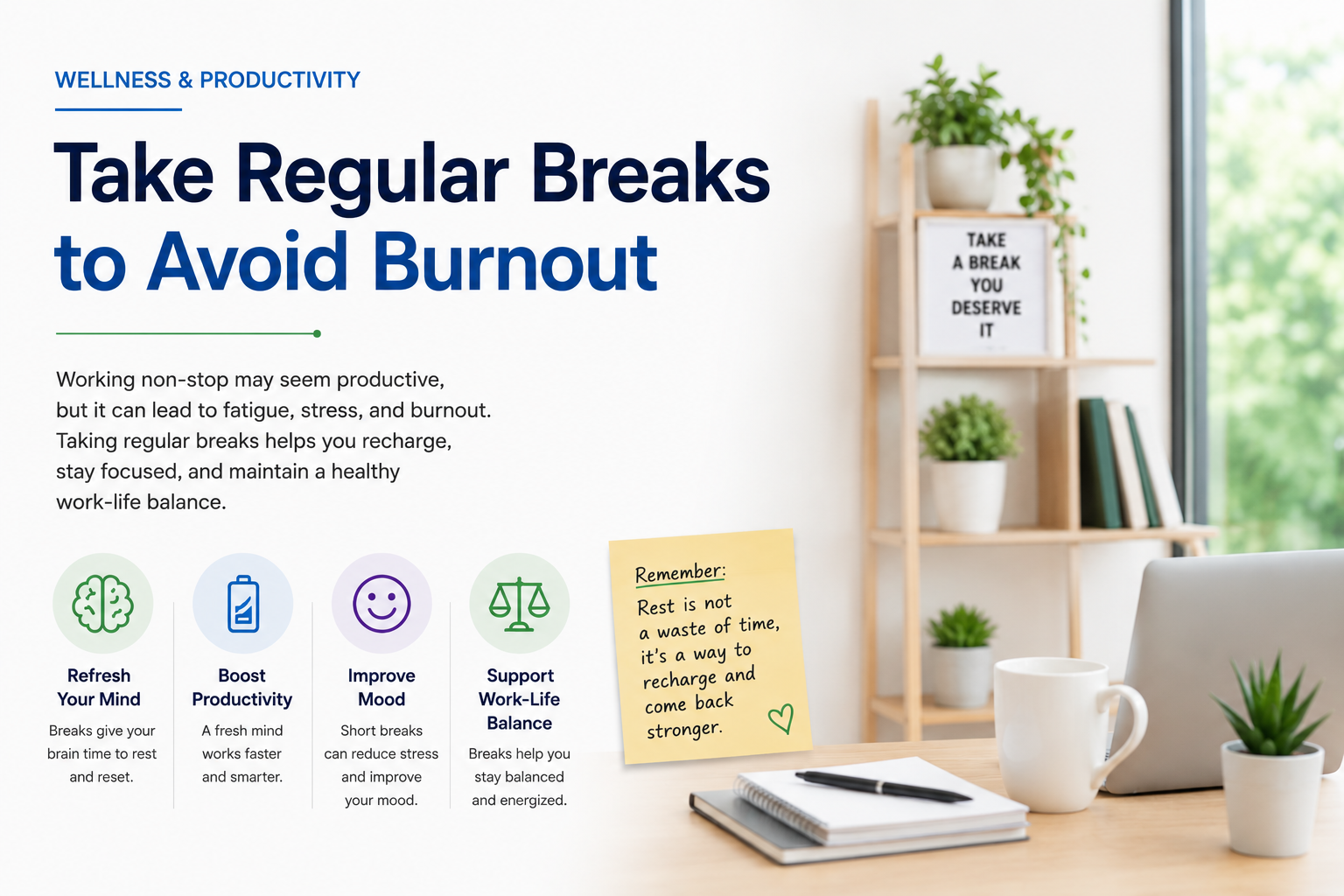
Managing social media doesn’t mean staying online 24/7. Taking regular breaks helps you stay creative, productive, and motivated.
Stepping away from your screens allows you to:
Refresh your creativity
Reduce stress
Prevent burnout
Analyze campaign performance objectively
Return with fresh marketing ideas
A healthy work-life balance helps you maintain long-term success while effectively managing your social media presence.
Setting clear working hours and avoiding unnecessary notifications outside your schedule can also improve mental well-being. Delegating tasks when possible and planning workloads realistically helps reduce pressure. By maintaining healthy boundaries between work and personal time, social media managers can stay focused, generate better content ideas, and maintain consistent performance without feeling overwhelmed.
Businesses can manage their social media presence by using centralized dashboards, organizing content schedules, and assigning responsibilities to team members. This approach helps simplify daily activities and maintain consistent communication across channels.
Creating a content calendar is an effective way to organize posts across multiple platforms. It allows marketers to plan publishing dates, prepare captions, coordinate campaigns, and ensure that content reaches the right audience at the right time.
Yes, automation can improve productivity by reducing repetitive tasks such as scheduling posts and collecting performance reports. It allows marketers to focus more on content creation, audience interaction, and developing effective marketing strategies.
Businesses should review their social media analytics at least weekly or monthly, depending on their marketing goals. Regular performance monitoring helps identify successful content, understand audience behavior, and improve future posting strategies.
Businesses should consider supported social media networks, scheduling features, analytics capabilities, collaboration options, ease of use, and pricing. Selecting a platform that matches their workflow and marketing requirements can make account management more efficient and organized.
Learning how to manage multiple social media accounts doesn’t have to be complicated. With proper planning, content batching, automation, delegation, and regular breaks, you can stay organized while growing your audience across multiple platforms.
Start by creating a content calendar, automate repetitive tasks, and use scheduling tools to save time. As your business expands, don’t hesitate to outsource tasks that consume too much of your schedule.
By following these five proven strategies, you’ll improve consistency, increase engagement, and make your social media marketing more effective than ever.