
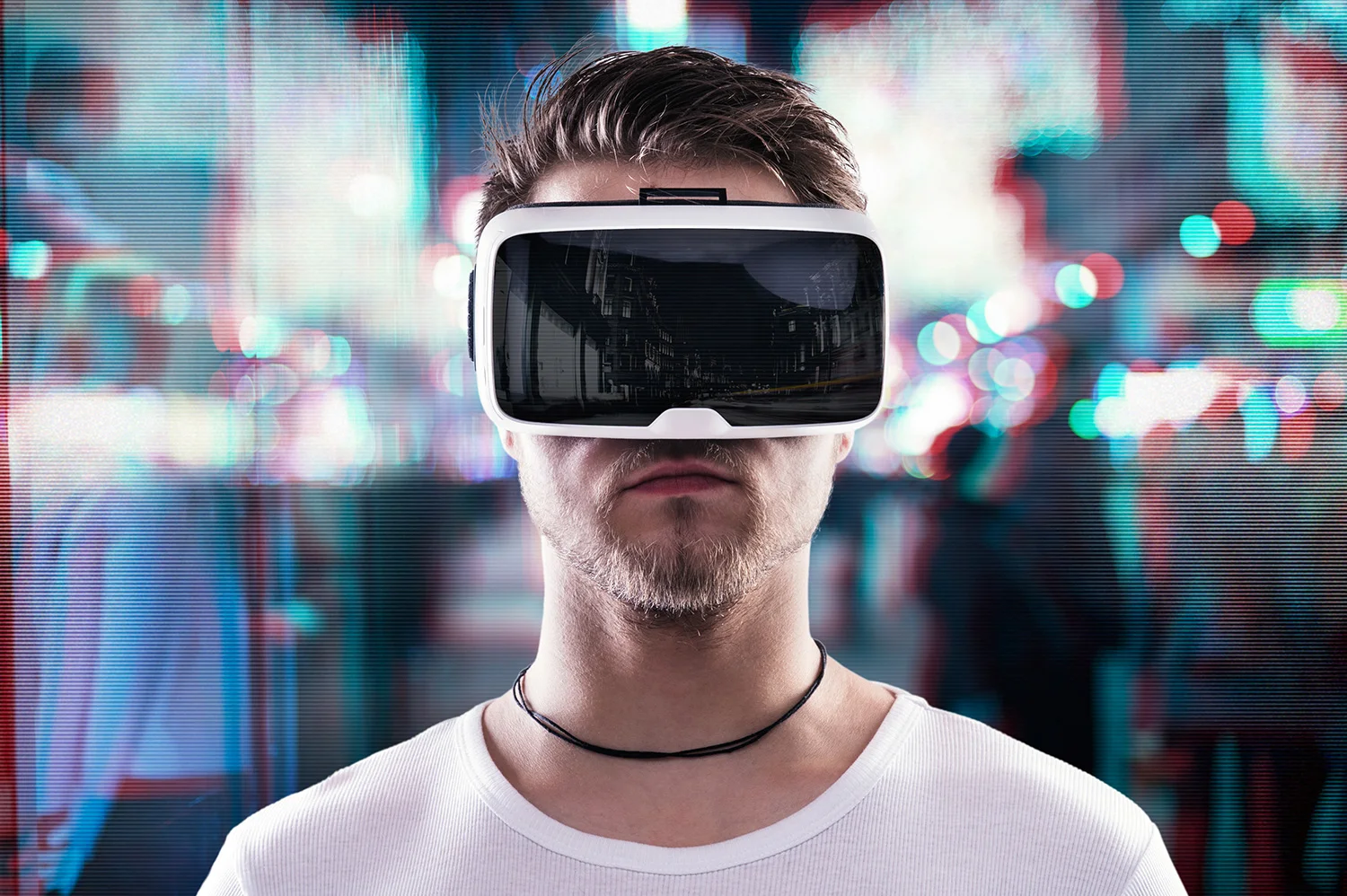
Virtual Reality (VR) has transformed from a futuristic innovation into a powerful marketing tool. With the help of a Virtual Reality headset, brands can create immersive experiences that captivate customers, increase engagement, and strengthen emotional connections.
Instead of simply showing advertisements, businesses now allow customers to experience their products and services in a virtual world. Whether it’s exploring a dream home, test-driving a new car, or participating in an exciting adventure, VR marketing delivers unforgettable experiences.
In this article, we’ll explore seven outstanding VR marketing campaigns that demonstrate how businesses are using Virtual Reality headsets to revolutionize customer engagement.
Adidas introduced an immersive running simulation using a Virtual Reality headset to showcase the performance of its running shoes.
Participants could choose different environments such as forests, city streets, and desert trails while experiencing realistic running conditions. During the run, users received live performance data including pace, distance, and running efficiency.
The campaign also highlighted the unique features of Adidas running shoes, including cushioning, grip, flexibility, and stability.
IKEA transformed home shopping by allowing customers to design their dream interiors using a Virtual Reality headset.
Users could walk through virtual living rooms, bedrooms, and kitchens while arranging IKEA furniture in real time. They could experiment with layouts, colors, decorations, and furniture placement before making buying decisions.
This interactive experience reduced uncertainty and helped customers visualize products inside their own homes.
To celebrate the holiday season, Coca-Cola created a magical Christmas adventure using a Virtual Reality headset.
Users entered a festive winter wonderland filled with snow-covered landscapes, holiday lights, interactive games, and Santa’s workshop. They could build snowmen, decorate Christmas trees, and receive personalized virtual gifts from Santa Claus.
The experience successfully connected consumers emotionally with the Coca-Cola brand.
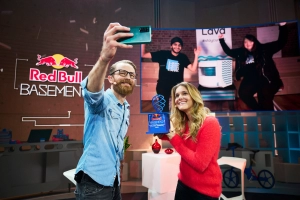
Red Bull has always been associated with adventure and adrenaline.
Using a Virtual Reality headset, the company allowed users to experience snowboarding, BMX riding, skateboarding, and other extreme sports from a first-person perspective.
Participants performed tricks, explored exciting environments, and challenged themselves in virtual competitions without any physical risk.
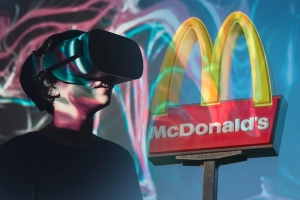
McDonald’s used a Virtual Reality headset to offer customers an exclusive look inside its restaurant kitchens.
Visitors explored food preparation processes, ingredient sourcing, hygiene practices, and quality control procedures.
The campaign also introduced career opportunities and employee training programs, improving transparency and consumer trust.
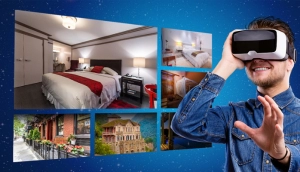
Airbnb created an immersive travel platform where users explored destinations using a Virtual Reality headset before booking accommodations.
Customers visited beaches, mountains, historical cities, and luxury stays while interacting with local attractions and learning about regional culture.
This virtual journey inspired travelers and simplified travel planning.
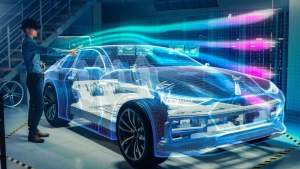
Ford introduced a realistic virtual test-drive experience powered by a Virtual Reality headset.
Customers explored vehicle interiors, experimented with advanced technology, customized features, and drove through different environments including city roads, highways, and race tracks.
The experience helped potential buyers understand vehicle features without visiting a dealership.
Modern consumers expect more than traditional advertising. They want interactive experiences that allow them to explore products before making purchasing decisions.
A Virtual Reality headset enables businesses to create immersive environments where customers can engage directly with products, services, and brand stories.
Some major benefits of VR marketing include:
Virtual Reality is transforming multiple industries, including:
As VR technology becomes more affordable, businesses of every size can leverage Virtual Reality headsets to create innovative customer experiences.
The future of marketing is becoming increasingly immersive. With advancements in AI, augmented reality, and Virtual Reality headsets, brands will continue creating personalized experiences that bridge the gap between digital and physical interactions.
From virtual product launches to interactive shopping experiences and digital showrooms, VR is set to become a core component of modern marketing strategies.
Businesses that embrace Virtual Reality today will be better positioned to stand out, increase customer loyalty, and drive long-term growth.
A Virtual Reality headset is no longer just a gaming device—it has become a powerful marketing tool that helps brands create unforgettable customer experiences.
Companies like Adidas, IKEA, Coca-Cola, Red Bull, McDonald’s, Airbnb, and Ford have demonstrated how immersive VR campaigns can increase engagement, strengthen brand loyalty, and influence purchasing decisions.
As technology continues to evolve, Virtual Reality marketing will play an even greater role in shaping the future of digital marketing. Businesses that invest in immersive experiences today are likely to gain a significant competitive advantage in the years ahead.
For more queries related digital marketing course: