Affiliate Marketing with No Money is a performance-based marketing strategy where a person (an affiliate marketer) earns a commission by promoting a company’s products or services to their audience. The affiliate marketer earns a commission every time someone clicks on their affiliate link and makes a purchase. Since there is little to no upfront investment, affiliate marketing is one of the best ways for beginners to start earning online.
There are many benefits of Affiliate Marketing with No Money for beginners, including:
- Low start-up costs: Affiliate marketing requires little to no investment, making it an accessible way for beginners to start an online business without financial risk.
- Flexibility: One of the biggest advantages of Affiliate Marketing with No Money is the freedom to work from anywhere with an internet connection. You can set your own schedule and build a better work-life balance.
- No need for product creation: One of the perks of being an affiliate marketer is that you can earn money without creating your own products or services. This saves both time and money that would otherwise be spent on product development.
I. Choose Your Niche
Choosing the right niche is crucial for the success of your Affiliate Marketing with No Money journey. A niche is a specific area of interest that you will focus on with your affiliate marketing efforts. Selecting a niche that aligns with your interests, skills, and passions will make it easier to create engaging content, build trust with your audience, and grow your Affiliate Marketing with No Money business over time.
Tips for choosing a niche
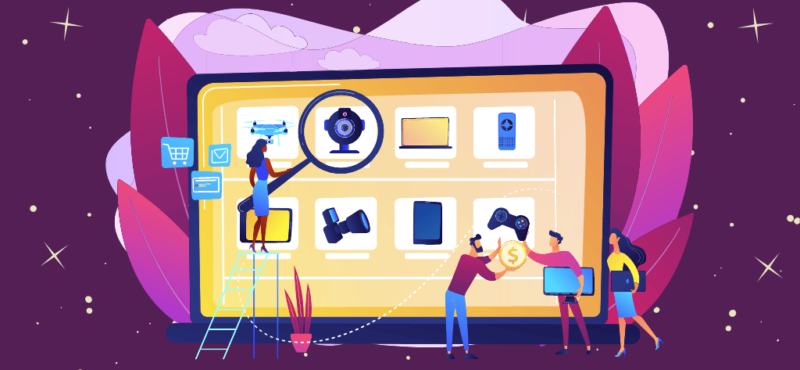
some tips for choosing a niche:
Identify your interests and passions: Start by making a list of topics that you enjoy and have some knowledge about.
Research the market demand: Look for niches with a high demand and low competition. You can use tools like Google Trends or Keyword Planner to identify popular search terms and topics.
Consider the target audience: Think about the demographic you want to target and what products or services they might be interested in.
Look for affiliate programs: Check if there are affiliate programs available for the niche you’re interested in.
Examples of profitable niches

Here are some examples of profitable niches for affiliate marketing:
Health and wellness: This includes topics like fitness, nutrition, mental health, and alternative medicine.
Technology and gadgets: This includes topics like smartphones, laptops, and other gadgets.
Beauty and fashion: This includes topics like makeup, skincare, and fashion trends.
Personal finance and investing: This includes topics like budgeting, saving, and investing.
Home and garden: This includes topics like home decor, gardening, and DIY projects.
Travel and tourism: This includes topics like travel guides, reviews, and destination recommendations.
These are just a few examples, but there are countless other niches to explore. The key is to choose a niche that you’re passionate about, has a demand in the market, and has affiliate programs available.
II. Find Affiliate Programs
Affiliate programs are partnerships between companies and affiliates where the affiliate promotes the company’s products or services in exchange for a commission on sales made through their affiliate link. These programs provide affiliates with unique tracking links that can be shared on a website, blog, social media, or email list. When a user clicks on an affiliate link and makes a purchase, the affiliate earns a commission. Joining the right affiliate programs is an essential step in building a successful Affiliate Marketing with No Money business, allowing beginners to start earning online without any upfront investment.
Tips for finding affiliate programs
some tips for finding affiliate programs:
Search for affiliate networks: Affiliate networks like Amazon Associates, ShareASale, and Commission Junction provide access to thousands of affiliate programs across different niches.
Research individual companies: Many companies have their own affiliate programs that are not listed on affiliate networks. Look for companies in your niche and check if they have an affiliate program.
Check out competitor websites: See which affiliate programs your competitors are promoting and consider joining those programs.
To optimize your earnings, search for affiliate programs that offer high commission rates.

Examples of affiliate programs
Here are some examples of affiliate programs in different niches:
Health and wellness: The Vitamin Shoppe, Life Extension, and BodyBuilding.com.
Technology and gadgets: Best Buy, Apple, and Samsung.
Beauty and fashion: Sephora, Ulta, and Nordstrom.
Personal finance and investing: Robinhood, Acorns, and TD Ameritrade.
Home and garden: Home Depot, Lowe’s, and Wayfair.
Travel and tourism: Expedia, Airbnb, and TripAdvisor.
These are just a few examples, but there are many other affiliate programs available. Do your research and find programs that align with your niche and offer high-quality products or services.
III. Create a Website or Blog
To promote your affiliate products and services, you need a platform to share your content and affiliate links. A website is a collection of web pages with a common domain name, while a blog is a type of website that is regularly updated with new content in a specific format. Creating a website or blog helps you establish your brand, build credibility, and attract a loyal audience. A well-optimized website is one of the most effective tools for growing your Affiliate Marketing with No Money business and generating consistent affiliate commissions over time.
Tips for creating a website or blog

Choose a domain name: Your domain name should be unique, easy to remember, and relevant to your niche.
Select a web hosting provider: A web hosting provider is a service that allows you to store your website files and make them accessible on the internet. Look for a provider that offers good uptime, fast loading speeds, and excellent customer support.
Choose a content management system: A content management system (CMS) is a platform that allows you to create, manage, and publish content on your website. WordPress is a popular CMS for bloggers and affiliate marketers.
Design your website: To ensure a professional and visually appealing website, consider hiring a web designer or utilizing a website builder. It’s essential to have an easy-to-navigate interface to attract and retain visitors.
Create high-quality content: Create informative, engaging, and valuable content that resonates with your target audience. Having a user-friendly interface will aid in drawing and retaining visitors to your website.
Platforms for website or blog creation
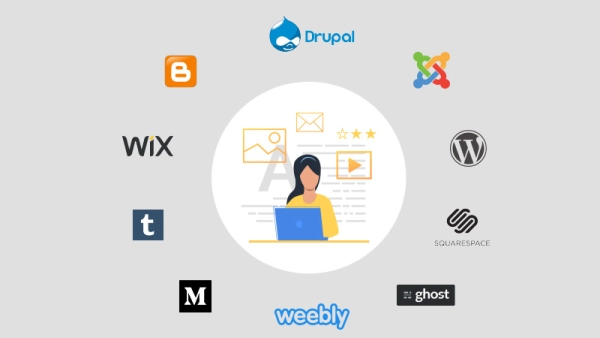
Here are some popular platforms for creating a website or blog:
WordPress: WordPress is a free, open-source CMS that powers over 40% of all websites on the internet. It’s highly customizable and offers a wide range of themes, plugins, and features.
Wix: Wix is a website builder that offers drag-and-drop functionality and pre-built templates.
Squarespace: Squarespace is a website builder that offers professionally designed templates and a user-friendly interface. It’s great for creating visually appealing websites.
Choose a platform that suits your needs and budget, and start building your website or blog today.
IV.Content Creation
 Content creation is the process of developing and publishing valuable, informative, and engaging content for your audience. As an affiliate marketer, your content should be designed to attract, educate, and convert potential customers. High-quality content helps establish your authority in your niche, build trust with your audience, and improve your conversion rates. Consistently creating valuable content is a key strategy for succeeding in Affiliate Marketing with No Money, as it drives organic traffic and increases affiliate sales without requiring a large investment.
Tips for content creation
Here are some tips for creating content as an affiliate marketer:
Identify your target audience: While creating content, it is vital to tailor it to your target audience. Take into account their requirements, preferences, and issues to address their concerns effectively.
Focus on providing value: Ensure that your content delivers value to your audience, whether through informative, entertaining, or inspiring content. To prompt your audience to take action, employ persuasive language. Incorporate strong calls to action and emphasize the benefits of the products or services you are promoting.
Optimize your content for search engines: Use keywords and optimize your content for search engines to increase its visibility and attract more traffic to your website.
Be consistent:Consistency plays a crucial role in content creation. Develop a content schedule and stick to it to keep your audience engaged and attract new followers.

Examples of content types
Here are some examples of content types you can create as an affiliate marketer:
Blog posts: Write informative and engaging blog posts that provide value to your audience and promote your affiliate products or services.
Product reviews: Write detailed reviews of the products or services. Include both the pros and cons of the products and provide recommendations for your audience.
Video content: Create videos that showcase the products or services you’re promoting or provide tutorials or how-to guides related to your niche.
Social media posts: Use social media platforms like Instagram, Twitter, and Facebook to promote your content and affiliate links.
Email newsletters: Use email newsletters to promote your content, provide updates to your subscribers, and promote your affiliate products or services.
By creating high-quality content that resonates with your audience, you can increase your traffic, engagement, and conversions as an affiliate marketer.
V. Promote Your Affiliate Products
Promoting your affiliate products is crucial to your success as an affiliate marketer. Promotion involves increasing the visibility and exposure of the products you’re recommending to your target audience. The more people discover and trust the products you promote, the higher the chances of them making a purchase through your affiliate link. Effective promotion is a vital part of Affiliate Marketing with No Money, helping you generate commissions through organic traffic, social media, email marketing, and valuable content without a significant upfront investment.
Tips for promoting your affiliate products
tips for promoting your affiliate products:
Use multiple platforms: Promote your affiliate products across multiple platforms to reach a larger audience. This could include your website, social media, email marketing, and more.
Focus on benefits: Highlight the benefits of the products or services you’re promoting in your content. This could be in the form of solving a problem, saving money, or improving their lives in some way.
Use visual content: Use visual content like images and videos to showcase the products you’re promoting. Visuals are more engaging and help to capture the attention of your audience.
Use call-to-actions: Encourage your audience to take action by using strong call-to-actions in your content. Encourage your audience to take action by using persuasive language and including strong calls to action such as “Buy now”, “Get started today”, “Sign up now”, and more.
Offer incentives: Offer incentives like discounts or bonuses to encourage your audience to make a purchase through your affiliate link.
Examples of promotional strategies

By effectively promoting your affiliate products, you can increase your conversions and earn more commission as an affiliate marketer. Remember to always disclose your affiliate links and be honest and transparent with your audience to build trust and credibility.
VI. Engage with Your Audience
Engaging with your audience is a crucial part of building a successful affiliate marketing business. When you engage with your audience, you build trust and establish a strong relationship with them. This, in turn, leads to higher conversions and more commissions as an affiliate marketer. Consistent audience interaction is an important strategy in Affiliate Marketing with No Money, helping you grow your influence, increase credibility, and generate income without any upfront investment.
Tips for engaging with your audience
tips for engaging with your audience:
Respond to comments and messages promptly: Always make an effort to respond to comments and messages from your audience as quickly as possible. Demonstrate your commitment to building a relationship with your audience by actively engaging with them and valuing their feedback and opinions.
Ask for feedback: Ask your audience for feedback on the content you’re producing, the products you’re promoting, and the overall user experience on your website or blog. By creating polls or surveys, you demonstrate to your audience that you care about their opinion and are dedicated to offering them the best possible experience.
Use social media platforms: Engage with your audience on social media platforms by responding to comments, sharing content, and participating in discussions. This is a great way to build a community around your brand and increase engagement.
Offer value: Always aim to provide value to your audience. This could be in the form of informative blog posts, helpful tutorials, or exclusive discounts and bonuses.
Be authentic: Authenticity and genuineness are crucial in your interactions with your audience. Building trust and establishing a loyal following is essential for success in digital marketing.

Examples of engagement strategies
Here are some examples of engagement strategies you can use to engage with your audience:
- Host Q&A sessions on social media platforms or in your blog comments section.
- Consider creating polls or surveys to gather valuable feedback from your audience. This can help you understand their needs, preferences, and pain points better and tailor your content and promotions accordingly.
- Hold contests or giveaways to incentivize engagement and build excitement around your brand.
- Respond to comments and messages from your audience promptly and with a personalized message.
- Participate in relevant online communities and forums to engage with potential customers and build your brand.
Engaging with your audience is crucial in building a loyal following and establishing yourself as an authority in your niche. This includes responding to comments, asking for feedback, and providing value through your content. By doing so, you can develop strong relationships with your audience and create a community around your brand. This is an essential step in Affiliate Marketing with No Money, as strong audience engagement leads to higher trust, increased conversions, and more commission as an affiliate marketer.
Conclusion
In this blog post, we discussed Affiliate Marketing with No Money and explained how beginners can start earning online without a large investment. We covered the essentials, including choosing a profitable niche, finding affiliate programs, creating a website or blog, producing valuable content, promoting affiliate products, and engaging with your audience.
Affiliate Marketing with No Money is a great way to earn extra income or even build a full-time online business. It is a low-cost, low-risk business model that allows beginners to start their entrepreneurial journey with minimal financial investment. With dedication, consistency, and the strategies outlined in this guide, you can build a successful affiliate marketing business over time.
If you’re ready to begin your Affiliate Marketing with No Money journey, now is the perfect time to take action. Choose your niche, join reliable affiliate programs, create valuable content, promote your affiliate links, and connect with your audience. With persistence and the right approach, you can turn affiliate marketing into a sustainable source of online income.




















 Key Features