
Social media marketing strategies are smart plans for promoting things (like products, services, or brands) on sites like Facebook, Instagram, and Twitter. They use these plans to share interesting things, chat with people, and use the special tools on these websites to tell others about their products or ideas


What is social media marketing strategy?
social media marketing strategy

Social media marketing strategy is all about telling the story of your brand, business, or ideas across social platforms. You create engaging posts, share interesting updates, and showcase valuable content that grabs attention and makes people curious to learn more about what you offer.

By doing this, you build connections with a wide audience and show them why they should follow you, trust you, or even purchase your products or services. It’s like having a plan to meet new people online and help more users discover the unique value your brand brings. Today, social media marketing is a vital part of any digital marketing strategy. Below are some of the key elements that make it successful.


1. Data and Insights

A strong social media marketing strategy is driven by data. Marketers use analytics tools to measure how their posts and ads are performing. Important metrics include reach, engagement, click-through rates, and conversions. These insights help refine strategies, improve performance, and measure return on investment (ROI).


2. Content Creation

High-quality, engaging content is the foundation of social media marketing. This can include text posts, images, videos, infographics, reels, and more. Content should always be tailored to both the platform and the target audience to maximize impact and engagement.


3. Platform Selection

Each social media platform attracts different audiences and offers unique features. Choosing the right platforms is essential to reaching the right people. Popular platforms include Facebook, Instagram, X (Twitter), LinkedIn, Pinterest, and TikTok. Your strategy should focus on where your target audience is most active.


4. Audience Engagement

Social media is a two-way communication channel. Brands need to actively engage with their audience through comments, likes, shares, and direct messages. Consistent interaction builds trust, strengthens relationships, and encourages long-term loyalty.


5. Paid Advertising

Paid social media advertising involves investing in ad placements to promote products, services, or content. These ads can be highly targeted based on demographics, interests, and behaviors, helping businesses reach the right audience more effectively.


6. Community Building

Building a community around your brand is a key part of social media success. This means creating spaces where people can connect, share experiences, and support each other. A strong community increases brand loyalty and turns followers into long-term advocates.

Benefits of social media marketing strategy

social media marketing strategy

Social networking has become one of the most powerful free marketing tools available today. It allows businesses to promote their brand, connect with audiences, and grow without needing a huge budget. Below are some of the key benefits of social media marketing.


1. Reach a Wider Audience

Social media lets you communicate with people across cities, countries, and even continents. It’s like having a global storefront where your message can be seen by anyone, anywhere.


2. Connect Directly with Customers

You can interact with customers in real time, answer their questions, and respond to feedback. It’s similar to running a shop that’s always open and ready to help visitors.


3. Cost-Effective Marketing

Compared to traditional advertising methods, social media marketing is much more affordable. Even with a small budget, businesses can run campaigns and achieve meaningful results.


4. 24/7 Online Presence

Your social media profiles work for you around the clock. People can discover your brand, explore your products, and learn about your services at any time of the day.


5. Build New Relationships

Social platforms help you connect not only with potential customers but also with other businesses and communities. This opens the door to partnerships, collaborations, and long-term relationships.


6. Influencer Marketing Opportunities

Partnering with influencers can help increase your brand’s visibility and trust. Influencers already have loyal audiences, making it easier for your message to reach more people.


Creating Your Social Media Marketing Plan

To get the most out of social media, it’s important to have a clear and structured marketing plan. This plan should outline your goals, target audience, content strategy, posting schedule, and performance tracking methods to ensure consistent growth and success.
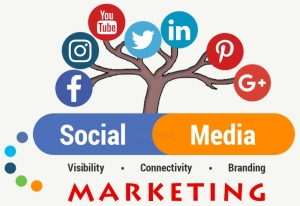
social media strategy

Steps to Create an Effective Social Media Marketing Plan

1. Set Clear Goals
Start by identifying what you want to achieve through social media. Do you want to increase brand awareness, drive more website traffic, or generate more sales? Setting goals is like choosing a destination before starting a journey  it gives your efforts direction and purpose.

2. Understand Your Audience
Know who you’re trying to reach. Identify their age group, interests, online behavior, and the type of content they enjoy. The better you understand your audience, the easier it is to create content that truly connects with them.

3. Select the Right Platforms
Not every social media platform will suit your business. Each one attracts different types of users. Focus on the platforms where your target audience spends most of their time to get the best results.

4. Create Engaging Content
Develop posts, images, videos, and updates that your audience will find interesting and valuable. Your content should inform, entertain, or inspire while also reflecting your brand’s personality.

5. Plan Your Posting Schedule
Decide how often and when you will post. Consistency is important for staying visible and keeping your audience engaged. A well-planned schedule ensures your content reaches people at the right time.

6. Engage with Your Followers
Social media is about interaction, not just posting. Reply to comments, answer messages, and join conversations. Engaging with your audience helps build trust and long-term relationships.

7. Review and Adjust Your Strategy
Monitor your results regularly. If something isn’t working, adjust your approach. Testing new ideas and improving your strategy over time will help you achieve better outcomes.

A social media marketing plan acts as a roadmap for your online growth. It guides your efforts, keeps your goals in focus, and helps you build stronger connections with your audience.


Best Social Media Marketing Platforms for Business

The top platforms for social media marketing include Facebook, Instagram, X (Twitter), LinkedIn, Pinterest, TikTok, and YouTube. Each platform has its own strengths, audience types, and content styles. Because of this, businesses need different strategies for each platform to get the best results. Below is a brief overview of how each one works and why it matters for marketing.

social media marketing strategy

Facebook

Facebook remains the largest social media platform in the world and also acts as a powerful local business directory. It’s an excellent space for businesses that want to build a strong online community. By creating a business page, sharing engaging posts, and using Facebook Ads, brands can expand their reach and improve audience interaction. Facebook is especially useful for:

  • Building relationships with existing customers

  • Announcing updates like new hours, events, or milestones

  • Hosting discussions and live video sessions


Instagram

Launched after platforms like LinkedIn and Twitter, Instagram has grown to over a billion monthly users. It’s ideal for visually showcasing products, services, and your brand personality through photos and videos. Features like Stories and Reels help capture attention quickly. Using relevant hashtags can also improve discoverability. Instagram works well for:

  • Encouraging user-generated content

  • Highlighting company culture

  • Supporting social shopping experiences


X (Twitter)

X is known for its fast-moving, real-time nature, making it perfect for quick updates and conversations. Many users turn to the platform for news, brand interactions, and customer support. For effective marketing on X:

  • Follow trends and industry influencers

  • Share stories through engaging tweet threads

  • Offer quick and accessible customer service


LinkedIn

LinkedIn is a professional network, but it’s also a place for inspiration, learning, and leadership. Businesses can showcase their culture, grow their brand, and connect with professionals. A well-optimized company page and valuable thought-leadership content can go a long way. LinkedIn is great for:

  • Attracting skilled talent

  • Networking with partners and clients

  • Sharing company updates and industry insights


TikTok

TikTok is one of the fastest-growing social media platforms, known for short, creative videos. It’s especially popular with younger audiences and offers brands a chance to show personality in a fun, authentic way. Businesses can use TikTok to:

  • Join trending challenges

  • Share entertaining and inspiring videos

  • Present a relatable brand voice


YouTube

YouTube is the world’s second-largest search engine and a leading platform for video content. Businesses can share tutorials, product demonstrations, customer testimonials, and behind-the-scenes footage. Success on YouTube comes from providing consistent value rather than chasing viral trends. It’s particularly effective for:

  • Tutorials and educational videos

  • Live shopping streams

  • Video advertising

  • Improving visibility through SEO


The best social media marketing strategy focuses on choosing platforms that match your business goals, target audience, and content style. Instead of trying to be everywhere, concentrate on where you can create the biggest impact. Stay engaged with your audience, track your performance, and adjust your strategy when needed.


Social Media Marketing Strategy Tips

Social media marketing is constantly evolving, and keeping up with trends can be challenging. Whether you’re experienced or just starting out, these tips will help you build a strategy that increases engagement and strengthens your brand.

Define Your Goals

Start with clear objectives. Whether you want to drive website traffic, generate leads, or boost sales, your goals will shape your content and approach.

Understand Your Audience

Learn about your audience’s demographics, interests, and challenges. This knowledge helps you create content that truly resonates with them.

Choose the Right Platforms

Not all social platforms are the same. Focus on those where your audience is most active. For instance, Instagram and Pinterest are ideal for visual content, while LinkedIn works well for B2B networking.

Content Matters Most

Your content should educate, entertain, or inspire. Plan your posts in advance and use a mix of text, images, and videos to keep things interesting.

Be Authentic

Authenticity builds trust. Share behind-the-scenes moments, success stories, and user-generated content. Engage with comments and messages to show there’s a real human behind the brand.

Use Hashtags Wisely

Hashtags can increase the reach of your posts. Research relevant and trending hashtags to help more people discover your content.

Stay Updated

Social media trends and algorithms change often. Keep learning and be ready to adjust your strategy to stay effective.


Conclusion

A strong social media marketing strategy helps businesses connect with people, build trust, and grow their customer base online. By being creative, responsive, and consistent, brands can form lasting relationships with their audience. Social media marketing is an ongoing journey, and with the right strategy, it can deliver powerful results for brand awareness, engagement, and long-term business success.

Author-Fahmidha
Learner of DigiSkillz, Digital Marketing Institute in Kochi.