


A resume is a written document that outlines an individual’s work experience, education, skills, and other relevant information that showcases their qualifications for a job or career opportunity.
Resumes are typically used in the job application process as a means of introducing oneself to a potential employer or recruiter.
The purpose of a resume is to provide a concise and clear summary of the individual’s professional background and qualifications, highlighting their strengths and accomplishments in order to demonstrate their suitability for the job they are applying for.
A well-crafted resume is an essential tool for job seekers as it can help them stand out in a competitive job market and increase their chances of securing an interview or job offer.
Table of Contents
Importance of a resume

A resume is a document that summarizes an individual’s educational background, work experience, skills, achievements, and other relevant information related to their professional qualifications.
Its purpose is to provide a brief overview of an applicant’s qualifications and experience to a potential employer, allowing them to assess whether the individual is a good fit for a particular job or position.
A well-written resume can help an individual stand out from other applicants and increase their chances of securing an interview and potentially a job offer.
The Basics of Resume Writing
A. Choosing the right format
Choosing the correct format for a resume depends on various factors such as the individual’s work experience, skills, and the type of job they are applying for.
Chronological: This is the most common type of resume format. It lists an individual’s work experience in reverse chronological order, starting with the most recent job first. This format is suitable for individuals who have a stable work history and are looking for a job in the same field.
Functional: This format focuses on an individual’s skills and abilities rather than their work history. It is suitable for individuals who are changing careers or have gaps in their employment history.
Combination: It highlights an individual’s work experience and skills. It is suitable for individuals who have a diverse range of skills and experiences.
It’s important to choose the right format that best highlights an individual’s qualifications and experience and makes their resume stand out to potential employers.
B. Choosing the right font and size
Choosing the right font and size for a resume is important because it affects the readability and overall presentation of the document. Here are some tips to consider:
Font: Avoid using decorative or cursive fonts, as they can be difficult to read and may not be compatible with certain software.
Size: The recommended font size for a resume is between 10 and 12 points. The font size should be consistent throughout the document, including the headings and subheadings.
Emphasis: Use bold, italic, or underlined text sparingly and consistently. This can help to draw attention to important information and make the document easier to scan.
Consistency: Use the same font and size throughout the document to maintain a consistent and professional look.
Remember, the goal of a resume is to highlight an individual’s qualifications and experience in a clear and concise way. The font and size should enhance the readability of the document, not distract from it.

C. Organizing the information
Organizing the information in a resume is important to make it easy for potential employers to quickly assess an individual’s qualifications and experience. Here are some tips on how to organize the information:
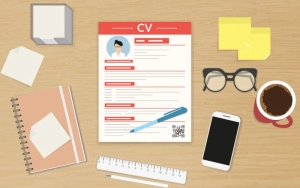
Contact Information: Provide your full name, phone number, email address, and, if applicable, your physical address. and optionally, your physical address. This information should be at the top of the page and should be easy to find.
Professional Summary: This section should provide a brief overview of your professional background and skills. It should highlight your strengths and experience that are relevant to the job you are applying for.
Work Experience: Detail your professional experience starting with your most recent position and working backward.. For each job, include the job title, company name, employment dates, and a description of your duties and accomplishments.
Education: List your educational background in reverse chronological order, starting with your most recent degree.
Skills:Highlight the skills that are most relevant to the position you’re applying for.. These can include technical skills, language skills, or other skills that are relevant to the job.
Certifications and Awards: Include any relevant certifications or awards that you have earned. This can help to demonstrate your expertise and commitment to your profession.
Emphasize the skills and experiences that are most relevant to the job and use keywords that are relevant to the industry or job description. This will help to make your resume stand out to potential employers.

III. Crafting Your Professional Summary
A. Importance of a professional summary
Here are some reasons why the professional summary is important:
First Impression: The professional summary is the first section of a resume that potential employers will read. It provides an opportunity to make a good first impression and capture their attention.
Relevant Skills: The professional summary highlights the skills and experiences that are most relevant to the job. It can help to quickly demonstrate that an individual has the qualifications that the employer is looking for.
Tailored to the Job: A well-written professional summary can be tailored to the specific job that an individual is applying for. It can include keywords that are relevant to the job description. which can help the resume get past applicant tracking systems (ATS) and into the hands of a hiring manager.
Concise: The professional summary is usually no more than 2-3 sentences long. It provides a concise and focused overview of an individual’s qualifications, making it easy for potential employers to quickly assess whether the candidate is a good fit for the job.
In summary, the professional summary is an important part of a resume that can help to make a good first impression, highlight relevant skills, and tailor the resume to the job.
B. Tips for writing a strong professional summary
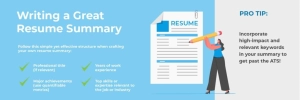
Here are some tips to help you write a strong professional summary:
Keep it concise: Your professional summary should be no more than 2-3 sentences long. Use short, clear sentences, and avoid using industry jargon or buzzwords.
Highlight your strengths: Focus on your most relevant skills and experiences that align with the job you’re applying for. Use strong action words to describe your accomplishments and showcase your expertise.
Tailor it to the job: Customize your professional summary to match the job description and requirements. Use keywords from the job posting to show that you’re a good fit for the role.
Show your value: Highlight the benefits that you can bring to the company. This can include your experience, skills, or achievements that will help the company achieve its goals.
Be confident: Use positive language and avoid being too modest. This is your chance to sell yourself and show why you’re the best candidate for the job.
Proofread: Make sure your professional summary is free from typos and grammatical errors. You want to make a good first impression, so take the time to proofread your resume before submitting it.
C. Mistakes to avoid in the professional summary
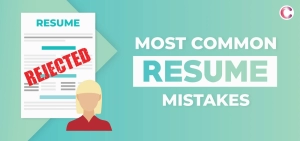
To make the most of this section, it’s important to avoid the following mistakes:
Being too generic: Avoid using generic statements that could apply to anyone. Instead, focus on what sets you apart from other candidates and highlight your unique skills and accomplishments.
Being too long: Keep your professional summary brief and to the point. It should be no more than three to four sentences.
Using buzzwords: Avoid using buzzwords or jargon that may not be understood by everyone.
Focusing on yourself instead of the employer: Your professional summary should be tailored to the needs of the employer, not just about yourself. Highlight how your skills and experience can benefit the company.
Including irrelevant information: Make sure that everything in your professional summary is relevant to the position you’re applying for. Don’t include information that doesn’t add value to your candidacy.
By avoiding these mistakes, you can create a professional summary that effectively showcases your skills and experience, and helps you stand out from other candidates.
IV. Showcasing Your Work Experience

A. Importance of work experience
Work experience is an essential component of a person’s career development and can play a significant role in achieving professional goals.
Demonstrates practical skills and knowledge: Work experience provides the opportunity to develop practical skills and knowledge that cannot be learned in a classroom setting. It allows individuals to put theory into practice and gain hands-on experience in their field.
Helps build a professional network: Through work experience, individuals can build a network of professional contacts that can help them advance in their careers. Networking can lead to new job opportunities, referrals, and valuable industry connections.
Boosts confidence and self-esteem: Work experience can help individuals build confidence in their abilities and feel more comfortable in their professional roles. This can translate into greater success and job satisfaction.
Enhances employability: Employers place a high value on work experience when considering candidates for job openings. Having relevant work experience can make a candidate stand out from others with similar educational backgrounds and qualifications.
Provides career direction: Work experience can help individuals clarify their career goals and provide insights into what type of work they enjoy and excel at. This can help individuals make informed decisions about their career paths and focus their job search efforts.

It is a valuable asset that can help individuals achieve their career goals and advance in their chosen field.
B. Tips for listing your work experience
Listing your work experience on your resume is important as it helps showcase your skills, achievements, and qualifications to potential employers. Here are some tips for effectively listing your work experience:
Use bullet points: Use bullet points to highlight your achievements and responsibilities for each job. This will make it easier for the employer to scan and quickly understand your experience.
Start with the most recent job: List your work experience in reverse chronological order, starting with your most recent job. This will help the employer see your most recent experience first.
Use action verbs: Use strong action verbs. This will make your experience sound more active and dynamic.
Quantify your achievements: This will help the employer understand the impact you had in your previous roles.

Tailor your experience to the job: Tailor your work experience to the job you are applying for. Use keywords from the job description and highlight experience that is most relevant to the position.
Keep it concise: Keep your work experience section concise, with no more than 5-6 bullet points per job. Be selective about what you include and only include relevant information.
Be honest: Be honest about your job titles, responsibilities, and accomplishments. Don’t exaggerate or falsify information as it can be easily verified by the employer.
By following these tips, you can effectively showcase your work experience on your resume and increase your chances of standing out to potential employers.
C. Mistakes to avoid in listing your work experience
When it comes to listing your work experience on your resume, there are several mistakes you should avoid.
Not tailoring your experience to the job: One of the biggest mistakes is not tailoring your experience to the job you are applying for. Make sure to highlight experience that is most relevant to the position.
Being too vague: Another mistake is being too vague about your responsibilities and accomplishments. Use specific examples and quantify your achievements where possible.
Not being consistent: Make sure to be consistent in the way you list your work experience. Use the same format and style for each job.
Including irrelevant information: Don’t include irrelevant information or experience that is not related to the job you are applying for..

Using passive language: Using passive language can make your experience sound less impressive. Instead, use active language and strong action verbs to describe your accomplishments and responsibilities.
Not highlighting soft skills: Soft skills, such as communication, teamwork, and problem-solving, are just as important as technical skills. Make sure to highlight these skills in your work experience section.
By avoiding these common mistakes, you can effectively showcase your work experience on your resume and increase your chances of standing out to potential employers.

V. Highlighting Your Skills
A. Importance of highlighting your skills
When it comes to listing your work experience on your resume, there are several mistakes you should avoid.
Not tailoring your experience to the job: One of the biggest mistakes is not tailoring your experience to the job you are applying for. Make sure to highlight experience that is most relevant to the position.
Being too vague: Another mistake is being too vague about your responsibilities and accomplishments.
Not being consistent: Make sure to be consistent in the way you list your work experience. Use the same format and style for each job.
Including irrelevant information: Don’t include irrelevant information or experience that is not related to the job you are applying for.

Exaggerating or falsifying information: It’s important to be honest about your job titles, responsibilities, and accomplishments. Exaggerating or falsifying information can damage your credibility and hurt your chances of getting the job.
Using passive language: Using passive language can make your experience sound less impressive. Instead, use active language and strong action verbs to describe your accomplishments and responsibilities.
Not highlighting soft skills: Soft skills, such as communication, teamwork, and problem-solving, are just as important as technical skills. Make sure to highlight these skills in your work experience section.
By avoiding these common mistakes, you can effectively showcase your work experience on your resume and increase your chances of standing out to potential employers.

B. Tips for showcasing your skills
Here are some tips for effectively showcasing your skills on your resume:
Make a list: Start by making a list of your skills, both technical and soft skills. This will help you organize your thoughts and ensure that you don’t forget any important skills.
Use keywords: Use keywords from the job description to highlight skills that are relevant to the position. This will help you tailor your resume to the job and make it easier for the employer to see that you have the necessary skills.
Use bullet points: Use bullet points to list your skills, and organize them by category, such as technical skills, communication skills, or leadership skills.
Be specific: Instead of just listing generic skills, be specific about what you can do and how you have used your skills in previous roles. Use examples and quantify your achievements where possible.
Prioritize your skills: Prioritize your most relevant and impressive skills, and make sure to highlight them prominently on your resume.

Show, don’t tell: Instead of just listing your skills, show how you have used them in real-world situations. Use concrete examples to demonstrate how your skills have contributed to your previous successes.
Don’t overdo it: While it’s important to showcase your skills, don’t overdo it. Focus on your most important and relevant skills, and make sure that your resume is easy to read and not too cluttered.
By following these tips, you can effectively showcase your skills on your resume and increase your chances of standing out to potential employers.
VI. Education and Certifications

A. Importance of education and certifications
Here are some reasons why education and certifications are important
Improved Knowledge and Skills:
Education and certifications help individuals gain specialized knowledge and skills relevant to their field. Highlighting these achievements through resume writing allows employers to clearly see how your expertise can improve job performance and support higher-level responsibilities.
Career Advancement:
Many employers require education and certifications for promotions or leadership roles. Effective resume writing helps showcase advanced degrees and certifications that support long-term career growth.
Increased Earning Potential:
Education and certifications often lead to higher salaries and better benefits. Proper resume writing emphasizes these qualifications, positioning candidates as valuable assets to organizations.
Professional Networking:
Education and certifications open doors to professional networking opportunities such as conferences, workshops, and online communities. Including these experiences in resume writing demonstrates industry involvement and professional engagement.
Personal Development:
Beyond career growth, education and certifications contribute to personal development by improving critical thinking, communication skills, and self-confidence. Thoughtful resume writing reflects this growth and presents a well-rounded professional profile.
B. Tips for listing your education and certifications

Unique flying Certicate Graduation Education Graduate flat badge icon vector for website and any digital needs
Here are some tips for listing your education and certifications:
Start with the most recent: When listing your education and certifications during resume writing, always start with the most recent qualifications and work backward. This helps employers and recruiters quickly identify your latest credentials.
Be clear and concise: Effective resume writing requires keeping education and certification details simple and easy to understand. Use bullet points and clear language so recruiters can scan your information quickly.
Include relevant information: One of the key rules of resume writing is relevance. Include only the education and certifications that match the job you are applying for.
Use the correct format: Resume writing involves selecting the right format based on where your resume appears. A reverse chronological format works well for resumes, while LinkedIn profiles may need a more detailed layout.
Use industry-specific terminology: Professional resume writing includes using industry-specific terms for certifications. This highlights your expertise and helps employers clearly understand your qualifications.
List any relevant coursework: If you have completed any coursework that is relevant to the position you are applying for, list it. This shows that you have knowledge in that area and are willing to continue learning.
Be honest: Be honest about your education and certifications. It can be tempting to exaggerate your qualifications, but this can backfire if you are asked to provide proof or if you are unable to perform the tasks required for the job.
VII. Conclusion
I strongly encourage you to take action and start resume writing today. Your resume is your first impression with potential employers, and effective resume writing is critical to make it stand out from the competition. Remember, your resume is not just a list of qualifications and experiences; resume writing is a strategic marketing tool that highlights your unique strengths and achievements. By investing time and effort into professional resume writing, you significantly increase your chances of securing an interview and moving closer to your dream job. So don’t wait any longer—start resume writing today and take control of your career future.
Author-Arshad
Learner of DigiSkillz, Digital Marketing Institute in Kochi.








Leave A Comment