Author: sneha

  • ChatGPT: Features, Benefits, Uses, and Future of AI

    ChatGPT: Features, Benefits, Uses, and Future of AI

    ChatGPT for Digital Marketing Course in Kochi

    Artificial Intelligence (AI) has transformed the way people interact with technology, and the system is one of the biggest innovations leading this transformation. Developed by OpenAI, ChatGPT is an advanced AI language model that understands human language and generates natural, meaningful responses. From answering questions and creating content to assisting businesses and students, the system has become an essential tool across multiple industries.

    Unlike traditional chatbots that follow predefined rules, ChatGPT uses advanced Natural Language Processing (NLP) and machine learning to understand context, generate human-like responses, and solve complex tasks. As AI technology continues to evolve, ChatGPT is reshaping communication, education, healthcare, marketing, customer service, and many other sectors.

    In this article, we’ll explore what ChatGPT is, how it works, its major benefits, real-world applications, and what the future holds for this revolutionary AI technology.

    What Is ChatGPT?

    The system is an AI-powered conversational language model created by OpenAI. It is built on the Generative Pre-trained Transformer (GPT) architecture, which enables it to understand, process, and generate text that closely resembles human conversation.

    The model has been trained on vast amounts of publicly available text, allowing it to answer questions, explain concepts, summarize information, write articles, generate code, translate languages, and much more.

    Because of its ability to understand context instead of simply matching keywords, ChatGPT delivers responses that feel natural, intelligent, and conversational.
    ChatGPT for Digital Marketing Course in Kochi

    How Does ChatGPT Work?

    ChatGPT works using advanced machine learning techniques. Before interacting with users, the model is trained on billions of words collected from books, websites, articles, and other text sources. This training helps it recognize grammar, sentence structures, writing styles, and relationships between words.

    When a user enters a prompt, AI assistant analyzes the context of the request and predicts the most appropriate sequence of words to generate a helpful response. It does not search the internet in real time for every answer; instead, it generates responses based on the patterns learned during training, along with any available live capabilities when applicable.

    This ability makes the platform useful for conversations, writing, research assistance, brainstorming, programming support, and educational purposes.

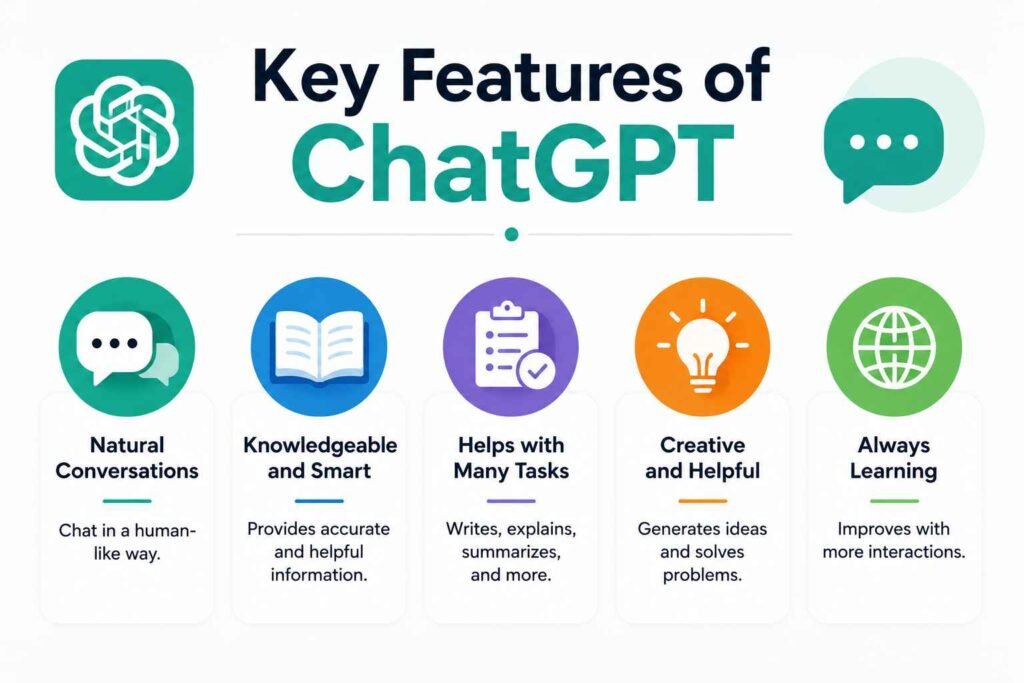
    Key Features of ChatGPT
    ChatGPT for Digital Marketing Course in Kochi

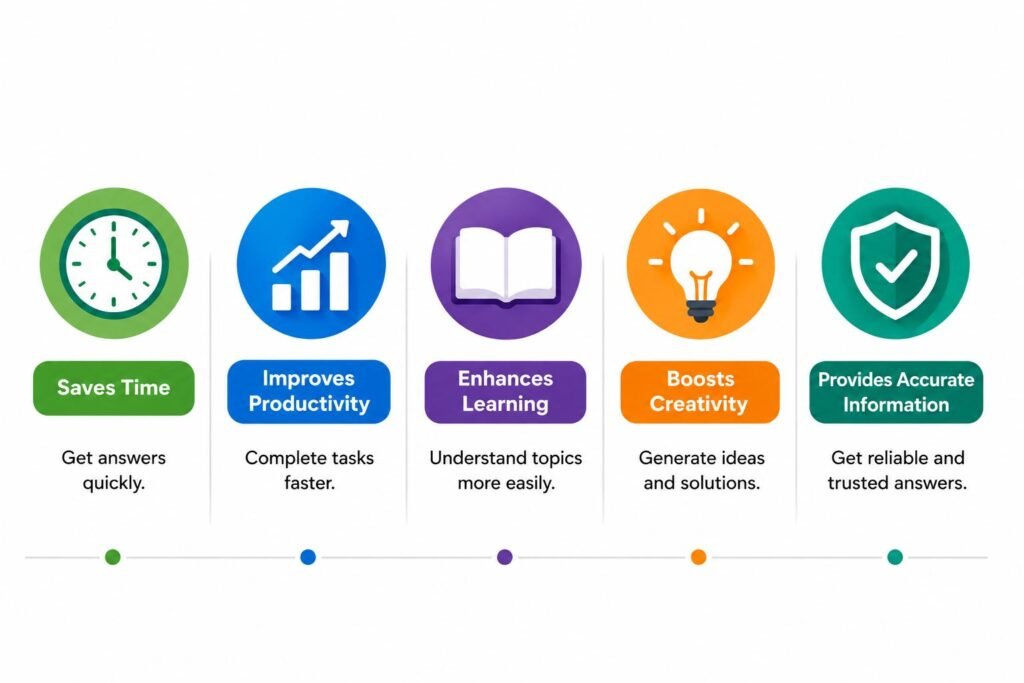
    Benefits of ChatGPT

    The popularity of the platform continues to grow because it provides practical benefits for individuals and businesses alike.

    Saves Time

    Routine tasks such as drafting emails, creating reports, and writing articles can be completed much faster using the platform

    Improves Productivity

    Employees and freelancers can automate repetitive work and focus more on strategic and creative tasks.

    Cost-Effective Solution

    Organizations use AI assistant to reduce operational costs by automating customer support, documentation, and content generation.

    24/7 Availability

    Unlike human support teams,the platform can assist users anytime, making it valuable for businesses serving customers across different time zones.

    Personalized Assistance

    ChatGPT can tailor responses based on user instructions, creating a more engaging and customized experience.

    Applications of ChatGPT Across Industries

    Healthcare

    Healthcare professionals use the system to assist with appointment scheduling, patient education, medical documentation, and administrative support. While it does not replace medical professionals, it helps improve efficiency and communication.

    Education

    Students and teachers use ChatGPT to explain difficult concepts, create study materials, summarize lessons, and generate practice questions. It also supports personalized learning by adapting explanations to different skill levels.

    Marketing

    Digital marketers use the system to create SEO-friendly blog posts, advertising copy, email campaigns, social media content, and keyword-rich product descriptions. It helps businesses produce high-quality marketing content in less time.

    Customer Service

    Many companies integrate ChatGPT into chatbots and virtual assistants to answer frequently asked questions, resolve common customer issues, and provide instant support around the clock.

    Finance

    Financial organizations use AI technologies like ChatGPT to summarize reports, analyze financial information, improve customer communication, and assist with documentation.

    Entertainment

    The entertainment industry uses the system to generate story ideas, write scripts, create interactive experiences, and develop engaging gaming narratives.

    How ChatGPT Is Changing the Digital World

    The impact of the system extends far beyond simple conversations. It is changing how businesses operate, how students learn, and how professionals complete daily tasks.

    Organizations now automate content creation, customer interactions, documentation, and communication using AI-powered tools. Businesses can provide faster customer support while reducing costs and improving efficiency.

    For content creators, ChatGPT serves as a powerful writing assistant capable of generating ideas, outlines, articles, newsletters, and marketing campaigns within minutes.

    Language barriers are also becoming easier to overcome. The system helps users communicate across different languages, making international collaboration more accessible than ever before.

    The Future of ChatGPT

    As Artificial Intelligence continues to evolve, ChatGPT is expected to become even more intelligent, accurate, and versatile. Businesses, educators, healthcare professionals, and developers are increasingly adopting AI-powered tools to improve productivity and deliver better user experiences.

    Some of the future developments of this technology may include:

    1. More Personalized Experiences

    Future versions of ChatGPT will better understand user preferences and provide highly personalized recommendations, learning resources, and customer support.

    2. Better Language Understanding

    As Natural Language Processing (NLP) advances, ChatGPT will become more effective at understanding context, emotions, humor, sarcasm, and complex conversations, making interactions even more natural.

    3. Integration with Emerging Technologies

    This technology is expected to integrate more deeply with technologies such as virtual reality (VR), augmented reality (AR), smart devices, robotics, and voice assistants. This will create more immersive and interactive digital experiences.

    4. Improved Business Automation

    Businesses are already using ChatGPT to automate customer support, email responses, documentation, and content creation. In the future, AI-powered automation will help organizations save more time, reduce costs, and improve operational efficiency.

    5. Enhanced Healthcare Support

    Healthcare professionals may continue using ChatGPT to simplify administrative tasks, assist with medical documentation, provide patient education, and improve communication between healthcare providers and patients.

    6. Smarter Educational Tools

    Educational institutions are increasingly adopting ChatGPT to support personalized learning. Students can receive instant explanations, practice questions, summaries, and writing assistance, making learning more engaging and accessible.

    7. Advanced Content Creation

    Content creators, bloggers, marketers, and businesses will continue using The platform to generate high-quality blog posts, social media content, product descriptions, video scripts, email campaigns, and marketing materials with greater speed and efficiency.

    Why Businesses Are Adopting ChatGPT

    Companies across industries are recognizing the value of this technology because it helps improve productivity while reducing repetitive manual work. Some of the biggest advantages include:

    • Faster customer support through AI chatbots
    • Improved content marketing and SEO writing
    • Automated email drafting and communication
    • Enhanced research and information summarization
    • Increased employee productivity
    • Better customer engagement
    • Faster brainstorming and idea generation
    • Cost-effective business operations

    These benefits allow businesses to focus on innovation and strategic growth while automating routine tasks.

    Advantages of ChatGPT
    ChatGPT for Digital Marketing Course in Kochi

    Advantages of The platform Frequently Asked Questions (FAQs)

    What is ChatGPT?

    ChatGPT is an AI-powered language model developed by OpenAI that understands and generates human-like text. It helps users with writing, learning, coding, research, customer support, and many other tasks.

    How does ChatGPT work?

    The platform uses advanced machine learning and Natural Language Processing (NLP) to understand user input and generate meaningful, context-aware responses based on patterns learned during training.

    What are the main uses of ChatGPT?

    ChatGPT is widely used for content writing, education, programming assistance, customer service, marketing, language translation, brainstorming, and business automation.

    Is ChatGPT free to use?

    ChatGPT offers both free and paid plans. The available features depend on the version and subscription plan you choose.

    Can businesses use ChatGPT?

    Yes. Businesses use the platform for customer support, content creation, email marketing, documentation, research, and workflow automation to improve productivity and customer engagement.

    Conclusion

    ChatGPT has become one of the most influential Artificial Intelligence technologies in the digital world. Its ability to understand natural language, generate human-like responses, and automate complex tasks has transformed how individuals and businesses interact with technology.

    From education and healthcare to finance, marketing, customer service, and software development, ChatGPT continues to improve productivity, enhance communication, and simplify everyday work. As AI technology advances, AI assistant is expected to become even more intelligent, personalized, and capable of solving increasingly complex challenges.

    Whether you are a student, professional, entrepreneur, or business owner, learning how to use ChatGPT effectively can help you save time, increase efficiency, and stay competitive in today’s rapidly evolving digital landscape. With continuous innovation and expanding applications, AI assistant is set to play an even greater role in shaping the future of Artificial Intelligence and digital transformation.

    Tags :
    digitdal marketing strategy
    Author : Arshad

    Freelance Digital Marketer passionate about helping businesses grow through SEO, content marketing, and data-driven digital strategies.

    Learner of DigiSkillz, Digital Marketing Institute in Kochi.

  • Benefits of Online Learning: 5 Amazing Advantages for Students and Professionals

    Benefits of Online Learning: 5 Amazing Advantages for Students and Professionals

    Benefits of Online Learning for Digital Marketing Course in Kochi

    The Benefits of Online Learning have transformed the way people acquire knowledge, develop professional skills, and achieve their educational goals. Over the past decade, online education has grown rapidly, making quality learning more accessible than ever before. Today, students, professionals, entrepreneurs, and lifelong learners can access thousands of courses from world-renowned universities and industry experts without leaving their homes.

    Unlike traditional classroom education, online learning offers greater flexibility, convenience, and affordability. Learners can study at their own pace, access learning materials anytime, and balance education with work or personal responsibilities. From earning professional certifications to pursuing higher education, online learning has become an effective solution for people seeking continuous personal and career growth.

    As digital technology continues to evolve, online education is becoming more interactive, engaging, and practical. Features such as live classes, recorded lectures, discussion forums, virtual labs, and AI-powered learning tools have significantly improved the learning experience.

    1. Increased Access to Quality Education

    One of the most significant Benefits of Online Learning is that it removes geographical and financial barriers to education. In the past, students often had to relocate or travel long distances to attend universities or specialized training centers. Today, learners can access quality education from anywhere with an internet connection.

    Online education provides opportunities for students living in rural areas, working professionals, stay-at-home parents, and individuals with physical disabilities to continue learning without limitations. This accessibility has opened doors for millions of people who previously had limited educational opportunities.

    Many online learning platforms offer courses at affordable prices, and some even provide free educational content. Students can choose from certificate programs, diploma courses, degree programs, and short-term skill development courses across various industries.

    Another advantage is the enormous variety of subjects available online. Whether you’re interested in digital marketing, web development, graphic design, accounting, healthcare, artificial intelligence, finance, or business management, there’s an online course designed to meet your learning objectives.

    The Benefits of Online Learning extend beyond accessibility by giving learners the freedom to select courses that match their career goals and interests.

    2. Flexibility and Convenience

    Benefits of Online Learning for Digital Marketing Course in Kochi

    Flexibility is one of the biggest reasons why online education continues to gain popularity. Traditional classroom learning requires students to follow fixed schedules, attend lectures at specific times, and travel to educational institutions.

    Online learning removes these restrictions by allowing students to learn whenever and wherever they choose. Whether you prefer studying early in the morning, during lunch breaks, or late at night, online education adapts to your lifestyle.

    This flexibility is particularly valuable for working professionals who want to upgrade their skills while maintaining full-time employment. Parents, freelancers, entrepreneurs, and college students also benefit from being able to create personalized study schedules.

    Another important feature is self-paced learning. Students can pause lessons, replay recorded lectures, revisit study materials, and spend extra time understanding challenging topics. Unlike classroom lectures that happen only once, online courses provide unlimited access to learning resources.

    These features help reduce academic pressure while improving confidence and overall learning effectiveness.

    Among all the Benefits of Online Learning, flexibility remains one of the most appreciated advantages because it allows education to fit seamlessly into everyday life.

    3. Greater Interaction and Student Engagement

    Modern online education has evolved far beyond simple video lessons. Today’s digital classrooms are highly interactive and designed to encourage active participation.

    Online courses often include live webinars, discussion forums, quizzes, assignments, peer collaboration, and virtual group projects. These tools allow students to communicate directly with instructors and fellow learners from different parts of the world.

    Interactive learning encourages students to ask questions, participate in discussions, and share ideas without the limitations often experienced in traditional classrooms. Many online platforms also provide instant feedback through quizzes and assessments, helping learners identify areas that need improvement.

    Video conferencing and collaborative learning tools have made virtual education more engaging than ever before. Students can participate in workshops, practical demonstrations, and live Q&A sessions that create a classroom-like experience.

    The Benefits of Online Learning include stronger engagement, improved collaboration, and increased motivation, resulting in a richer educational experience.

    4. Improved Learning Outcomes

    Technology has dramatically improved the quality of online education. Interactive videos, animations, simulations, downloadable study materials, AI-powered assessments, and digital resources make learning more effective and enjoyable.

    Unlike traditional classrooms, online learners can review lectures multiple times until they fully understand the concepts. This ability to revisit lessons significantly improves knowledge retention and comprehension.

    Many online platforms use personalized learning systems that recommend additional resources based on student performance. This customized approach helps learners strengthen weak areas while progressing at their own pace.

    Online education also supports different learning styles. Visual learners benefit from videos and graphics, auditory learners can focus on recorded lectures, and practical learners can complete real-world projects and case studies.

    By providing flexible learning environments and personalized study experiences, the Benefits of Online Learning contribute to improved academic performance and professional skill development.

    5. Cost-Effective Education

    Another major advantage among the Benefits of Online Learning is affordability. Traditional education often involves significant expenses, including tuition fees, transportation, accommodation, textbooks, and campus-related costs.

    Online education eliminates many of these expenses. Students can learn from home without spending money on commuting or relocating. Most learning materials are available digitally, reducing the need for expensive printed textbooks.

    Many educational platforms offer affordable subscription plans, installment payment options, scholarships, and free learning resources. This makes quality education accessible to a much larger audience.

    For professionals looking to upskill without leaving their jobs, online learning provides excellent value by combining affordable education with career advancement opportunities.

    Lower costs make online education an attractive option for students and professionals alike.

    Career Benefits of Online Learning

    The demand for skilled professionals continues to increase across industries. Employers value candidates who continuously improve their knowledge and adapt to changing technologies.

    Online learning allows individuals to earn professional certifications, develop industry-specific skills, and build practical experience through projects and assignments.

    Popular online courses include:

    • Digital Marketing
    • Data Analytics
    • Artificial Intelligence
    • Graphic Design
    • Web Development
    • Cybersecurity
    • Business Management
    • Project Management
    • Finance
    • Content Marketing

    Completing these courses enhances resumes, improves employability, and increases opportunities for career growth.

    One of the greatest Benefits of Online Learning is that it enables professionals to remain competitive in today’s fast-changing job market.

    The Future of Online Learning

    As technology continues to advance, online education is becoming increasingly personalized and immersive. Artificial Intelligence, Virtual Reality, Augmented Reality, adaptive learning systems, and gamification are reshaping how students learn.

    Educational institutions and companies continue investing in digital learning platforms because they provide scalable, flexible, and effective training solutions.

    The future of education will likely combine traditional classroom experiences with digital learning, creating hybrid learning environments that maximize the strengths of both approaches.

    The Benefits of Online Learning will continue expanding as technology makes education more accessible, engaging, and career-focused.

    conclusion

    The Benefits of Online Learning make it one of the most effective educational methods available today. From increased accessibility and flexible schedules to better engagement, improved learning outcomes, and affordable education, online learning empowers individuals to achieve their personal and professional goals.

    Whether you’re a student pursuing higher education, a professional seeking career advancement, or someone looking to learn a new skill, online education provides the resources, flexibility, and opportunities needed for success.

    As digital technology continues to evolve, online learning will play an even greater role in shaping the future of education. Investing in online learning today is an investment in lifelong growth, career development, and a brighter future.

    Tags :
    digitdal marketing strategy
    Author : Sonappan

    Freelance Digital Marketer passionate about helping businesses grow through SEO, content marketing, and data-driven digital strategies.

    Learner of DigiSkillz, Digital Marketing Institute in Kochi.

  • 5 Tips for Boosting Your Business with Pinterest Web

    5 Tips for Boosting Your Business with Pinterest Web

    Pinterest Marketing Digital Marketing Course in Kochi

    Pinterest is no longer just a platform for discovering recipes, home décor ideas, and fashion inspiration. Today, it has evolved into one of the most powerful visual search engines and marketing platforms for businesses of all sizes. With millions of active users searching for products, services, and ideas every day, Pinterest Marketing has become an essential part of a successful digital marketing strategy.

    Unlike many other social media platforms, Pinterest users actively search for inspiration and buying ideas. This means they often have a stronger purchase intent, making Pinterest an excellent platform for generating qualified traffic, increasing brand awareness, and boosting sales.

    Whether you’re running an eCommerce store, a local business, or a personal brand, implementing an effective Pinterest Marketing strategy can help you reach new audiences and achieve long-term business growth.

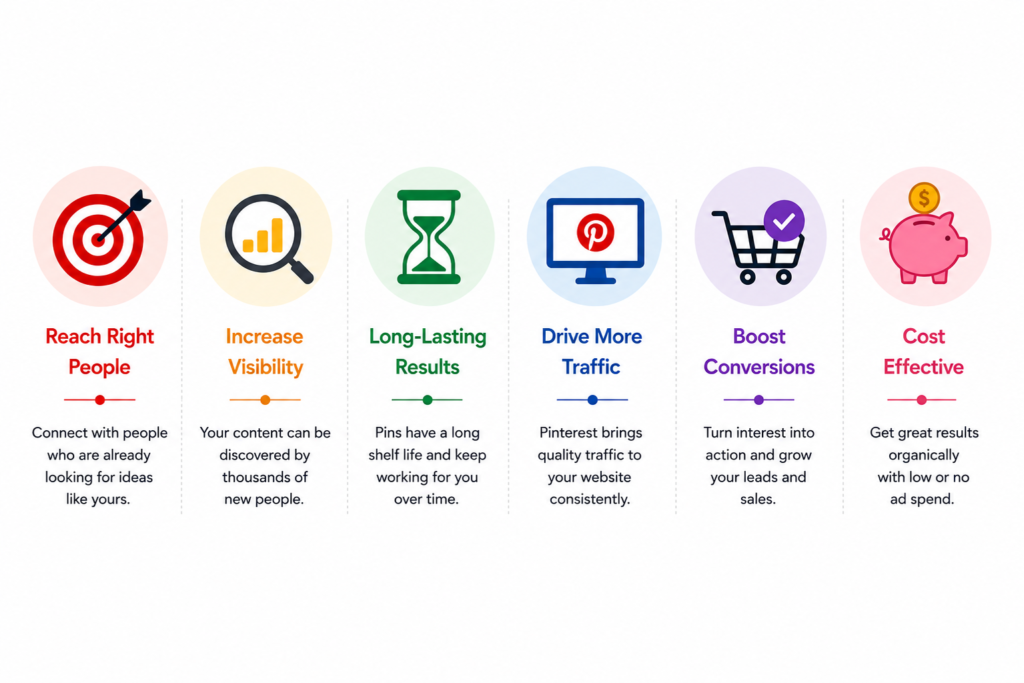
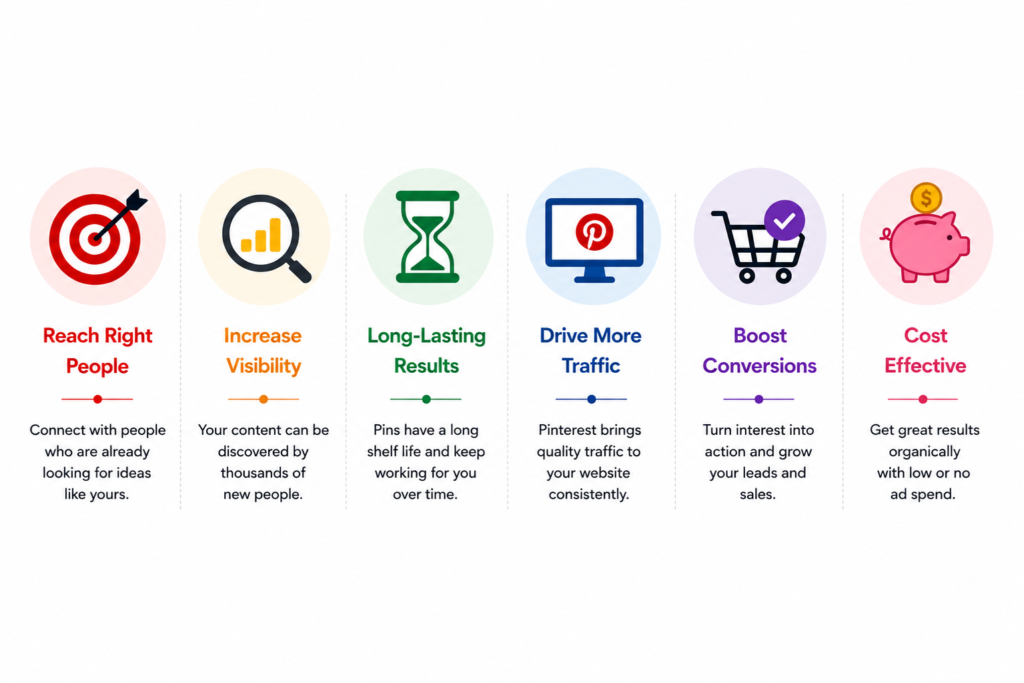
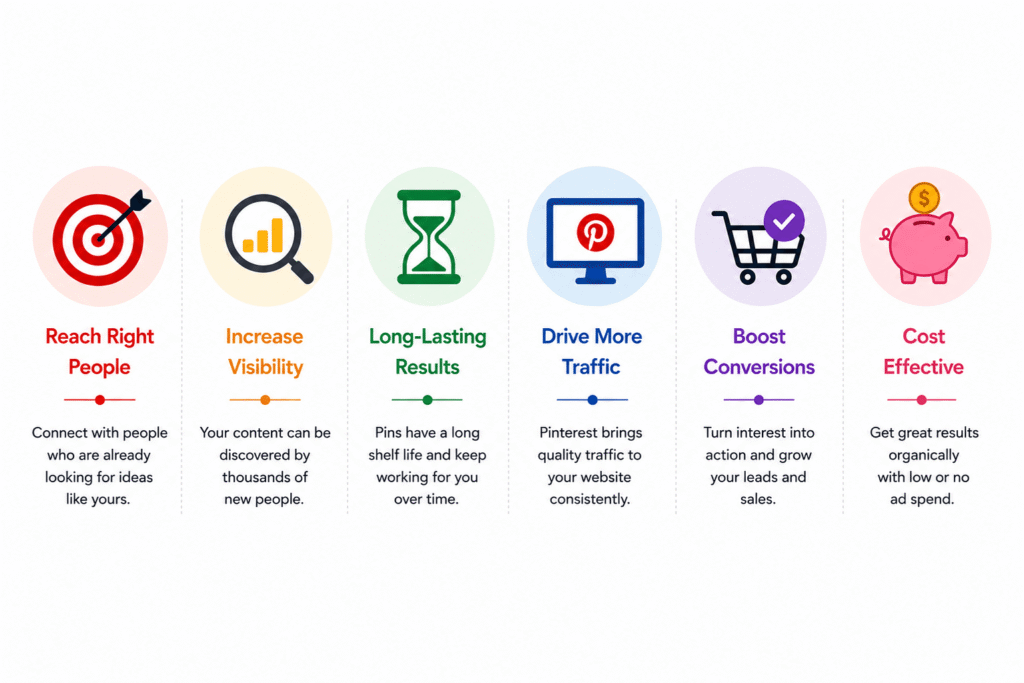
    Why Pinterest Marketing Matter

    Pinterest functions as both a social media platform and a visual search engine. Every pin has the potential to appear in search results for months or even years, unlike content on other platforms that quickly disappears from users’ feeds.

    Some major benefits of Pinterest Marketing include:

    • Increased website traffic
    • Better brand visibility
    • Higher conversion rates
    • Long-lasting content visibility
    • Improved search engine rankings
    • Access to highly targeted audiences

    Businesses across industries including fashion, education, real estate, food, travel, and digital services use Pinterest to attract customers and generate consistent organic traffic.

    Marketing Automation Trends for Digital Marketing Course in Kochi1. Create High-Quality, Shareable Content
    Instead of creating promotional posts alone, focus on providing value. Your pins should educate, inspire, or solve a problem for your audience.

    Tips for creating engaging Pinterest content:

    • Design attractive vertical graphics
    • Use high-resolution images
    • Create helpful blog graphics
    • Share step-by-step guides
    • Publish infographics
    • Create short educational videos
    • Showcase customer success stories

    Every pin should include a compelling title, an engaging description, and a clear call-to-action encouraging users to visit your website.

    Consistency is equally important. Posting fresh content regularly helps increase visibility and keeps your audience engaged.

    2. Optimize Every Pin with SEO Keywords

    Pinterest is a visual search engine, so using the right keywords is essential for better visibility. Add relevant keywords naturally to your Pin titles, descriptions, board names, image file names, and blog titles.

    Focus on keywords like Pinterest Marketing, Pinterest SEO, Pinterest Strategy, and Social Media Marketing. Avoid keyword stuffing—write clear, engaging descriptions that explain the value of your content. You can also use a few relevant hashtags to improve discoverability.


    3. Optimize Your Website for Pinterest Traffic

    Driving visitors from Pinterest is only half the job. Your website should be optimized to convert those visitors into leads or customers.

    A well-optimized website improves user experience while also supporting your overall SEO strategy.

    Website optimization tips:

    Add Save Buttons

    Install Pinterest Save buttons on your blog posts and product pages so visitors can easily pin your content.

    Improve Page Speed

    Slow-loading websites often experience higher bounce rates. Compress images, enable browser caching, and optimize your site’s performance.

    Mobile Optimization

    Most Pinterest users browse on mobile devices. Ensure your website offers a seamless mobile experience.

    Use SEO Best Practices

    Optimize:

    • Meta titles
    • Meta descriptions
    • Header tags
    • Internal links
    • Image alt text

    These improvements help both Google and Pinterest understand your content better.

    4. Use High-Quality Visuals That Stand Out

    Pinterest is built around visual discovery, making image quality one of the most important factors in successful Pinterest Marketing.

    Your visuals should instantly capture attention while communicating your message clearly.

    Best practices for Pinterest graphics:

    • Use vertical images (2:3 ratio)
    • Include readable text overlays
    • Maintain consistent brand colors
    • Add your logo subtly
    • Use professional photography whenever possible

    If you don’t have original images, use high-quality licensed stock photos or create custom graphics using tools like Canva or Adobe Express.

    Infographics, tutorials, checklists, before-and-after images, and product demonstrations often receive higher engagement than simple promotional graphics.

    Videos are also becoming increasingly popular on Pinterest, making them an excellent addition to your content strategyPinterest Marketing Digital Marketing Course in Kochi5. Analyze Performance and Improve Your Strategy

    Successful Pinterest marketing requires regular tracking and optimization. Use Pinterest Analytics to monitor key metrics like impressions, saves, outbound clicks, engagement rate, top-performing Pins, and audience demographics.

    Analyzing this data helps you identify what content performs best, which keywords drive traffic, and which designs engage your audience. By making data-driven improvements, you can continuously refine your strategy and achieve better long-term business growth.

    Additional Pinterest Marketing Tips

    To maximize your success, consider these extra strategies:

    Create Multiple Boards

    Organize your content into specific categories relevant to your business. This improves user experience and helps Pinterest understand your content.

    Enable Rich Pins

    Rich Pins automatically pull additional information from your website, making your content more informative and trustworthy.

    Pin Consistently

    Consistency matters more than volume. Scheduling tools can help you maintain regular posting.

    Engage with Your Community

    Follow relevant accounts, save useful content, and interact with others in your industry to increase your visibility.

    Promote Seasonal Content

    Pinterest users often search for seasonal ideas weeks or even months before holidays and events. Publish seasonal content early to maximize exposure.

    Common Pinterest Marketing Mistakes to Avoid

    Many businesses fail to see results because they make avoidable mistakes, including:

    • Posting low-quality images
    • Ignoring keyword optimization
    • Creating overly promotional content
    • Inconsistent posting
    • Not tracking analytics
    • Using generic board names
    • Failing to optimize landing pages

    Avoiding these mistakes can significantly improve your Pinterest Marketing performance. 

    Conclusion

    Pinterest is more than a social platform—it’s a powerful visual search engine that can drive long-term traffic, leads, and sales. A successful Pinterest Marketing strategy combines high-quality visuals, keyword optimization, consistent posting, and performance tracking.

    By following these best practices, you can grow your brand, reach new audiences, and achieve sustainable business growth with Pinterest.

    Tags :
    digitdal marketing strategy
    Author : Avigna

    Freelance Digital Marketer passionate about helping businesses grow through SEO, content marketing, and data-driven digital strategies.

    Learner of DigiSkillz, Digital Marketing Institute in Kochi.

  • Best Marketing Automation Trends to Watch in 2026

    Best Marketing Automation Trends to Watch in 2026

    Marketing Automation Trends for Digital Marketing Course in Kochi

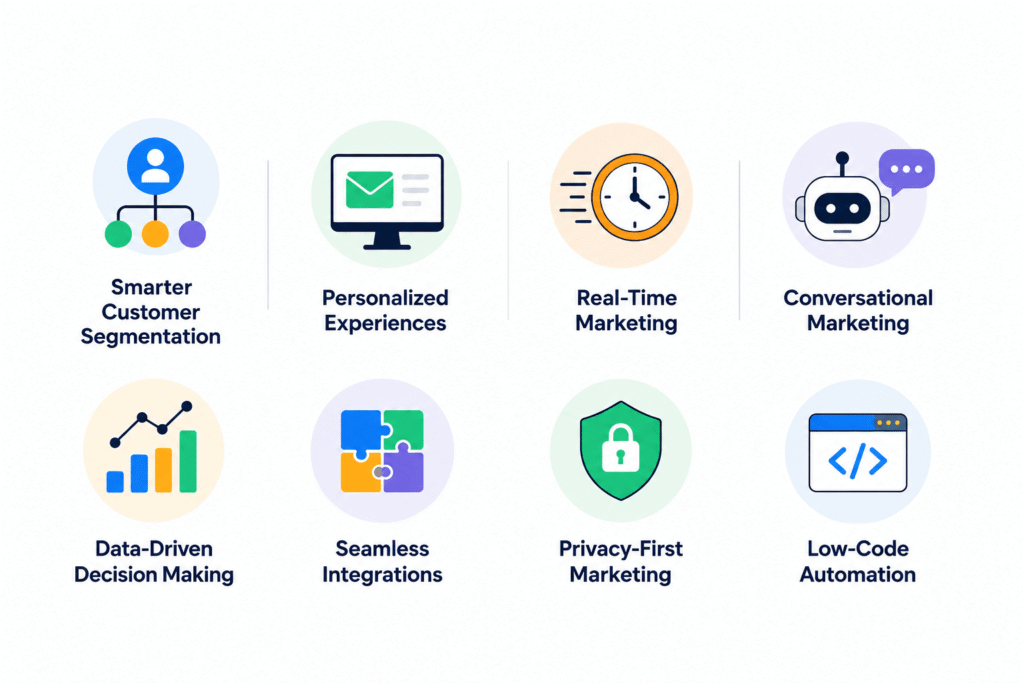
    Marketing automation has transformed the way businesses connect with customers. As technology continues to evolve, brands are adopting smarter tools to improve customer engagement, increase conversions, and streamline marketing campaigns. Staying updated with the latest Marketing Automation Trends is essential for businesses that want to remain competitive in today’s digital landscape.

    From artificial intelligence to advanced personalization and data-driven decision-making, marketing automation is becoming more intelligent and efficient than ever before. In this article, we’ll explore the top Marketing Automation Trends that are shaping the future of digital marketing.

    Marketing Automation Trends for Digital Marketing Course in Kochi

    1. AI-Powered Marketing Automation

    Artificial Intelligence (AI) is one of the biggest Marketing Automation Trends transforming digital marketing. AI-powered tools can analyze customer behavior, predict buying patterns, and automate repetitive marketing tasks with greater accuracy.

    Businesses are now using AI to:

    • Create personalized email campaigns
    • Generate content ideas
    • Recommend products
    • Improve customer support through chatbots
    • Predict customer behavior

    AI helps marketers save time while delivering highly relevant experiences that improve customer satisfaction and increase conversions.

    2. Hyper-Personalization

    Today’s customers expect personalized experiences. Modern marketing automation platforms use customer data to deliver highly targeted messages based on browsing history, purchase behavior, interests, and demographics.

    Personalization includes:

    • Customized email campaigns
    • Personalized product recommendations
    • Dynamic website content
    • Targeted SMS marketing
    • Personalized offers and discounts

    Brands that invest in personalization often experience higher engagement, better customer loyalty, and improved sales.

    3. Customer Data Platforms (CDPs)

    Customer data has become one of the most valuable business assets. A Customer Data Platform (CDP) collects information from multiple channels and creates a unified customer profile.

    This allows marketers to:

    • Understand customer journeys
    • Segment audiences accurately
    • Deliver consistent messaging
    • Improve campaign performance
    • Create personalized marketing strategies

    One of the fastest-growing Marketing Automation Trends is integrating automation tools with CDPs to deliver a seamless customer experience

    4. Omnichannel Marketing Automation

    Marketing Automation Trends for Digital Marketing Course in Kochi

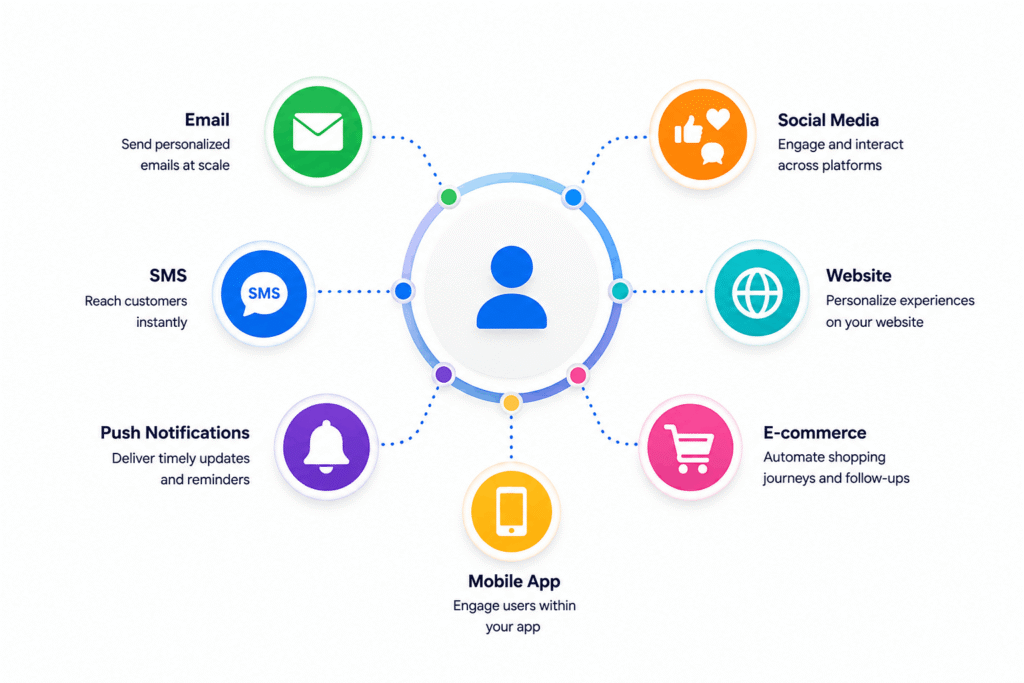
    Customers interact with brands through multiple platforms, including websites, email, social media, messaging apps, and mobile applications. Businesses now need to provide a consistent experience across every touchpoint.

    Marketing automation platforms allow companies to automate campaigns across:

    • Email Marketing
    • Social Media
    • SMS Marketing
    • Push Notifications
    • WhatsApp Marketing
    • Websites

    Omnichannel automation helps businesses maintain consistent communication while improving customer engagement throughout the buying journey.

    5. Data-Driven Marketing and Analytics

    Successful marketing decisions are no longer based on guesswork. Businesses are increasingly relying on analytics to measure campaign performance and optimize their marketing strategies.

    Important metrics include:

    • Conversion Rate
    • Click-Through Rate (CTR)
    • Customer Lifetime Value
    • Return on Investment (ROI)
    • Lead Conversion Rate
    • Customer Engagement

    By analyzing performance data, businesses can continuously improve their marketing campaigns and maximize their return on investment.

    Benefits of Following Marketing Automation Trends

    Keeping up with the latest Marketing Automation Trends offers several advantages:

    • Improves marketing efficiency
    • Saves time by automating repetitive tasks
    • Delivers personalized customer experiences
    • Increases lead generation
    • Boosts customer retention
    • Enhances campaign performance
    • Provides valuable customer insights
    • Maximizes marketing ROI

    Businesses that embrace automation can focus more on strategy and creativity while technology handles repetitive processes.

    Best Marketing Automation Tools

    Several powerful tools help businesses implement marketing automation effectively:

    • HubSpot
    • Mailchimp
    • ActiveCampaign
    • Brevo (formerly Sendinblue)
    • Klaviyo
    • Salesforce Marketing Cloud
    • Zoho Marketing Automation

    These platforms provide features such as email automation, CRM integration, lead nurturing, analytics, workflow automation, and customer segmentation.

    How to Get Started with Marketing Automation

    If you’re new to automation, follow these simple steps:

    1. Define your marketing goals.
    2. Choose the right automation platform.
    3. Build customer segments.
    4. Create personalized workflows.
    5. Monitor campaign performance.
    6. Optimize campaigns based on analytics.

    Starting with small automation workflows allows businesses to gradually scale their marketing efforts while maintaining quality customer interactions.

    conclusion

    Marketing automation continues to evolve rapidly, making it an essential part of every successful digital marketing strategy. From AI-powered automation and hyper-personalization to customer data platforms and omnichannel marketing, these Marketing Automation Trends are helping businesses deliver better customer experiences while improving efficiency and ROI.

    Companies that invest in the latest automation technologies will be better positioned to attract new customers, strengthen relationships, and drive long-term business growth. By adopting these trends and continuously optimizing your campaigns, you can stay ahead of the competition and maximize your marketing success.

    Tags :
    digitdal marketing strategy
    Author : Sonappan

    Freelance Digital Marketer passionate about helping businesses grow through SEO, content marketing, and data-driven digital strategies.

    Learner of DigiSkillz, Digital Marketing Institute in Kochi.

  • Marketing vs Branding: Key Differences Every Business Should Know

    Marketing vs Branding: Key Differences Every Business Should Know

    Digital marketing course in kochi marketing vs branding

    In today’s competitive business world, many people use the terms marketing and branding interchangeably. Although they work together to help businesses grow, they are not the same. Understanding marketing vs branding is essential for entrepreneurs, business owners, marketers, and students who want to build successful businesses and strong customer relationships.

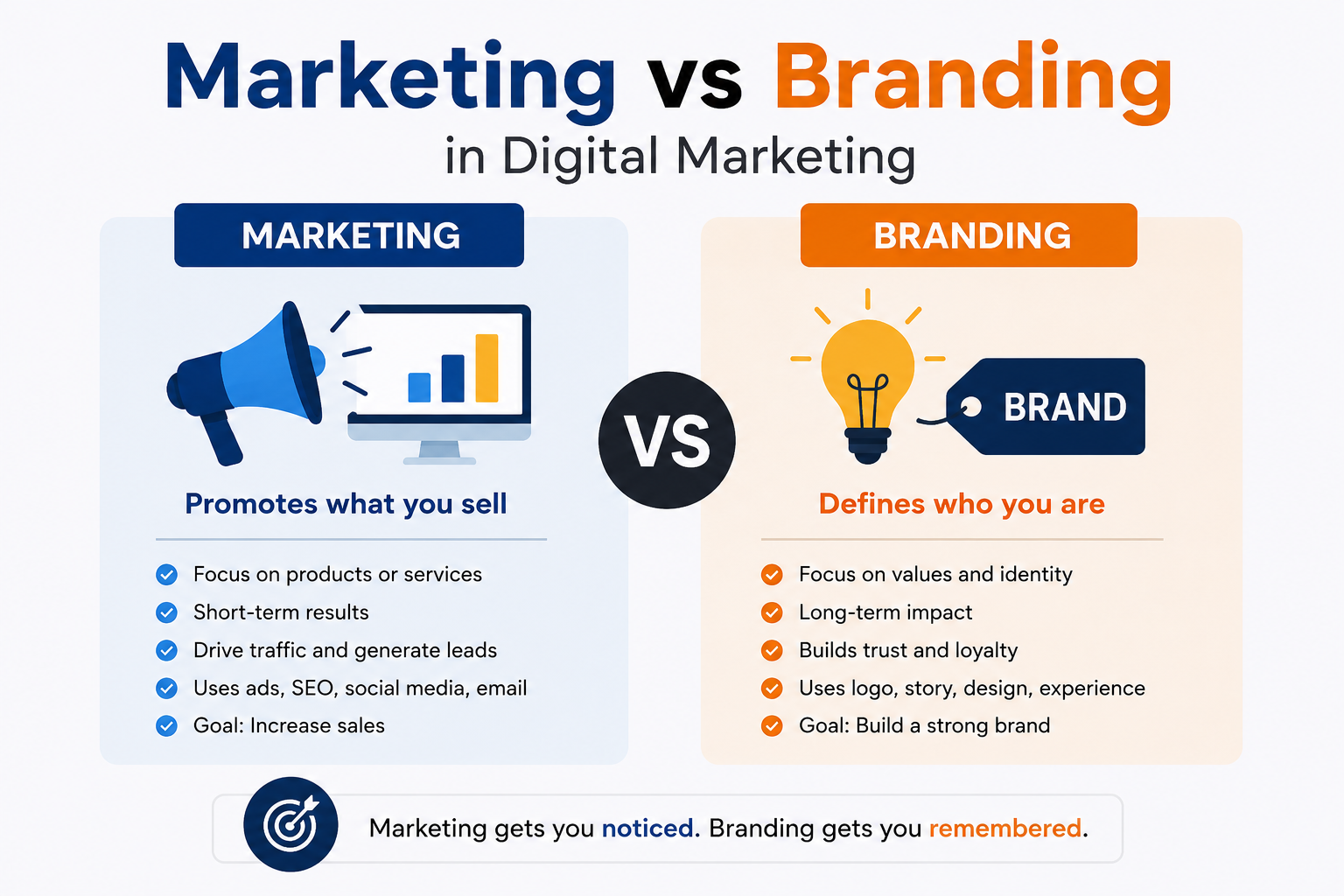
    Marketing focuses on promoting products or services to generate leads and increase sales. Branding, on the other hand, is about creating a unique identity and building trust that keeps customers coming back. A business may run excellent marketing campaigns, but without strong branding, it can struggle to create lasting customer loyalty.

    This guide explains the major differences between marketing and branding, their goals, strategies, benefits, and why businesses need both for long-term success.

    What is Marketing?  

    When discussing marketing vs branding, marketing represents the promotional side of a business. It includes advertising, SEO, social media marketing, content marketing, and paid campaigns that help attract potential customers and increase conversions.

    The primary objective of marketing is to increase awareness, generate leads, and boost revenue. Marketing campaigns are often designed for short-term goals and can be adjusted quickly based on customer behavior and market trends.

    Some common marketing strategies include:

    • Search Engine Optimization (SEO)
    • Pay-Per-Click (PPC) Advertising
    • Social Media Marketing
    • Email Marketing
    • Content Marketing
    • Influencer Marketing
    • Video Marketing
    • Affiliate Marketing

    Successful marketing helps businesses reach the right audience at the right time while maximizing return on investment (ROI).Before exploring each concept individually, it’s important to understand how marketing vs branding contributes to overall business growth.

    What is Branding?

    Branding is the process of creating a unique identity that differentiates a business from its competitors. It shapes how customers perceive a company and influences their emotional connection with the brand.

    A strong brand includes more than just a logo or color scheme. It represents the company’s values, mission, personality, customer experience, and reputation.

    Branding helps businesses:

    • Build trust with customers
    • Increase brand recognition
    • Create emotional connections
    • Encourage customer loyalty
    • Stand out in competitive markets

    Unlike marketing, branding is a long-term investment. While marketing attracts customers, branding ensures they remember and return to your business.

    Marketing vs Branding: Understanding the Difference

    The comparison between marketing vs branding becomes easier when you understand that marketing drives customer acquisition, while branding strengthens customer retention. Both are essential for sustainable business growth.

    Marketing focuses on driving immediate sales through promotional activities. Branding focuses on building a lasting reputation that influences purchasing decisions over time.

    Think of branding as the personality of your business and marketing as the communication strategy that introduces that personality to the world.

    For example, a digital marketing campaign may attract visitors to your website, but a strong brand convinces them to trust your company and become loyal customers.

    digital marketing course in kochi marketing vs branding

    Key Differences Between Marketing and Branding

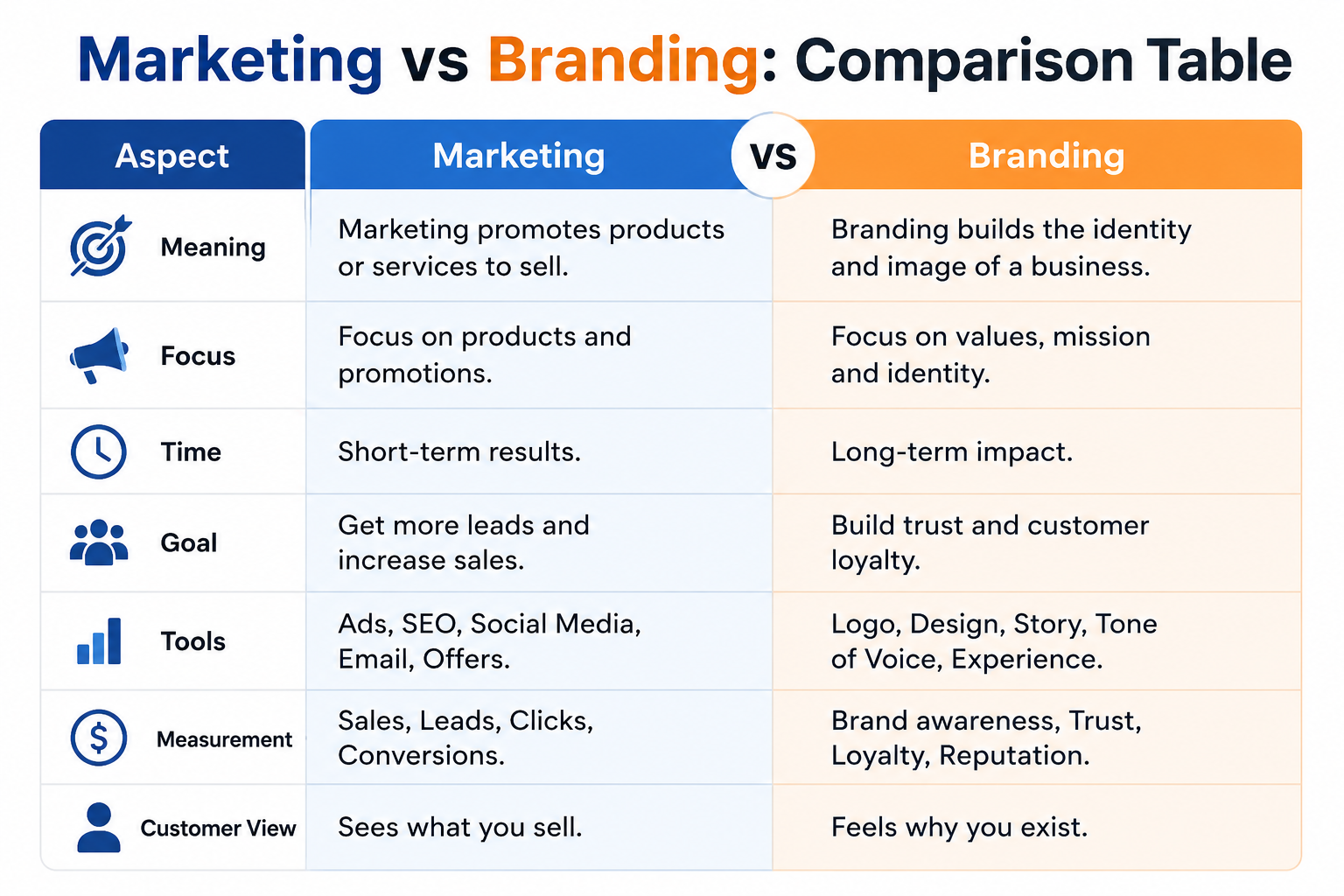
    Comparing marketing vs branding helps businesses understand how promotional activities and brand identity work together.

    1. Purpose

    Marketing aims to generate leads, increase sales, and grow revenue through promotional activities.

    Branding aims to create trust, credibility, and long-term customer relationships by establishing a memorable business identity.

    2. Timeframe

    Marketing campaigns usually have short-term objectives. They may run for a few weeks or months depending on business goals.

    Branding is a continuous process that develops over many years through consistent customer experiences and communication.

    3. Focus

    Marketing focuses on products, services, pricing, promotions, and customer acquisition.

    Branding focuses on company values, mission, identity, customer perception, and emotional connection.

    4. Success Metrics

    Marketing performance is measured using data such as:

    • Website traffic
    • Conversion rates
    • Lead generation
    • Click-through rates
    • Return on investment (ROI)
    • Sales revenue

    Branding success is measured through:

    • Brand awareness
    • Customer loyalty
    • Brand recognition
    • Customer trust
    • Reputation
    • Customer retention

    Why Marketing and Branding Work Together

    Many businesses mistakenly believe they only need marketing to succeed. In reality, marketing and branding are most effective when they work together.

    Imagine spending thousands of dollars on advertisements. Your campaigns may attract visitors, but if your business lacks credibility, customers are unlikely to make a purchase.

    Similarly, a business with an excellent brand but no marketing strategy may struggle to reach new customers.

    Marketing creates visibility.

    Branding builds trust.

    Together, they create sustainable business growth.

    Marketing vs Branding in Digital Marketing

    Digital marketing has made the relationship between marketing and branding even more important.

    Businesses now interact with customers through websites, search engines, social media platforms, email campaigns, YouTube, and online advertisements. Every interaction contributes to both marketing performance and brand perception.

    For example:

    • SEO improves website visibility.
    • Content marketing builds authority.
    • Social media strengthens brand personality.
    • Email marketing nurtures customer relationships.
    • PPC advertising generates immediate leads.
    • Online reviews improve brand trust.

    A successful digital strategy combines these elements to create both short-term results and long-term brand value.

    Common Marketing Channels

    Businesses today use multiple channels to reach their audience, including:

    • Google Search
    • Facebook and Instagram Ads
    • LinkedIn Marketing
    • YouTube Marketing
    • Email Campaigns
    • Content Marketing
    • Search Engine Optimization (SEO)
    • Influencer Marketing
    • Affiliate Marketing
    • Mobile Marketing

    Choosing the right channels depends on your target audience, business goals, and budget.

    How to Build a Strong Branding Strategy
    A successful branding strategy helps businesses create a memorable identity and establish long-term relationships with customers. Here are the key steps to building a strong brand:

    1. Define Your Brand Identity

    Start by identifying your mission, vision, values, and unique selling proposition (USP). These elements form the foundation of your brand and communicate what your business stands for.

    2. Know Your Target Audience

    Understanding your audience is essential for both marketing and branding. Research their demographics, interests, challenges, and purchasing behavior to create messaging that resonates with them.

    3. Create a Consistent Brand Voice

    Your communication style should remain consistent across your website, social media, advertisements, emails, and customer support. A consistent tone strengthens brand recognition and builds trust.

    4. Design a Memorable Visual Identity

    Your logo, typography, color palette, and website design should reflect your brand personality. A professional and consistent visual identity makes your business instantly recognizable.

    5. Deliver Excellent Customer Experience

    Every customer interaction shapes your brand. Providing exceptional products, services, and support encourages positive reviews, repeat business, and word-of-mouth referrals.

    Marketing vs Branding: Comparison Table

    Digital marketing course in kochi marketing vs branding

    Real-World Example of Marketing vs Branding

    Imagine two coffee shops opening in the same neighborhood.

    The first coffee shop spends heavily on social media ads and promotional offers. Customers visit because of the discounts, but many don’t return once the offers end.

    The second coffee shop invests in creating a welcoming atmosphere, consistent branding, friendly service, quality products, and an engaging online presence. Customers remember the experience, recommend it to friends, and become loyal visitors.

    The first business relied mainly on marketing.

    The second combined effective marketing with strong branding.

    This example highlights why marketing vs branding is not a competition. The most successful businesses integrate both strategies to achieve sustainable growth.

    This example clearly demonstrates why marketing vs branding should be treated as complementary strategies rather than competing concepts.

    Common Mistakes Businesses Make Digital marketing course in kochi marketing vs branding

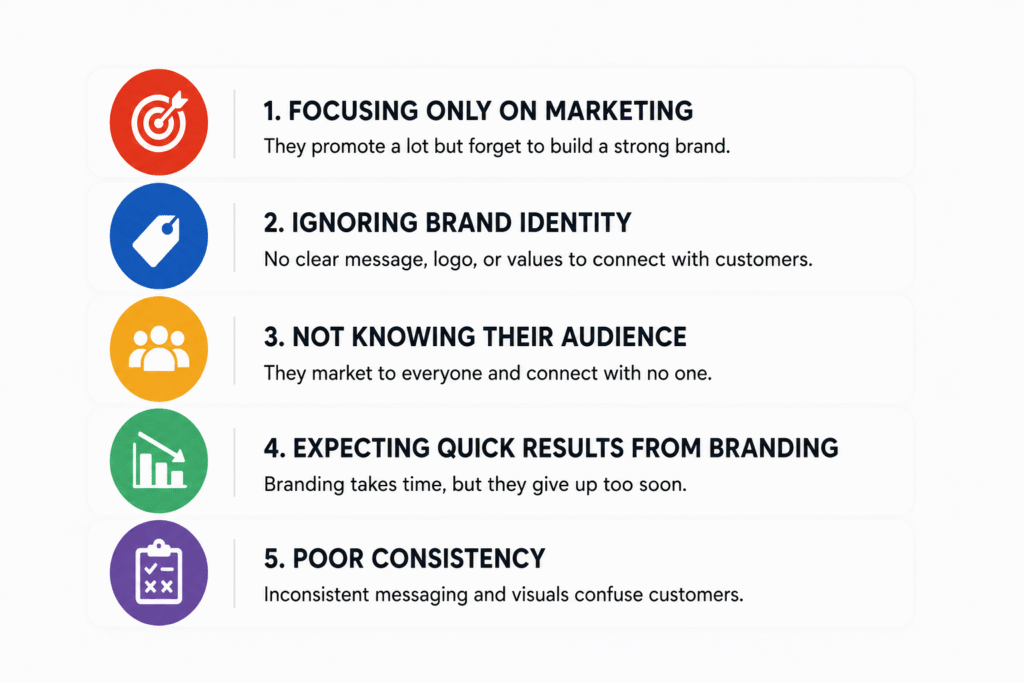
    Many businesses struggle because they misunderstand the relationship between marketing and branding. Some common mistakes include:

    • Running advertising campaigns without a clear brand identity.
    • Frequently changing logos, colors, or messaging.
    • Focusing only on sales instead of customer relationships.
    • Ignoring customer feedback and online reviews.
    • Creating inconsistent content across different platforms.
    • Investing in branding but neglecting marketing efforts.

    Avoiding these mistakes helps businesses build credibility and maximize the impact of their marketing campaigns.Many businesses fail because they misunderstand marketing vs branding and focus on one while ignoring the other.

    Best Practices for Combining Marketing and Branding

    To achieve long-term success, businesses should integrate marketing and branding into a single strategy.

    Some best practices include:

    • Maintain consistent messaging across all marketing channels.
    • Create valuable, informative content that reflects your brand values.
    • Invest in SEO to increase organic visibility.
    • Use social media to engage with your audience and strengthen relationships.
    • Monitor marketing performance using analytics.
    • Collect customer feedback to improve both your marketing and branding efforts.
    • Continuously adapt your marketing strategies while maintaining a consistent brand identity.

    Why Both Marketing and Branding Matter

    Businesses often ask whether marketing or branding is more important. The truth is that both are essential.

    Marketing helps businesses reach new audiences, generate leads, and increase revenue.

    Branding transforms first-time buyers into loyal customers by creating trust, credibility, and emotional connections.

    Without marketing, potential customers may never discover your business.

    Without branding, customers may forget your business after making a purchase.

    The most successful companies combine strategic marketing with strong branding to create sustainable growth and long-term customer loyalty.

    Frequently Asked Questions

    Is marketing the same as branding?

    No. Marketing promotes products and services to generate sales, while branding builds a company’s identity, reputation, and customer trust.

    Which comes first: marketing or branding?

    Branding should come first. A strong brand identity provides the foundation for effective marketing campaigns and consistent communication.

    Can a business succeed with marketing alone?

    Marketing can generate short-term sales, but long-term success requires strong branding to build customer loyalty and brand recognition.

    Why is branding important in digital marketing?

    Branding creates consistency across websites, social media, email campaigns, and online advertisements. It improves trust, recognition, and customer engagement.

    Conclusion

    Understanding marketing vs branding is essential for building a successful business. Whether you are a student, entrepreneur, or business owner, understanding marketing vs branding gives you a competitive advantage. Although they serve different purposes, they complement each other and work best when combined.

    Marketing helps attract potential customers through promotional strategies, advertising, SEO, content marketing, and digital campaigns. Branding builds the trust, credibility, and emotional connection that encourages customers to stay loyal and recommend your business to others.

    Whether you’re launching a startup, managing an established company, or learning digital marketing, investing in both marketing and branding will create stronger customer relationships, improve business visibility, and support long-term growth.

    By developing a consistent brand identity and implementing effective marketing strategies, businesses can stand out in competitive markets and achieve lasting success. Mastering marketing vs branding allows businesses to create effective campaigns while building a strong and memorable brand. 

    Tags :
    digitdal marketing strategy
    Author : Sneha

    Freelance Digital Marketer passionate about helping businesses grow through SEO, content marketing, and data-driven digital strategies.

    Learner of DigiSkillz, Digital Marketing Institute in Kochi.

  • How to Keep Up with the Latest Social Media Trends in 2026

    How to Keep Up with the Latest Social Media Trends in 2026

    Social Media Trends in Digital Marketing Course in Kochi

    Social media is constantly evolving, making it one of the most dynamic channels in digital marketing. Every year, new platforms, technologies, and user behaviors reshape how businesses connect with their audiences. Keeping up with the latest Social Media Trends is essential for brands that want to increase engagement, build customer relationships, and stay ahead of the competition.

    Whether you’re a business owner, marketer, content creator, or entrepreneur, understanding current Social Media Trends will help you create more effective marketing strategies and maximize your online presence.

    1. Short-Form Video Continues to Dominate

    Social Media Trends in Digital Marketing Course in Kochi

    Short-form videos remain one of the biggest Social Media Trends. Platforms like TikTok, Instagram Reels, and YouTube Shorts continue to capture users’ attention with engaging, bite-sized content.

    Businesses can benefit by creating:

    • Product demonstrations
    • Behind-the-scenes videos
    • Educational content
    • Customer testimonials
    • Quick tutorials

    Video content generates higher engagement, improves brand visibility, and increases audience retention.

    2. AI-Powered Content CreationSocial Media Trends in Digital Marketing Course in Kochi

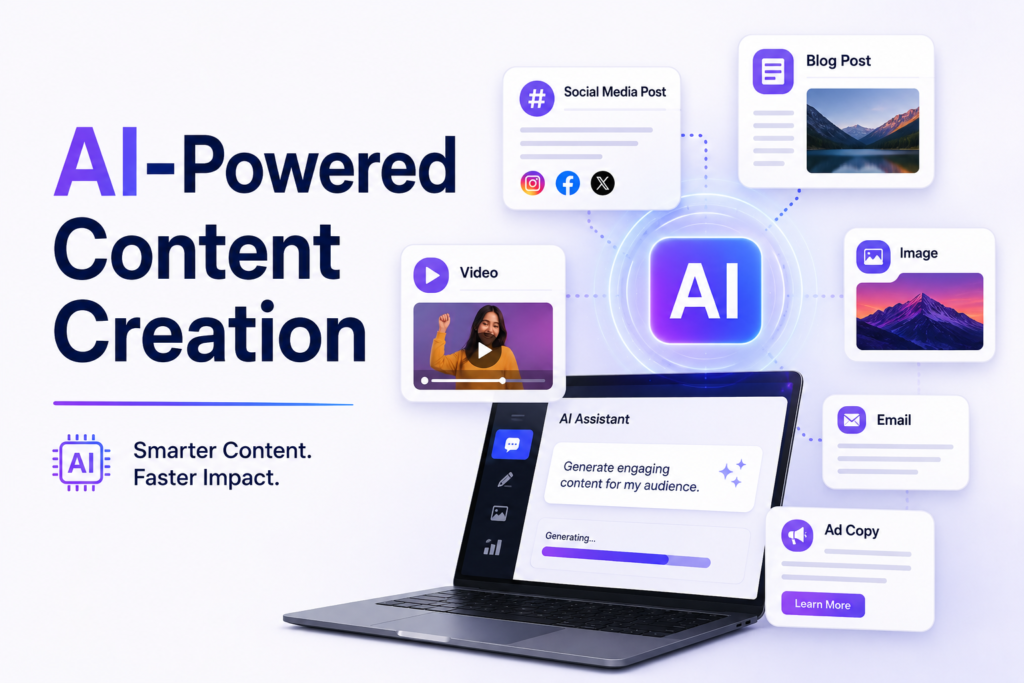
    Artificial Intelligence has become an essential part of social media marketing. AI tools help businesses create content faster while improving personalization and efficiency.

    Popular uses of AI include:

    • Writing captions
    • Creating social media posts
    • Generating images
    • Content scheduling
    • Audience analysis
    • Chatbots for customer support

    AI enables marketers to save time while producing high-quality, relevant content.

    3. User-Generated Content Builds Trust

    User-generated content (UGC) continues to be one of the most effective Social Media Trends for increasing credibility. Customers trust content created by real users more than traditional advertisements.

    Examples of UGC include:

    • Customer reviews
    • Product photos
    • Unboxing videos
    • Testimonials
    • Social media mentions

    Encouraging customers to share their experiences helps businesses build stronger communities and improve brand trust.

    4. Influencer Marketing Keeps Growing

    Influencer marketing continues to deliver excellent results for businesses of all sizes. Instead of focusing only on celebrity influencers, many brands are partnering with micro and nano influencers who have highly engaged audiences.

    Benefits include:

    • Greater authenticity
    • Better audience engagement
    • Increased brand awareness
    • Higher conversion rates
    • Cost-effective campaigns

    Choosing influencers who align with your brand values leads to stronger customer relationships.

    5. Social Commerce Becomes Mainstream

    Shopping directly through social media platforms has become increasingly popular. Consumers can now discover products, read reviews, and complete purchases without leaving the app.

    Popular social commerce platforms include:

    • Instagram Shop
    • Facebook Shop
    • TikTok Shop
    • Pinterest Shopping

    Businesses that integrate shopping features into their social media strategy can improve customer convenience and increase sales.

    6. Personalized Customer Engagement

    Modern consumers expect personalized interactions. Brands are using customer data to deliver tailored recommendations, targeted advertisements, and customized messaging.

    Personalization includes:

    • Product recommendations
    • Personalized offers
    • Targeted advertising
    • Customized email campaigns
    • Interactive customer support

    Providing relevant experiences helps increase customer satisfaction and loyalty.

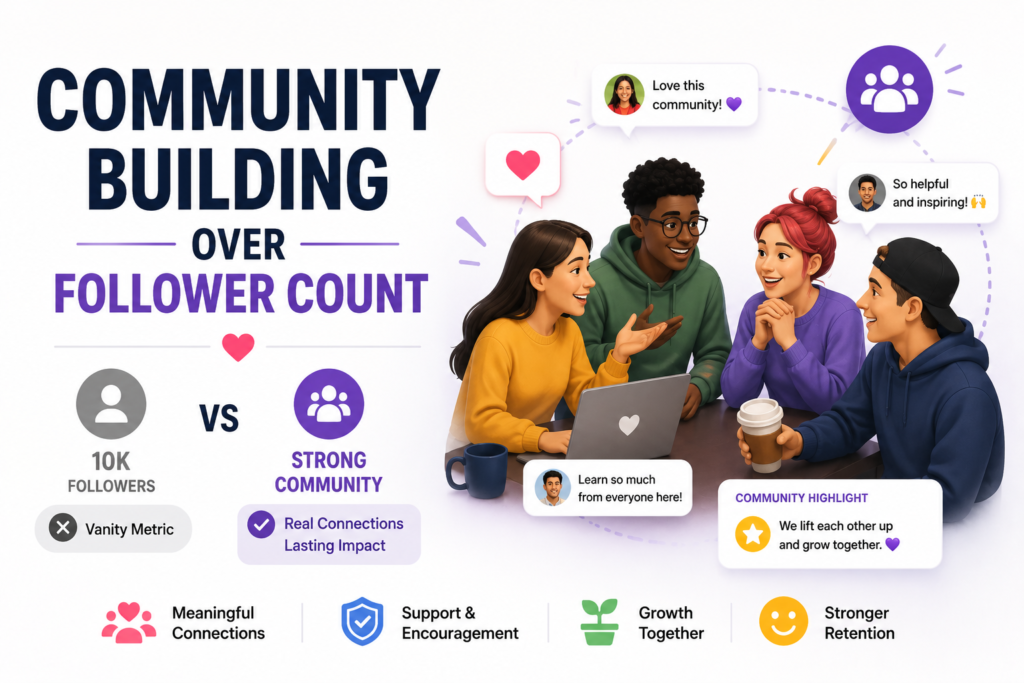
    7. Community Building Over Follower Count

    Social Media Trends in Digital Marketing Course in Kochi

    One of the newest Social Media Trends is focusing on building engaged communities instead of simply increasing followers.

    Businesses should:

    • Respond to comments
    • Host live sessions
    • Create interactive polls
    • Encourage discussions
    • Share user stories

    Strong communities improve customer retention and create long-term brand advocates.

    Benefits of Following Social Media Trends

    Keeping up with Social Media Trends offers several advantages:

    • Improves brand visibility
    • Increases audience engagement
    • Builds customer trust
    • Generates quality leads
    • Boosts website traffic
    • Supports higher conversion rates
    • Strengthens brand loyalty
    • Helps businesses stay competitive

    Adapting to new trends ensures your marketing strategy remains relevant in a rapidly changing digital environment.

    Best Tools for Social Media Marketing

    The right tools can simplify content creation and management. Popular social media marketing tools include:

    • Canva
    • Buffer
    • Hootsuite
    • Meta Business Suite
    • Sprout Social
    • Later
    • Google Analytics

    These platforms help businesses schedule content, analyze performance, monitor engagement, and optimize campaigns.

    How to Stay Updated with Social Media Trends

    Follow these best practices to stay ahead:

    1. Monitor industry blogs and marketing news.
    2. Follow platform updates regularly.
    3. Analyze competitor strategies.
    4. Experiment with new content formats.
    5. Track performance using analytics.
    6. Adapt your strategy based on audience behavior.

    Continuous learning and testing are essential for long-term success in social media marketing.

    Conclusion

    The digital landscape changes rapidly, making it essential for businesses to stay informed about the latest Social Media Trends. From short-form video and AI-powered content creation to influencer marketing, user-generated content, and social commerce, these trends are shaping the future of online marketing.

    By embracing these Social Media Trends and consistently adapting your strategy, you can improve engagement, strengthen customer relationships, increase brand awareness, and achieve sustainable business growth in 2026 and beyond.

    Tags :
    digitdal marketing strategy
    Author : Akash

    Freelance Digital Marketer passionate about helping businesses grow through SEO, content marketing, and data-driven digital strategies.

    Learner of DigiSkillz, Digital Marketing Institute in Kochi.

  • The Importance of Real-Time Marketing in Digital Marketing

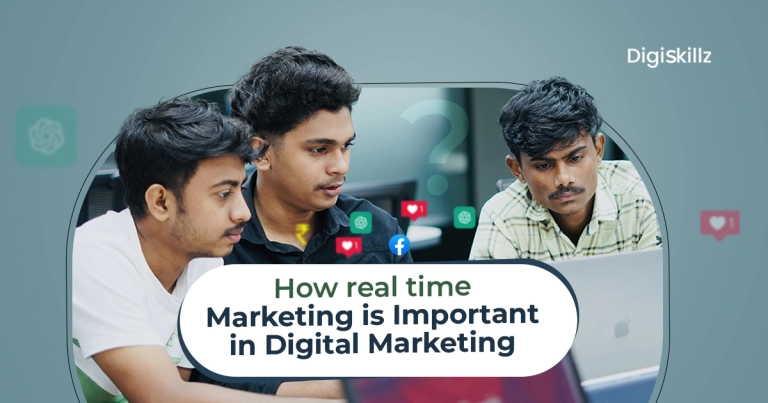
    The Importance of Real-Time Marketing in Digital Marketing

    Real-Time Marketing in Digital Marketing Course in Kochi

    In today’s fast-paced digital world, customer expectations are higher than ever. People expect brands to respond instantly, engage with trending conversations, and provide personalized experiences across multiple channels. This is where Real-Time Marketing in Digital Marketing becomes essential.

    Real-time marketing allows businesses to create and deliver relevant content based on current events, customer interactions, and live market trends. Instead of relying solely on pre-planned campaigns, brands can respond immediately to opportunities, increasing engagement, improving customer satisfaction, and building stronger relationships.

    In this article, we’ll explore the importance of Real-Time Marketing in Digital Marketing, its benefits, strategies, real-world examples, and how businesses can successfully implement it.

    Real-Time Marketing in Digital Marketing Course in Kochi

    What is Real-Time Marketing in Digital Marketing?

    Real-Time Marketing in Digital Marketing is the practice of creating and sharing marketing content based on live events, customer behavior, trending topics, or immediate feedback. It enables businesses to communicate with their audience at the right moment using real-time insights.

    Unlike traditional marketing campaigns that are scheduled weeks or months in advance, real-time marketing focuses on delivering timely and relevant content that captures audience attention instantly.

    Businesses use real-time marketing across multiple channels, including:

    • Social media
    • Email marketing
    • Live chat
    • Websites
    • Mobile apps
    • Push notifications

    By responding quickly to customer needs and market changes, brands can stay relevant and competitive.

    Why is Real-Time Marketing Important in Digital Marketing?

    Consumers expect brands to be active, responsive, and relevant. Businesses that react quickly to trends and customer interactions are more likely to build trust and increase engagement.

    Some key reasons why Real-Time Marketing in Digital Marketing is important include:

    • Builds stronger customer relationships
    • Increases brand visibility
    • Improves customer satisfaction
    • Encourages higher engagement
    • Boosts conversion rates
    • Helps brands stay relevant
    • Supports faster decision-making
    • Strengthens customer loyalty

    Real-time marketing also enables businesses to identify opportunities and respond before competitors do.

    Benefits of Real-Time Marketing in Digital Marketing

    1. Better Customer Engagement

    Responding quickly to comments, messages, and customer feedback makes audiences feel heard and valued. This improves engagement and strengthens brand loyalty.

    2. Increased Brand Awareness

    Participating in trending conversations and viral topics helps businesses reach wider audiences and increase brand visibility.

    3. Improved Customer Experience

    Fast responses to customer inquiries create a positive experience that builds trust and encourages repeat business.

    4. Data-Driven Marketing Decisions

    Real-time analytics allow marketers to monitor campaign performance and make immediate improvements based on customer behavior.

    5. Competitive Advantage

    Brands that quickly adapt to changing trends can outperform competitors by delivering relevant content at the perfect moment.

    Effective Real-Time Marketing Strategies

    To succeed with Real-Time Marketing in Digital Marketing, businesses should implement the following strategies:

    Monitor Industry Trends

    Use social listening tools to track trending topics, hashtags, and customer conversations across digital platforms.

    Engage on Social Media

    Respond promptly to customer comments, reviews, and direct messages to build stronger relationships.

    Personalize Customer Communication

    Use customer data to send personalized emails, product recommendations, and promotional offers based on user behavior.

    Use Marketing Automation

    Automation tools help businesses deliver timely messages while reducing manual effort. Automated workflows ensure customers receive relevant communication at every stage of their journey.

    Track Campaign Performance

    Monitor important metrics such as:

    • Website traffic
    • Click-through rate (CTR)
    • Conversion rate
    • Customer engagement
    • Social media reach
    • Return on Investment (ROI)

    Regular analysis helps optimize future campaigns.

    Real-Time Marketing Examples

    Several global brands have successfully used Real-Time Marketing in Digital Marketing to increase engagement.

    Oreo’s Super Bowl Campaign

    During the Super Bowl power outage, Oreo quickly posted the famous “You can still dunk in the dark” message on social media. The campaign became one of the most successful examples of real-time marketing.

    Samsung’s Charger Campaign

    When Apple announced that iPhones would no longer include chargers, Samsung immediately launched social media content highlighting that its Galaxy phones still came with chargers. The campaign generated significant attention and brand awareness.

    Wendy’s Social Media Strategy

    Wendy’s is known for responding to customers with humorous, engaging posts on social media. Their real-time interactions have helped build a strong online community and increase brand recognition.

    Best Tools for Real-Time Marketing

    The right tools make real-time marketing easier and more effective.

    Popular tools include:

    • Google Analytics
    • Hootsuite
    • Buffer
    • Sprout Social
    • HubSpot
    • Mailchimp
    • Meta Business Suite
    • Google Trends

    These platforms help businesses monitor conversations, schedule content, analyze performance, and engage with audiences efficiently.

    Best Practices for Successful Real-Time Marketing

    To maximize results, follow these best practices:

    1. Monitor trends consistently.
    2. Respond quickly to customer interactions.
    3. Create relevant and engaging content.
    4. Personalize communication whenever possible.
    5. Use analytics to improve campaigns.
    6. Maintain a consistent brand voice.
    7. Prepare a crisis management plan.
    8. Test and optimize campaigns regularly.

    Consistency and speed are key to building a successful real-time marketing strategy.

    Conclusion

    Real-Time Marketing in Digital Marketing has become an essential strategy for businesses that want to stay competitive in today’s rapidly changing digital landscape. By responding to customer interactions, trending topics, and market events as they happen, brands can improve engagement, build trust, and create memorable customer experiences.

    Whether you’re a small business, startup, or established brand, investing in Real-Time Marketing in Digital Marketing can help you increase brand awareness, strengthen customer relationships, improve marketing performance, and drive long-term business growth. Businesses that embrace real-time communication and data-driven decision-making will be better positioned for success in 2026 and beyond.

    Tags :
    digitdal marketing strategy

    Author : Sana

    Freelance Digital Marketer passionate about helping businesses grow through SEO, content marketing, and data-driven digital strategies.

    Learner of DigiSkillz, Digital Marketing Institute in Kochi

  • Digital Marketing Basics: The Ultimate Beginner’s Guide to Digital Excellence

    Digital Marketing Basics: The Ultimate Beginner’s Guide to Digital Excellence

    Digital Marketing Basics Course in Kochi

    Digital technology has transformed the way we communicate, shop, learn, and do business. Today, almost every business relies on online platforms to connect with customers and build brand awareness. Understanding the Digital Marketing Basics is no longer optional—it is an essential skill for entrepreneurs, students, marketers, and business owners.Understanding digital marketing fundamentals is essential for anyone starting an online business. These digital marketing fundamentals help build a strong online presence.

    Digital marketing refers to promoting products or services using digital channels such as search engines, social media platforms, websites, email, and mobile applications. Unlike traditional marketing, digital marketing allows businesses to reach a global audience, track campaign performance, and engage with customers in real time.

    This guide explores the digital marketing fundamentals, helping beginners understand the key strategies that drive online success. 

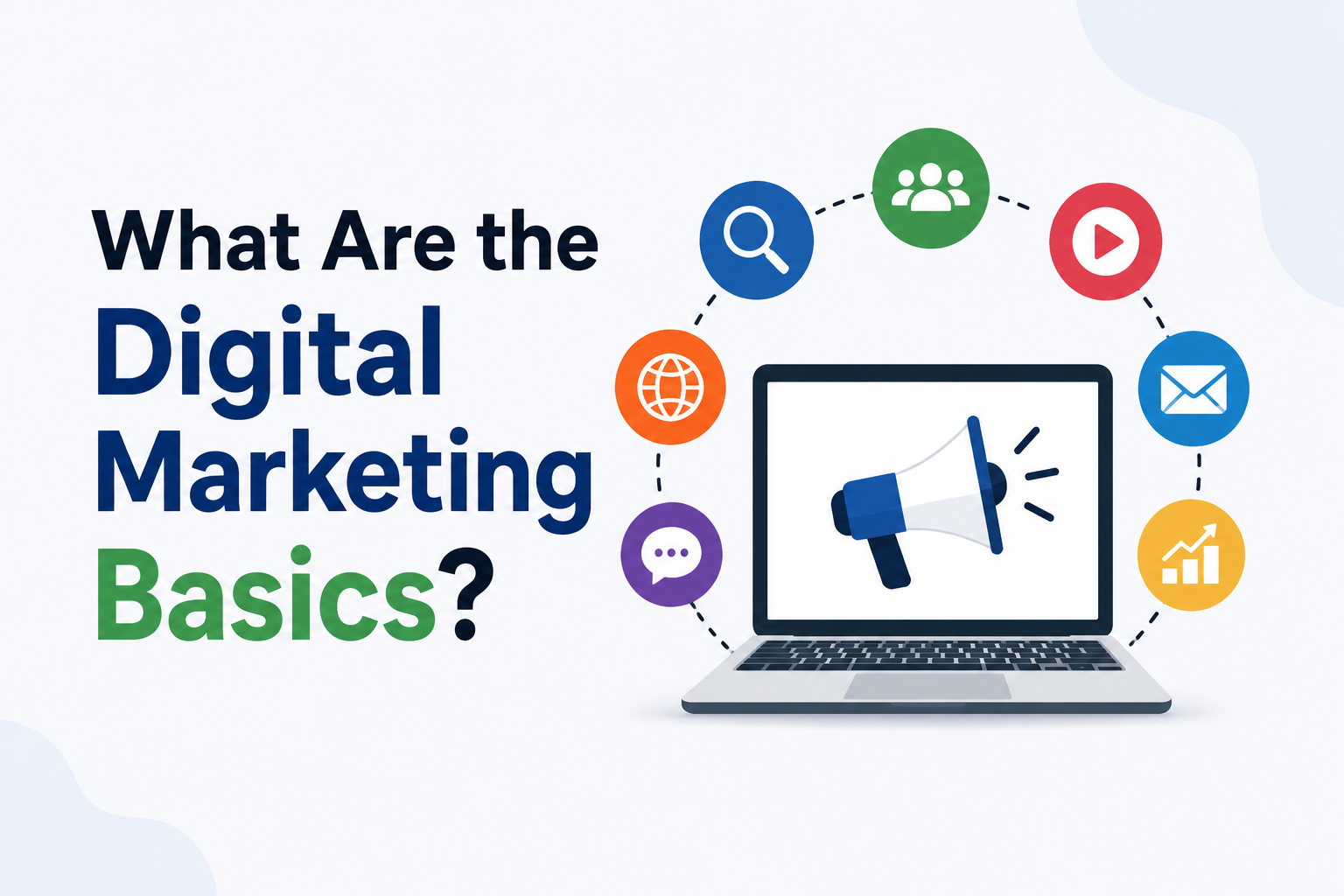
    What Are the Digital Marketing Basics? 

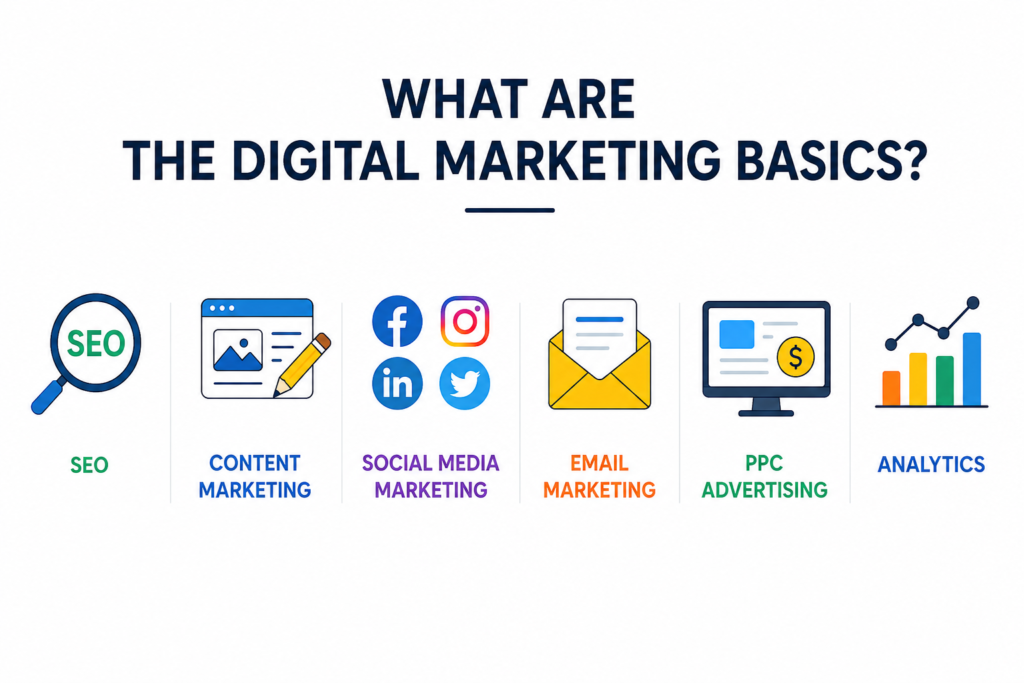
    The Digital Marketing Basics involve using online platforms and digital technologies to attract, engage, and convert potential customers. Every successful digital marketing strategy combines multiple channels to create a seamless customer experience.

    Some of the core components include:

    • Search Engine Optimization (SEO)
    • Content Marketing
    • Social Media Marketing
    • Email Marketing
    • Paid Advertising
    • Web Analytics
    • Mobile Marketing

    Each channel plays a unique role, but together they form the core of digital marketing fundamentals that drive visibility and growth.

    One of the biggest advantages of digital marketing is its ability to measure results. Businesses can monitor website traffic, customer behavior, conversions, and campaign performance, making it easier to improve marketing strategies over time.

    Building a Strong Online Presence

    A strong online presence is one of the key Digital Marketing Basics for success. Your website acts as your digital storefront and should provide visitors with a smooth, informative, and engaging experience.

    A strong online presence includes:

    • A fast and mobile-friendly website
    • Easy navigation
    • High-quality content
    • Professional branding
    • Clear calls to action
    • Secure browsing (HTTPS)

    Maintaining consistent branding across platforms is part of essential digital marketing fundamentals, helping businesses build trust and recognition. Consistency builds trust and helps customers recognize your brand wherever they find you online.

    Creating valuable content through blogs, videos, and guides further strengthens your authority in your industry while improving search engine visibility.

    The Importance of Content Marketing

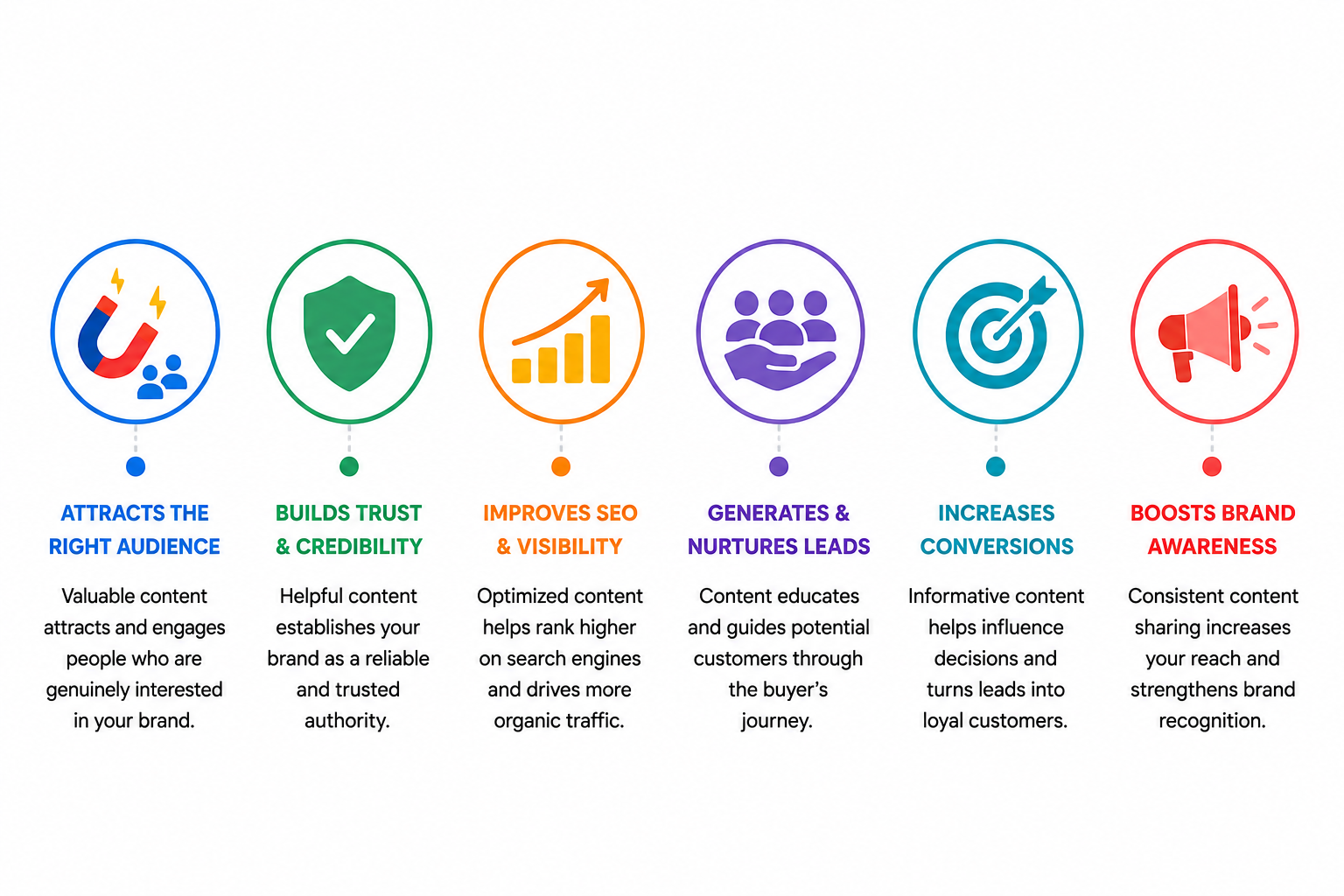
    Content marketing is one of the most effective ways to educate, attract, and retain customers. Instead of directly promoting products, businesses provide valuable information that solves customer problems.

    Popular content formats include:

    • Blog articles
    • Videos
    • Infographics
    • Case studies
    • E-books
    • Podcasts
    • Tutorials

    Quality content improves search engine rankings, encourages social sharing, and establishes credibility.

    When creating content, focus on your audience’s needs rather than simply selling your products. Helpful content builds trust and encourages visitors to return for more information.

    High-quality content improves search rankings and builds authority, making it a critical pillar of digital marketing fundamentals.

    Social Media Marketing

    Social media is another important part of the Digital Marketing Basicsy. Platforms such as Facebook, Instagram, LinkedIn, YouTube, and X (formerly Twitter) allow businesses to interact directly with their audiences.

    Effective social media marketing involves:

    • Posting valuable content consistently
    • Responding to comments and messages
    • Sharing educational and entertaining content
    • Running targeted advertising campaigns
    • Building a community around your brand

    Different platforms serve different audiences, so businesses should choose channels based on where their customers spend time.

    A strong social media strategy is a practical application of digital marketing fundamentals in real-world marketing.

    Search Engine Optimization (SEO)

    the basics of digital marketing 

    Search Engine Optimization (SEO) is one of the most important parts of the Digital marketing fundamentals.SEO helps websites appear higher in search engine results when users search for relevant information.

    SEO includes three major areas:

    On-Page SEO

    On-page SEO focuses on optimizing website content through:

    • Keyword research
    • Title tags
    • Meta descriptions
    • Internal linking
    • Image optimization
    • Proper heading structure

    Off-Page SEO

    Off-page SEO improves website authority through backlinks, brand mentions, and online reputation.

    Technical SEO

    Technical SEO ensures that search engines can easily crawl and index your website. Important factors include:

    • Website speed
    • Mobile responsiveness
    • XML sitemaps
    • Secure HTTPS connection
    • Clean website architecture

    An effective SEO strategy generates consistent organic traffic without relying entirely on paid advertising.SEO is a core part of Digital Marketing Basics because it drives long-term organic traffic.

    Email Marketing

    the basics of digital marketing 

    Despite the growth of social media, email marketing remains one of the highest ROI digital marketing channels.

    Businesses use email marketing to:

    • Welcome new subscribers
    • Share newsletters
    • Promote products
    • Announce offers
    • Recover abandoned carts
    • Build customer loyalty

    Successful email campaigns focus on personalization, audience segmentation, and delivering valuable content rather than constant promotional messages.

    Automation tools allow businesses to send timely emails based on customer behavior, making campaigns more effective while saving time.

    Understanding Digital Analytics

    the basics of digital marketing 

    One of the most valuable aspects of digital marketing is the ability to measure performance accurately. Digital analytics helps businesses understand how visitors interact with their websites and marketing campaigns. Instead of making assumptions, marketers can use real data to improve their strategies.

    Popular analytics tools such as Google Analytics provide insights into website traffic, user behavior, bounce rate, conversion rate, and audience demographics. These metrics help businesses identify which marketing channels generate the best results.

    Some important metrics include:

    • Website traffic
    • Page views
    • Average session duration
    • Conversion rate
    • Click-through rate (CTR)
    • Customer acquisition cost
    • Return on investment (ROI)

    By regularly analyzing these metrics, businesses can optimize campaigns, improve customer experiences, and make informed marketing decisions. Learning analytics is an important part of mastering the Digital marketing fundamentals because data-driven strategies consistently deliver better results.Using analytics tools is one of the most important Digital Marketing Basics for optimizing performance

    Paid Advertising: Accelerating Business Growth

    the basics of digital marketing 

    While organic marketing takes time, paid advertising offers immediate visibility. Businesses can promote their products and services through platforms like Google Ads, Facebook Ads, Instagram Ads, LinkedIn Ads, and YouTube Ads.

    Paid advertising allows businesses to target audiences based on:

    • Location
    • Age
    • Interests
    • Search behavior
    • Device type
    • Demographics

    One of the most popular paid advertising models is Pay-Per-Click (PPC), where advertisers pay only when someone clicks on their ad.

    Successful paid campaigns depend on several factors:

    • Choosing the right keywords
    • Creating compelling ad copy
    • Designing attractive landing pages
    • Setting realistic budgets
    • Continuously monitoring campaign performance

    When managed effectively, paid advertising can generate qualified leads, increase sales, and improve brand visibility much faster than organic methods alone.

    Paid campaigns rely on strong Digital Marketing Basics like targeting, budgeting, and optimization.

    Mobile Optimization for Modern Users

    the basics of digital marketing

    Today, most internet users access websites through smartphones. Because of this, mobile optimization has become an essential part of digital marketing.

    A mobile-friendly website should:

    • Load quickly
    • Display properly on all screen sizes
    • Have easy-to-read text
    • Include responsive images
    • Provide simple navigation
    • Offer fast checkout experiences

    Search engines also prioritize mobile-friendly websites when ranking search results. Businesses that ignore mobile optimization risk losing visitors, reducing engagement, and missing valuable sales opportunities.

    Responsive web design ensures users receive a consistent experience regardless of the device they use.

    This is one of the most essential Digital Marketing Basics today.

    Ethical Practices in Digital Marketing

    Building trust is one of the most valuable assets for any business. Ethical digital marketing focuses on honesty, transparency, and respect for customer privacy.

    Some important ethical practices include:

    Be Transparent

    Always provide accurate information about products, pricing, and services. Avoid misleading headlines or false promises that could damage your reputation.

    Protect Customer Data

    Collect customer information responsibly and comply with privacy regulations. Clearly explain how personal information will be used and always obtain user consent.

    Avoid Misleading Advertising

    Honest advertising creates stronger customer relationships. Businesses should avoid exaggerated claims or deceptive marketing techniques that may create unrealistic expectations.

    Promote Inclusive Marketing

    Marketing campaigns should respect diversity and avoid discrimination based on race, gender, age, or other personal characteristics.

    Ethical marketing not only protects your brand reputation but also encourages customer loyalty and long-term business success.

    Why Learning the Basics of Digital Marketing Matters

    the basics of digital marketing 

    Whether you are starting a business, building a personal brand, or planning a marketing career, understanding the Digital marketing fundamentals provides a significant competitive advantage.

    Digital marketing offers numerous benefits, including:

    • Cost-effective marketing
    • Global audience reach
    • Better customer engagement
    • Measurable campaign performance
    • Improved brand awareness
    • Higher conversion opportunities
    • Greater business growth

    As technology continues to evolve, marketers who continuously update their skills will be better prepared to adapt to new trends and changing customer behaviors.


    Digital marketing is no longer limited to large companies. Small businesses, freelancers, startups, and content creators can all benefit from implementing the right digital marketing strategies.Continuous learning of digital marketing fundamentals is essential for long-term success.

    Conclusion

    The digital marketing fundamentals provide the foundation for building a successful online presence. By understanding SEO, content marketing, social media marketing, email marketing, paid advertising, analytics, mobile optimization, and ethical practices, businesses can connect with their target audience more effectively and achieve sustainable growth.

    Digital marketing is constantly evolving, making continuous learning essential for long-term success. Businesses that focus on creating valuable content, understanding customer needs, and making data-driven decisions will remain competitive in today’s digital landscape.

    Whether you are a beginner or an experienced professional, mastering these digital marketing fundamentals will help you create stronger marketing campaigns, improve customer engagement, and grow your business with confidence.Digital marketing is constantly evolving, and those who understand the Digital Marketing Basics will always stay ahead in the digital world.

    Tags :
    digitdal marketing strategy
    Author : Rubeena

    Consectetur sollicitudin cubilia facilisis lobortis lacus a ac phasellus. Mus pulvinar enim suspendisse pharetra id commodo platea nunc aliquet.

    Learner of DigiSkillz, Digital Marketing Institute in Kochi.

  • Factors Affecting Digital Marketing Salaries: A Complete Guide

    Factors Affecting Digital Marketing Salaries: A Complete Guide

    The demand for digital marketing professionals has grown rapidly over the last decade. As businesses continue investing in online marketing, skilled digital marketers are becoming more valuable across every industry. From startups to multinational corporations, organizations are looking for professionals who can improve brand visibility, generate leads, and drive sales through digital channels.

    One of the most common questions among aspiring marketers is: How much do digital marketing professionals earn?

    The answer depends on several factors, including experience, location, industry, certifications, and specialized skills. Understanding digital marketing salaries is essential for anyone planning a career in the digital marketing industry. Various factors influence digital marketing salaries, making it important to stay informed about current salary trends. Understanding these elements helps professionals make informed career decisions while enabling employers to build competitive compensation packages.

    This guide explains the major factors that influence digital marketing salaries and how professionals can increase their earning potential.

    digital marketing salaries

    Why Digital Marketing Salaries Are Rising

    Digital marketing has become one of the fastest-growing career fields worldwide. Businesses rely heavily on online channels such as Google, Facebook, Instagram, LinkedIn, YouTube, and email marketing to reach customers.

    As a result, companies are willing to pay competitive salaries for professionals who can generate measurable business results.

    Some reasons for increasing salaries include:

    • Growing digital transformation
    • Rising eCommerce industry
    • Higher demand for skilled marketers
    • Increased competition among businesses
    • Expansion of AI-powered marketing.

    digital marketing salaries

    1. Experience Level

    Experience remains the biggest factor affecting digital marketing salaries. Experience is one of the biggest factors affecting digital marketing salaries, with professionals earning higher salaries as they gain expertise.

    Entry-Level (0–2 Years)

    Fresh graduates and beginners usually handle:

    • Social media management
    • Content creation
    • Basic SEO
    • Email marketing

    Average Salary:
    ₹2.5 – ₹5 LPA (India)

    or

    $45,000–$60,000 annually (Global)


    Mid-Level (3–5 Years)

    Professionals become responsible for:

    • Campaign management
    • Google Ads
    • Meta Ads
    • Analytics
    • Strategy planning

    Average Salary:

    ₹5 – ₹9 LPA

    or

    $65,000–$90,000 annually


    Senior-Level (6+ Years)

    Senior professionals manage:

    • Complete marketing strategies
    • Teams
    • Large advertising budgets
    • Business growth

    Average Salary:

    ₹10–25+ LPA

    or

    $95,000–$120,000+ annually

    The more experience you gain, the greater your earning potential.

    digital marketing salaries

    2. Geographic Location

    Geographic location has a significant impact on digital marketing salaries, as metropolitan cities usually offer better compensation than smaller towns. Location significantly impacts salary packages.

    Professionals working in metro cities generally earn more than those in smaller towns due to higher demand and living costs.

    High-Paying Cities

    • Bangalore
    • Kochi
    • Mumbai
    • Hyderabad
    • Delhi
    • Chennai

    International cities like New York, London, Dubai, and Singapore also offer premium salaries for experienced digital marketers.

    Remote work is reducing geographical barriers, allowing skilled professionals to work for global companies while living anywhere.

    digital marketing salaries

    3. Industry

    Not every industry pays the same.

    Technology companies generally offer the highest salaries because digital marketing directly contributes to revenue generation.Different industries provide different digital marketing salaries, depending on business demand and marketing budgets.

    High-paying industries include:

    • Information Technology
    • SaaS
    • Healthcare
    • Finance
    • E-commerce
    • EdTech

    Moderate-paying industries include:

    • Retail
    • Hospitality
    • Real Estate
    • Manufacturing

    Choosing the right industry can significantly increase long-term earnings.

    digital marketing salaries

    4. Certifications & Education

    Professional certifications improve credibility and increase salary potential.

    Popular certifications include:

    • Google Ads Certification
    • Google Analytics Certification
    • HubSpot Certification
    • Meta Blueprint
    • SEMrush Academy
    • LinkedIn Marketing Certification

    Certified professionals are often preferred because they demonstrate updated knowledge and practical skills.

    Although a college degree is beneficial, employers today prioritize practical expertise and certifications over formal education. Professional certifications can increase digital marketing salaries by demonstrating specialized knowledge and practical expertise.

    digital marketing salaries

    5. Skills & Specializations

    Certain skills command higher salaries because they directly contribute to business growth.

    High-paying digital marketing skills include:

    Search Engine Optimization (SEO)

    SEO professionals improve website rankings and increase organic traffic.

    Performance Marketing

    Experts managing Google Ads and Meta Ads are among the highest-paid marketers.

    Content Marketing

    Businesses need quality content to attract and convert customers.

    Social Media Marketing

    Professionals who grow brand engagement across social platforms remain in high demand.

    Marketing Automation

    Knowledge of CRM software and automation platforms adds significant value.

    AI Marketing Tools

    Experience with ChatGPT, Gemini, Midjourney, Jasper AI, and automation software is becoming increasingly valuable.

    Professionals with multiple specializations often receive better salary offers than generalists.

    digital marketing salaries

    6. Company Size

    Company size also influences digital marketing salaries.

    Startups

    Advantages:

    • Faster career growth
    • Diverse responsibilities
    • Flexible work environment

    Average salary may be moderate but often includes incentives or equity.

    Mid-Sized Companies

    Provide:

    • Better salary packages
    • Career stability
    • Structured promotions

    Large Corporations

    Offer:

    • Higher salaries
    • Performance bonuses
    • Insurance
    • Paid training
    • International opportunities

    Large organizations generally provide the most comprehensive compensation packages.

    7. Gender & Diversity

    Although the industry is progressing, salary disparities still exist.

    Many organizations are now focusing on:

    • Equal pay policies
    • Transparent salary structures
    • Inclusive hiring
    • Leadership development programs
    • Diversity initiatives

    These efforts are helping create a more equitable workplace for all professionals.


    Future of Digital Marketing Salaries

    The future looks promising for digital marketers.

    Emerging technologies such as:

    • Artificial Intelligence (AI)
    • Voice Search
    • Marketing Automation
    • Predictive Analytics
    • Video Marketing
    • Data-Driven Personalization

    are creating new career opportunities and increasing demand for specialized talent.

    Professionals who continuously upgrade their skills can expect faster promotions and higher salaries over the coming years.


    Tips to Increase Your Digital Marketing Salary

    Here are practical ways to maximize your earning potential:

    • Earn industry-recognized certifications
    • Learn Google Ads and Meta Ads
    • Master SEO and Analytics
    • Build a strong portfolio
    • Gain hands-on experience through internships
    • Stay updated with AI marketing tools
    • Develop leadership and communication skills
    • Keep learning emerging marketing trends

    Continuous learning is the key to long-term career growth.

    Conclusion

    Building the right skills, gaining experience, and earning certifications are the best ways to improve digital marketing salaries and achieve long-term career growth. As businesses continue expanding their online presence, the demand for skilled digital marketers is expected to rise even further.

    Professionals who invest in practical learning, stay updated with industry trends, and continuously develop their expertise will enjoy better career opportunities and higher salary packages. Whether you’re just starting your journey or aiming for a leadership role, focusing on skill development and real-world experience is the most effective way to increase your earning potential in the competitive digital marketing industry.

    By understanding the factors that affect digital marketing salaries, you can make informed career decisions and build a successful future in one of the world’s fastest-growing professions.


    Tags :
    digitdal marketing strategy
    Author : Sana Stanly

    Consectetur sollicitudin cubilia facilisis lobortis lacus a ac phasellus. Mus pulvinar enim suspendisse pharetra id commodo platea nunc aliquet.

    Learner of DigiSkillz, Digital Marketing Institute in Kochi.

  • Qualification for Digital Marketing Job: Complete Career Guide

    Qualification for Digital Marketing Job: Complete Career Guide

    The digital marketing industry is growing rapidly, creating exciting career opportunities for students, graduates, entrepreneurs, and professionals. As businesses continue to expand their online presence, the demand for skilled digital marketers has reached an all-time high. Understanding the Qualification for Digital Marketing Job is the first step toward building a successful career in this dynamic industry.

    Unlike many traditional careers, digital marketing values practical skills, creativity, and real-world experience as much as formal education. Whether you are just starting or planning a career switch, learning the right skills and earning industry-recognized certifications can help you secure rewarding job opportunities.

    This guide explains everything you need to know about the Qualification for Digital Marketing Job, including education, certifications, essential skills, and career opportunities.

    What is a Digital Marketing Job?

    A digital marketing professional helps businesses promote their products and services through online channels such as search engines, websites, social media platforms, email marketing, and paid advertisements.

    Popular digital marketing roles include:

    • Digital Marketing Executive
    • SEO Executive
    • Social Media Manager
    • Content Marketer
    • Google Ads Specialist
    • Performance Marketer
    • Email Marketing Executive
    • Digital Marketing Manager

    The Qualification for Digital Marketing Job varies depending on the role, but employers primarily look for candidates with practical knowledge, analytical thinking, and creativity.

    Educational Qualification for Digital Marketing Job

     Qualification for Digital Marketing Job

    One of the most common Qualifications for Digital Marketing Job is a bachelor’s degree in:

    • Marketing
    • Business Administration
    • Commerce
    • Mass Communication
    • Journalism
    • Computer Science

    However, a college degree is no longer mandatory. Many successful digital marketers have entered the industry through online courses, certification programs, and hands-on experience.

    Employers today focus more on your ability to execute digital marketing strategies than your academic background.

    Essential Skills Required

    Developing practical skills is one of the most important Qualifications for Digital Marketing Job.

    Search Engine Optimization (SEO)

    SEO helps websites rank higher on search engines like Google. Learning keyword research, on-page SEO, technical SEO, and link building can make you a valuable asset.

    Social Media Marketing

    Every business uses social media to engage customers. Understanding platforms such as Facebook, Instagram, LinkedIn, YouTube, and Pinterest is essential.

    Google Ads & Meta Ads

    Performance marketing skills are highly demanded because businesses rely on paid advertising to generate leads and sales.

    Content Marketing

    Creating valuable blogs, videos, infographics, and social media content helps businesses attract and convert customers.

    Email Marketing

    Email marketing remains one of the highest ROI digital marketing channels. Learning campaign creation and automation can significantly improve your employability.

    Analytics

    Understanding Google Analytics, Google Search Console, and reporting tools helps marketers measure campaign performance and make data-driven decisions.

    Professional Certifications

    Professional certifications strengthen your Qualification for Digital Marketing Job and increase your chances of getting hired.

    Popular certifications include:

    • Google Ads Certification
    • Google Analytics Certification
    • HubSpot Content Marketing Certification
    • Meta Blueprint Certification
    • SEMrush SEO Certification
    • LinkedIn Marketing Certification

    These certifications validate your expertise and demonstrate your commitment to continuous learning.

    Specialized Areas in Digital Marketing

    After learning the fundamentals, you can specialize in one or more digital marketing fields.

    Social Media Marketing

    Manage social media campaigns, build communities, and increase brand engagement.

    Search Engine Optimization (SEO)

    Improve website rankings and drive organic traffic through search engines.

    Content Marketing

    Create high-quality content that attracts, educates, and converts customers.

    Email Marketing

    Design personalized campaigns that improve customer relationships and sales.

    Digital Strategy & Planning

    Develop comprehensive marketing plans aligned with business goals and customer behavior.

    Choosing a specialization enhances your Qualification for Digital Marketing Job and opens doors to higher-paying career opportunities.

    Why Practical Experience Matters

    Employers often prefer candidates with hands-on experience.

    You can build practical skills through:

    • Internships
    • Freelance projects
    • Live client campaigns
    • Personal websites
    • Blogging
    • Portfolio development

    Working on real projects demonstrates your ability to apply digital marketing concepts in real business situations.

    Importance of Micro-Credentials

    Micro-certifications have become increasingly valuable in today’s job market.

    Short online certification programs allow professionals to:

    • Learn new skills quickly
    • Stay updated with industry trends
    • Improve their resumes
    • Demonstrate continuous learning

    Many employers now prioritize practical expertise over traditional academic qualifications.

    Adding micro-credentials strengthens your overall Qualification for Digital Marketing Job.

    Soft Skills Every Digital Marketer Needs

    qualification for digital marketing job

    Technical skills alone are not enough.

    Successful digital marketers also possess:

    • Communication skills
    • Creativity
    • Critical thinking
    • Problem-solving ability
    • Adaptability
    • Teamwork
    • Time management
    • Analytical thinking

    These soft skills help professionals succeed in fast-paced digital marketing environments.

    Career Opportunities

    The demand for digital marketers continues to grow across industries.

    Popular career options include:

    • SEO Executive
    • Digital Marketing Executive
    • Social Media Manager
    • Content Strategist
    • Google Ads Specialist
    • Performance Marketing Executive
    • Email Marketing Specialist
    • Marketing Analyst
    • Digital Marketing Manager

    As businesses continue investing in digital transformation, professionals with the right Qualification for Digital Marketing Job will enjoy excellent career prospects

    Tips to Improve Your Qualification for Digital Marketing Job

    After learning the fundamentals, you can specialize in a particular field.

    Popular specializations include:

    Social Media Marketing

    Create engaging content, manage communities, and run paid campaigns across social media platforms.

    Search Engine Optimization

    Improve website visibility and increase organic traffic using SEO strategies.

    Content Marketing

    Develop valuable content that educates, informs, and converts audiences.

    Email Marketing

    Create personalized email campaigns that improve customer engagement and sales.

    Performance Marketing

    Manage paid campaigns across Google Ads, Meta Ads, LinkedIn Ads, and YouTube Ads.

    Choosing a specialization increases your career opportunities and earning potential.

    Importance of Micro-Credentials

    Micro-certifications have become increasingly popular.

    These short online courses allow professionals to:

    • Learn new skills quickly
    • Stay updated with industry trends
    • Strengthen their resumes
    • Demonstrate continuous learning

    Many employers now prioritize practical skills over traditional degrees.

    Soft Skills Every Digital Marketer Needs

    qualification for digital marketing job

    Technical knowledge alone isn’t enough.

    Successful digital marketers also possess:

    • Communication skills
    • Creativity
    • Critical thinking
    • Problem-solving ability
    • Time management
    • Teamwork
    • Adaptability
    • Analytical thinking

    These skills help professionals succeed in fast-paced marketing environments

    Career Opportunities

    The demand for digital marketers continues to grow across industries.

    Popular career options include:

    • SEO Executive
    • Digital Marketing Executive
    • Social Media Manager
    • Content Strategist
    • Google Ads Specialist
    • Performance Marketing Executive
    • Email Marketing Specialist
    • Marketing Analyst
    • Digital Marketing Manager

    As businesses continue investing in digital transformation, professionals with the right Qualification for Digital Marketing Job will enjoy excellent career prospects.

    Tips to Improve Your Qualification for Digital Marketing Job

    To increase your employability:

    • Complete a professional digital marketing course.
    • Earn Google and HubSpot certifications.
    • Learn SEO, Google Ads, and Meta Ads.
    • Build a portfolio website.
    • Work on live projects and internships.
    • Stay updated with AI marketing tools.
    • Read industry blogs and marketing news regularly.
    • Practice using Google Analytics and Search Console.

    Continuous learning is the key to long-term success in digital marketing.

    Conclusion

    The Qualification for Digital Marketing Job is no longer limited to having a college degree. Today’s employers value practical skills, professional certifications, hands-on experience, creativity, and the ability to adapt to new technologies.

    Whether you’re a student, graduate, freelancer, or career changer, investing in the right digital marketing skills can open the door to exciting career opportunities. By mastering SEO, content marketing, social media marketing, Google Ads, email marketing, and analytics, you can build a rewarding career in one of the fastest-growing industries in the world.

    If you’re passionate about marketing, technology, and creativity, developing the right Qualification for Digital Marketing Job will help you stand out from the competition and achieve long-term career success.

    Tags :
    digitdal marketing strategy
    Author : Musfir

    Consectetur sollicitudin cubilia facilisis lobortis lacus a ac phasellus. Mus pulvinar enim suspendisse pharetra id commodo platea nunc aliquet.

    Learner of DigiSkillz, Digital Marketing Institute in Kochi.

Call Now Button