
Author: Nandana v

  • 5 Ways to Use Social Media Influencer Marketing to Boost Your Business

    5 Ways to Use Social Media Influencer Marketing to Boost Your Business

    5 Ways to Use Social Media Influencer Marketing to Boost Your Business

    Social media influencer marketing is an increasingly popular way for businesses to reach their target audience and expand their reach.

    With the right strategy, businesses can use social media influencers to promote their products and services and boost their bottom line.

    In this blog post, we will explore five effective ways to utilize social media influencer marketing to give your business a much-needed boost.

    In today’s digital age, social media influencer marketing has become a critical component of many businesses’ marketing strategies. With the rise of platforms such as Instagram, TikTok, and YouTube, influencers have gained immense popularity and a large following, making them powerful tools for promoting products, services, and brands.

    By leveraging the trust and influence of these individuals, businesses can effectively reach and engage with their target audience, boost brand awareness, and drive conversions. In this article, we will explore five ways businesses can use social media influencer marketing to boost their business.

    Influencer marketing can be an effective component of a broader digital marketing strategy, as it allows brands to reach new audiences and drive engagement through influencer-generated content.

    However, it’s important to approach influencer marketing with caution, as not all influencers are a good fit for all brands, and it’s crucial to ensure that any partnerships are authentic and align with the values and goals of both the brand and the influencer.


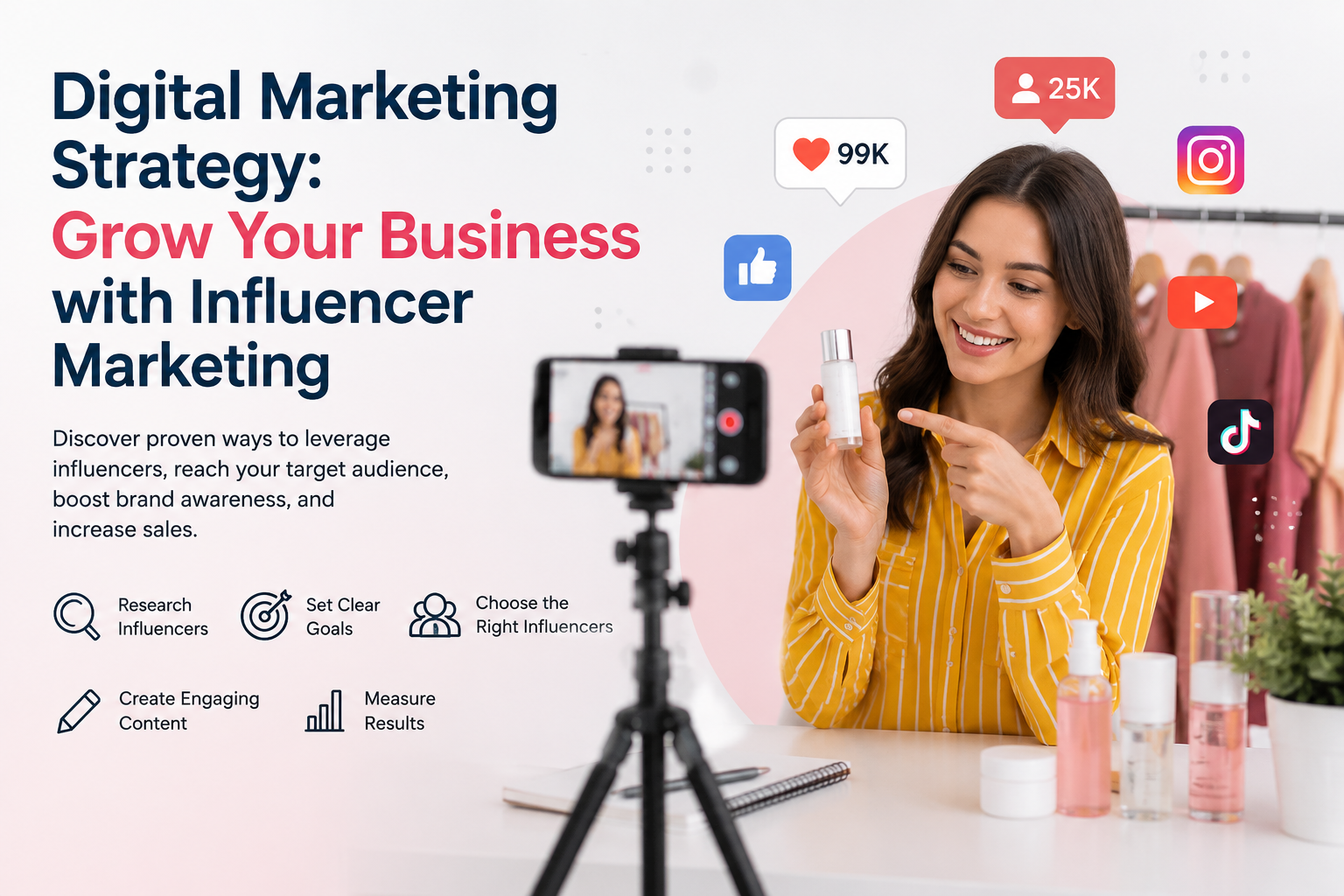
    1) Do your research

     social media Influencer marketing

    When it comes to utilising social media influencers to promote your brand, it’s important to do your research. Start by identifying the type of influencer that best suits your product or service. Are you looking for an online influencer with a large following on Instagram or another social media platform? Or do you need someone who specialises in a specific industry or demographic?

    Once you know the type of influencer you are looking for, you can begin researching potential candidates. Look at their follower counts, content quality, and engagement levels to get an idea of what they bring to the table.

    Additionally, read through their bios and any reviews they may have to learn more about them before making a decision. Doing your research is essential when selecting the right social media influencers to help promote your business.

    2) Identify your goals

    When it comes to social media influencer marketing, the first step is to identify your goals. You should know what kind of outcomes you’d like to see from your campaign, whether that’s brand awareness, website traffic, or an increase in sales. Once you have a clear idea of what you want to achieve, you can start to search for the perfect online influencers to partner with.

    The best way to find suitable social media influencers is to search within your niche and look at accounts that are popular and have a large following. Instagram influencers, for example, are often categorised into micro-influencers (1K – 10K followers), mid-tier influencers (10K – 100K followers), and macro-influencers (100K+ followers). It’s important to note that the right influencer for your campaign may not be the one with the most followers, as they might not have as engaged of a following.

    Make sure you look at each influencer’s engagement rate and consider if their content aligns with your brand. This will help you narrow down your options and ensure you find the most appropriate media influencers for your campaign.

    3) Find the right influencers

    When it comes to social media influencer marketing, finding the right influencers to partner with is a key step.

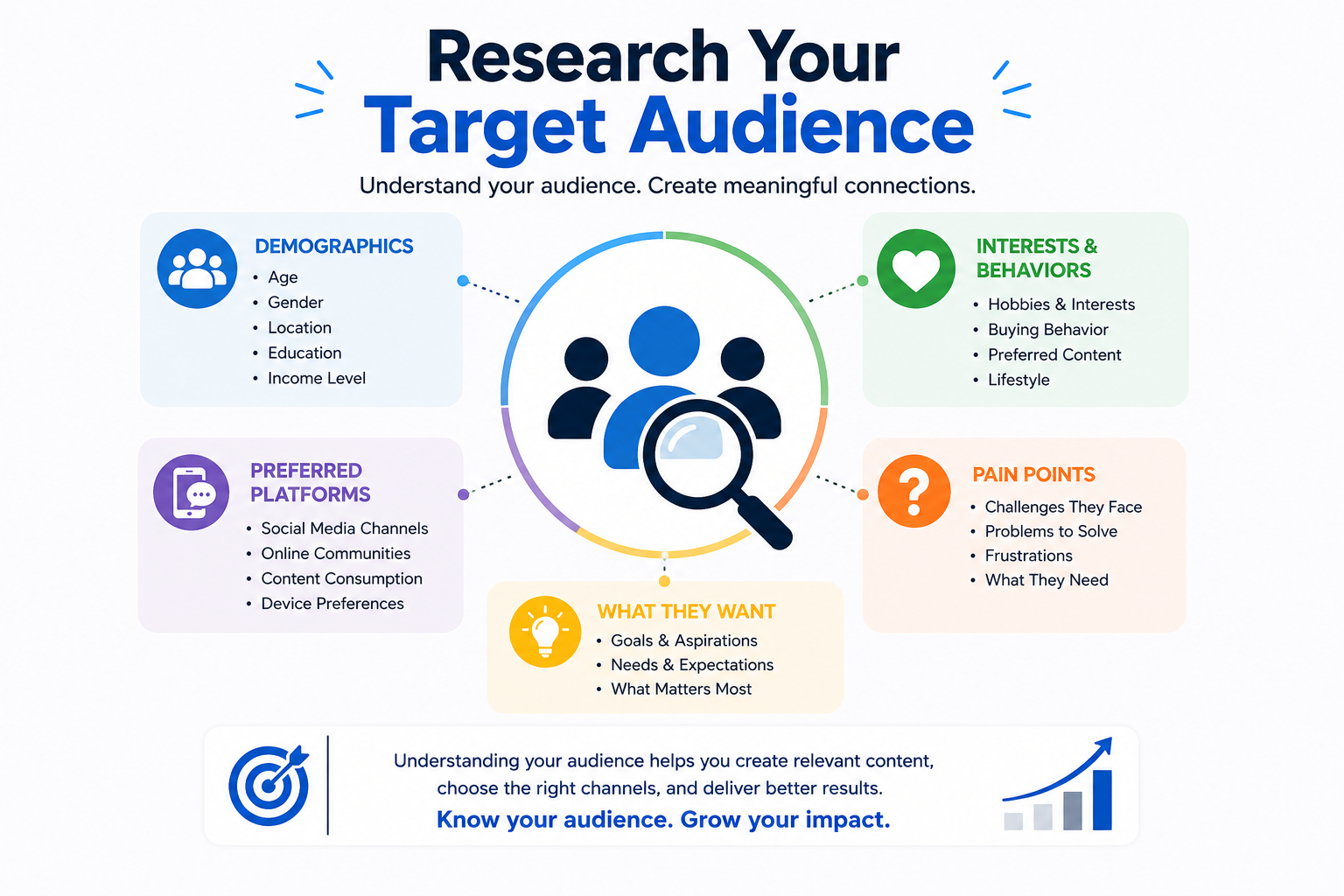
    Before you start searching, determine who your target audience is and what type of influencer will best appeal to them.

    Instagram influencers are especially popular for this type of marketing, but you can also search for online influencers across other platforms such as YouTube, Twitter, or Facebook.

    Once you’ve identified the types of influencers you want to work with, it’s time to start researching. Look at their follower count and engagement rate to get an idea of how many people they reach and how responsive their followers are. Consider their content as well.

    Does it align with your brand values? Is it interesting and engaging? It’s important to make sure the influencer’s style and message match your brand’s mission.

    You can also look into their past campaigns to see how successful they have been in the past. If they have run successful campaigns before, chances are they will do the same for you. Finally, check out their rates. Different influencers will charge different fees, so make sure to find someone who fits your budget. 

    Finding the right social media influencers for your campaign is an important step in making sure you get the most out of your partnership. Do your research, identify your goals, and look for influencers that align with your brand and fit within your budget in order to get the most out of your influencer marketing efforts.

    4) Create compelling content


     social media Influencer marketing

    When it comes to social media influencer marketing, it’s all about the content. You want to make sure that the content you create for your campaign is engaging and creative.

    Content should be tailored to the specific influencer you are working with to make sure that it resonates with their audience. Utilise the unique characteristics of each online influencer and platform such as Instagram influencers or YouTube personalities.

    If you’re working with a lifestyle blogger, create content that highlights their interests and hobbies. If you’re working with an Instagram influencer, create visually appealing images or videos that will draw people in. 

    In addition to creating content that resonates with each individual influencer, make sure to focus on telling a story. It’s important to create content that tells a story about your product or service and how it can benefit people.

    This will help the influencer’s followers get a better understanding of your brand and what it has to offer.

    When you’re creating content for media influencers, don’t forget to be creative. Try to come up with new and innovative ways to promote your product or service through social media influencer marketing. Think outside the box and create content that stands out from other campaigns.

    With the right content, you can make a lasting impression on your target audience and generate more leads for your business.

    5) Measure your results

    Measuring success in social media influencer marketing refers to the process of tracking and analysing the results of an influencer marketing campaign to determine its effectiveness.

    This is important for businesses because it helps them determine the return on investment (ROI) of their campaign and make data-driven decisions for future collaborations.

    There are several key metrics that businesses can use to measure the success of their influencer marketing campaigns, including:

    Engagement rate:

    This metric measures the level of engagement (e.g. likes, comments, shares) that a particular post receives from an influencer’s followers.

    Conversion rate:

    This metric measures the number of followers who make a purchase after being exposed to an influencer’s post.

    Traffic:

    Track the number of visits to your website that come from the influencer’s post. Brand mentions Monitor the number of times your brand is mentioned on social media to gauge the impact of the influencer campaign.

    Sales:

    This metric measures the revenue generated from the influencer campaign. By using these metrics to measure the success of their campaigns, businesses can make informed decisions about which influencer campaigns are working, and which are not, and how they can optimise future campaigns to improve their results.

    Conclusion


     social media Influencer marketing


    In conclusion, social media influencer marketing can be a powerful tool for businesses looking to reach new audiences, build brand awareness, and drive sales.

    By partnering with relevant influencers, building relationships, creating a collaboration strategy, measuring success, and continuously improving, businesses can tap into the social capital of influencers and reach a large, engaged audience.

    However, it is important to measure the success of influencer marketing campaigns and make data-driven decisions to ensure that investments in influencer marketing are delivering the desired results.

    With the right approach, social media influencer marketing can be a valuable tool for boosting a business’s marketing efforts and achieving success.

    Social media influencer marketing has become a crucial aspect of modern-day marketing, providing businesses with an effective way to reach and engage with their target audience.

    By understanding your target audience, finding the right influencer, measuring success, maximising reach,

     and incorporating best practices, businesses can maximise the impact of their influencer marketing efforts. As consumers continue to rely on influencer recommendations, it’s important for businesses to stay ahead of the curve and leverage the power of influencer marketing to drive growth and success.

    Tags :
    Author : Akash

    Consectetur sollicitudin cubilia facilisis lobortis lacus a ac phasellus. Mus pulvinar enim suspendisse pharetra id commodo platea nunc aliquet.

    Learner of DigiSkillz, Digital Marketing Institute in Kochi.

  • 10 Tips For Optimizing Your Landing Pages

    10 Tips For Optimizing Your Landing Pages

    landing page optimization

    In today’s competitive digital landscape, attracting visitors to your website is only half the battle. The real challenge is converting those visitors into leads, subscribers, or paying customers. This is where Landing Page Optimization becomes essential.

    A well-optimized landing page can significantly improve your conversion rates, lower your advertising costs, and maximize your return on investment (ROI). Whether you’re running Google Ads, Facebook campaigns, email marketing, or organic SEO campaigns, your landing page determines whether visitors take action or leave your site.

    In this comprehensive guide, you’ll discover 10 proven Landing Page Optimization techniques that can help you create high-converting landing pages and grow your business.


    What is Landing Page Optimization?

    Landing Page Optimization (LPO) is the process of improving every element of a landing page to increase the percentage of visitors who complete a desired action.

    These actions may include:

    • Filling out a contact form
    • Downloading an eBook
    • Registering for a webinar
    • Booking a consultation
    • Purchasing a product
    • Signing up for a newsletter

    Instead of sending visitors to a generic webpage, businesses use dedicated landing pages designed around one specific goal. Every headline, image, button, and section works together to guide users toward taking that action.

    A successful landing page removes distractions, builds trust, and makes it easy for visitors to convert.


    Why is Landing Page Optimization Important?

    Many businesses spend thousands on digital advertising but fail to generate enough leads because their landing pages aren’t optimized.

    Effective Landing Page Optimization helps you:

    • Increase conversion rates
    • Generate more qualified leads
    • Reduce bounce rates
    • Improve user experience
    • Lower cost per acquisition (CPA)
    • Increase revenue from existing traffic
    • Improve Quality Score in Google Ads

    Even small improvements can produce significant results over time.

    1. Write Clear and Compelling Headlines

    The headline is the first element visitors notice when they land on your page, making it one of the most important aspects of Landing Page Optimization. A compelling headline should immediately communicate your value proposition and encourage users to continue reading. Keep your headline short, clear, and benefit-driven while ensuring it aligns with the advertisement or search keyword that brought visitors to your page. Rather than using vague or generic statements, focus on explaining exactly what users will gain. For example, a headline like “Increase Your Website Sales with Professional Landing Page Optimization” clearly communicates the benefit while naturally incorporating your target keyword, making it more relevant for both users and search engines.landing page optimization

    2. Create a Strong Call-to-Action (CTA)

    Every successful landing page is designed with one clear objective, whether it’s generating leads, encouraging downloads, or driving sales. Your Call-to-Action (CTA) should clearly tell visitors what action to take next. Instead of using generic button text like “Submit,” choose action-oriented phrases such as “Get Started Today,” “Download Free Guide,” “Book Your Free Consultation,” “Start Your Free Trial,” or “Request a Quote.” Strong CTAs should stand out visually, use persuasive language, remain concise, and appear strategically throughout the page. Adding urgency with phrases like “Today” or “Limited Time” can further motivate visitors to take immediate action and improve your landing page conversion rate.

    3. Use High-Quality Visuals

    Visual content is an essential component of Landing Page Optimization because it captures attention and helps visitors understand your message more quickly than text alone. High-quality product images, professional team photos, customer success stories, explainer videos, illustrations, and infographics all contribute to a more engaging user experience. Instead of relying on generic stock photography, use authentic visuals that accurately represent your brand and products. Videos are particularly effective because they simplify complex information, increase visitor engagement, and often lead to higher conversion rates by building trust and demonstrating value.4) Use customer testimonials

    Customer testimonials are a great way to add credibility to your website landing page. People trust the opinions of other customers more than they trust marketing copy. Include customer testimonials with real names and faces to help persuade visitors that your product or service is worth their time and money.

    When done correctly, customer testimonials can go a long way toward improving your conversion rate.
    If you’re looking for free landing page examples, many sites have customer reviews included. You can use these to get an idea of how to format and design your own customer testimonials for your website landing page.

    Remember, you should always strive for authenticity when it comes to using customer reviews, so make sure to get permission from your customers before featuring them on your page.

    For more tips on how to create effective website landing pages and get inspiration from the best landing pages, check out the website landing page optimization resources available online. With a few tweaks, you can turn a basic landing page into one of the most effective marketing tools in your arsenal.

    4. Build Trust with Customer Testimonials

    Customer testimonials are one of the most effective trust-building elements you can include on your landing page. Potential customers are more likely to trust the experiences of previous clients than traditional marketing messages. Adding genuine testimonials featuring customer names, photos, company names (where applicable), and measurable results helps establish credibility. For example, a testimonial stating, “After optimizing our landing page, our conversions increased by 48% in just one month,” provides specific evidence of success. Authentic testimonials reduce hesitation, strengthen your reputation, and encourage visitors to take the desired action.

    5. Add Social Proof

    Social proof plays a significant role in Landing Page Optimization because it reassures visitors that others already trust your business. Displaying Google Reviews, Facebook ratings, client logos, industry certifications, awards, media mentions, and case studies helps build confidence in your products or services. You can also highlight achievements such as “Trusted by 5,000+ Businesses,” “Rated 4.9/5 by Customers,” or “Google Certified Professionals.” These trust signals reduce uncertainty and make potential customers feel more comfortable engaging with your business, ultimately leading to higher conversion rates.

    6. Keep Forms Simple

    A lengthy or complicated form can discourage visitors from completing your desired action. One of the simplest ways to improve Landing Page Optimization is by reducing the number of fields users need to fill out. For most lead generation campaigns, asking only for a visitor’s name, email address, and phone number is sufficient. If additional information is required, consider using multi-step forms that divide the process into smaller sections. Make your forms easy to complete by using clear labels, placeholder text, autofill functionality, mobile-friendly layouts, and helpful validation messages. The easier your form is to complete, the higher your conversion rate is likely to be.

    7. Optimize for Mobile Devices

    With the majority of internet users now browsing websites on smartphones and tablets, mobile optimization has become an essential part of Landing Page Optimization. A responsive landing page automatically adjusts to different screen sizes, ensuring visitors enjoy a seamless browsing experience regardless of their device. Mobile-friendly pages should load quickly, use readable fonts, feature clickable buttons, include well-designed forms, and maintain adequate spacing between elements. A positive mobile experience not only improves user satisfaction but also contributes to better search engine rankings and increased conversions.

    8. Perform A/B Testing

    No landing page is perfect from the beginning, which is why A/B testing is a critical part of continuous Landing Page Optimization. A/B testing involves creating two versions of the same landing page and comparing their performance to determine which version generates more conversions. You can experiment with headlines, CTA buttons, images, form lengths, layouts, testimonials, pricing displays, and button colors. Even small changes can have a significant impact on conversion rates. For example, changing a CTA from “Book Your Free Consultation” to “Get Your Free Marketing Strategy Session” may produce better results. Always test one element at a time to accurately measure its impact.

    9. Use Exit Intent Pop-Ups

    Not every visitor converts during their first visit, but exit-intent pop-ups provide one final opportunity to capture their attention before they leave your website. These pop-ups appear when a user’s cursor indicates they are about to exit the page. Offering incentives such as a free eBook, discount coupon, complimentary consultation, newsletter subscription, or limited-time offer can encourage visitors to stay engaged. For example, a message like “Wait! Download Our Free Landing Page Optimization Checklist Before You Leave” provides additional value while encouraging users to take action. However, pop-ups should be used strategically to avoid negatively affecting the user experience.

    10. Monitor and Improve Performance

    Landing Page Optimization is not a one-time task but an ongoing process of testing, measuring, and improving. After publishing your landing page, regularly monitor important performance metrics such as conversion rate, bounce rate, average session duration, form completion rate, click-through rate (CTR), cost per conversion, scroll depth, and user behavior. Tools like Google Analytics 4, Google Search Console, Google Tag Manager, Microsoft Clarity, and Hotjar provide valuable insights into visitor interactions and identify opportunities for improvement. Continuous analysis allows you to make data-driven decisions that increase conversions over time.

    Bonus Tips for Better Landing Page Optimization

    Beyond the core optimization techniques, several additional best practices can further improve your landing page performance. Start by optimizing page speed, as slow-loading pages often lead to higher bounce rates and lower conversions. Compress images, enable browser caching, and minimize unnecessary scripts to improve loading times. Ensure your landing page messaging matches the advertisement or email that directed visitors to the page, as consistency builds trust and improves user experience. Focus on a single conversion goal rather than overwhelming users with multiple CTAs, and reduce unnecessary navigation links to keep visitors focused. Finally, write persuasive copy that emphasizes benefits instead of simply listing features. Explaining how your product solves a customer’s problem is far more compelling than describing technical specifications.

    Common Landing Page Optimization Mistakes

    Even well-designed landing pages can fail if they contain common optimization mistakes. Weak or confusing headlines, excessive text, slow loading speeds, poor mobile responsiveness, multiple competing CTAs, generic stock photos, lengthy forms, and a lack of trust signals can all reduce conversions. Many businesses also overlook the importance of A/B testing and fail to track important performance metrics, making it difficult to identify areas for improvement. Avoiding these common mistakes and continuously refining your landing page based on user behavior and analytics will help maximize conversions and improve the overall success of your digital marketing campaigns.

    landing page optimization

    Conclusion

    Landing Page Optimization is one of the most effective ways to improve your digital marketing results. Whether your goal is generating leads, increasing online sales, or growing your email list, a well-optimized landing page can dramatically boost your conversion rate.

    By implementing these proven strategies—writing compelling headlines, creating strong calls-to-action, using engaging visuals, adding testimonials and social proof, simplifying forms, optimizing for mobile, running A/B tests, leveraging exit-intent pop-ups, and continuously monitoring performance—you can transform more visitors into loyal customers.

    Remember, optimization is an ongoing process. Regular testing, analyzing user behavior, and making data-driven improvements will help your landing pages stay effective as customer expectations and market trends evolve. Start applying these Landing Page Optimization techniques today and turn your website traffic into measurable business growth.

     
    Tags :
    Author : Akash

    Consectetur sollicitudin cubilia facilisis lobortis lacus a ac phasellus. Mus pulvinar enim suspendisse pharetra id commodo platea nunc aliquet.

    Learner of DigiSkillz, Digital Marketing Institute in Kochi.

  • 10 Reasons Why Educators Should Invest In Digital Marketing Courses

    10 Reasons Why Educators Should Invest In Digital Marketing Courses

    Digital marketing courses

    10 Reasons Why Educators Should Invest in Digital Marketing Courses

    The education industry has undergone a remarkable transformation in recent years. Traditional classroom teaching has expanded into online learning, virtual classrooms, webinars, coaching programs, and self-paced courses. Today, students rely heavily on search engines, social media platforms, and educational websites to discover learning opportunities before enrolling in a course.

    For educators, having subject expertise is no longer enough. To reach more learners and establish a strong professional presence, they must also know how to market their knowledge online. This is where digital marketing courses play a crucial role.

    By enrolling in digital marketing courses, educators can learn valuable skills such as Search Engine Optimization (SEO), content marketing, social media marketing, email marketing, paid advertising, and website optimization. These skills help educators attract more students, build trust, increase visibility, and remain competitive in today’s digital-first education landscape.

    Whether you’re a teacher, professor, tutor, trainer, education consultant, or online course creator, investing in digital marketing education is a smart decision for long-term career growth. Here are the top 10 reasons why educators should invest in digital marketing courses.

    1. The Digital World Is Here to Stay

    The digital revolution has transformed almost every industry, and education is no exception. Today, students and parents use search engines, social media platforms, and educational websites to research schools, colleges, coaching centers, certification programs, and online courses before making enrollment decisions. This shift means educators must establish a strong online presence to remain visible and relevant in an increasingly competitive education market.

    Investing in digital marketing courses equips educators with essential skills to promote their expertise effectively. These courses cover important topics such as Search Engine Optimization (SEO), content marketing, social media marketing, email marketing, Google Ads, and website analytics. By understanding these strategies, educators can reach the right audience, build credibility, and increase student enrollments.

    Rather than relying solely on traditional referrals or offline advertising, educators can use digital marketing techniques to consistently attract prospective students, grow their reputation, and build long-term success in the digital education landscape.


    2. Online Digital Marketing Courses Offer Greater Flexibility

    One of the biggest advantages of digital marketing courses is the flexibility they provide. Unlike traditional classroom programs, online courses allow educators to learn from anywhere and at any time. This makes it easier for teachers, professors, tutors, and trainers to upgrade their skills without disrupting their professional responsibilities.

    Most online courses are self-paced, allowing learners to revisit recorded lectures, complete assignments at their convenience, and learn according to their own schedule. Whether you teach full-time or manage multiple responsibilities, online learning offers the convenience needed to continue your professional development.

    Additionally, many digital marketing courses provide lifetime access to study materials, regular updates, and practical projects. This enables educators to continuously improve their knowledge while staying current with the latest digital marketing trends.

    3. Digital Marketing Skills Are in High Demand

    The demand for digital marketing professionals continues to grow across every industry, including education. Schools, universities, coaching institutes, and EdTech companies increasingly seek educators who understand digital marketing strategies to promote courses, engage learners, and build their online presence.

    By enrolling in digital marketing courses, educators gain practical skills in website optimization, search engine marketing, content creation, social media management, lead generation, and online branding. These abilities not only enhance their teaching careers but also make them valuable contributors to educational institutions looking to expand digitally.

    Beyond traditional teaching roles, digital marketing skills create opportunities in educational consulting, online coaching, course creation, and corporate training. As digital learning continues to grow, educators with marketing expertise will have a significant competitive advantage.

    dmc

    4. Learn at Your Own Pace

    Every educator has unique responsibilities and learning preferences. One of the most attractive features of digital marketing courses is the freedom to learn at your own pace. Unlike fixed classroom schedules, online courses allow learners to progress according to their availability and comfort level.

    Educators can revisit recorded lessons whenever needed, complete assignments gradually, and spend extra time mastering topics that require additional practice. This personalized learning approach helps improve knowledge retention and reduces the pressure associated with traditional classroom environments.

    Learning at your own pace also encourages continuous skill development. Educators can steadily build confidence while applying newly acquired marketing techniques directly to their educational websites, courses, or institutions.

    5. Stay Ahead of the Competition

    The online education industry has become increasingly competitive as more educators launch coaching programs, online courses, webinars, and digital learning platforms. Simply having subject expertise is no longer enough to attract students. Educators must also know how to market their knowledge effectively.

    Digital marketing courses teach educators how to optimize websites for search engines, create engaging educational content, improve social media engagement, and build authority through blogging and video marketing. These strategies help educators increase their visibility and reach larger audiences.

    By applying these marketing techniques consistently, educators can differentiate themselves from competitors, establish stronger credibility, and attract more students while building a sustainable online education business.

    6. Learn the Latest Digital Marketing Trends

    Digital marketing evolves rapidly, with search engine algorithms, social media platforms, and consumer behavior constantly changing. Staying updated with these developments is essential for educators who want to maintain a strong online presence and continue attracting new learners.

    Enrolling in digital marketing courses allows educators to stay informed about emerging trends such as Artificial Intelligence (AI), voice search optimization, video marketing, marketing automation, short-form content strategies, and advanced analytics. Understanding these innovations enables educators to adapt quickly to changing digital environments.

    Keeping pace with industry trends not only improves marketing performance but also ensures educators remain relevant in an increasingly technology-driven education sector.


    7. Strengthen Your Resume and Career Opportunities

    Professional development plays an important role in career advancement. Completing digital marketing courses demonstrates a commitment to continuous learning and equips educators with practical skills that employers highly value.

    Adding digital marketing certifications to a resume showcases expertise in SEO, content marketing, analytics, social media management, and online advertising. These qualifications make candidates more attractive to educational institutions, corporate training organizations, and EdTech companies.

    In addition to improving employability, digital marketing knowledge opens doors to careers such as Digital Marketing Trainer, Educational Consultant, Online Course Creator, SEO Specialist, Content Strategist, and Corporate Trainer.

    8. Enhance Your Knowledge of Digital Marketing

    Digital marketing is much more than creating social media posts. It is a comprehensive strategy that combines multiple techniques to increase visibility, engage audiences, and generate measurable results.

    Through digital marketing courses, educators gain a deeper understanding of Search Engine Optimization (SEO), content marketing, email marketing, pay-per-click advertising, conversion rate optimization, Google Analytics, and website performance optimization. These skills allow educators to create more effective marketing campaigns and improve student engagement.

    A strong understanding of digital marketing enables educators to promote courses confidently while making informed decisions based on performance data and user behavior.


    9. Stay Updated with Industry Changes

    Both education and digital marketing are constantly evolving. Search engines regularly update their algorithms, social media platforms introduce new features, and marketing technologies continue to advance. Educators who fail to adapt risk falling behind competitors.Regularly investing in digital marketing courses helps educators remain informed about the latest tools, strategies, and industry best practices. This knowledge enables them to adjust their marketing campaigns, improve student engagement, and maintain effective communication with their target audience.Continuous learning not only improves marketing performance but also ensures long-term career success in the fast-changing digital education environment.

     10. Build a Strong Professional Network

    Networking is another significant advantage of enrolling in digital marketing courses. Many training programs bring together educators, business owners, marketers, entrepreneurs, and industry experts from diverse backgrounds.

    Building professional relationships allows educators to exchange ideas, share experiences, collaborate on projects, and discover new career opportunities. Networking can also lead to guest speaking engagements, strategic partnerships, and valuable mentorship opportunities.

    A strong professional network helps educators stay informed about industry developments while creating opportunities for long-term personal and professional growth.


    dmc

    Additional Benefits of Digital Marketing Courses

    Beyond the reasons discussed above, digital marketing courses offer several long-term benefits for educators. They help improve online visibility, generate qualified student leads, build a strong personal brand, increase website traffic, and strengthen communication with prospective learners.

    These courses also teach educators how to grow social media communities, improve email marketing campaigns, understand audience behavior through analytics, and develop sustainable marketing strategies. Whether working independently or within educational institutions, these skills contribute to long-term professional growth and increased student engagement.


    How to Choose the Right Digital Marketing Course

    With numerous training programs available, choosing the right digital marketing course is essential. Educators should look for comprehensive courses that include practical training in SEO, content marketing, social media marketing, email marketing, Google Ads, Google Analytics, AI-powered marketing tools, and website optimization.

    A high-quality course should also provide live projects, industry-recognized certifications, experienced instructors, and placement or internship support. Hands-on experience helps learners apply theoretical concepts to real-world marketing campaigns.

    Selecting the right digital marketing course ensures educators develop practical skills, gain confidence, and successfully apply modern marketing strategies to grow their careers and educational institutions.

    Conclusion

    As education continues to evolve in the digital era, educators must develop skills beyond traditional teaching methods. Investing in digital marketing courses enables teachers, trainers, professors, and education professionals to build a strong online presence, attract more students, enhance their professional reputation, and create new career opportunities.

    From mastering SEO and social media marketing to understanding analytics and content creation, digital marketing equips educators with the tools needed to thrive in today’s competitive education landscape. Whether you want to promote your institution, launch an online course, or grow your personal brand, digital marketing knowledge is a valuable investment that delivers long-term benefits.

    By staying updated with the latest digital marketing trends and continuously improving your skills, you can expand your reach, inspire more learners, and build a successful future in the ever-growing digital education industry.


    Tags :
    Email Marketing
    Author : Sonappan

    Consectetur sollicitudin cubilia facilisis lobortis lacus a ac phasellus. Mus pulvinar enim suspendisse pharetra id commodo platea nunc aliquet.

    Learner of DigiSkillz, Digital Marketing Institute in Kochi.

  • Free Business listing Websites Listed 2023: Your Ultimate Guide

    Free Business listing Websites Listed 2023: Your Ultimate Guide

    Free Business listing Websites Listed 2023: Your Ultimate Guide

    Are you searching for a reliable list of free business listing websites to promote your business online? You’ve come to the right place! We’ve put together a curated list of the best free business listing websites for 2023. These platforms can help boost your online visibility, improve your search engine rankings, and connect you with a wider audience.

    Before we jump into the list, let’s take a closer look at why business directories are so important in today’s digital world.

    What Are Business Listing Websites?

    Business listing websites, also called business directories, are online platforms that provide detailed information about businesses such as their name, address, phone number, and website URL. These directories act as a convenient resource for consumers searching for local businesses. At the same time, they help businesses enhance their online presence, increase visibility, and attract more potential customers.

    Free Business listing Websites Listed 2023

    Why Are Business listing websites Important?

    Business directories are important for several reasons. First, they help businesses increase their online visibility. By listing your business on a directory website, you can improve your search engine rankings, making it easier for potential customers to find you online.

    Second, business directories help businesses build credibility. When consumers see that your business is listed on a reputable directory website, they are more likely to trust your business and make a purchase.

    Finally, business directories are important because they provide consumers with a convenient way to find local businesses. With just a few clicks, consumers can find the information they need about a business, including its location, phone number, and website URL.

    Free Business listing Websites Listed 2023

    Top Free Business Listing Websites for 2023

    In this article, we will provide you with a comprehensive list of the best free business directory websites for 2023. Our team of experts has conducted extensive research to identify the most reputable and reliable websites that can help you drive traffic to your business. By taking advantage of these free business listing sites, you can easily and quickly get your business in front of potential customers.

    1. Google My Business

    Free Business listing Websites Listed 2023

    Google My Business is an essential tool for any business looking to improve their online presence. This free business listing website allows you to create a profile for your business that appears in Google’s search results and on Google Maps. By listing your business on Google My Business, you can improve your visibility online and make it easier for potential customers to find you.

    1. Bing Places

    Bing Places is a free business listing site that allows you to create a profile for your business that appears in Bing’s search results and on Bing Maps. This platform offers a range of features including the ability to add photos, videos, and descriptions of your business. By listing your business on Bing Places, you can improve your search engine rankings and attract new customers.

    1. Yelp

    Free Business listing Websites Listed 2023

    Yelp is a popular business listing site that allows customers to leave reviews and ratings for businesses. By creating a profile for your business on Yelp, you can improve your online reputation and attract new customers. This platform also allows you to add photos and descriptions of your business, making it easier for potential customers to find you.

    1. Yellow Pages

    Free Business listing Websites Listed 2023

    Yellow Pages is a free business listing site that allows you to create a profile for your business that appears in their search results. This platform also offers a range of advertising options to help you promote your business and attract new customers.

    • Yahoo Local

    Yahoo Local is a free business listing website offered by Yahoo. It allows businesses to create a free profile that includes information such as name, address, phone number, website URL, and hours of operation. This profile appears in Yahoo search results and on Yahoo Maps.

    • Facebook

    Free Business listing Websites Listed 2023

    Facebook is a social media platform that also serves as a business listing site. Businesses can create a free Facebook Page that includes information such as name, address, phone number, website URL, and hours of operation. This Page appears in Facebook search results and on the business’s Facebook profile.

    • LinkedIn

    LinkedIn is a professional networking platform that also serves as a business listing website. Businesses can create a free LinkedIn Page that includes information such as name, address, phone number, website URL, and hours of operation. This Page appears in LinkedIn search results and on the business’s LinkedIn profile.

    1. Foursquare

    Foursquare is a location-based social media platform that allows users to check in at businesses and leave reviews and ratings. By creating a profile for your business on Foursquare, you can improve your online reputation and attract new customers. This platform also allows you to add photos and descriptions of your business, making it easier for potential customers to find you.

    1. TripAdvisor

    TripAdvisor is a popular travel website that allows users to leave reviews and ratings for hotels, restaurants, and other travel-related businesses. By creating a profile for your business on TripAdvisor, you can improve your online reputation and attract new customers. This platform also offers a range of advertising options to help you promote your business to travelers.

    1. Manta

    Free Business listing Websites Listed 2023

    Manta is a free business listing site that allows you to create a profile for your business that appears in their search results. This platform also offers a range of marketing solutions to help you promote your business and attract new customers.

    1. Angie’s List

    Angie’s List is a business directory that focuses on providing reviews and ratings for local service providers. By creating a profile for your business on Angie’s List, you can improve your online reputation and attract new customers. This platform also offers a range of advertising options to help you promote your business to local customers.

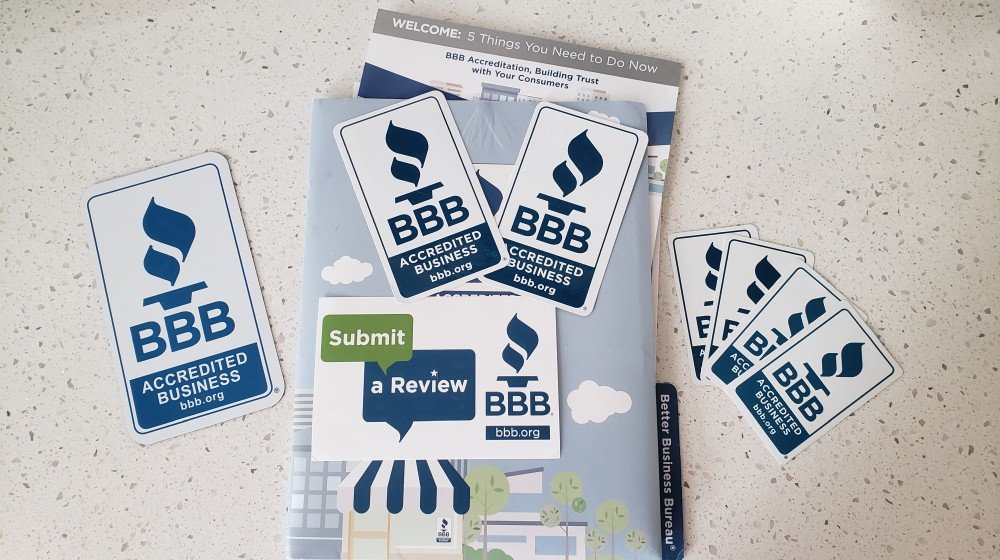
    1. Better Business Bureau

    The Better Business Bureau (BBB) is a nonprofit organization that provides ratings and reviews for businesses across a range of industries. By becoming accredited by the BBB and creating a profile for your business on their website, you can improve your online reputation and attract new customers.

    Free Business listing Websites Listed 2023

    1. Hotfrog

    Hotfrog is a free business directory that allows you to create a profile for your business that appears in their search faster and easier and provide potential leads.

    Conclusion

    Listing your business on free business directories is one of the simplest and most effective ways to boost your online visibility. The Free Business Listing Websites Listed 2023 in this guide provide a valuable opportunity to reach a wider audience, improve your search engine rankings, and establish credibility with potential customers.

    Remember, consistency is key—make sure your business information is accurate and up-to-date across all directories. By leveraging these free platforms, you can drive more traffic to your website, attract local customers, and stay ahead of the competition. Start today, and take your business to the next level with these essential online listings.

    Tags :
    Author : Shahul

    Consectetur sollicitudin cubilia facilisis lobortis lacus a ac phasellus. Mus pulvinar enim suspendisse pharetra id commodo platea nunc aliquet.

    Learner of DigiSkillz, Digital Marketing Institute in Kochi.

  • The Future of SEO: Constantly Evolving and Adapting to Change

    The Future of SEO: Constantly Evolving and Adapting to Change

    The Future of SEO: Constantly Evolving and Adapting to Change

    The future of SEO is an ever-changing landscape. As technology and consumer behaviour continue to evolve, it’s important for businesses and marketers to keep up with the latest trends in order to stay ahead of the competition. In this blog post, we’ll be taking a closer look at how the future of SEO is constantly evolving and adapting to the ever-changing digital environment.future-of-seo

    SEO is Constantly Evolving

    Search engine optimization (SEO) is constantly evolving in order to keep up with the ever-changing digital landscape. It is important for SEO experts and marketers to be aware of the latest trends and strategies in order to remain competitive. As search engine algorithms and user expectations evolve, it is essential to stay up to date on the most recent SEO best practices.

    One of the top SEO future trends that marketers must be aware of is local search optimization. With the increasing popularity of mobile devices, local searches have become increasingly important for businesses that want to attract nearby customers. Therefore, optimizing for local search results has become an essential component of a comprehensive SEO strategy.

    Additionally, voice search is also a trend that is gaining traction as more consumers are using voice-activated devices to find information. For this reason, it is important to optimize content for conversational search queries so that they can be easily discovered by voice search.

    Furthermore, artificial intelligence (AI) is also a major factor in the future of SEO. AI technologies are being used to analyze vast amounts of data quickly and accurately, enabling companies to better target potential customers and optimize their content for higher rankings. All of these emerging trends underscore the importance of keeping up with the latest SEO best practices.

    future-of-seo

    Changes in Technology

    As the world becomes increasingly more digital, so too does the way businesses conduct their marketing and search engine optimization. Technology is constantly improving and advancing, and the future of SEO will have to adjust to keep up with these changes. For example, the increasing popularity of mobile devices has changed the way we access the internet and search for information, meaning that companies must now focus on optimizing their content for mobile users.

    Additionally, voice search technology is rapidly developing, with more and more people now using voice-activated virtual assistants like Alexa or Google Home to search for content online. This means that businesses must optimize their websites for conversational searches, making sure that they are providing accurate answers to relevant questions. In order to stay ahead of the curve, it’s important to be aware of current trends in technology and how they may affect the future of SEO.

    Changes in Consumer Behavior

    The future of SEO is closely tied to changes in consumer behaviour. Consumers today are increasingly using mobile devices, spending more time online, and expecting tailored content. Companies must respond to these changes in order to stay ahead of the competition. To do so, they must understand how their target audience uses the web and optimize their SEO strategies accordingly.

    One of the most important changes to keep an eye on is how users search for information. As people become more comfortable with voice search, for example, companies will need to adjust their SEO strategies to target long-tail keywords that better match the way people talk. 

    The future of SEO will also require companies to provide a better user experience, which includes faster page load times, mobile optimization, and quick response times.

    Additionally, companies must create content that appeals to users by being engaging and helpful. Finally, as social media continues to be a major influence in the world of search engine optimization, companies should prioritize developing a strong presence on platforms such as Facebook, Twitter, and Instagram. 

    By keeping an eye on changes in consumer behaviour, companies can stay one step ahead of the competition and position themselves well for success in the ever-evolving world of SEO.

    future-of-seo


    The Future of SEO

    As SEO continues to evolve, it is important to stay on top of the latest trends in order to stay ahead of the competition. It is essential to recognize and understand the changes in technology and consumer behaviour that can affect SEO in order to develop an effective strategy for success.

    Technology is always changing, and it is no different when it comes to SEO. As new technologies become available, they can have a significant impact on how search engines rank websites. For example, Google’s algorithm is constantly being updated and improved to better understand user queries and deliver more relevant results. Therefore, keeping up with the latest updates and changes in technology is critical for any website trying to stay ahead of the competition.

    Consumer behaviour is also changing, as more people are using mobile devices and voice assistants to search for information online. As a result, businesses must ensure that their websites are optimized for these new technologies in order to appear higher in search engine rankings.

    Additionally, SEO must be tailored to meet the needs of these consumers, such as using relevant keywords in content and optimizing for local searches.

    The future of SEO will continue to include the importance of staying up-to-date with the latest technologies and trends in order to remain competitive.

    Additionally, businesses should focus on providing valuable content that meets the needs of their target audiences, as well as optimizing their websites for both desktop and mobile devices. Taking advantage of SEO future trends such as voice search optimization, artificial intelligence (AI), and structured data will also be important to maintain high rankings in the future.

    Conclusion

    In conclusion, the future of SEO is constantly evolving and adapting to changes in technology and consumer behaviour. As search engines become more advanced and user behaviour shifts, SEO professionals will need to stay informed and adapt their strategies to stay ahead of the curve. From the increasing importance of artificial intelligence and machine learning to the growing importance of mobile optimization and local SEO, the future of SEO is filled with exciting opportunities and challenges. By staying informed and staying ahead of the curve, SEO professionals can continue to deliver the best possible results for their clients and help their businesses stay ahead of the competition in the digital marketplace.

    Tags :
    Email Marketing
    Author : Anjana

    Consectetur sollicitudin cubilia facilisis lobortis lacus a ac phasellus. Mus pulvinar enim suspendisse pharetra id commodo platea nunc aliquet.

    Learner of DigiSkillz, Digital Marketing Institute in Kochi.

  • Chatbot Marketing: Transforming Customer Engagement in the Digital Age

    Chatbot Marketing: Transforming Customer Engagement in the Digital Age

    Chatbot Marketing: Transforming Customer Engagement in the Digital Age

    What is Chatbot Marketing?

    Chatbot Marketing: Transforming Customer Engagement in the Digital Age

    Chatbot marketing is the use of AI-powered conversational tools to engage with customers, streamline interactions, and drive conversions. These automated agents simulate human conversations on platforms like websites, messaging apps, and social media. Chatbots can answer customer inquiries, recommend products, collect leads, and even process transactions, making them a powerful tool for businesses.

    Unlike traditional communication methods, chatbots operate 24/7, providing instant support and personalized experiences. They range from simple rule-based systems, which follow predefined scripts, to advanced AI-driven models that leverage machine learning and natural language processing (NLP) to understand and respond to complex queries.

    This technology enhances customer engagement, reduces operational costs, and scales effortlessly to handle multiple conversations simultaneously. By integrating chatbots into marketing strategies, businesses can improve customer satisfaction, boost retention, and increase sales, making chatbot marketing an essential component of modern digital marketing.


    Types of Chatbots

    Chatbot Marketing: Transforming Customer Engagement in the Digital Age


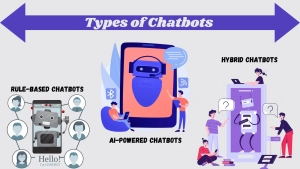
    Based on their capabilities and underlying technology, chatbots are divided into several categories:

    1. Rule-Based Chatbots: To respond, these adhere to pre-programmed guidelines and scripts.They are ideal for handling simple queries like FAQs or guiding users through basic processes. While limited in scope, rule-based chatbots are reliable for predictable interactions.

    2. AI-Powered Chatbots: AI-powered chatbots use natural language processing and machine learning to understand user intent and context.Unlike rule-based bots, they learn from past interactions, improving their ability to deliver personalized and accurate responses 

    3. Hybrid Chatbots: A combination of rule-based and AI-powered systems, hybrid chatbots offer the best of both worlds. They automate routine tasks while seamlessly transferring complex queries to human agents, ensuring a smooth customer experience.

    Benefits of Chatbot Marketing

    hatbot markeChatbot Marketing: Transforming Customer Engagement in the Digital Age

    Cting offers a multitude of advantages for businesses and customers alike:

    1. 24/7 Availability: Chatbots provide round-the-clock support, ensuring that customers receive assistance regardless of time zones or working hours.

    2. Instant Responses: By eliminating wait times, chatbots enhance customer satisfaction and reduce bounce rates, particularly on websites.

    3. Cost Efficiency: Automating repetitive tasks reduces the need for extensive human support teams, resulting in significant cost savings.

    4. Enhanced Engagement: Interactive conversations captivate users, fostering stronger connections and higher retention rates.

    5. Scalability: Chatbots are perfect for companies with expanding clientele since they can manage several chats at once.

    How Chatbots Work

    Chatbot Marketing: Transforming Customer Engagement in the Digital Age

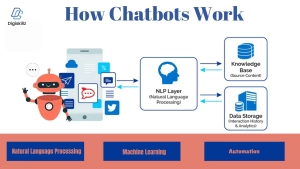
    Chatbots rely on a blend of technologies to simulate human-like conversations:

    1. Natural Language Processing (NLP): NLP enables chatbots to interpret and process human language. By breaking down user input into smaller components, chatbots understand context and intent, facilitating accurate responses.

    2. Machine Learning (ML): Machine learning models help chatbots learn from past interactions, improving their ability to handle diverse queries and deliver personalized solutions.

    3. Automation: Chatbots automate repetitive processes like order confirmations, appointment scheduling, and FAQ responses, freeing up human agents for more complex tasks.

    Chatbot Platforms and Tools

    Chatbot Marketing: Transforming Customer Engagement in the Digital Age

    Chatbot platforms and tools have become essential for businesses to implement conversational marketing strategies effectively. These tools enable the creation, deployment, and management of chatbots across various channels like websites, social media, and messaging apps.

    1. Drift: Drift specializes in conversational marketing, helping businesses engage website visitors, qualify leads, and book meetings in real time.It is popular for B2B marketing and sales automation.

    2. HubSpot: HubSpot’s chatbot builder integrates seamlessly with its CRM, enabling businesses to create personalized customer experiences, automate support, and streamline sales processes.

    3. ManyChat: Designed for Facebook Messenger and Instagram, ManyChat allows businesses to create bots for social media engagement, lead generation, and customer support with an easy-to-use interface.

    4. WhatsApp Business API: Ideal for global businesses, this tool enables customer interaction on WhatsApp, offering features like notifications, customer support, and transactional updates.

    5. Intercom: Known for its versatility, Intercom supports customer service, sales, and marketing with AI-driven chatbots that integrate with various platforms.

    Because every platform has different characteristics, it’s critical to select one that complements your company’s objectives. Implementing the right chatbot tool can enhance customer interactions, improve efficiency, and drive measurable results.


    Chatbot Marketing Use Cases

    Chatbot Marketing: Transforming Customer Engagement in the Digital Age

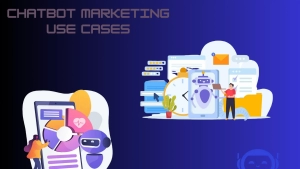
    Chatbots can be used in many different industries:

    1. E-commerce: Provide instant product recommendations based on user preferences.Assist customers during checkout by addressing queries.Send updates on order status, shipping, and delivery.

    2. Lead Generation: Qualify leads by gathering information through interactive conversations.Send quality leads to the sales department so they may be followed up upon.Engage website visitors in real-time to convert them into prospects.

    3. Customer Support: Offer instant responses to frequently asked questions.Handle refund requests, cancellations, and troubleshooting issues.Reduce support team workload by resolving routine queries.

    4. Upselling and Cross-Selling: Make recommendations for related goods or services while the customer is making a purchase.Use data insights to recommend upgrades or premium versions of products.

    5.Event Marketing: Register attendees, provide event details, and answer logistical questions.Send reminders and updates about schedules or last-minute changes.

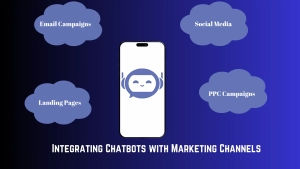
    Integrating Chatbots with Marketing Channels

    Chatbots can seamlessly integrate into various marketing channels to enhance overall effectiveness:

    1. Email CampaignsEmbed chatbots into email campaigns to provide direct interaction options. For instance, a chatbot can address common customer concerns highlighted in emails, driving engagement.

    2. Social Media: Deploy chatbots on platforms like Facebook Messenger, Instagram Direct, or Twitter to manage inquiries, promote products, and interact with followers.

    3. Landing Pages: Add chatbots to landing pages to guide visitors, answer questions, and improve conversion rates.

    4. PPC Campaigns: Use chatbots to engage users who click on paid ads, capturing leads and providing relevant information instantly.

    Best Practices for Chatbot Marketing

    Chatbot Marketing: Transforming Customer Engagement in the Digital Age

    To ensure successful chatbot marketing campaigns, consider these best practices:

    1. Chatbot marketing: Craft Natural and Engaging Scripts: Conversations should feel authentic and human-like.Avoid using too formal or robotic language as this could turn off users.

    2. Chatbot marketing: Focus on Personalization: Tailor chatbot responses based on user preferences, browsing history, and past interactions.

    3. Chatbot marketing: Ensure a Seamless Conversational Flow: Design intuitive conversation pathways that guide users effortlessly toward their goals.

    4. Chatbot marketing: Offer Escalation Options: Always provide the option to connect with a human agent for complex queries or unresolved issues.

    5. Chatbot marketing: Regularly Test and Optimize: Monitor chatbot performance and update scripts or workflows to address emerging customer needs and trends.

    Challenges in Chatbot Marketing

    While chatbot marketing offers immense potential, it comes with its own set of challenges:

    1. Miscommunication: Chatbots may occasionally misinterpret user intent, leading to frustration.

    Solution: Regularly update and train chatbots using real customer interactions.

    2. Data Privacy Concerns:Consumers are increasingly cautious about sharing personal data.

    Solution: Be transparent about data collection practices and comply with regulations like GDPR or CCPA.

    3. Over-Automation:Excessive reliance on chatbots can make customer interactions feel impersonal.

    Solution: Strike a balance between automation and human intervention for a more personalized experience.

    The Future of Chatbot Marketing

    Chatbot Marketing: Transforming Customer Engagement in the Digital Age

    1. Multichannel Integration: Chatbots will expand beyond websites and social media platforms like Facebook Messenger and WhatsApp, integrating seamlessly with voice assistants, IoT devices, and mobile apps. This will enable businesses to engage with customers across multiple touchpoints, offering personalized, real-time interactions wherever the customer is.

    2. Enhanced AI and NLP Capabilities: As AI and natural language processing (NLP) technologies continue to advance, chatbots will become better at understanding and responding to user intent. They will be able to recognize emotions, tone, and context in conversations, leading to more accurate and relevant responses tailored to individual customer needs.

    3. Personalized Customer Experiences: Future chatbots will provide highly personalized experiences by learning from every interaction. By analyzing user data, chatbots will proactively offer recommendations, reminders, and targeted information, making interactions more relevant and valuable to the user.

    4. Integration with Marketing Automation Tools: Chatbots will increasingly work in tandem with marketing automation systems to collect customer data, nurture leads, and execute targeted campaigns. This integration will improve lead generation and conversion rates by guiding customers through the sales funnel in an automated yet personalized manner.

    5. Post-Purchase Engagement: Businesses will use chatbots for post-purchase interactions, such as collecting feedback, offering loyalty rewards, and providing personalized product recommendations. One-time consumers will become repeat customers as a result of this ongoing involvement, which will improve brand loyalty and customer relationships.

    6. Proactive Customer Support and Assistance: Chatbots will not only respond to queries but will also anticipate customer needs, offering proactive support and assistance. This can include reminders for service renewals, troubleshooting, or helping customers navigate products and services.

    7. Improved Lead Qualification and Conversion: As chatbots become smarter, they will be able to more effectively qualify leads by asking the right questions, assessing customer interest, and directing them to relevant products or services. This will result in more efficient lead conversion and higher ROI for marketing campaigns.

    8. Human-like Interactions: The ultimate goal for chatbot marketing is to create human-like interactions that feel authentic and engaging. With continuous improvements in AI, chatbots will become capable of having conversations that closely resemble those with human agents, ensuring a more enjoyable and seamless customer experience.

    Conclusion

    Chatbot marketing is redefining customer engagement, making it more dynamic, personalized, and efficient. From automating routine interactions to delivering tailored experiences, chatbots empower businesses to build stronger relationships with their customers.

    By leveraging the right tools, best practices, and strategies, businesses can harness the full potential of chatbot marketing to drive growth and enhance customer satisfaction. The future belongs to brands that embrace this technology to stay ahead in the competitive digital landscape.

    Ready to take the leap? Start integrating chatbots into your marketing strategy today and unlock new possibilities for customer engagement and business growth.

    Tags :
    Email Marketing
    Author : MOHAMMED SAVAD

    Consectetur sollicitudin cubilia facilisis lobortis lacus a ac phasellus. Mus pulvinar enim suspendisse pharetra id commodo platea nunc aliquet.

    Learner of DigiSkillz, Digital Marketing Institute in Kochi.

  • Zero Budget, Maximum Earnings: How to Start Affiliate Marketing with No Money

    Zero Budget, Maximum Earnings: How to Start Affiliate Marketing with No Money

    Zero Budget, Maximum Earnings: How to Start Affiliate Marketing with No Money

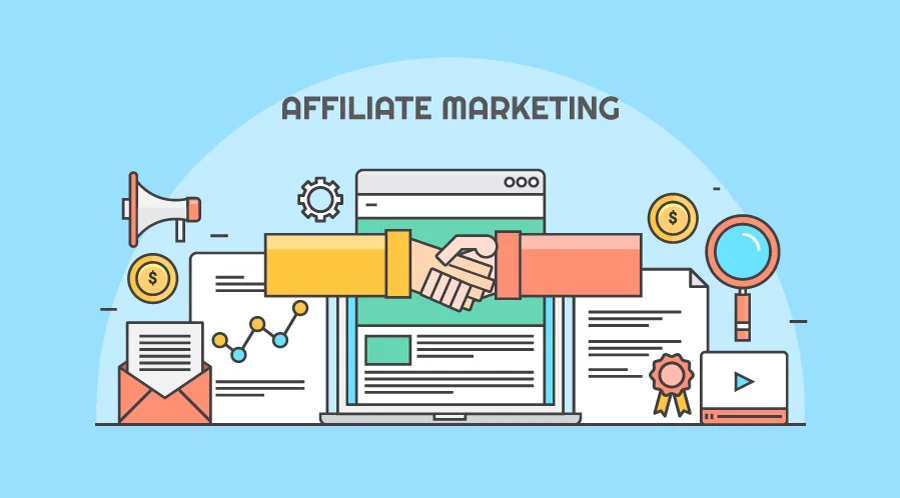
    Affiliate marketing is a performance-based marketing strategy where a person (an affiliate marketer) earns a commission by promoting a company’s products or services to their audience. The affiliate marketer earns a commission every time someone clicks on their affiliate link and makes a purchase.

    There are many benefits of affiliate marketing for beginners, including:

    Low start-up costs: Affiliate marketing requires little to no investment, making it an accessible way for beginners to start an online business.

    Flexibility: One of the main advantages of working in digital marketing is the freedom and flexibility it offers. With just an internet connection, you can work from virtually anywhere and set your own schedule, allowing for a more balanced work-life harmony.

    No need for product creation:One of the perks of being an affiliate marketer is that you can earn money without having to create your own products or services. This means you can save both time and money that would otherwise be spent on product development.

     I. Choose Your Niche

    Choosing the right niche is crucial for the success of your affiliate marketing journey. A niche is a specific area of interest that you will focus on with your affiliate marketing efforts. It’s important to choose a niche that aligns with your interests and passions, as this will help you create engaging content and build a loyal audience.

    Tips for choosing a niche

    how to start affiliate marketing with no money

    some tips for choosing a niche:

    Identify your interests and passions: Start by making a list of topics that you enjoy and have some knowledge about.

    Research the market demand: Look for niches with a high demand and low competition. You can use tools like Google Trends or Keyword Planner to identify popular search terms and topics.

    Consider the target audience: Think about the demographic you want to target and what products or services they might be interested in.

    Look for affiliate programs: Check if there are affiliate programs available for the niche you’re interested in.

    Examples of profitable niches

    how to start affiliate marketing with no money

    Here are some examples of profitable niches for affiliate marketing:

    Health and wellness: This includes topics like fitness, nutrition, mental health, and alternative medicine.

    Technology and gadgets: This includes topics like smartphones, laptops, and other gadgets.

    Beauty and fashion: This includes topics like makeup, skincare, and fashion trends.

    Personal finance and investing: This includes topics like budgeting, saving, and investing.

    Home and garden: This includes topics like home decor, gardening, and DIY projects.

    Travel and tourism: This includes topics like travel guides, reviews, and destination recommendations.

    These are just a few examples, but there are countless other niches to explore. The key is to choose a niche that you’re passionate about, has a demand in the market, and has affiliate programs available.

    II. Find Affiliate Programs

    Affiliate programs are partnerships between companies and affiliates where the affiliate promotes the company’s products or services in exchange for a commission on sales made through their affiliate link. These programs provide affiliates with unique tracking links that can be shared on their website, blog, social media, or email list. When a user clicks on an affiliate link and makes a purchase, the affiliate is rewarded with a commission.

    Tips for finding affiliate programs

    some tips for finding affiliate programs:

    Search for affiliate networks: Affiliate networks like Amazon Associates, ShareASale, and Commission Junction provide access to thousands of affiliate programs across different niches.

    Research individual companies: Many companies have their own affiliate programs that are not listed on affiliate networks. Look for companies in your niche and check if they have an affiliate program.

    Check out competitor websites: See which affiliate programs your competitors are promoting and consider joining those programs.

    To optimize your earnings, search for affiliate programs that offer high commission rates.

    how to start affiliate marketing with no money

    Examples of affiliate programs

    Here are some examples of affiliate programs in different niches:

    Health and wellness: The Vitamin Shoppe, Life Extension, and BodyBuilding.com.

    Technology and gadgets: Best Buy, Apple, and Samsung.

    Beauty and fashion: Sephora, Ulta, and Nordstrom.

    Personal finance and investing: Robinhood, Acorns, and TD Ameritrade.

    Home and garden: Home Depot, Lowe’s, and Wayfair.

    Travel and tourism: Expedia, Airbnb, and TripAdvisor.

    These are just a few examples, but there are many other affiliate programs available. Do your research and find programs that align with your niche and offer high-quality products or services.

    III. Create a Website or Blog

    To promote your affiliate products and services, you need a platform to share your content and affiliate links. A website is a collection of web pages with a common domain name, while a blog is a type of website that is regularly updated with new content in a specific format. Creating a website or blog can help you establish your brand, build credibility, and attract a loyal audience.

    Tips for creating a website or blog

    how to start affiliate marketing with no money

    Choose a domain name: Your domain name should be unique, easy to remember, and relevant to your niche.

    Select a web hosting provider: A web hosting provider is a service that allows you to store your website files and make them accessible on the internet. Look for a provider that offers good uptime, fast loading speeds, and excellent customer support.

    Choose a content management system: A content management system (CMS) is a platform that allows you to create, manage, and publish content on your website. WordPress is a popular CMS for bloggers and affiliate marketers.

    Design your website: To ensure a professional and visually appealing website, consider hiring a web designer or utilizing a website builder. It’s essential to have an easy-to-navigate interface to attract and retain visitors.

    Create high-quality content: Create informative, engaging, and valuable content that resonates with your target audience. Having a user-friendly interface will aid in drawing and retaining visitors to your website.

    Platforms for website or blog creation

    how to start affiliate marketing with no money

    Here are some popular platforms for creating a website or blog:

    WordPress: WordPress is a free, open-source CMS that powers over 40% of all websites on the internet. It’s highly customizable and offers a wide range of themes, plugins, and features.

    Wix: Wix is a website builder that offers drag-and-drop functionality and pre-built templates. 

    Squarespace: Squarespace is a website builder that offers professionally designed templates and a user-friendly interface. It’s great for creating visually appealing websites.

    Choose a platform that suits your needs and budget, and start building your website or blog today.

    IV.Content Creation

    how to start affiliate marketing with no moneyContent creation is the process of developing and publishing valuable and engaging content for your audience. As an affiliate marketer, your content should be designed to attract and convert potential customers. High-quality content can help establish your authority in your niche, build trust with your audience, and increase your conversion rates.

    Tips for content creation

    Here are some tips for creating content as an affiliate marketer:

    Identify your target audience: While creating content, it is vital to tailor it to your target audience. Take into account their requirements, preferences, and issues to address their concerns effectively.

    Focus on providing value: Ensure that your content delivers value to your audience, whether through informative, entertaining, or inspiring content. To prompt your audience to take action, employ persuasive language. Incorporate strong calls to action and emphasize the benefits of the products or services you are promoting.

    Optimize your content for search engines: Use keywords and optimize your content for search engines to increase its visibility and attract more traffic to your website.

    Be consistent:Consistency plays a crucial role in content creation. Develop a content schedule and stick to it to keep your audience engaged and attract new followers.

    how to start affiliate marketing with no money

    Examples of content types

    Here are some examples of content types you can create as an affiliate marketer:

    Blog posts: Write informative and engaging blog posts that provide value to your audience and promote your affiliate products or services.

    Product reviews: Write detailed reviews of the products or services. Include both the pros and cons of the products and provide recommendations for your audience.

    Video content: Create videos that showcase the products or services you’re promoting or provide tutorials or how-to guides related to your niche.

    Social media posts: Use social media platforms like Instagram, Twitter, and Facebook to promote your content and affiliate links.

    Email newsletters: Use email newsletters to promote your content, provide updates to your subscribers, and promote your affiliate products or services.

    By creating high-quality content that resonates with your audience, you can increase your traffic, engagement, and conversions as an affiliate marketer.

    V. Promote Your Affiliate Products

    Promoting your affiliate products is crucial to your success as an affiliate marketer. Promotion involves increasing visibility and exposure of the products you’re promoting to your audience. The more people know about the product, the higher the chances of them making a purchase through your affiliate link.

    how to start affiliate marketing with no money

    Tips for promoting your affiliate products

    tips for promoting your affiliate products:

    Use multiple platforms: Promote your affiliate products across multiple platforms to reach a larger audience. This could include your website, social media, email marketing, and more.

    Focus on benefits: Highlight the benefits of the products or services you’re promoting in your content. This could be in the form of solving a problem, saving money, or improving their lives in some way.

    Use visual content: Use visual content like images and videos to showcase the products you’re promoting. Visuals are more engaging and help to capture the attention of your audience.

    Use call-to-actions: Encourage your audience to take action by using strong call-to-actions in your content. Encourage your audience to take action by using persuasive language and including strong calls to action such as “Buy now”, “Get started today”, “Sign up now”, and more.

    Offer incentives: Offer incentives like discounts or bonuses to encourage your audience to make a purchase through your affiliate link.

    Examples of promotional strategies

    Here are some examples of promotional strategies you can use to promote your affiliate products:

    • Consider including both the pros and cons of the product, as well as your personal experience using it. This will help build trust with your audience and make them more likely to click on your affiliate link and make a purchase.
    • Share product images and videos on social media platforms.
    • Create video tutorials or how-to guides related to the products you’re promoting.
    • Host webinars or live events to showcase the products and answer questions from your audience.
    • Use email marketing campaigns to promote your affiliate products and offer exclusive discounts or bonuses.

    how to start affiliate marketing with no money

    By effectively promoting your affiliate products, you can increase your conversions and earn more commission as an affiliate marketer. Remember to always disclose your affiliate links and be honest and transparent with your audience to build trust and credibility.

    VI. Engage with Your Audience

    Engaging with your audience is a crucial part of building a successful affiliate marketing business. When you engage with your audience, you build trust and establish a relationship with them. This, in turn, leads to higher conversions and more commission as an affiliate marketer.

    how to start affiliate marketing with no money

    Tips for engaging with your audience

     tips for engaging with your audience:

    Respond to comments and messages promptly: Always make an effort to respond to comments and messages from your audience as quickly as possible. Demonstrate your commitment to building a relationship with your audience by actively engaging with them and valuing their feedback and opinions.

    Ask for feedback: Ask your audience for feedback on the content you’re producing, the products you’re promoting, and the overall user experience on your website or blog. By creating polls or surveys, you demonstrate to your audience that you care about their opinion and are dedicated to offering them the best possible experience.

    Use social media platforms: Engage with your audience on social media platforms by responding to comments, sharing content, and participating in discussions. This is a great way to build a community around your brand and increase engagement.

    Offer value: Always aim to provide value to your audience. This could be in the form of informative blog posts, helpful tutorials, or exclusive discounts and bonuses.

    Be authentic: Authenticity and genuineness are crucial in your interactions with your audience. Building trust and establishing a loyal following is essential for success in digital marketing.

    how to start affiliate marketing with no money

    Examples of engagement strategies

    Here are some examples of engagement strategies you can use to engage with your audience:

    • Host Q&A sessions on social media platforms or in your blog comments section.
    • Consider creating polls or surveys to gather valuable feedback from your audience. This can help you understand their needs, preferences, and pain points better and tailor your content and promotions accordingly.
    • Hold contests or giveaways to incentivize engagement and build excitement around your brand.
    • Respond to comments and messages from your audience promptly and with a personalized message.
    • Participate in relevant online communities and forums to engage with potential customers and build your brand.

    Engaging with your audience is crucial in building a loyal following and establishing yourself as an authority in your niche. This includes responding to comments, asking for feedback, and providing value through your content. By doing so, you can develop strong relationships with your audience and create a community around your brand.. This can lead to increased conversions and commission as an affiliate marketer.

     Conclusion

    In this blog post, we discussed how to start affiliate marketing with no money. We covered the basics of affiliate marketing, including niche selection, finding affiliate programs, creating a website or blog, content creation, promoting affiliate products, and engaging with your audience.

    Affiliate marketing can be a great way to earn extra income or even build a full-time business. It’s a low-cost, low-risk way to start your entrepreneurial journey. As a beginner, it may seem daunting at first, but with dedication, effort, and the tips outlined in this blog post, you can achieve success in affiliate marketing.

    If you’re interested in starting your affiliate marketing journey, now is the time to take action! Choose your niche, find affiliate programs, create a website or blog, start creating content, promote your affiliate products, and engage with your audience. With hard work and persistence, you can succeed in the world of affiliate marketing.

    Tags :
    Email Marketing
    Author : Shalima

    Consectetur sollicitudin cubilia facilisis lobortis lacus a ac phasellus. Mus pulvinar enim suspendisse pharetra id commodo platea nunc aliquet.

    Learner of DigiSkillz, Digital Marketing Institute in Kochi.

  • Top 5 Essential Performance Marketing Tips for Beginners

    Top 5 Essential Performance Marketing Tips for Beginners

    Top 5 Essential Performance Marketing Tips for Beginners

    In today’s competitive digital landscape, businesses and marketers are constantly search for ways to improve their return on investment (ROI) and drive measurable results. Performance marketing has emerged as one of the most effective ways to achieve this, as the focuses on delivering results and tracking key metrics. If you’re a budding performance marketer or are looking to understand the basics of performance marketing, you’ve come to the right place.

    This beginner’s guide will walk you through the fundamentals of performance marketing, offering practical tips and best practices that you can implement to boost your marketing campaigns.

    What is Performance Marketing?

    performance marketing

    Performance marketing refers to a type of digital marketing where advertisers pay for specific actions taken by the audience, such as clicks, conversions, sales, or leads. Unlike traditional marketing, which might involve spending money on ads with uncertain outcomes, performance marketing is focused on measurable results. This makes it a highly cost-effective approach for businesses of all sizes, as they only pay for successful outcomes.

    In performance marketing, common channels include affiliate marketing, pay-per-click (PPC) advertising, social media advertising, and influencer marketing, among others. The key difference between performance marketing and other forms of marketing is that the focus is on achieving tangible results tied to specific performance metrics.

    The Role of a Performance Marketer

    A performance marketer is a digital marketing professional who specializes in driving measurable results through various marketing channels. Their goal is to optimize campaigns to deliver the best ROI by utilizing data, testing, and continuously refining strategies.

    Performance marketers are responsible for the following:

    Defining Key Performance Indicators (KPIs): Establishing measurable goals like clicks, conversions, sales, and leads.
    Choosing the Right Channels: Deciding whether to use social media, search engines, affiliate programs, or other channels based on campaign goals.
    Budget Allocation: Distributing the marketing budget across various channels to maximize ROI.
    Tracking & Analysis: Constantly monitor campaign performance and adjust strategies as needed.
    Optimizing Campaigns: Using data and A/B testing to refine campaigns for better results.

    Key Tips for Performance Marketers

    If you’re new to performance marketing, here are some essential tips to help you succeed:

    1. Focus on Data-Driven Decisions

    The foundation of performance marketing is data. As a performance marketer, your decisions should be based on solid analytics rather than intuition. Use tools like Google Analytics, Facebook Ads Manager, or other reporting platforms to track the performance of your campaigns. Analyze metrics such as:

    Click-through rates (CTR)
    Conversion rates
    Cost per acquisition (CPA)
    Return on ad spend (ROAS)
    Customer lifetime value (CLV)
    By understanding these metrics, you can identify what’s working and what needs adjustment in your campaigns.

    2. Set Clear Goals and KPIs

    A successful performance marketing always starts with clear goals. Whether you’re focusing on brand awareness, lead generation, or direct sales, ensure that you define your KPIs. For instance, if your goal is lead generation, your KPI might be the number of qualified leads you generate within a specific period.

    Remember, your KPIs should align with the overall objectives of your business and be measurable over time.

    3. Choose the Right Platforms

    performance marketing

    Different marketing channels yield different results. As a performance marketing, you need to select the right platform based on your target audience and campaign goals. Here are some options to consider:

    Google Ads (PPC): Ideal for targeting users based on search intent, perfect for lead generation or product sales.
    Facebook Ads: Great for targeting specific evidence and interests. Best for both lead generation and brand attention.
    Affiliate Marketing: Partnering with affiliates who drive traffic and conversions on a commission-based model. This is an excellent choice for e-commerce businesses.
    Influencer Marketing: Working with influencers who promote your brand in exchange for compensation or other perks. Influencers can help drive sales and increase visibility.

    4. Optimize Landing Pages for Conversions

    A high-quality, optimized landing page is crucial to the success of your performance marketing efforts. When users click on an ad, they should be directed to a landing page that is relevant, visually appealing, and designed to drive conversions.

    Ensure that your landing page:

    Has a clear call-to-action (CTA)
    Loads quickly
    Is mobile-responsive
    Provides valuable information relevant to the ad the user clicked
    Has a simple and user-friendly design
    The smoother the user experience on the landing page, the higher the likelihood of converting the visitor into a lead or customer.

    5. Leverage Retargeting

    performance marketing


    Retargeting is an effective technique for performance marketers, as it allows you to target users who have already interacted with your brand but did not convert. By serving ads to these users again, you can increase your chances of turning them into paying customers.

    Platforms like Facebook, Google, and others provide robust retargeting options that let you follow up with visitors who abandon their carts, engage with your website, or interact with your content.

    Best Practices for Performance Marketers

    1. Keep Learning and Stay Updated

    The digital marketing landscape is constantly evolving, as a performance marketer, it’s essential to keep up with the latest trends , the tools, and techniques. Follow in blogs, attend webinars, and participate in industry events to stay informed

    2. Communicate Effectively with Your Team

    Collaboration is the key to  success Performance Marketing Tips for Beginners campaign. Whether you’re working with designers, copywriters, or developers, ensure that everyone is aligned with the campaign goals and timeline. Open communication leads to smoother execution and better results.

    3.Click Through Rate:Top 5 Mistakes That Ruin Ad Performance

    Click-through rate (CTR) measures user engagement by tracking how often viewers click on links versus how many see them.

    Conclusion

    Performance marketing offers a wealth of opportunities for marketers who are willing to dive into data, analyze results, and optimize their campaigns. As a performance marketer, your focus on measurable results, efficient budget allocation, and continuous testing will lead you toward success. By following the tips and best practices outlined in this guide, you’ll be well on your way to running successful, high-performing campaigns that drive tangible results. Remember, the key is to always keep in the learning and adapting to the ever-changing world of the performance marketing.


    Tags :
    Email Marketing
    Author : Arun AK

    Consectetur sollicitudin cubilia facilisis lobortis lacus a ac phasellus. Mus pulvinar enim suspendisse pharetra id commodo platea nunc aliquet.

    Learner of DigiSkillz, Digital Marketing Institute in Kochi.

  • Top 10 Digital Marketing Tools for 2026

    Top 10 Digital Marketing Tools for 2026

    Top 10 Digital Marketing Tools for 2026

    In the ever-evolving landscape of digital marketing, staying ahead of the competition requires the right tools to enhance your strategies and streamline your efforts. As we step into 2024, we have curated a comprehensive list of the top digital marketing tools that can empower your business to achieve its marketing goals effectively. These tools are designed to cater to various aspects of digital marketing, from SEO and content creation to social media management and analytics. Here, we present the top 10 digital marketing tools you need to leverage in 2024.

    1. SEMrush

    SEMrush  remains a powerhouse in the realm of SEO and competitive analysis and is widely recognized as one of the most effective digital marketing tools available today. This platform offers a robust suite of features, including keyword research, backlink analysis, site auditing, and competitor tracking. Its comprehensive dashboard allows marketers to analyze competitors’ strategies, uncover market trends, and identify new opportunities for growth. With SEMrush, businesses can enhance search engine rankings, optimize content performance, and drive more organic traffic, making it an essential solution among modern digital marketing tools.


    Digital Marketing Tools

    Key Features:

    • In-depth keyword research and analysis
    • Backlink tracking and auditing
    • Comprehensive site audits
    • Competitive analysis and market insights


    2. Ahrefs

    Ahrefs is another indispensable tool for SEO professionals. Known for its extensive backlink database, Ahrefs provides detailed insights into your website’s link profile and helps you identify high-quality link-building opportunities. Additionally, Ahrefs offers features like keyword research, content analysis, and rank tracking, making it a versatile tool for any digital marketer.

    Digital Marketing Tools

    Key Features:

    • Extensive backlink analysis
    • Keyword research and content gap analysis
    • Rank tracking and site audits
    • Competitor analysis and insights


    3. HubSpot

    HubSpot  is an all-in-one marketing platform and one of the most powerful digital marketing tools, integrating CRM, email marketing, content management, and social media management in a single solution. This platform is ideal for businesses looking to streamline their marketing efforts and automate repetitive tasks using advanced digital marketing tools. HubSpot’s user-friendly interface and robust features make it a favorite among marketers for managing campaigns, nurturing leads, and analyzing performance efficiently.

    Digital Marketing Tools

    Key Features:

    • CRM integration and lead management
    • Email marketing automation
    • Content management and blogging platform
    • Social media scheduling and monitoring
    • Detailed analytics and reporting


    4. Canva

    Canva is a must-have tool for creating stunning visuals and graphics. Whether you need social media posts, infographics, presentations, or marketing materials, Canva provides an intuitive design interface that even non-designers can use effectively. With a vast library of templates, images, and design elements, Canva helps you produce professional-quality visuals that enhance your marketing efforts.

    Digital Marketing Tools


    Key Features:

    • Easy-to-use design interface
    • Extensive library of templates and design elements
    • Collaboration tools for team projects
    • Export options for various formats and platforms


    5. Google Analytics

    Google Analytics is a cornerstone tool for website analytics and performance tracking. This free tool offers detailed insights into your website traffic, user behavior, and conversion metrics. By understanding how visitors interact with your site, you can make data-driven decisions to optimize your marketing strategies and improve your website’s performance.

    Digital Marketing Tools

    Key Features:

    • Comprehensive website traffic analysis
    • User behavior tracking and reporting
    • Conversion tracking and goal setting
    • Integration with other Google tools and platforms


    6. Hootsuite

    Hootsuite is a leading tool for social media management. It allows you to schedule and publish posts across multiple social media platforms, monitor brand mentions, and engage with your audience from a single dashboard. Hootsuite’s analytics and reporting features help you measure the success of your social media campaigns and refine your strategies for better results.

    Digital Marketing Tools

    Key Features:

    • Multi-platform social media scheduling
    • Real-time social media monitoring
    • Engagement tools for interacting with followers
    • Analytics and performance reporting


    7. Mailchimp

    Mailchimp is a popular tool for email marketing. It offers a range of features for designing and sending email campaigns, automating follow-ups, and segmenting your audience. With Mailchimp’s robust analytics, you can track the performance of your campaigns and make informed decisions to improve your email marketing efforts.

    Digital Marketing Tools


    Key Features:

    • Easy-to-use email campaign builder
    • Automation for follow-up emails and sequences
    • Audience segmentation and targeting
    • Detailed campaign analytics and reporting


    8. Moz

    Moz is another essential tool for SEO optimization. Known for its user-friendly interface and comprehensive features, Moz offers keyword research, site audits, rank tracking, and backlink analysis. Moz’s community and educational resources also provide valuable insights and tips for improving your SEO strategies.

    Digital Marketing Tools

    Key Features:

    • Keyword research and analysis
    • Site audits and optimization recommendations
    • Rank tracking and reporting
    • Backlink analysis and insights


    9. Buffer

    Buffer is a versatile tool for social media scheduling and management. It allows you to plan, schedule, and publish posts across various social media platforms. Buffer’s intuitive interface and robust analytics help you optimize your social media presence and engage with your audience effectively.

    Digital Marketing Tools


    Key Features:

    • Multi-platform social media scheduling
    • Content planning and calendar
    • Engagement tools for interacting with followers
    • Analytics and performance reporting


    10. Trello

    Trello is a powerful project management tool that helps digital marketers organize tasks and collaborate with their teams. Using a visual board system, Trello makes it easy to track project progress, assign tasks, and manage deadlines. This tool is perfect for coordinating marketing campaigns and ensuring that all team members are on the same page.

    Digital Marketing Tools

    Key Features:

    • Visual project management boards
    • Task assignment and deadline tracking
    • Collaboration tools for team projects
    • Integration with other productivity tools

    By leveraging these top 10 digital marketing tools in 2024, your business can enhance its marketing strategies, improve efficiency, and achieve better results. Each of these tools offers unique features and capabilities that cater to different aspects of digital marketing, making them indispensable for any marketer aiming to stay ahead in the competitive landscape


    Conclusion

    In the dynamic world of digital marketing, having the right tools at your disposal can make all the difference in achieving your marketing goals. The top 10 digital marketing tools in 2024 we have outlined—SEMrush, Ahrefs, HubSpot, Canva, Google Analytics, Hootsuite, Mailchimp, Moz, Buffer, and Trello—offer a comprehensive range of features that address various facets of digital marketing. From SEO optimization and content creation to social media management and project coordination, these tools are designed to enhance your marketing strategies, streamline your processes, and deliver measurable results.

    By integrating these tools into your marketing toolkit, you can gain valuable insights, improve your efficiency, and ultimately drive more traffic and conversions. Stay ahead of the competition by leveraging these powerful tools to optimize your digital marketing efforts in 2024 and beyond

    Tags :
    Email Marketing
    Author : Shahul

    Consectetur sollicitudin cubilia facilisis lobortis lacus a ac phasellus. Mus pulvinar enim suspendisse pharetra id commodo platea nunc aliquet.

    Learner of DigiSkillz, Digital Marketing Institute in Kochi.

  • Top 50 Digital Marketing Interview Questions and Answers

    Top 50 Digital Marketing Interview Questions and Answers

    Top 50 Digital Marketing Interview Questions and Answers

    Preparing for a digital marketing interview is key to landing your dream job in this dynamic field. This blog focuses on the Top 50 Digital Marketing Interview Questions and Answers, providing you with essential insights and strategies to excel. Whether you’re new to digital marketing or have some experience, knowing these key questions and answers will help you feel more confident and ready.

    Why Preparation is Key

    Getting ready for a digital marketing interview is really important. First, it boosts your confidence. Knowing the Digital Marketing Interview Questions and Answers means you’ll be more relaxed and clear during the interview.
    Second, preparation helps you show off your skills. When you understand these questions and answers, you can highlight your expertise in areas like SEO and social media. This makes you look more knowledgeable and serious about the job.
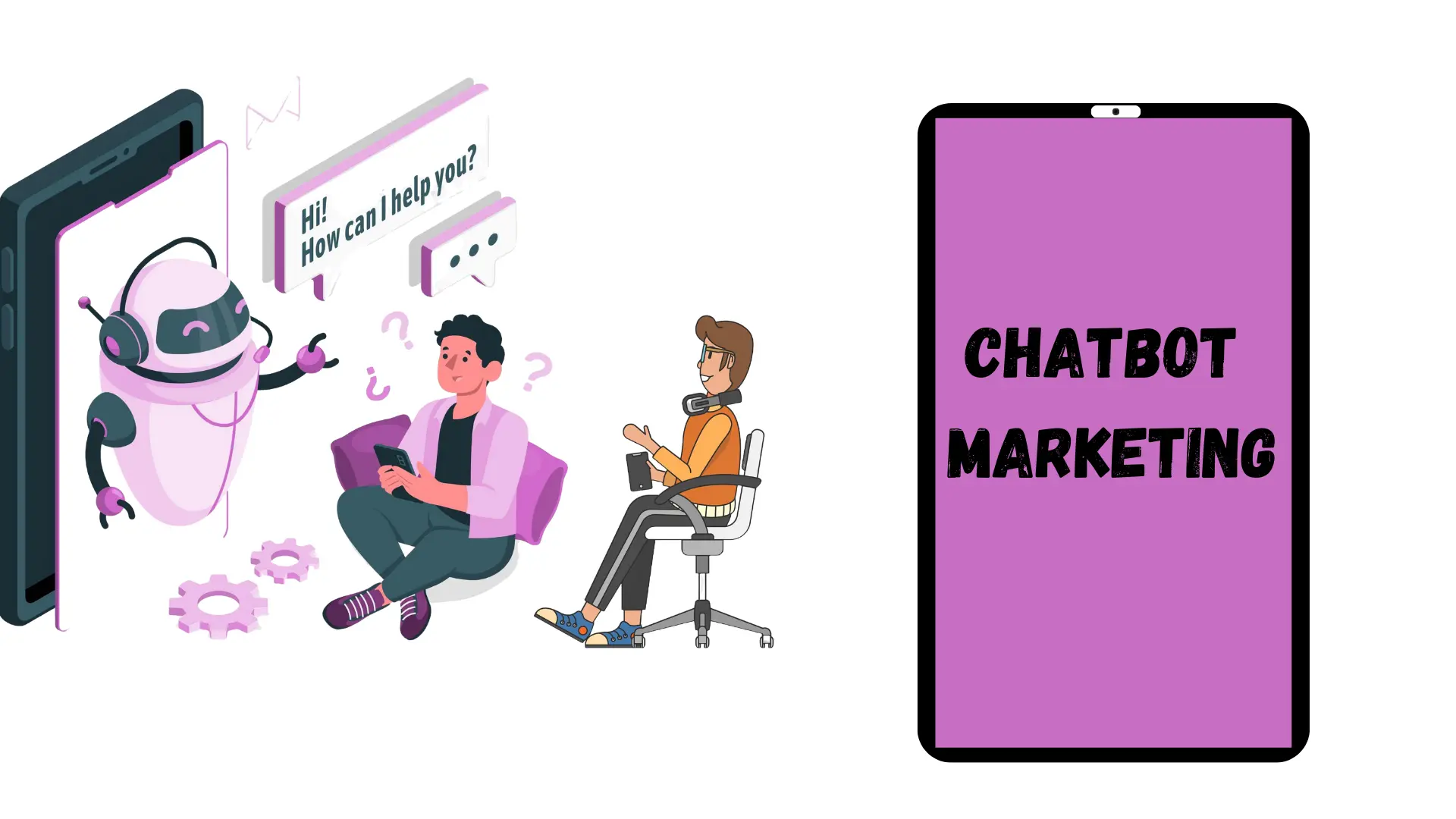
    Third, being prepared means you can handle surprises better. If you know a lot of Digital Marketing Interview Questions and Answers, you’ll be ready for unexpected questions.

    Lastly, preparation helps you stand out. By knowing these key questions and answers, you show that you’re committed and ready for the role.

    1. What is Digital Marketing?

    Digital marketing involves promoting products or services through digital channels such as search engines, websites, social media, email, and mobile apps. It includes strategies like SEO, content marketing, social media marketing, and more.

    2. How does SEO work?

    Search Engine Optimization (SEO) is the practice of optimizing web pages to rank higher in search engine results. It includes keyword research, on-page SEO (like meta tags and content optimization), off-page SEO (like backlinks), and technical SEO (like site speed and mobile-friendliness).

    3. What is a Keyword?

    keyword is a term or phrase that users enter into search engines. Keywords are essential for SEO as they help search engines understand the content’s relevance to user queries.

    4. What is PPC?

    Pay-Per-Click (PPC) is an online advertising model where advertisers pay a fee each time their ad is clicked. It’s a method of buying visits to your site rather than earning them organically.

    5. Explain the concept of Content Marketing.

    Content marketing focuses on creating and distributing valuable, relevant content to attract and engage a target audience, ultimately driving profitable customer actions.

    6. What are the major Google algorithms?

    Key Google algorithms include:

    • Panda: Focuses on content quality.
    • Penguin: Targets link quality.
    • Hummingbird: Enhances understanding of search queries.
    • RankBrain: Uses machine learning to process search results.

    7. What is a Backlink?

    backlink is a link from one website to another. Backlinks are vital for SEO as they signal to search engines that your content is authoritative and trustworthy.

    8. Describe Social Media Marketing.

    Social media marketing uses platforms like Facebook, Twitter, and Instagram to promote products, services, or brands through content creation, engagement, and paid advertising.

    9. What is the difference between SEM and SEO?

    SEO (Search Engine Optimization) aims to improve organic search rankings, while SEM (Search Engine Marketing) involves paid advertising to increase search visibility.

    Digital Marketing Interview Questions and Answers

    10. How do you measure the success of a digital marketing campaign?

    Success can be measured using metrics like:

    • Website Traffic: Number of visitors.
    • Conversion Rate: Percentage of visitors completing desired actions.
    • Engagement: Likes, shares, comments.
    • ROI: Return on Investment, calculated by dividing profit by campaign cost.

    11. What is Email Marketing?

    Email marketing involves sending emails to prospects and customers to nurture relationships, promote products, and drive conversions.

    12. Explain the importance of mobile marketing.

    Mobile marketing targets users on smartphones and tablets. With increasing mobile usage, it’s crucial to ensure marketing strategies are mobile-optimized.

    13. What is the role of analytics in digital marketing?

    Analytics provide data on user behavior, campaign performance, and ROI, enabling marketers to make informed decisions and optimize strategies.

    14. What are some common digital marketing tools?

    Popular tools include:

    • Google Analytics: Web analytics.
    • Hootsuite: Social media management.
    • SEMrush: SEO and competitive analysis.
    • MailChimp: Email marketing.

    15. What is a buyer persona?

    buyer persona is a detailed representation of your ideal customer, based on market research and real data. It helps tailor marketing efforts to better meet the audience’s needs.

    16. How does influencer marketing work?

    Influencer marketing involves partnering with influential people in your industry to promote your brand. Influencers have large followings and can impact purchasing decisions.

    17. What is a landing page?

    landing page is a standalone web page created for a marketing or advertising campaign. Its primary goal is to convert visitors into leads or customers.

    18. Explain the term ‘conversion rate optimization (CRO)’.

    CRO involves increasing the percentage of website visitors who take a desired action through A/B testing, improving usability, and optimizing content and calls to action.

    Digital Marketing Interview Questions and Answers

    19. What are effective SEO strategies?

    Effective strategies include:

    • Keyword Research: Identifying relevant keywords.
    • Content Creation: Producing high-quality, keyword-rich content.
    • On-Page SEO: Optimizing title tags, meta descriptions, and headers.
    • Link Building: Acquiring high-quality backlinks.
    • Technical SEO: Improving site speed, mobile-friendliness, and crawlability.

    20. What is Google AdWords?

    Google AdWords (now Google Ads) is an online advertising platform where advertisers bid to display brief ads, service offerings, product listings, and video content to web users.

    21. Describe the customer journey.

    The customer journey is the process customers go through from initial awareness of your brand to making a purchase and beyond. It includes stages like awareness, consideration, decision, and retention.

    22. What is affiliate marketing?

    Affiliate marketing is a performance-based marketing strategy where a business rewards affiliates for each visitor or customer brought by the affiliate’s marketing efforts.

    23. Explain the concept of remarketing.

    Remarketing involves showing targeted ads to users who have previously visited your website or used your mobile app, helping to keep your brand top-of-mind and encourage return visits.

    24. What is the importance of A/B testing in digital marketing?

    A/B testing compares two versions of a webpage or app to determine which performs better, crucial for optimizing user experience and improving conversion rates.

    25. How do you approach market segmentation?

    Market segmentation involves dividing a broad target market into subsets of consumers with common needs and priorities, allowing for more targeted and effective marketing strategies.

    26. What is programmatic advertising?

    Programmatic advertising uses automated technology to buy and sell online advertising, leveraging data and algorithms to deliver ads to the right audience at the right time.

    27. How do you define engagement rate?

    Engagement rate measures the level of interaction content receives from an audience, including likes, shares, comments, and other forms of interaction.

    28. What is a CTA (Call to Action)?

    Call to Action (CTA) is a prompt on a website that encourages the user to take a specified action, such as “Sign Up,” “Buy Now,” or “Learn More.”

    29. Explain the importance of a content calendar.

    content calendar schedules what and when content will be published, ensuring consistent delivery and alignment with marketing goals and campaigns.

    30. What is the difference between B2B and B2C marketing?

    B2B (Business-to-Business) marketing targets other businesses, focusing on logic and ROI, while B2C (Business-to-Consumer) marketing targets individual consumers, focusing on emotions and benefits.

    31. What are the benefits of social media marketing?

    Social media marketing can increase brand awareness, improve engagement, drive website traffic, generate leads, and enhance customer loyalty.

    32. What is the importance of video marketing?

    Video marketing is crucial as it engages audiences, increases conversion rates, improves SEO, and provides a high ROI.

    33. What is native advertising?

    Native advertising involves creating ads that match the look, feel, and function of the media format in which they appear, providing a less intrusive advertising experience.

    34. Explain the term ‘marketing automation’.

    Marketing automation uses software to automate repetitive marketing tasks, such as email campaigns, social media posting, and ad campaigns, improving efficiency and effectiveness.

    35. What is the importance of branding in digital marketing?

    Branding builds a strong, positive perception of your company, helping to differentiate it from competitors, foster customer loyalty, and drive long-term success.

    36. How do you define conversion in digital marketing?

    conversion occurs when a user completes a desired action, such as making a purchase, filling out a form, or subscribing to a newsletter.

    37. What is the role of user-generated content in digital marketing?

    User-generated content (UGC) involves content created by customers or users, such as reviews, testimonials, and social media posts, which can enhance credibility and engagement.

    38. Explain the term ‘customer lifetime value (CLV)’.

    Customer lifetime value (CLV) measures the total worth of a customer to a business over the entirety of their relationship, helping to inform marketing and retention strategies.

    39. What is the importance of local SEO?

    Local SEO optimizes your online presence to attract more business from relevant local searches, crucial for businesses with a physical location or serving a specific geographic area.

    40. What is the difference between organic and paid search results?

    Organic search results are listings that appear due to their relevance to the search terms, while paid search results are ads that appear at the top of or alongside the organic results.

    Digital Marketing Interview Questions and Answers

    41. How do you use Google Analytics for digital marketing?

    Google Analytics is a powerful tool that provides comprehensive insights into your website’s performance and user behavior. Here are key ways to utilize Google Analytics for digital marketing:

    1. Track Website Traffic

    Google Analytics helps you monitor the number of visitors to your website. You can track total visits, unique visitors, and page views to understand your site’s reach and audience engagement—making it one of the key topics covered in Top 50 Digital Marketing Interview Questions and Answers.

    2. Understand Traffic Sources

    Identify where your traffic is coming from with the traffic sources report. This includes:

    • Organic Search: Visitors who find your site via search engines.
    • Direct Traffic: Visitors who type your URL directly into their browser.
    • Referral Traffic: Visitors who click on links from other websites.
    • Social Media: Visitors from social media platforms.
    • Paid Search: Visitors from PPC campaigns.

    3. Analyze User Behavior

    Understand how users interact with your site:

    • Bounce Rate: The percentage of visitors who leave after viewing only one page.
    • Average Session Duration: The average amount of time visitors spend on your site.
    • Pages per Session: The average number of pages viewed during a session.

    4. Measure Conversion Rates

    Set up Goals and Conversions to track specific actions you want visitors to take, such as completing a purchase, signing up for a newsletter, or filling out a contact form. This helps measure the effectiveness of your campaigns.

    5. Identify Top Performing Pages

    Use the Behavior report to see which pages receive the most traffic, have the highest engagement, and drive the most conversions. This helps you understand what content resonates with your audience.

    6. Audience Insights

    Gain insights into your audience’s demographics, interests, geographic locations, and devices they use to access your site. This information helps you tailor your marketing strategies to better meet their needs.

    7. Monitor Campaign Performance

    Track the performance of your marketing campaigns through UTM parameters. This allows you to see which campaigns are driving traffic and conversions, enabling you to allocate resources effectively.

    8. Improve SEO

    Analyze the Acquisition report to understand how organic search contributes to your traffic. Identify high-performing keywords and optimize your content to improve search engine rankings.

    9. Enhance User Experience

    Use the Site Speed report to monitor your website’s loading times. Faster websites provide a better user experience and can improve search engine rankings.

    10. Set Up Custom Dashboards and Reports

    Create custom dashboards and reports to monitor the metrics that matter most to your business. This helps you stay focused on your goals and quickly identify areas that need improvement.

    By leveraging Google Analytics, you can gain valuable insights into your digital marketing efforts, make data-driven decisions, and continuously optimize your strategies for better results

    42. What is a marketing funnel?

    marketing funnel represents the stages a customer goes through from awareness to purchase. The stages typically include:

    • Awareness: The customer becomes aware of your brand.
    • Interest: The customer shows interest in your products or services.
    • Consideration: The customer evaluates your offerings.
    • Intent: The customer shows a desire to purchase.
    • Purchase: The customer completes the transaction.

    43. What is the role of storytelling in digital marketing?

    Storytelling in digital marketing involves creating compelling narratives that engage the audience, build emotional connections, and communicate the brand’s values and messages effectively.

    44. How do you conduct a competitive analysis?

    Competitive analysis involves researching and evaluating your competitors’ strengths and weaknesses. Key steps include:

    • Identifying competitors.
    • Analyzing their marketing strategies.
    • Evaluating their content and SEO efforts.
    • Assessing their social media presence.
    • Understanding their customer engagement tactics.

    45. What is the importance of customer reviews?

    Customer reviews influence potential buyers’ decisions, enhance credibility, and improve SEO by generating fresh, user-generated content that search engines value.

    46. What is a lead magnet?

    lead magnet is an incentive offered to potential customers in exchange for their contact information. Examples include ebooks, whitepapers, free trials, and webinars.

    47. How do you use social proof in marketing?

    Social proof leverages the influence of other people’s actions and opinions to build trust and encourage others to take similar actions. This can include customer reviews, testimonials, endorsements, and case studies.

    48. Explain the concept of inbound marketing.

    Inbound marketing focuses on attracting customers through valuable content and experiences tailored to them, rather than pushing products directly. It aims to create meaningful connections and build lasting relationships.

    49. What is the role of an editorial calendar in content marketing?

    An editorial calendar helps plan, organize, and schedule content production and publication. It ensures consistency, aligns with marketing goals, and helps manage resources efficiently.

    50. How do you optimize a website for voice search?

    To optimize for voice search, consider the following strategies:

    • Use natural, conversational language.
    • Focus on long-tail keywords and phrases.
    • Optimize for local search queries.
    • Ensure your site is mobile-friendly.
    • Provide concise, direct answers to common questions.

    Tips for Answering Digital Marketing Interview Questions and Answers:

    1. Know the Basics: Make sure you understand key digital marketing concepts like SEO, content marketing, and social media. Knowing these basics will help you confidently answer common Digital Marketing Interview Questions and Answers.
    2. Be Specific: When you answer questions, use real examples from your work experience. This shows how you’ve put your knowledge into practice and makes your answers to Digital Marketing Interview Questions and Answers more convincing.
    3. Stay Updated: The digital marketing world changes quickly. Be aware of the latest trends and tools. Mentioning new developments in your answers will show you’re current with Digital Marketing Interview Questions and Answers.
    4. Show Your Passion: Let your enthusiasm for digital marketing come through. Explain why you love the field and what excites you. A passionate response to Digital Marketing Interview Questions and Answers can really make you stand out.
    5. Practice Your Answers: Go over common Digital Marketing Interview Questions and Answers and practice your responses. This will help you speak clearly and feel more relaxed during the interview.

    By following these tips, you’ll be ready to handle Digital Marketing Interview Questions and Answers with confidence and make a great impression.

    Conclusion 

    Preparing for a digital marketing interview can be a game-changer for your career. By focusing on the Top 50 Digital Marketing Interview Questions and Answers, you’ll be well-equipped to tackle any question that comes your way. Understanding these key questions helps you showcase your skills, demonstrate your knowledge, and present yourself as a strong candidate.

    Being prepared not only boosts your confidence but also shows that you’re serious about the role. It allows you to handle unexpected questions with ease and stand out in a competitive job market. Remember to stay updated on the latest trends and practice your answers to make a lasting impression.

    With a solid grasp of these Digital Marketing Interview Questions and Answers, you’ll be ready to impress potential employers and take the next step in your digital marketing career. 

    Tags :
    Author : Shahul

    Consectetur sollicitudin cubilia facilisis lobortis lacus a ac phasellus. Mus pulvinar enim suspendisse pharetra id commodo platea nunc aliquet.

    Learner of DigiSkillz, Digital Marketing Institute in Kochi.

Call Now Button