

In today’s competitive digital landscape, marketing through social media has become a vital tool for businesses and influencers aiming to grow their audience. With billions of users across platforms like Instagram, Facebook, TikTok, and LinkedIn, social media offers a powerful opportunity to connect with your target market and expand your reach. However, to truly harness its potential, you need a thoughtful and strategic approach. In this blog, we’ll explore proven techniques to help you master social media marketing and effectively grow your audience.
Table of Contents
1. Know Your Audience

The foundation of any successful social media marketing strategy is understanding your audience. Who are they? What are their interests? What problems do they want to solve? By answering these questions, you can create content that resonates with them and sparks engagement.
Most social media platforms offer analytics tools that provide valuable insights into your followers’ demographics, preferences, and online behavior. Tools like Instagram Insights, Facebook Audience Insights, and LinkedIn Analytics help you track metrics such as age, location, and interests. Use this data to build a clear profile of your ideal audience and create content that speaks directly to their needs.
When your content is tailored to your audience’s preferences, you’re more likely to attract new followers who share those interests.
Know Your Audience: The Key to Effective Marketing Through Social Media
In today’s competitive digital landscape, marketing through social media has become a cornerstone of successful business strategies. With billions of users across platforms like Instagram, Facebook, Twitter, LinkedIn, and TikTok, businesses have a massive opportunity to reach diverse audiences. However, the real challenge lies in connecting with the right audience, not just reaching a large number of people. To create impactful and successful campaigns, businesses must understand their audience’s needs, preferences, and behavior.Understanding your audience is the cornerstone of any successful marketing strategy. Let’s dive into why it’s so important and how you can identify and target your audience for the best results.
Why Knowing Your Audience is Crucial
 Marketing through social media is most effective when your strategy is laser-focused on your target audience. Here’s why understanding your audience is essential:
1.Personalized Content: People on social media expect brands to deliver content that feels relevant and personal to them. By understanding your audience, you can craft messages that speak directly to their interests and needs. This increases the likelihood of engagement, whether in the form of likes, comments, shares, or clicks.
2.Better Engagement: Knowing your audience helps you create content that resonates with them, leading to higher engagement rates. If your posts address their pain points, desires, and interests, users are more likely to interact with your brand and share your content with others.
3.Efficient Use of Resources: Understanding your audience allows you to target the right people with the right content, maximizing the return on investment (ROI) for your marketing efforts. Instead of casting a wide net, you can focus your resources on the audience segments that are most likely to convert.
4.Building Brand Loyalty: Social media marketing isn’t just about sales; it’s also about building relationships. By delivering content that’s tailored to your audience, you can foster long-term connections and loyalty. People are more likely to follow and support brands that truly understand them.
How to Identify Your Audience


 Now that we’ve established why knowing your audience is essential, let’s explore how you can identify who they are and what they need. Here are a few strategies to help you gain insights into your target market:
1. Utilize Social Media Analytics
Every major social media platform offers analytics tools that provide valuable insights into your current followers. Instagram Insights, Facebook Audience Insights, and Twitter Analytics can give you demographic details like age, gender, location, and interests. They also reveal engagement data—what types of posts get the most likes, comments, or shares, and when your audience is most active.
Analyzing this data helps you understand your current audience, allowing you to refine your strategy and tailor your content more effectively to the people who are already following you.
2. Create Detailed Audience Personas
One of the best ways to ensure that your content resonates with your audience is by creating audience personas. These are fictional profiles that represent different segments of your audience, built from real data. When creating personas, consider:
Demographic Information: Age, gender, income, education level, and geographical location.
Psychographics: Interests, values, attitudes, and lifestyle choices.
Behavioral Patterns: Social media usage, content consumption habits, and purchasing behavior.
For example, if you’re a fashion brand, one of your personas might be a 25-year-old woman who loves sustainability and regularly follows eco-conscious influencers on Instagram. You can then create content that highlights your sustainable practices and aligns with her values.
3. Leverage Surveys and Polls
Asking your audience directly what they want to see from your brand can be a simple but powerful way to understand them better. You can use social media platforms’ built-in tools, such as Instagram Stories polls or Facebook surveys, to gather insights into your followers’ preferences, challenges, and interests.
Questions like, “What type of content do you find most helpful?” or “What problems are you trying to solve?” can provide valuable feedback that informs your content strategy. Surveys also show your audience that you value their input, which can foster stronger connections and trust.
4. Study Competitors
Competitor analysis is another great way to understand your audience. By observing how your competitors engage with their followers and what types of content get the most traction, you can gather clues about the types of content and messaging that appeal to your shared audience.
For example, if a competitor’s video content consistently outperforms their text posts, you might consider incorporating more video into your strategy. Additionally, by analyzing their follower demographics, you may uncover new audience segments that could be relevant to your brand.
Tailoring Content to Your Audience

Once you’ve identified your audience, the next step in marketing through social media is to create content that directly appeals to them. Here’s how you can tailor your content for maximum impact:
Use the Right Tone: The tone of your content should match your audience’s preferences. If your target audience is young and casual, using a fun, relaxed tone will likely work best. For a more professional audience, keep your tone polished and formal.
Solve Their Problems: If you know your audience’s pain points, you can create content that offers solutions. For example, if you’re a tech brand and your audience struggles with productivity, offer tips, tools, or resources to help them overcome that challenge.
Be Consistent: Regular posting and consistent messaging help build trust with your audience. Consistency shows that your brand is reliable and keeps your audience engaged over time.
Post at Optimal Times: Use the insights from your analytics to determine when your audience is most active on social media, and schedule your posts during these times to maximize visibility and engagement.
2. Create Platform-Specific Content
 One of the key aspects of marketing through social media is recognizing that each platform has its unique style and audience. What works on Instagram may not work on LinkedIn, and vice versa. Tailoring your content to each platform increases engagement and makes your audience more likely to share your posts.
Here are some content strategies for the major platforms:
Instagram & TikTok: These platforms prioritize visually engaging content. Use high-quality images, reels, and short, creative videos that showcase your brand in an appealing and entertaining way.
Facebook: Facebook’s algorithm favors content that generates meaningful interaction. Mix visuals with informative or entertaining posts and utilize Facebook Groups to build communities around your brand.
LinkedIn: LinkedIn is a professional networking platform, so focus on industry-specific content. Share thought leadership articles, case studies, and professional achievements to engage a business-focused audience.
By creating platform-specific content, you maximize your chances of connecting with the right audience and encouraging followers to engage.
Create Platform-Specific Content: Boosting Engagement in Marketing Through Social Media
In today’s fast-paced digital landscape, marketing through social media is no longer just about posting a single piece of content across all platforms. Instead, success comes from creating platform-specific content that speaks directly to each platform’s unique audience. Different social media platforms serve different purposes, cater to various demographics, and require distinct approaches to content creation. In this blog, we’ll explore the importance of creating platform-specific content and how businesses can use it to enhance their social media marketing strategies.
Why Platform-Specific Content Matters

When you’re engaged in marketing through social media, your audience’s expectations change depending on the platform they are using. A one-size-fits-all approach will likely result in lower engagement and less effective campaigns. Here’s why platform-specific content is crucial:
1.Audience Relevance: Each platform attracts a different type of user. Instagram appeals to younger audiences with a focus on visuals, while LinkedIn caters to professionals seeking business insights. Knowing who uses each platform helps you craft content that appeals directly to that audience.
2.Platform Features: Social media platforms come with specific features that require tailored content. For example, Instagram Stories allow for quick, interactive updates, while Twitter’s 280-character limit pushes you to be concise and engaging. Leveraging these features can boost engagement and visibility.
3.Maximized Engagement: When content is tailored to fit the culture and behavior of a platform, users are more likely to engage with it. Whether it’s likes, shares, comments, or click-throughs, the more relevant your content is to a particular platform, the higher the chances of it resonating with your audience.
How to Create Platform-Specific Content
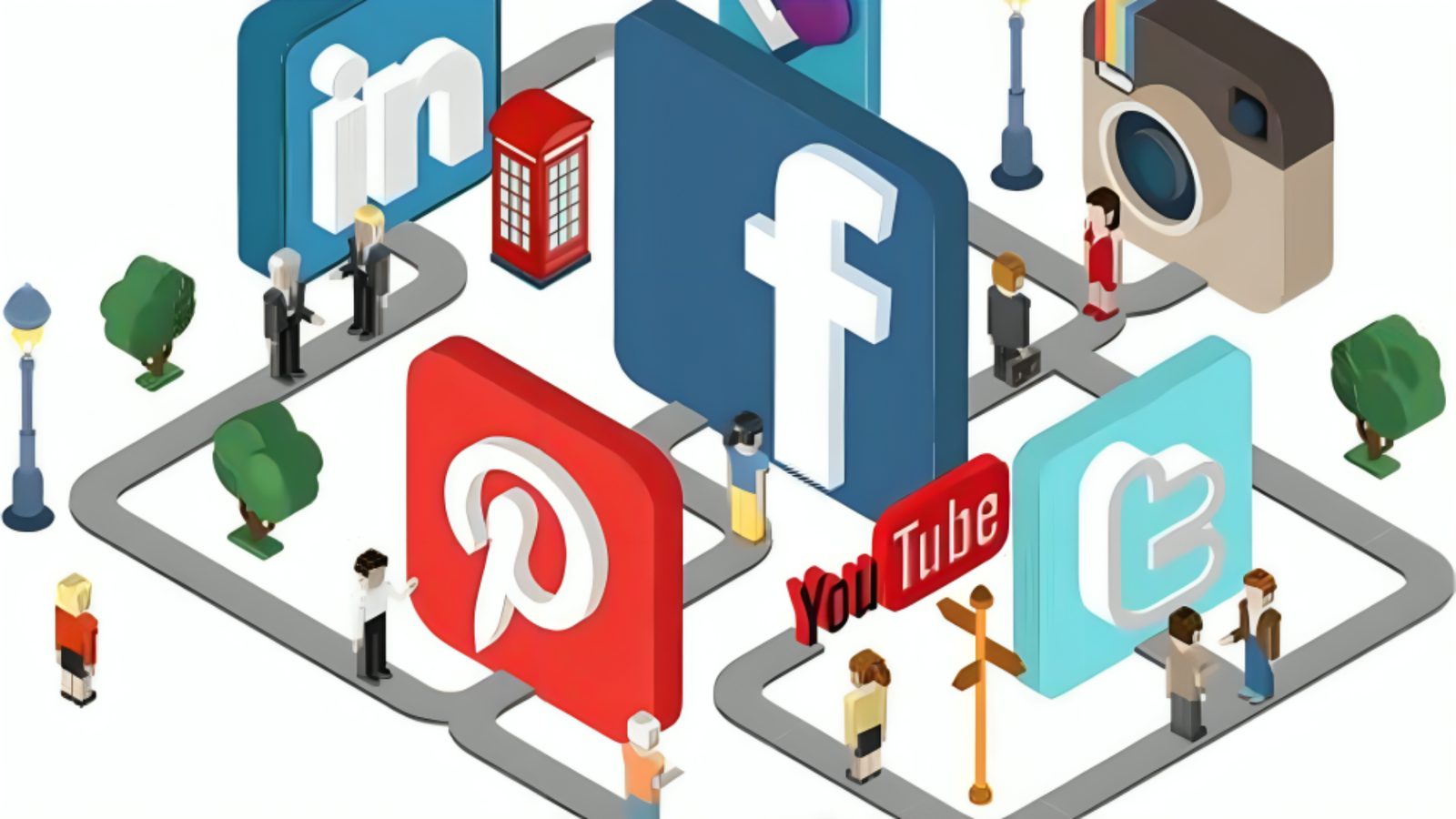
To make the most of marketing through social media, it’s crucial to understand the unique needs and formats of each platform. Here’s how to craft content that works for the major social media platforms.
1. Instagram: Visual and Aesthetic Content
Instagram is all about visuals—pictures, videos, and aesthetically pleasing content dominate the platform. It has become a go-to for brands looking to showcase their products in creative ways to a younger audience.
What Works: High-quality images, short videos, and behind-the-scenes content perform best. Use Instagram Stories and Reels to create engaging, quick-hitting content. Instagram thrives on polished visuals, so invest in clear, attractive images and videos that align with your brand’s aesthetic.
Pro Tip: Use hashtags strategically to increase discoverability and encourage user-generated content by creating interactive challenges or contests.
2. Facebook: Versatile and Community-Driven Content
Facebook caters to a broad audience, from younger users to older demographics. It’s also a more versatile platform, allowing for a wide range of content types, from text posts and articles to videos and events.
What Works: Mixed media content is ideal. Facebook is great for long-form posts, article sharing, and engaging videos. Try using Facebook Live to connect with your audience in real time and to foster community interaction.
Pro Tip: Use Facebook’s advertising tools to target specific demographics, and create a Facebook Group to build a community around your brand.
3. Twitter: Short, Timely, and Engaging Content
Known for its fast-paced environment and character limit, Twitter is ideal for short, snappy content. It’s a platform where timely news, updates, and discussions thrive, and hashtags can make your content visible to a wider audience.
What Works: Quick, concise messages, breaking news, and conversational posts perform best. Use humor, wit, and trending hashtags to get noticed. Visual content, such as GIFs or images, can help boost engagement.
Pro Tip: Consistency is key on Twitter. Frequent posts and real-time engagement, such as replying to comments and joining trending conversations, will help your brand stay relevant.
4. LinkedIn: Professional and Educational Content
LinkedIn is the primary platform for B2B marketing and reaching professionals. Users come to LinkedIn for industry news, professional advice, and networking opportunities.
What Works: Long-form articles, thought leadership posts, case studies, and business insights are perfect for LinkedIn. Share actionable tips or industry trends to position your brand as an expert in the field.
Pro Tip: LinkedIn’s algorithm favors personal engagement, so comment on others’ posts and contribute meaningfully to discussions in your industry to boost your visibility.
5. TikTok: Fun, Creative, and Short-Form Video Content
TikTok has taken social media by storm, especially among Gen Z users. It’s a platform for creativity, humor, and viral content, driven by short, engaging videos.
What Works: Short, entertaining videos that follow popular trends or challenges are key to success on TikTok. Use humor, creativity, and spontaneity to capture attention.
Pro Tip: Keep an eye on trending hashtags and sounds, as TikTok’s algorithm heavily promotes content that aligns with current trends. Partnering with influencers can significantly broaden your audience reach.
Best Practices for Creating Platform-Specific Content
 Here are a few general tips to consider when developing content tailored for each platform:
Know Your Audience: Different platforms attract different demographics, so it’s crucial to understand who you’re talking to. Do your research and create content that aligns with each platform’s audience.
Leverage Native Features: Whether it’s Instagram Reels, Facebook Stories, or Twitter polls, every platform has its own set of features. Using these features not only improves engagement but also helps your content get prioritized by the platform’s algorithm.
Consistency is Key: Post regularly and be consistent with your messaging across platforms. Even though you are tailoring your content, your brand voice and values should remain cohesive.
Measure and Adjust: Use platform-specific analytics to track how your content is performing. Based on the data, refine your strategy to produce more of what works and less of what doesn’t.
3. Consistency is Key
 In social media marketing, consistency is crucial. Posting regularly keeps your brand in front of your audience and signals to social media algorithms that your account is active, which can improve your visibility. However, it’s crucial to maintain a balance between quantity and quality. Avoid posting just for the sake of it—every post should provide value to your audience.
To maintain consistency, develop a content calendar that outlines what you’ll post and when. Scheduling tools like Buffer, Hootsuite, or Later can help you automate posts, ensuring a steady flow of content. Keep your brand voice and message consistent across platforms, so your audience knows what to expect from you.
Consistency is Key: Unlocking Success in Marketing Through Social Media
In today’s fast-paced digital landscape, where new trends emerge daily and competition is fierce, one principle stands out in the realm of marketing through social media: consistency. Establishing and maintaining a consistent presence across various platforms is not just beneficial; it is essential for building brand recognition, engaging audiences, and driving conversions. In this blog post, we’ll explore why consistency is crucial for social media marketing success and how you can effectively implement it in your strategy.
The Importance of Consistency
Enhances Brand Recognition
Consistency in branding—such as logos, color schemes, fonts, and messaging—plays a critical role in helping your audience recognize and remember your brand. When followers encounter the same visual elements and messages repeatedly, they become more familiar with your brand, leading to stronger recall when it comes time to make purchasing decisions. For example, brands like Apple and Coca-Cola are instantly recognizable due to their consistent branding across all channels.learn more:
Builds Trust and Credibility
Trust is fundamental to successful marketing. A consistent posting schedule signals reliability to your audience. When followers know they can expect regular updates from your brand, they are more likely to engage with your content and feel connected to your brand. Conversely, erratic posting can lead to skepticism and disengagement. By consistently providing valuable, high-quality content, you position yourself as an authority in your niche, fostering credibility and loyalty among your audience.
Boosts Audience Engagement
Social media algorithms favor accounts that post consistently. Regularly scheduled posts keep your brand visible in users’ feeds, increasing the likelihood of interaction. When followers see your content frequently, they are more inclined to like, comment, or share, which helps to cultivate a vibrant community around your brand. Consistency in your posting schedule not only drives engagement but also enhances your overall visibility, creating a feedback loop that benefits your brand.
Reinforces Your Brand Message
A consistent approach to messaging ensures that your brand’s core values and objectives remain clear to your audience. If your messaging is fragmented or inconsistent, it can confuse your followers about what your brand stands for. By maintaining a unified voice and tone, you effectively communicate your values, making it easier for consumers to connect with you on a personal level. Over time, this connection fosters loyalty and encourages repeat business.
Drives Long-Term Growth
Success in marketing through social media is not an overnight phenomenon; it requires time and sustained effort. By maintaining consistency in your posting frequency and brand messaging, you can gradually build momentum. Over time, your consistent efforts will lead to increased followers, higher engagement rates, and improved conversions. The more consistently you deliver quality content, the more likely you are to achieve your long-term business goals.
Strategies for Achieving Consistency
To leverage the power of consistency in your social media marketing, consider these actionable strategies:
1. Develop a Content Calendar
Creating a content calendar is essential for planning and organizing your posts. This tool allows you to outline your content strategy in advance, ensuring you maintain a consistent posting schedule. By planning your content, you can avoid last-minute scrambles and ensure that your posts align with your marketing goals.
Pro Tip: Utilize scheduling tools like Buffer or Hootsuite to automate your posts, allowing you to focus on engagement and interaction.
2. Set a Regular Posting Schedule
Determine how often you want to post on each platform and stick to that schedule. While the ideal frequency may vary depending on the platform, the key is to remain consistent. If you commit to posting three times a week on Facebook and daily on Instagram, make sure you follow through.
Pro Tip: Analyze your audience’s online behavior to identify the best times to post for maximum engagement.
3. Create a Cohesive Brand Voice
 Your brand voice should remain consistent across all platforms in your marketing through social media. Whether you choose a professional tone or a more casual, friendly approach, ensure it aligns with your brand identity. This consistency reinforces your message and makes it easier for your audience to connect with you effectively.
Pro Tip:Create a style guide for your marketing through social media that outlines your brand’s voice, tone, and messaging. This guide will ensure consistency and alignment among your team, keeping everyone on the same page and reinforcing your brand identity across all platforms.
4. Engage with Your Audience Regularly
 Engagement is a vital component of consistency in marketing through social media. Respond to comments, answer questions, and actively participate in discussions to demonstrate to your followers that you value their input. This interaction fosters community and encourages ongoing engagement with your content, enhancing your overall brand presence.
Pro Tip:In marketing through social media, set aside specific times each day or week to actively engage with your audience across different platforms. Consistent interaction helps build stronger connections, boost engagement, and enhance your brand’s online presence.
5. Monitor and Adjust Your Strategy
 While consistency is crucial in marketing through social media, flexibility is just as important. Regularly analyze your performance data to identify which types of content resonate most with your audience. Adjust your strategy accordingly to ensure that your consistent efforts generate positive results and align with audience preferences.
Pro Tip: Conduct quarterly reviews of your marketing through social media to assess performance and refine your strategy. Regularly analyzing your social media metrics will help you identify what’s working, optimize your approach, and enhance your overall marketing efforts for better results.
4. Engage with Your Audience
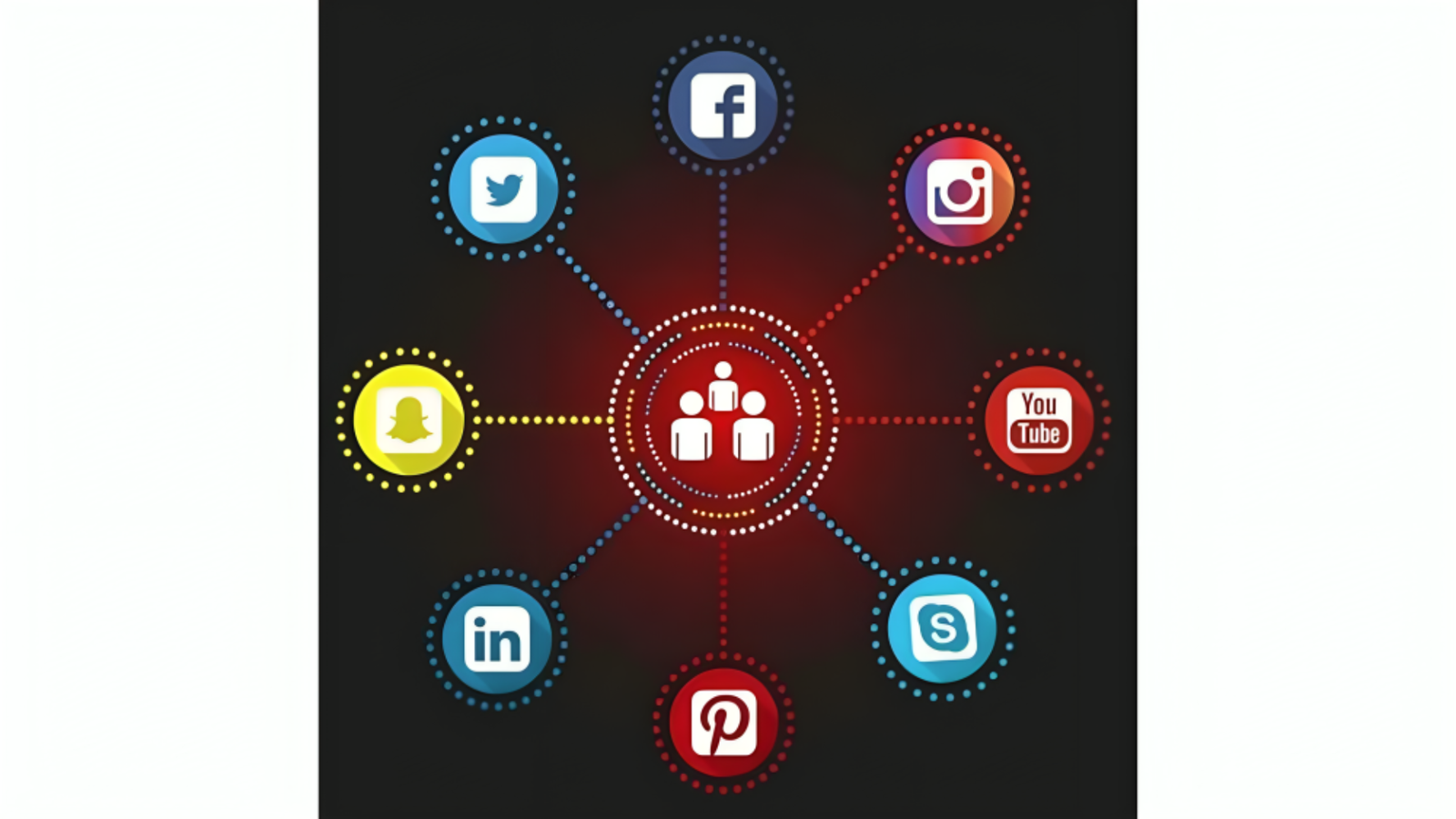
Effective marketing through social media is not a one-way street. Building relationships with your audience is just as important as posting content. Take the time to engage with your followers by responding to comments, answering direct messages, and asking for feedback. The more interactive and responsive you are, the more likely your audience will feel connected to your brand.
Engagement is key to successful marketing through social media, as platforms like Instagram and Facebook reward posts with higher interaction by increasing their reach. The more engagement your content generates, the more visible it becomes. Encourage conversations by asking questions, running polls, or sparking discussions related to your brand or industry to boost interactions and extend your reach.
5. Leverage Hashtags and Keywords
Hashtags play a vital role in marketing through social media by increasing the discoverability of your content on platforms like Instagram and TikTok. They help users find your posts when searching for specific topics or keywords. By incorporating relevant and trending hashtags, you can reach a broader audience and attract new followers, boosting your content’s visibility and engagement.
For example, when marketing through social media to promote a fitness product, hashtags like #FitnessGoals or #WorkoutMotivation can help you connect with users interested in fitness. Research the most popular and relevant hashtags in your niche, and avoid overloading your posts. Stick to a few targeted hashtags to keep your content focused and reach the right audience effectively.
6. Collaborate with Influencers
Influencer marketing through social media is one of the quickest ways to grow your audience. By collaborating with influencers who have established followings in your niche, you can leverage their audience to increase your brand’s visibility. Influencers often have loyal followers who trust their recommendations, helping you build credibility and attract new followers more effectively. This strategy enhances your marketing efforts by creating authentic connections with potential customers.
When engaging in marketing through social media, it’s crucial to select influencers whose audience aligns with your target demographic. Whether through product endorsements, sponsored posts, or live collaborations, influencer partnerships can be an effective way to expand your social media presence. By choosing the right influencers, you can connect with a highly relevant audience, boosting engagement and fostering brand growth.
7. Invest in Paid Advertising

While organic growth is crucial, marketing through social media can be significantly boosted with paid advertising. Platforms like Facebook, Instagram, and LinkedIn provide advanced targeting options, allowing you to reach specific demographics based on factors such as age, location, interests, and behaviors. Paid ads enhance your ability to connect with new users who may not have found your brand through organic means.
Conclusion
Mastering marketing through social media requires a blend of creativity, strategy, and consistency. By understanding your audience, creating platform-specific content, engaging with your followers, and leveraging tools like hashtags and influencer partnerships, you can effectively grow your social media audience. Additionally, a mix of organic and paid strategies will ensure a balanced approach to expanding your reach. With the right tactics, social media can become a powerful engine for brand growth, helping you reach new heights in the digital space.




Leave A Comment