

In the year the fast moving field of digital marketing, young people strive to establish successful careers as Digital Marketing Managers. As we approach 2024, the scene is more dynamic and competitive than ever, presenting both challenges and possibilities to those looking to lead in this profession.
Digital marketing managers are responsible for creating and carrying out online strategies to boost brand visibility, engagement, and conversions. To pursue this fascinating professional path, students must develop a diversified skill set. Expertise in SEO, social media marketing, data analytics, and developing technologies is essential.
Introduce yourself to the process by obtaining a solid educational foundation in marketing or similar subjects. Stay up to date on industry trends and technologies, as the field of digital advertising is constantly changing due to development. Internships or beginning employment will provide you with hands-on experience and help you understand the content better.
Communication is another critical component of success in this industry. Connect with industry leaders, attend conferences, and participate in online groups to remain updated while developing important connections.
In this work, we’ll look at the key actions, abilities, and knowledge needed to manage the changing digital marketing world and succeed as a Digital Marketing Manager in 2024. Prepare to open the door to a fulfilling and meaningful career in the digital space.
Table of Contents
What is digital marketing?
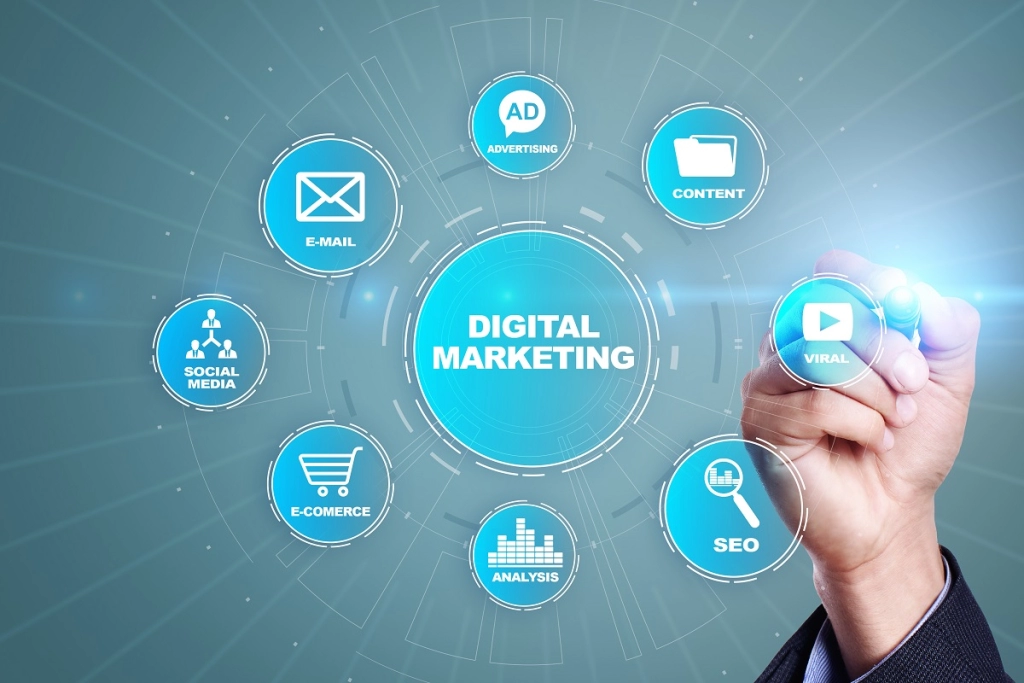
Digital marketing is the strategic use of online platforms and technologies to connect with a target audience. Through channels such as search engines, social media, email, and content, businesses promote their products or services, aiming to enhance brand visibility and engage potential customers.
How to Become a Digital Marketer in Five Steps
- Explore Digital Marketing Basics
- Choose Your Focus Area
- Learn from Online Courses
- Hands-On Experience
- Stay Updated and Network
1 Explore Digital Marketing Basics
Digital marketing involves using online platforms and technologies to promote products, services, or brands. It includes various strategies such as search engine optimization (SEO) to enhance online visibility, social media marketing for engaging with audiences on platforms like Facebook and Instagram, content creation for blogs and videos, email marketing for personalized communication, and online advertising to reach a wider audience. Understanding the basics of digital marketing allows individuals to leverage these tools to connect with customers, increase brand awareness, and drive business growth in the digital space.
2 Choose Your Focus Area
Choosing your focus area in digital marketing means deciding on a specific aspect you want to specialize in. It could be social media management, where you create and share content on platforms like Instagram and Twitter. Alternatively, you might focus on SEO (Search Engine Optimization) to improve website visibility on search engines. Content creation involves producing engaging blogs, articles, or videos, while email marketing centers around crafting effective email campaigns. By selecting your focus area, you can streamline your learning and expertise, making it easier to build a successful career in the digital marketing field.
3 Learn from Online Courses
Learning digital marketing from online courses is a convenient and accessible way to acquire valuable skills. Platforms like Google Digital Garage, HubSpot Academy, and LinkedIn Learning offer beginner-friendly courses that cover various aspects of digital marketing management. These courses provide step-by-step guidance, interactive content, and the flexibility to learn at your own pace. By enrolling in online courses, you can grasp the fundamentals of digital marketing, gain practical insights, and develop the knowledge needed to excel in the field, all from the comfort of your own space.
4 Hands-On Experience
Hands-on experience is a crucial part of becoming a successful digital marketer. It involves applying the knowledge you’ve gained by working on real projects. Whether it’s starting a blog, managing social media accounts, or assisting a local business with its online presence, hands-on experience allows you to practice and solidify your skills. This practical involvement not only enhances your understanding of digital marketing concepts but also helps you build a portfolio that showcases your abilities to potential employers or clients.
5 Stay Updated and Network
Staying updated and networking is essential for success in digital marketing In the ever-shifting terrain of the digital realm, trends, and technologies sprout like digital wildflowers, creating a landscape that constantly reinvents itself... By following industry blogs, podcasts, and influencers, you can stay informed about the latest developments. Networking with another digital marketing manager through online forums, social media groups, and events allows you to learn from experiences, share insights, and stay connected with a community that can offer support and collaboration opportunities. Keeping yourself in the loop ensures that you remain adaptable and ready to navigate the dynamic world of digital marketing.

What Is a Digital Marketing Manager?
A Digital Marketing Manager is someone who handles online marketing for a business. They use platforms like social media and search engines to boost the brand’s visibility and connect with customers. Their job includes planning and running digital campaigns while keeping an eye on industry trends.
In today’s fast-paced digital market, the work of a Digital Marketing Manager is critical for companies looking to succeed online. A Digital Marketing Manager is a professional in charge of creating, implementing, and managing marketing campaigns to promote a company’s products or services using different forms of digital media.
Digital Marketing Managers’ primary responsibilities are to create broad strategies to improve a brand’s online visibility, increase customer interaction, and, ultimately, generate conversions. From social media and email marketing to search engine optimization (SEO) and paid advertising, these managers navigate the variable digital landscape to increase a business’s visibility and reach its target market.
With an excellent understanding of analytics, Digital Marketing Managers frequently review data to assess campaign effectiveness, identify areas for development, and verify that marketing activities are in line with broader corporate objectives. Their adaptability extends to remaining current on industry trends, developing technology, and changing consumer habits, allowing them to adjust plans for the best outcomes.
In simple terms, a Digital Marketing Manager manages a brand’s digital story, combining creativity and analytical skills to catapult organizations to new heights in the dynamic world of online marketing. As organizations more frequently appreciate the value of a strong digital presence, the position of Digital Marketing Managers has become critical to attaining success in the age of digital platforms.
What Does a Digital Marketing Manager Do?
A Digital Marketing Manager is like a digital maestro, orchestrating online strategies to make a brand shine. They dive into social media, tweak search engines, and send clever emails to connect with customers. Their job? To boost the brand’s online presence and make it stand out in the digital crowd. It’s a mix of creativity, strategy, and keeping tabs on what’s hot in the online world. Simply put, they’re the digital wizards making brands sparkle in the vast internet realm.
In today’s fast-paced digital market, the work of a Digital Marketing Manager is critical for companies looking to succeed online. A Digital Marketing Manager is a professional in charge of creating, implementing, and managing marketing campaigns to promote a company’s products or services using different forms of digital media.
Digital Marketing Managers’ primary responsibilities are to create broad strategies to improve a brand’s online visibility, increase customer interaction, and, ultimately, generate conversions. From social media and email marketing to search engine optimization (SEO) and paid advertising, these managers navigate the variable digital landscape to increase a business’s visibility and reach its target market.
With an excellent understanding of analytics, Digital Marketing Managers frequently review data to assess campaign effectiveness, identify areas for development, and verify that marketing activities are in line with broader corporate objectives. Their adaptability extends to remaining current on industry trends, developing technology, and changing consumer habits, allowing them to adjust plans for the best outcomes.
In simple terms, a Digital Marketing Manager manages a brand’s digital story, combining creativity and analytical skills to catapult organizations to new heights in the dynamic world of online marketing. As organizations more frequently appreciate the value of a strong digital presence, the position of Digital Marketing Managers has become critical to attaining success in the age of digital platforms.
How do I become a Digital Marketing Manager?
Embark on your Digital Marketing Manager journey by studying marketing, mastering essential skills, and gaining practical experience through internships. Navigate the digital seas with certifications like Google Ads, and connect with industry professionals through networking. As you rise, lead digital marketing teams, stay updated on trends, and steer campaigns to success.
The function of a Digital Marketing Manager is becoming more significant. As organizations attempt to create and improve their online presence, the demand for skilled digital marketing specialists is rising. If you enjoy navigating the digital landscape and think strategically, being a Digital Marketing Manager could be a fascinating adventure for you.
A Digital Marketing Manager generates, employs, and manages a company’s digital marketing strategy. This includes using online channels such as social media, email, search engines, and content creation to raise brand awareness and generate leads. The position necessitates an equal amount of creativity, analytical abilities, and a thorough awareness of new digital trends.
In this article collection, we’ll look at the main processes and abilities required to establish a successful career as a Digital Marketing Manager. From obtaining the necessary educational background to developing specialized technological skills, we’ll walk you through the practical steps that will put you on the path to becoming a skilled digital marketer and finally securing that prized position as a Digital Marketing Manager.

2. To become a Digital Marketing Manager
Education: Obtain a degree in marketing, business, or a related field.
Skills: Develop expertise in SEO, SEM, social media marketing, and analytics tools.
Experience: Gain practical experience through internships or entry-level roles.
Stay Updated:
Keep abreast of industry trends and changes in algorithms.
Certifications:
Acquire certifications in platforms like Google Ads, Google Analytics, or Facebook Blueprint.
Networking: Build a strong professional network through events and online platforms like LinkedIn.
Analytics: Showcase analytical and data skills for informed decision-making.
Leadership:
Develop leadership skills as digital marketing managers often oversee teams.
Personal Brand:
establish a personal brand through blogs or social media presence.
Apply for Roles: Target managerial positions in digital marketing or related fields.
3. The responsibilities of a Digital Marketing Manager typically include:
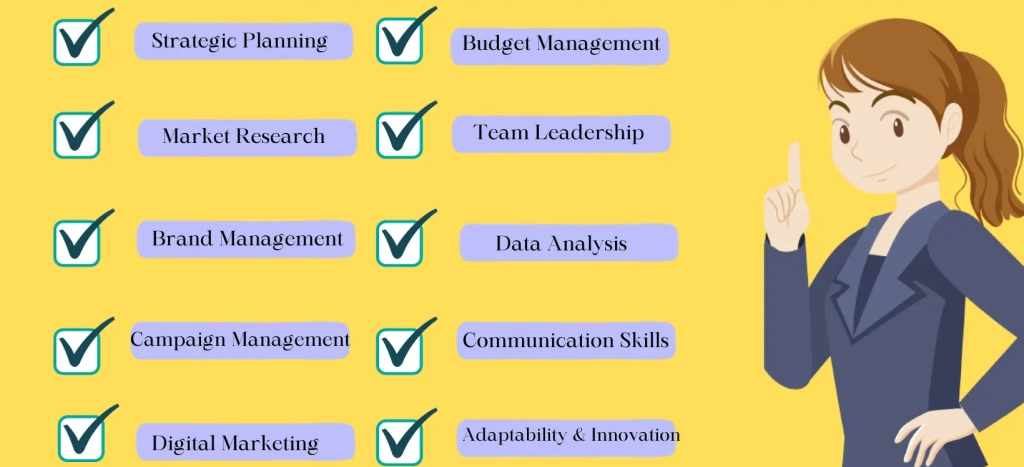
Strategy Development:
Create and put into action effective digital
Plan, implement, and optimize digital marketing manager plans that perfectly match and drive the overall goals of the business.
Campaign Management:
digital marketing manager campaigns across various channels, including SEO, SEM, social media, email, and content marketing.
Analytics and Reporting:
Utilize analytics tools to measure the performance of campaigns and provide insights for continuous improvement.
Prepare regular reports on key performance indicators (KPIs) and campaign effectiveness.
Budget Management:
Manage digital marketing budgets effectively, allocating resources for maximum ROI.
SEO and SEM Optimization:
Manage the enhancement of organic search visibility by overseeing effective search engine optimization (SEO) strategies.
Manage search engine marketing (SEM) campaigns, including paid advertising strategies.
Social Media Management:
Create and execute engaging social media tactics that boost brand visibility and foster meaningful connections with the audience.
Monitor social media trends and stay informed about platform algorithms.
Content Marketing:
Coordinate content creation and distribution to support marketing objectives. Guarantee that the content not only echoes the brand’s voice but also strikes a chord with the intended audience, creating a seamless connection.
Email Marketing:
Plan and execute effective email marketing campaigns, including segmentation and automation.
Monitor email performance and implement strategies for list growth and engagement.
Team Leadership:
Manage and lead a digital marketing team, providing guidance and support to achieve objectives.
Collaboration:
Collaborate with cross-functional teams, including sales, product, and IT, to ensure cohesive digital marketing manager efforts.
Stay Informed:
Stay abreast of industry trends, emerging technologies, and competitor strategies to maintain a competitive edge.
Compliance and Ethics:
Ensure digital marketing manager practices comply with relevant laws and ethical standards.
Digital Marketing Managers play a crucial role in driving online visibility, brand awareness, and customer engagement, contributing significantly to the overall success of a business’s marketing efforts.
Salary and Job Outlook for Digital Marketing Managers:
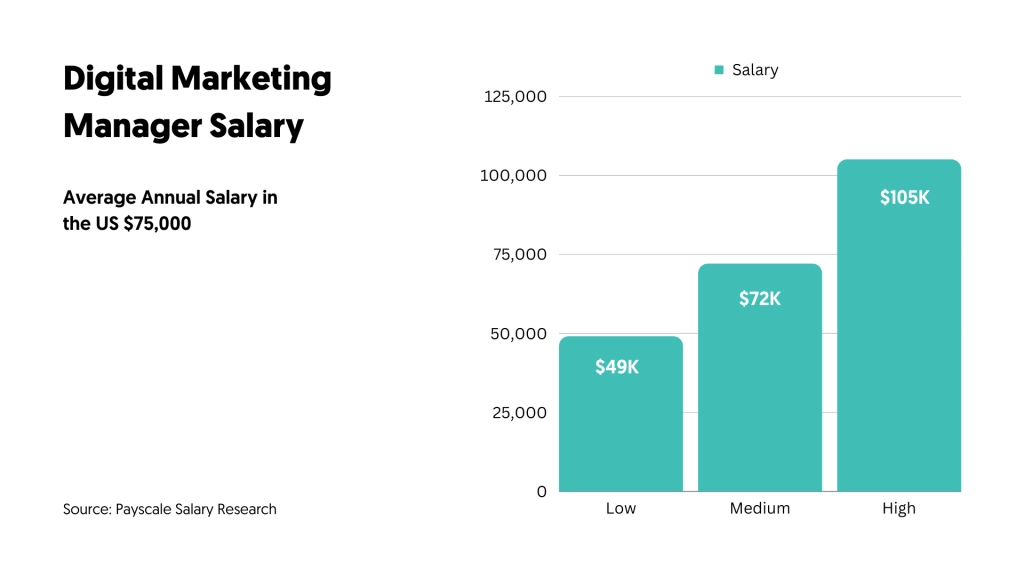
Salary: Digital Marketing Managers are typically well-compensated for their expertise. Salaries can vary based on factors like experience, location, and company size. On average, in the United States, Digital Marketing Managers earn a median annual salary of around $80,000 to $100,000.
Job Outlook: The demand for Digital Marketing Managers remains high as businesses increasingly rely on digital channels for marketing. As companies expand their online presence, there’s a continual need for skilled professionals who can navigate the digital landscape. The job outlook for Digital Marketing Managers is promising, with ample opportunities for career growth.
conclusion
The role of a Digital Marketing Manager is pivotal in steering businesses through the complexities of the digital landscape. With a keen understanding of market trends, a strategic mindset, and a flair for innovation, they are instrumental in crafting and executing campaigns that elevate brand presence and drive tangible results. As the digital realm continues to evolve, the prowess of a Digital Marketing Manager becomes increasingly indispensable, making them not just managers, but architects of success in the ever-expanding digital frontie
Learner of: DigiSkillz.Digital Marketing Institute in Kochi












Leave A Comment