

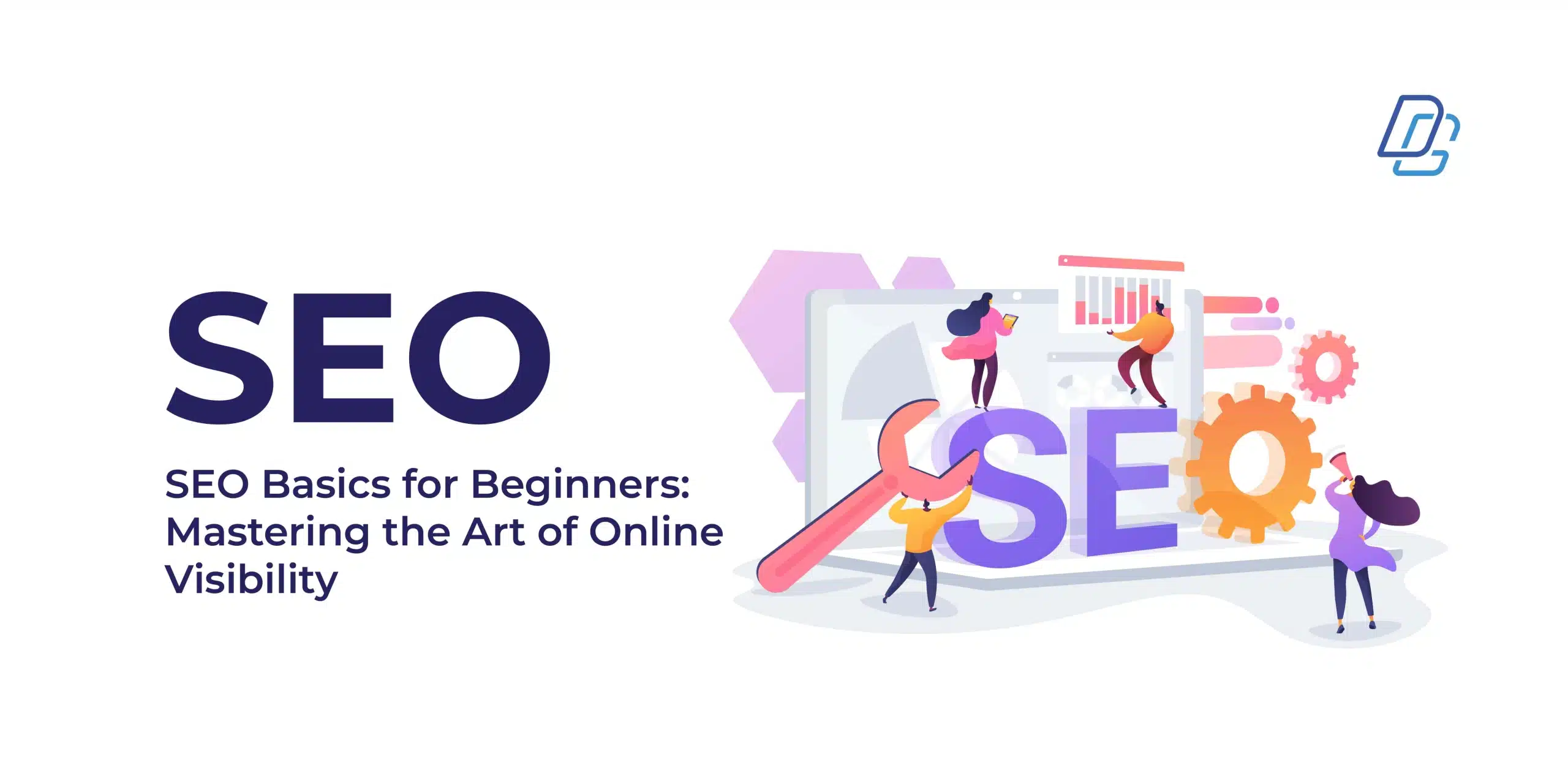
In the vast and constantly evolving world of the internet, the importance of SEO (Search Engine Optimization) simply can’t be ignored. For anyone stepping into the digital space, understanding SEO basics is essential to navigating this ever-changing environment successfully. SEO acts as the foundation of online visibility, helping websites get discovered by the right audience at the right time.Whether you’re an aspiring digital entrepreneur, a new content creator, or an experienced business owner, learning the fundamentals through SEO Basics for Beginners is crucial. A strong understanding of these core principles helps you improve your online presence, attract more organic traffic, and stay ahead of competitors in the highly competitive world of Google search results.
In today’s fast-moving digital landscape, the journey toward online success begins with mastering SEO Basics for Beginners. This foundation helps you understand how search engines work and how to optimize your content effectively. By learning the key concepts and strategies included in SEO Basics for Beginners, you set yourself up for long-term growth, higher rankings, and greater online visibility.
, you can take significant strides toward achieving your online goals. Learn SEO basics for beginners today
Table of Contents
The Foundation of SEO Basics for Beginners
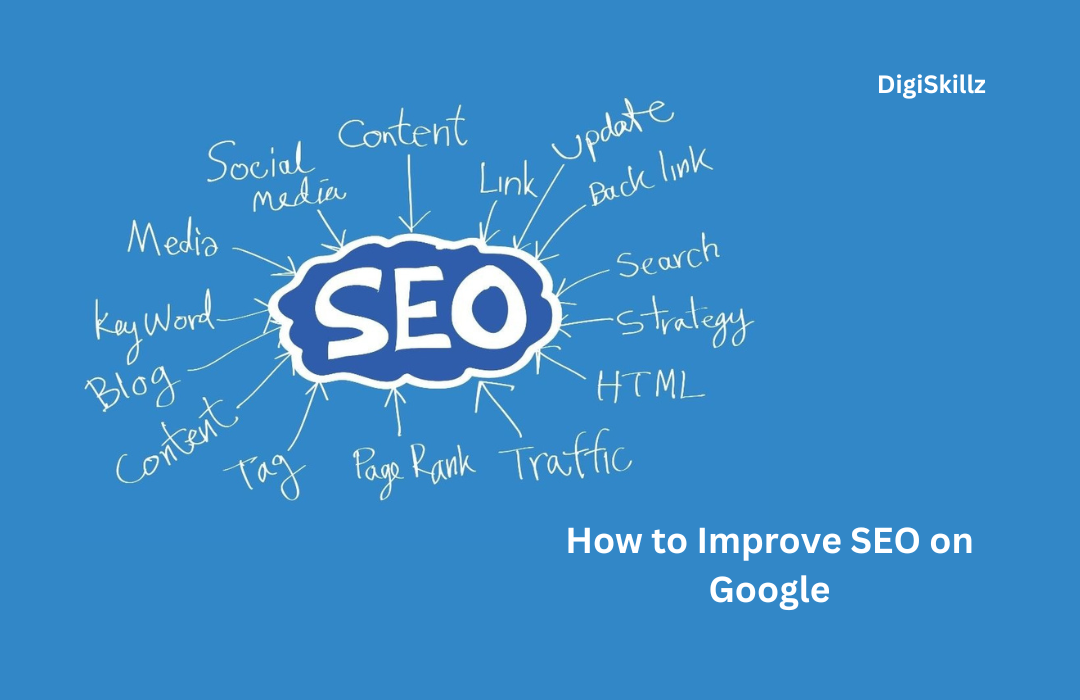
At its core, SEO is the practice of optimizing your website and its content to make it more appealing to search engines like Google. While many factors influence search rankings, we’ll delve into the essential aspects that can significantly boost your website’s visibility and help you climb the Google search results ladder.
1. Keywords: The Building Blocks of SEO
Keywords are the terms and phrases people type into search engines when they’re looking for information. Choosing and using the right keywords is one of the most important parts of SEO.
Keyword Research:
Begin with proper keyword research to find search terms related to your niche. Tools like Google Keyword Planner and SEMrush help you discover search volume, competition levels, and trending keywords.

Keyword Placement:
After selecting your target keywords, use them naturally throughout your content. Place them in titles, headings, and within the body of your text without overstuffing.
Long-Tail Keywords:
Long-tail keywords are longer, more specific search phrases. They usually have less competition and attract highly targeted visitors who are more likely to engage with your content.
2. High-Quality Content: The Heart of SEO
Content plays a major role in SEO success. Search engines favor websites that provide useful, informative, and engaging material.

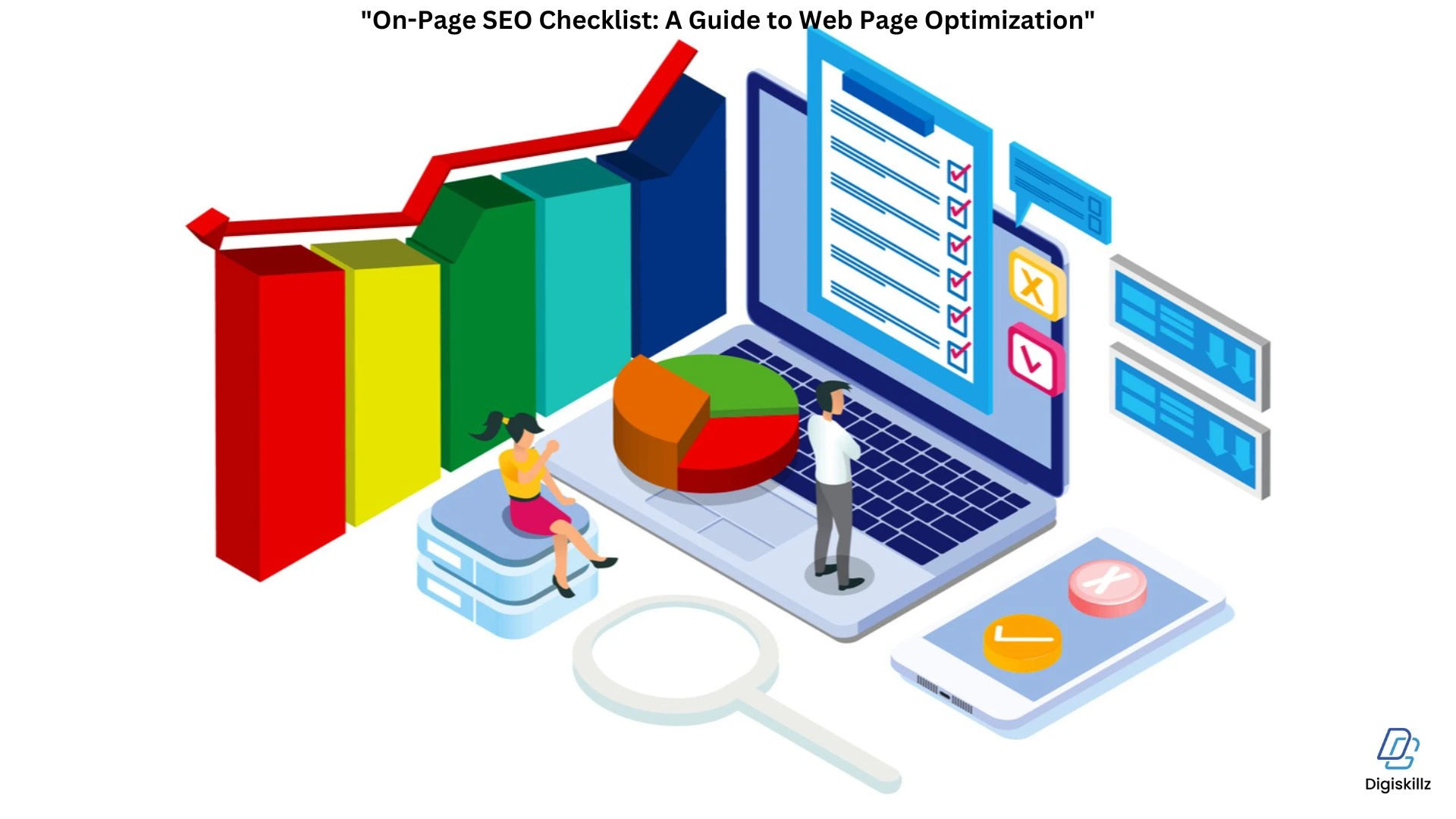
On-page SEO is one of the basic SEO steps that refers to the optimization techniques applied directly to your website and its pages. Properly structuring your website is vital for both user experience and search engine visibility.

Title Tags:
Create clear and compelling title tags for every page on your website, making sure to include relevant keywords. Title tags are often the first thing users notice in search results, so they should accurately represent the page content while encouraging clicks.
Meta Descriptions:
Write short, engaging meta descriptions that give users a reason to visit your page. Use keywords naturally, but focus on making the description informative and appealing rather than stuffing it with terms.
URL Structure:
Keep your URLs clean, simple, and descriptive. Well-structured URLs improve user experience and help search engines better understand what your page is about.
Internal Linking:
Connect related pages within your website through internal links. This improves site navigation, keeps visitors on your site longer, and helps search engines understand your content structure and page importance.
4. Mobile Optimization: Reaching Mobile Users
In today’s mobile-first environment, optimizing your website for smartphones and tablets is essential. Mobile-friendliness is a key ranking factor for Google, which means your site should be responsive, fast-loading, and easy to navigate on smaller screens. A seamless mobile experience not only boosts SEO but also keeps visitors engaged and reduces bounce rates.

Responsive Design:
Implement responsive web design so your website automatically adjusts to different screen sizes. A smooth and consistent experience across devices improves usability, which search engines recognize and reward.
Page Speed:
Mobile users expect fast-loading pages. Improve your site speed by compressing images, enabling browser caching, and reducing unnecessary HTTP requests. A faster website leads to better user satisfaction and improved rankings.
Mobile-Friendly Content:
Ensure your content is easy to read on small screens. Use clear, legible fonts and provide enough spacing between buttons and links to support touch-based navigation.
5. User Experience: Keeping Visitors Engaged
User experience (UX) is an important factor in SEO. Search engines consider how visitors interact with your site when determining rankings, so a positive experience can directly boost your visibility.
Easy Navigation:
Design a clear and intuitive navigation structure that helps users quickly find the information they need. Use a logical menu layout and add breadcrumbs to make moving around your website simple and user-friendly.

Engaging Design: A visually appealing website can captivate visitors. Invest in an attractive design that aligns with your brand and keeps users engaged.
Reducing Bounce Rate: High bounce rates (users leaving your site quickly) can negatively impact SEO. Craft compelling, relevant content that encourages users to explore multiple pages on your site.
Conclusion
Mastering SEO Basics for Beginners is essential for anyone who wants to succeed in today’s digital world. When you understand how keywords work, create high-quality content, optimize your website structure, design for mobile users, and focus on user experience, you build a strong foundation for long-term online growth. These core elements of SEO Basics for Beginners can greatly increase your chances of ranking higher than competitors on Google.
It’s important to remember that SEO Basics for Beginners are just the starting point. SEO is an ongoing process that requires regular updates, continuous learning, and strategy improvements. Search engine algorithms evolve, trends change, and user behavior shifts over time. Staying informed and adapting your approach will help you maintain and grow your visibility.
By consistently applying SEO Basics for Beginners and focusing on delivering real value to your audience, you can steadily climb search engine rankings and achieve the online presence your website deserves.
Author-Shahul
Learner of DigiSkillz, Digital Marketing Institute in Kochi.












Leave A Comment