
A New Kind of Team Member Has Entered Marketing
A few years ago, marketers were excited when software could automatically schedule emails or generate basic reports. Those capabilities felt revolutionary at the time because they reduced repetitive work and improved efficiency. Today, however, the conversation has moved beyond simple automation. Businesses are now exploring technology that can make decisions, execute tasks, and adapt to changing situations with minimal human involvement. This shift is at the center of The Rise of AI Agents: A Marketer’s Guide.
The growing attention around AI agents is not simply another technology trend. It reflects a broader change in how marketing work gets done. Teams are under constant pressure to produce more content, manage more channels, analyze more data, and deliver more personalized experiences. At the same time, customers expect faster responses and higher-quality interactions than ever before. The Rise of AI Agents: A Marketer’s Guide
Meeting those expectations with traditional workflows can be difficult. AI agents offer a different approach. Instead of acting as tools that wait for instructions, they function more like digital collaborators that can take initiative, evaluate information, and work toward specific goals.
For marketers, this development has the potential to change daily operations in ways that were difficult to imagine just a few years ago.
Beyond Automation: What Makes AI Agents Different?
Many people assume AI agents are simply advanced chatbots. While both rely on artificial intelligence, their capabilities are very different.
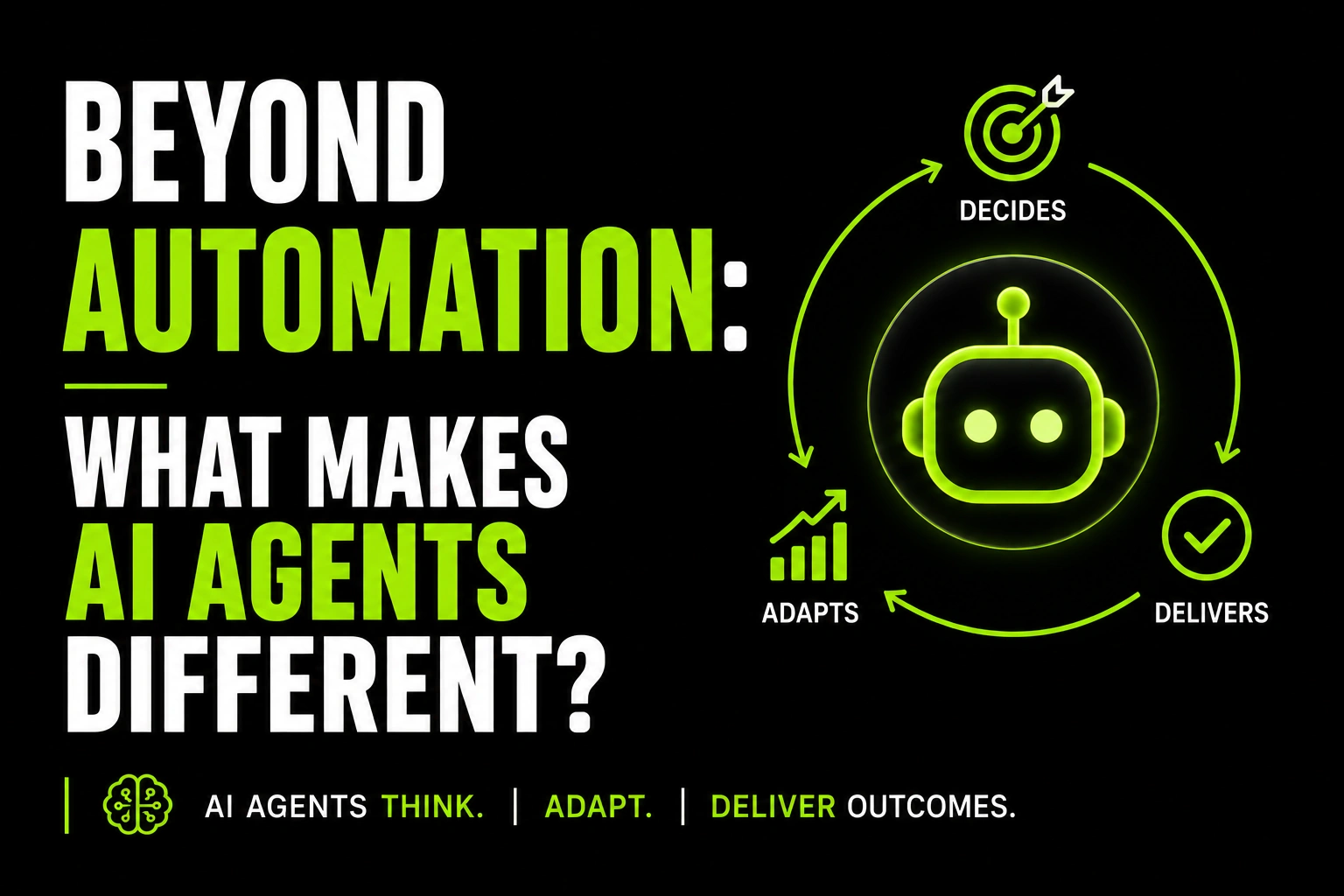
A chatbot typically responds to questions or follows a predefined set of rules. An AI agent, on the other hand, can manage a sequence of actions to achieve a desired outcome. It can gather information, evaluate options, make decisions, and continue working until the objective is completed.
Imagine asking a traditional tool to generate a report. It creates the report and stops.
An AI agent might generate the report, identify unusual performance patterns, compare current results with historical data, recommend adjustments, and schedule a follow-up analysis for the next day.
The difference is subtle but important. One executes a task. The other works toward a goal.
Understanding this distinction is essential when discussing The Rise of AI Agents: A Marketer’s Guide, because the real value lies in autonomy rather than simple automation.
Why Marketing Is the Perfect Environment for AI Agents
Marketing generates an enormous amount of information every day.
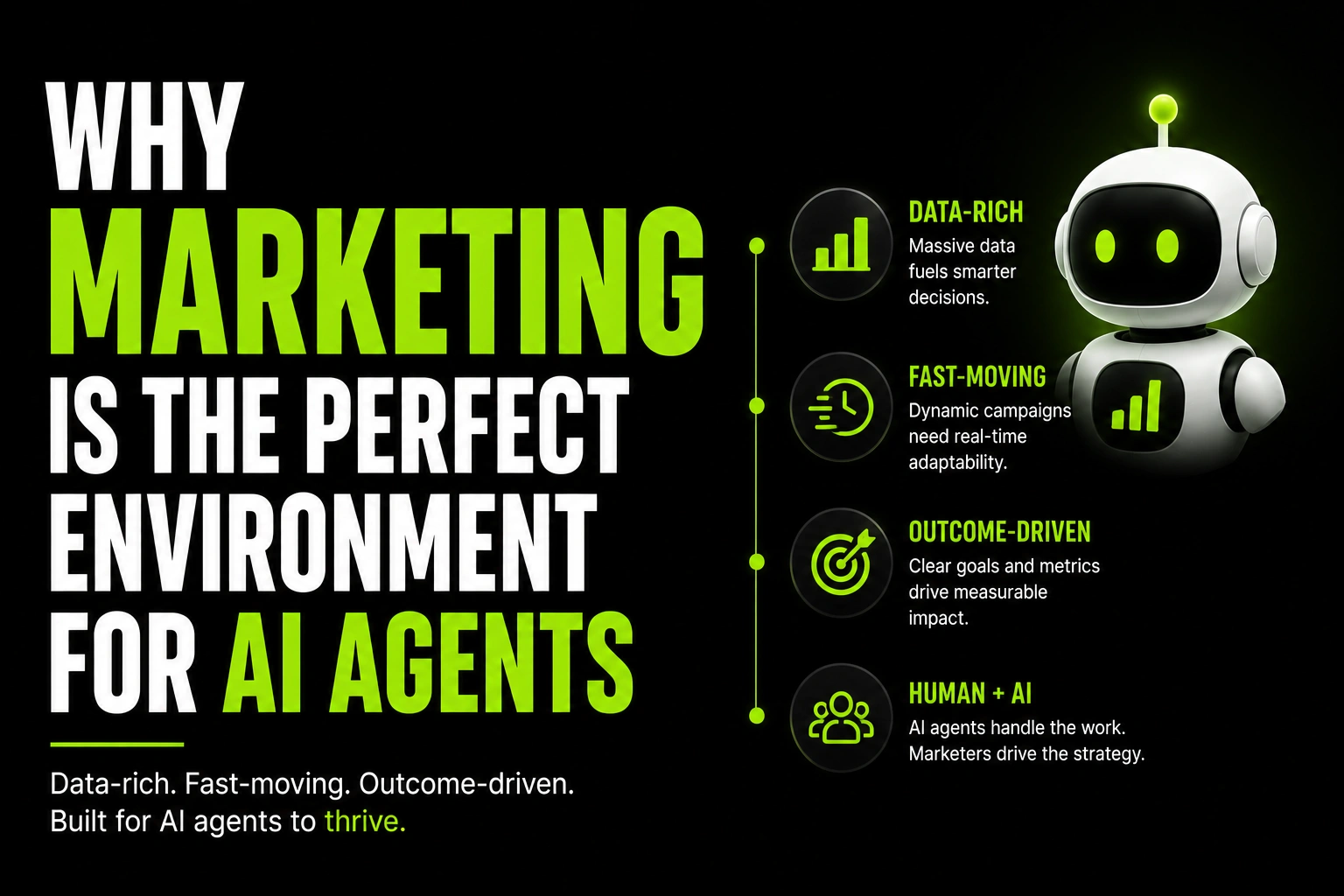
Websites collect visitor data. Social media platforms produce engagement metrics. Advertising campaigns generate performance reports. Email systems track open rates and click-through rates. Customer support channels gather feedback and behavioral insights.
The challenge is not collecting data. The challenge is turning that data into meaningful action.
AI agents thrive in environments where information is abundant and decisions must be made quickly. Marketing fits that description perfectly.
Consider a scenario where an online retailer launches a new product. Thousands of interactions occur across multiple channels within hours. An AI agent can monitor those interactions, identify which audiences are responding most positively, detect unexpected trends, and suggest adjustments before a human analyst has even finished reviewing the initial reports.
This ability to process information continuously gives businesses a significant advantage.
The End of “Set It and Forget It” Marketing
For years, many marketing campaigns followed a simple process.
Teams planned a campaign, launched it, monitored results, and made adjustments later. While effective in some cases, this approach often resulted in missed opportunities because markets change quickly.
AI agents introduce a more dynamic model.
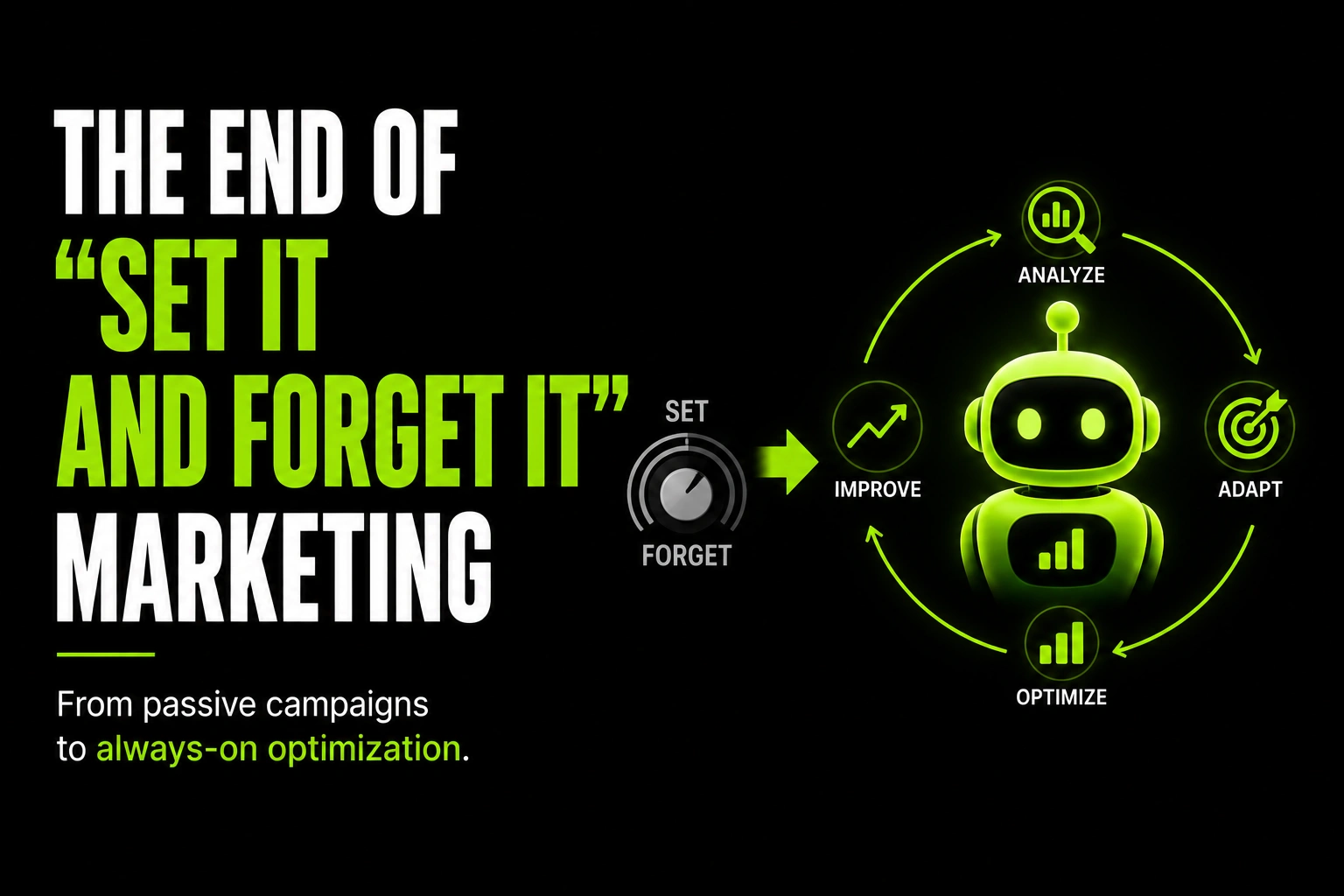
Instead of waiting for weekly or monthly reviews, they can evaluate performance in real time. If a campaign begins losing momentum, an agent can immediately flag the issue. If a particular audience segment suddenly shows increased interest, the agent can recommend allocating additional resources.
This creates a marketing environment that is more responsive and adaptable. For The Rise of AI Agents: A Marketer’s Guide
The rise of AI agents is pushing organizations away from static campaign management and toward continuous optimization.
Content Marketing in an Agent-Powered World
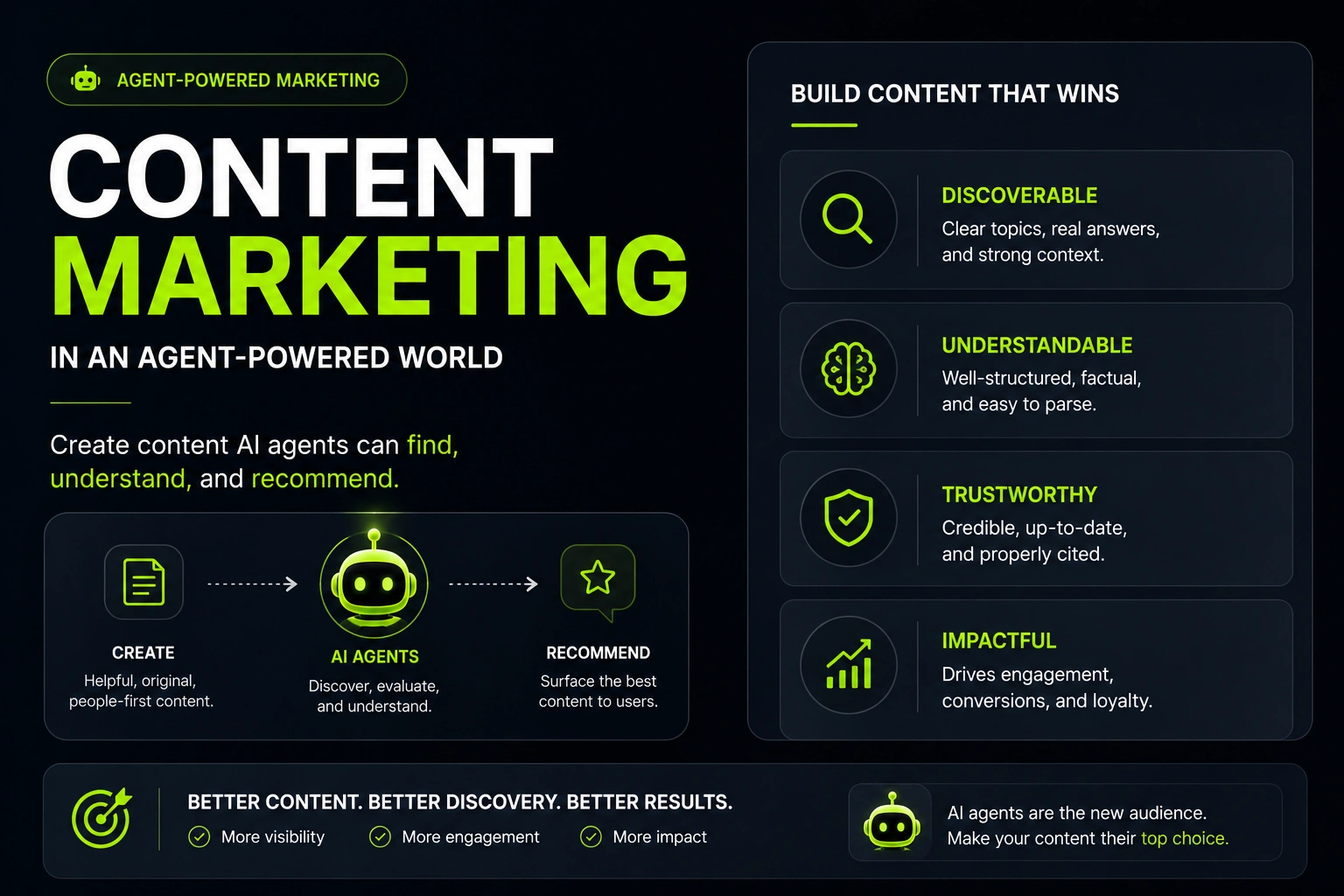
Content creation has become one of the most demanding responsibilities for marketing teams.
Businesses are expected to publish blog posts, create videos, develop social media content, produce newsletters, and maintain a consistent presence across multiple channels. The demand for content rarely slows down.
AI agents are beginning to change how this process works.
Instead of merely generating text, future-oriented agents can manage broader content workflows. They can identify emerging topics, analyze competitor activity, evaluate search demand, recommend content opportunities, and monitor post-publication performance.
For example, an AI agent might discover that a particular industry trend is gaining traction. It could then recommend content ideas, prioritize topics based on audience interest, and track engagement after publication.
The goal is not to replace writers. The goal is to give creative professionals better information and more time to focus on storytelling and strategic thinking.
Advertising Is Becoming More Intelligent
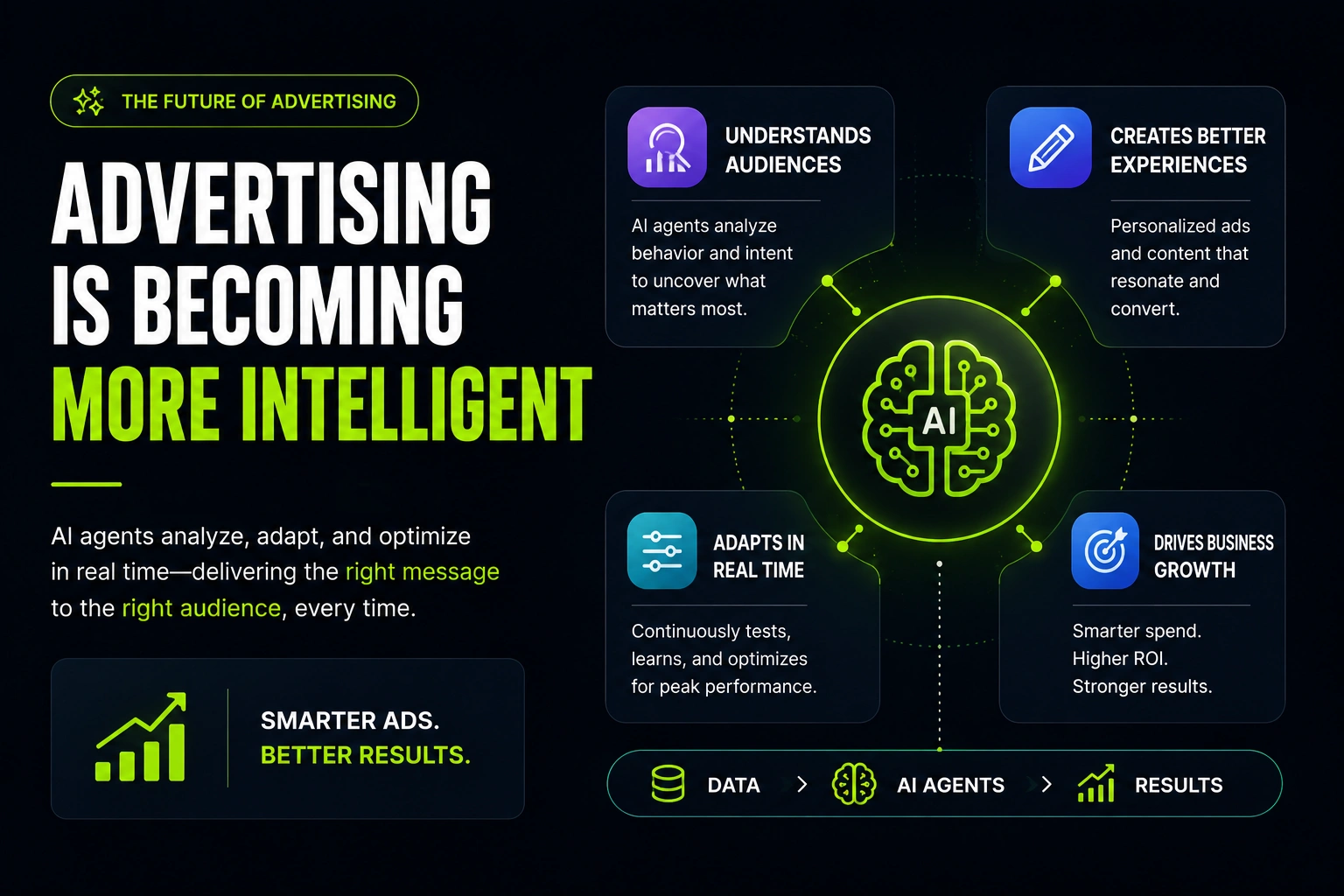
Advertising has always involved experimentation.
Marketers test audiences, messaging, visuals, placements, and bidding strategies to identify what works best. Traditionally, much of this testing required manual effort.
AI agents are changing the process.
Rather than waiting for campaign managers to review reports, agents can continuously evaluate performance and suggest improvements. They can identify underperforming advertisements, recommend budget reallocations, and highlight opportunities that might otherwise go unnoticed.
Imagine a campaign running across multiple platforms. Instead of analyzing each platform separately, an The Rise of AI Agents: A Marketer’s Guide can evaluate performance collectively and provide a unified view of what is happening.
This level of visibility allows marketers to make faster and more informed decisions.
Personalization at a Scale Humans Cannot Match
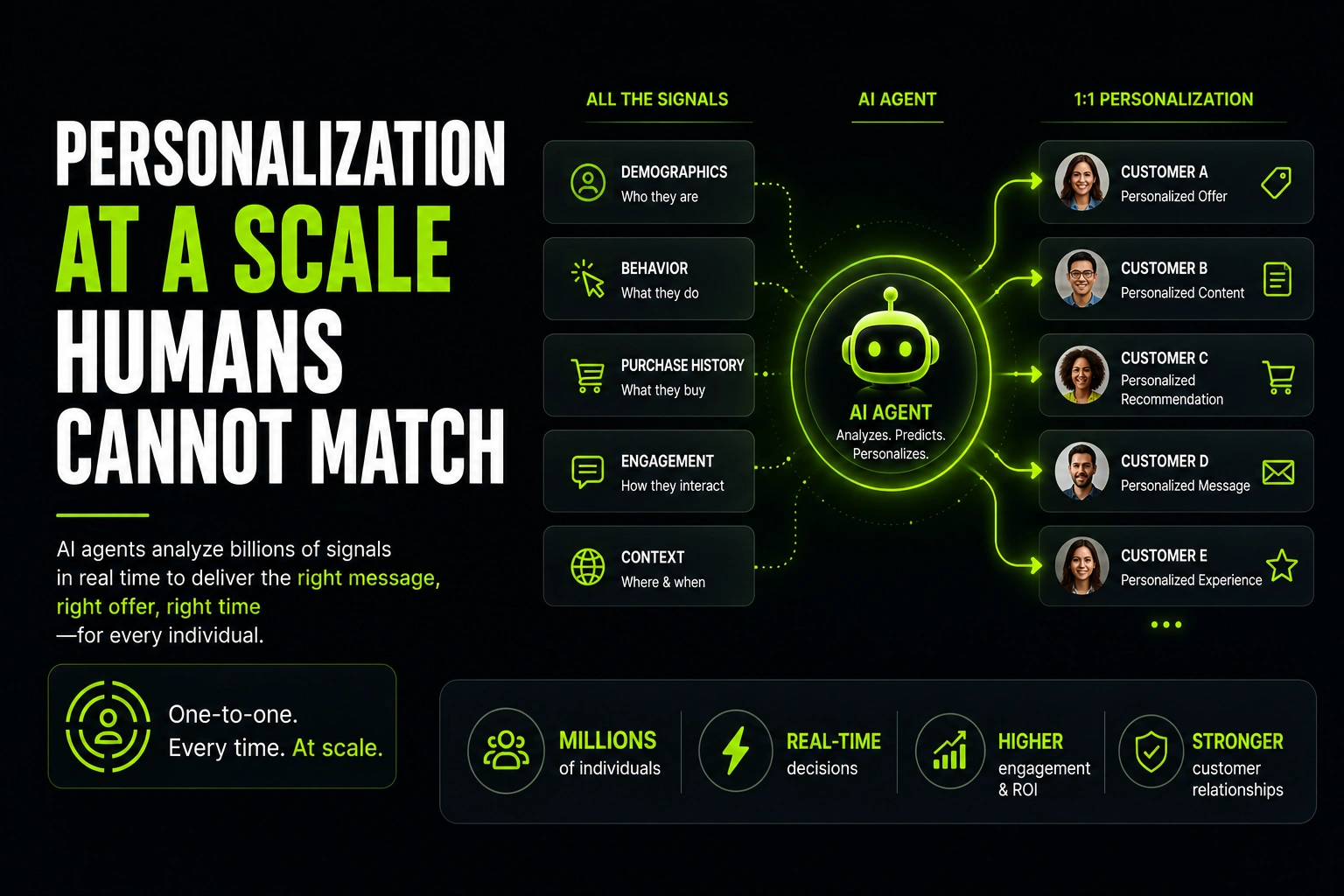
Customers increasingly expect brands to understand their preferences.
They want relevant recommendations, useful content, and experiences that feel tailored to their needs. Delivering that level of personalization manually becomes difficult as audiences grow.
AI agents provide a solution.
By analyzing behavior patterns and interaction history, they can help marketers create experiences that feel more individual and less generic.
A customer browsing products late at night may receive different messaging than a customer researching the same products during working hours. Someone who frequently engages with educational content may receive different recommendations than someone who responds to promotional offers.
These small adjustments can have a significant impact on engagement and conversion rates.
As organizations explore The Rise of AI Agents: A Marketer’s Guide, personalization remains one of the most compelling use cases.
The Human Side of the Equation
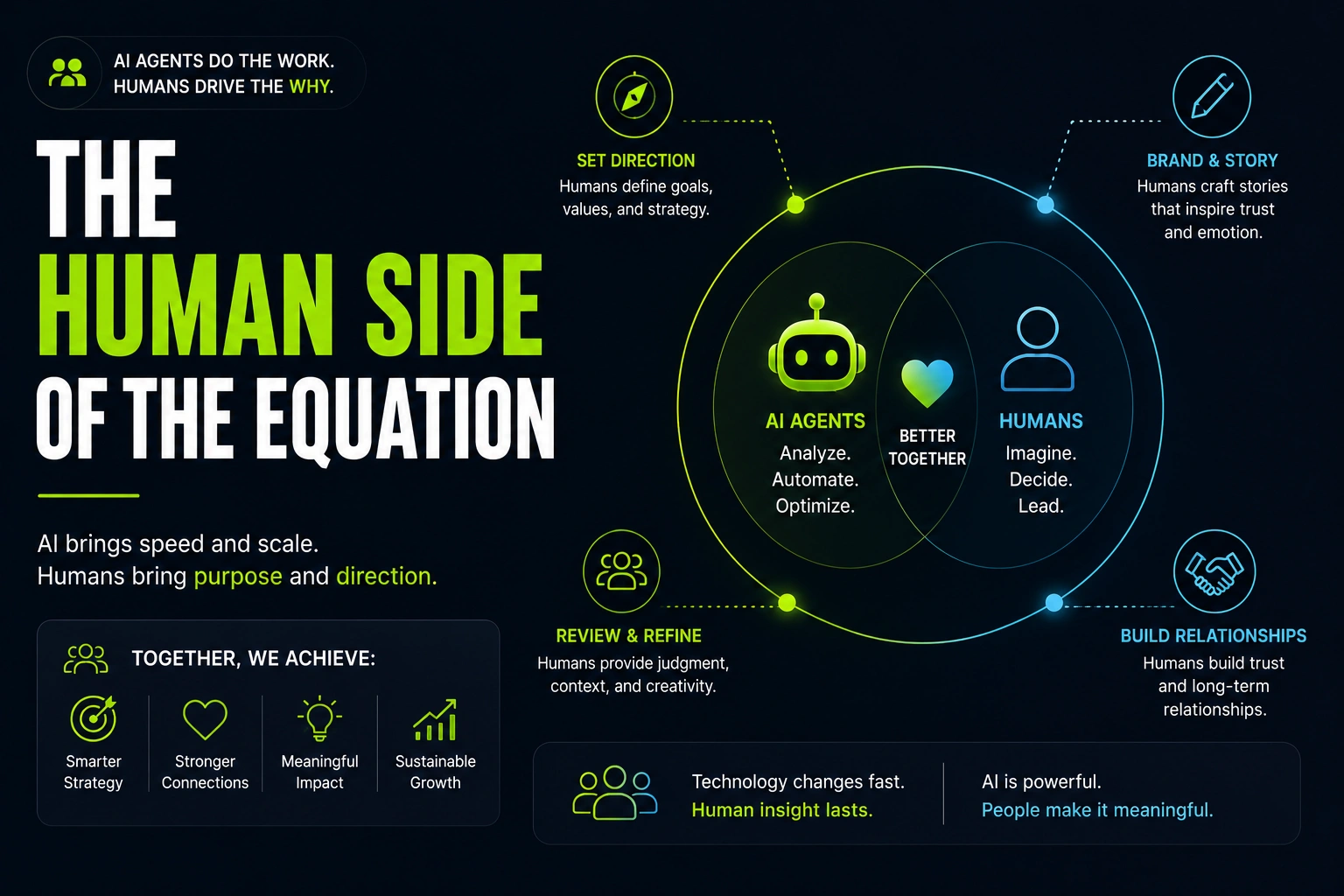
Whenever new technology emerges, concerns about job displacement quickly follow.
Marketing is no exception.
However, history suggests that technological advances often change jobs rather than eliminate them entirely. The introduction of analytics platforms did not eliminate marketers. Social media tools did not replace brand managers. Automation software did not remove the need for strategic planning.
AI agents are likely to follow a similar pattern.
They can handle repetitive tasks, analyze large datasets, and support decision-making. Yet they still lack qualities that define exceptional marketing: creativity, empathy, cultural understanding, and emotional intelligence.
A successful campaign often resonates because it reflects human experiences and emotions. Those elements remain difficult to automate.
Rather than replacing marketers, The Rise of AI Agents: A Marketer’s Guide are more likely to become powerful assistants that enhance human capabilities.
New Skills for a New Era
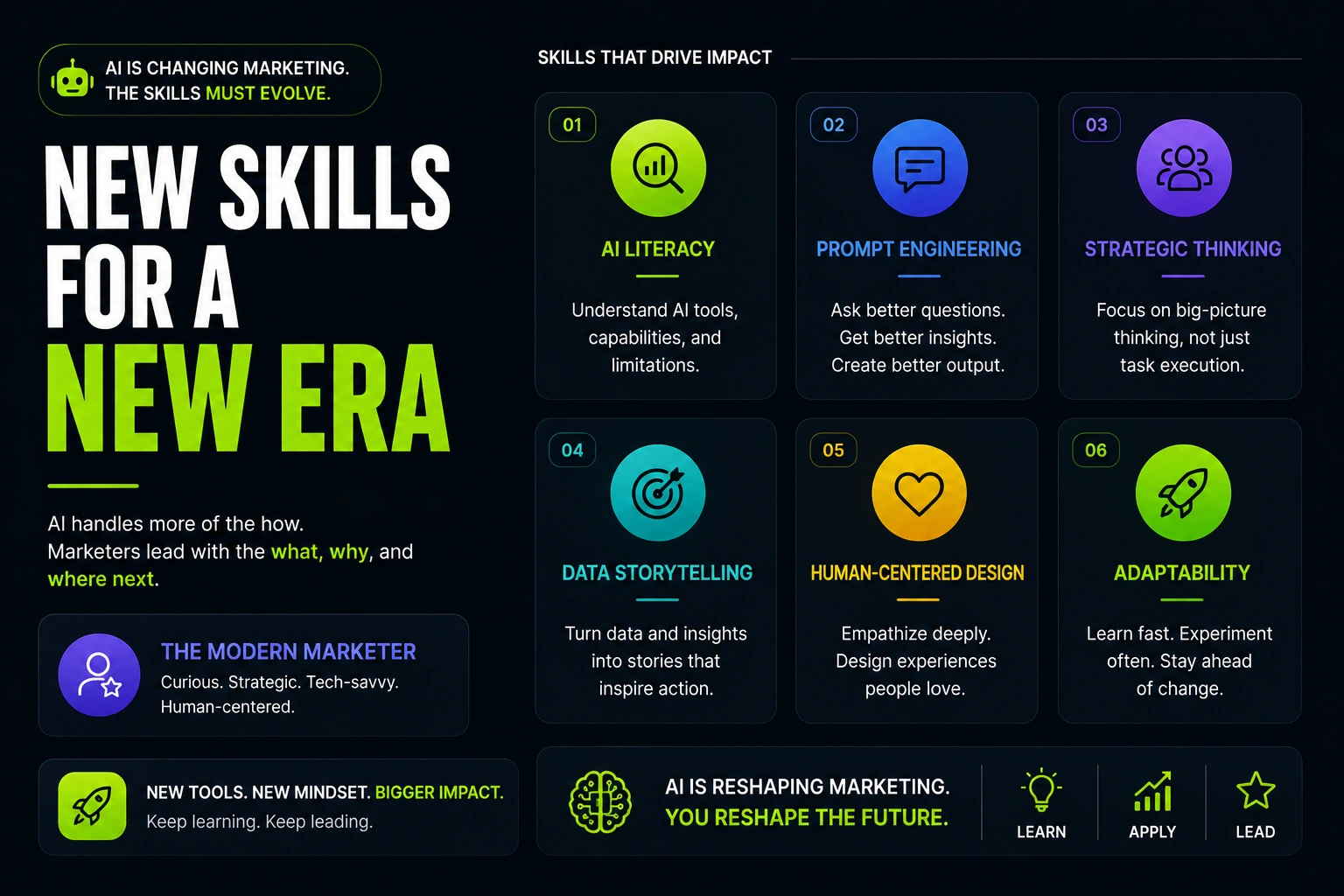
As AI agents become more common, marketers will need to expand their skill sets.
The ability to interpret data will become increasingly valuable. Understanding how AI systems operate will help professionals use them effectively. Strategic thinking will become even more important because execution tasks may require less manual involvement.
Communication skills will remain essential. Brands still need compelling stories, strong positioning, and meaningful customer relationships.
The marketers who thrive in the coming years will be those who learn how to combine technological capabilities with human insight.
Challenges Worth Considering
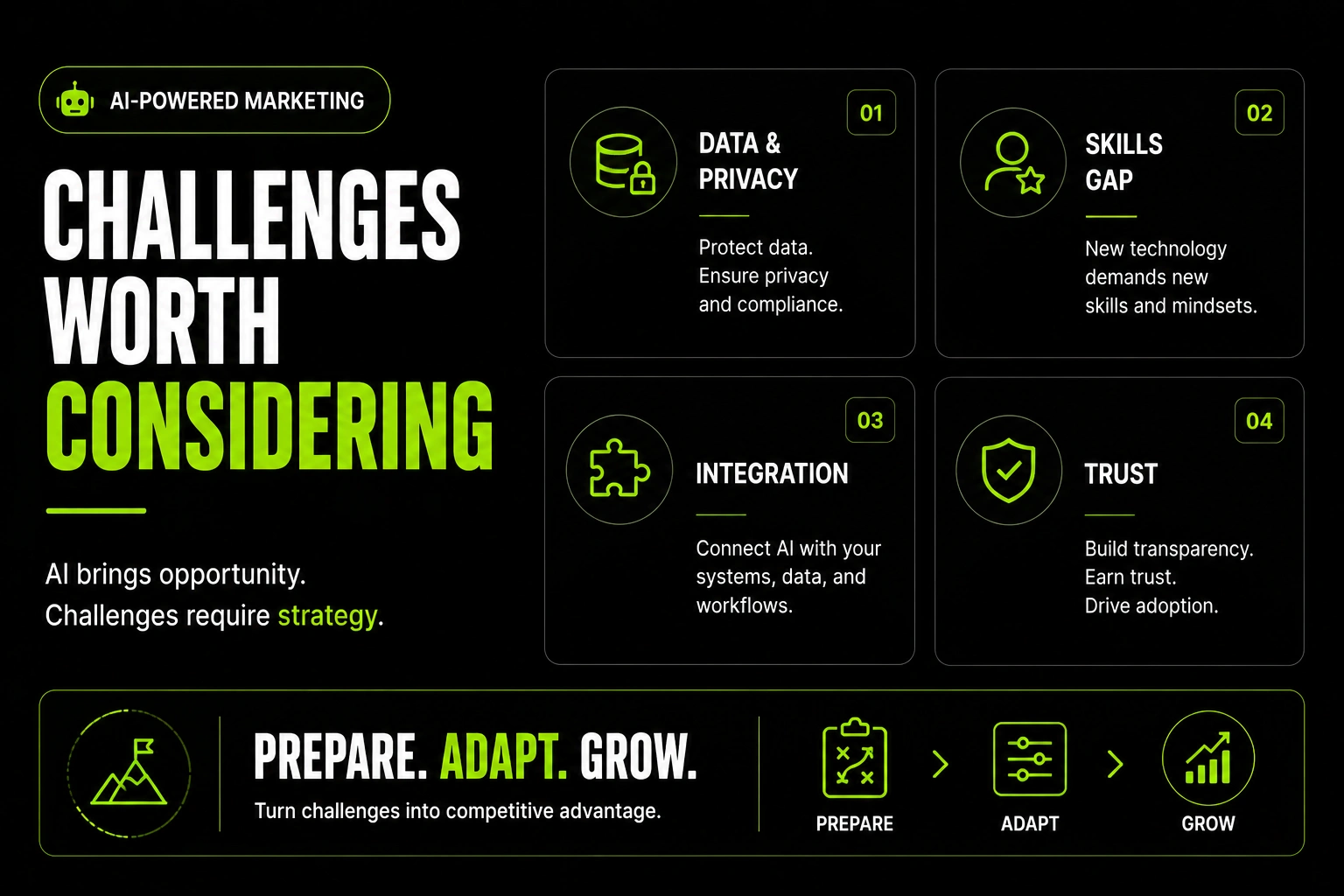
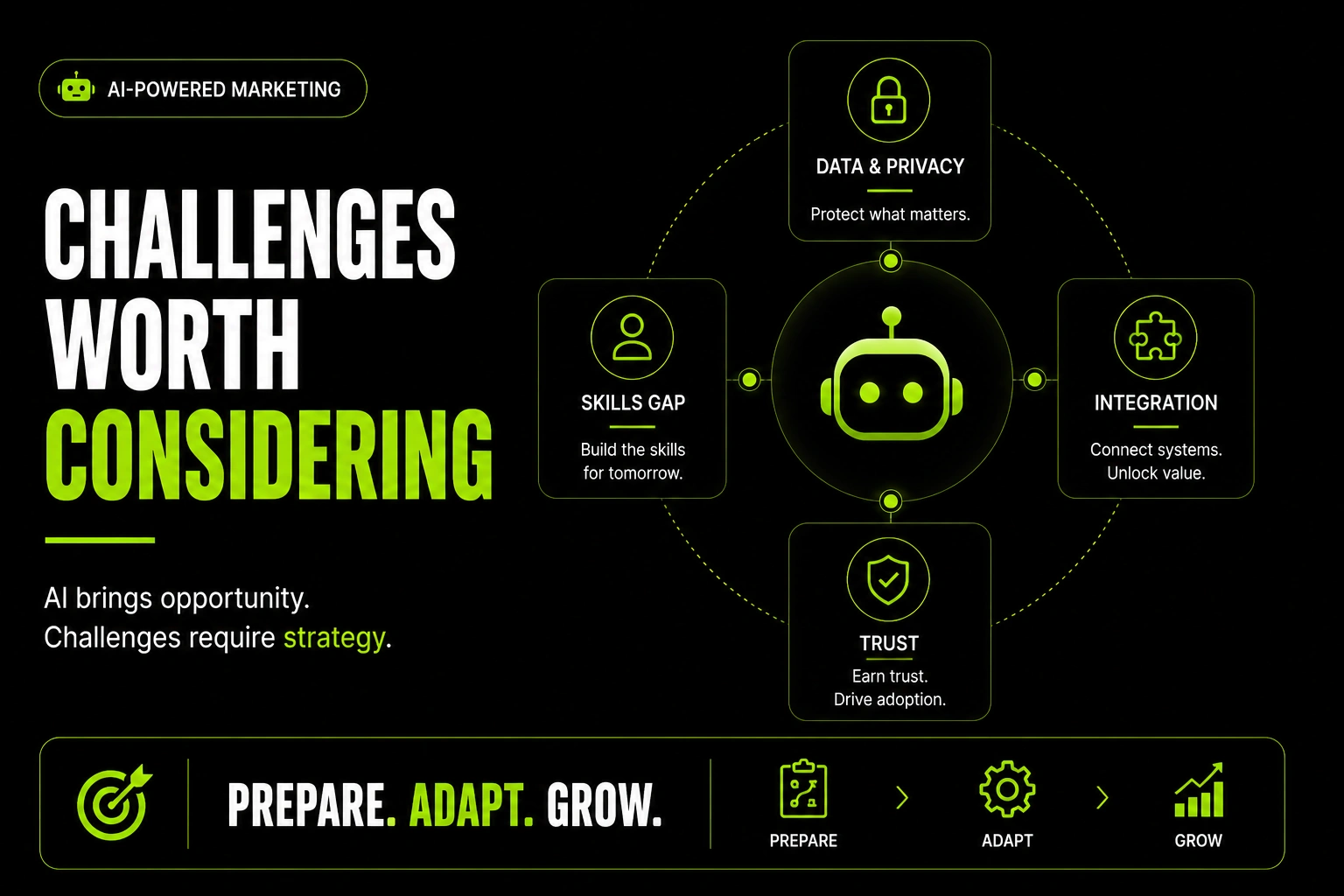
While the opportunities are exciting, organizations should approach adoption thoughtfully.
Data privacy remains a critical concern. Businesses must ensure customer information is handled responsibly and in compliance with regulations.
There is also the question of oversight. The Rise of AI Agents: A Marketer’s Guide can make recommendations and take action, but organizations should establish clear boundaries and review processes.
Accuracy presents another challenge. Decisions are only as good as the information available. Poor-quality data can lead to poor outcomes regardless of how advanced an AI system may be.
Finally, integration can be complex. Businesses often use multiple platforms that must work together seamlessly for AI agents to deliver maximum value.
Recognizing these challenges early helps organizations implement The Rise of AI Agents: A Marketer’s Guide more effectively.
Looking Ahead
Predicting the future of technology is never easy. Nevertheless, current trends suggest that The Rise of AI Agents: A Marketer’s Guide will become increasingly capable and accessible.
In the years ahead, marketing teams may work alongside specialized agents responsible for content strategy, campaign optimization, customer engagement, analytics, and market research.
Instead of spending hours gathering information, marketers may begin each day reviewing recommendations generated overnight. Campaign adjustments that once required meetings and manual analysis could happen automatically.
The pace of decision-making is likely to accelerate, creating opportunities for businesses that can adapt quickly.
This transformation is one of the strongest themes emerging from The Rise of AI Agents: A Marketer’s Guide.
The Rise of AI Agents: A Marketer’s Guide Marketing has entered a period of significant change. The emergence of AI agents represents more than an incremental improvement in software capabilities. It introduces a new way of working—one where intelligent systems assist with analysis, execution, optimization, and decision-making.
Organizations that embrace these capabilities thoughtfully can improve efficiency, deliver more personalized experiences, and respond to market changes faster than before.
At the same time, human creativity, strategic thinking, and emotional intelligence remain irreplaceable assets. The Rise of AI Agents: A Marketer’s Guide The future of marketing is unlikely to belong solely to humans or machines. Instead, it will belong to teams that successfully combine the strengths of both.
The rise of AI agents is still unfolding, but its influence is already becoming visible across the marketing landscape. For businesses willing to learn and adapt, the opportunities are substantial, and the journey is only beginning.
Author – Saneeb
Digital Marketing Learner at – Digiskillz, Digital Marketing Course in Kottakkal