Tag: Performance Marketing

  • Performance Marketing in 2026: Powerful Strategies, Benefits & Complete Guide

    Performance Marketing in 2026: Powerful Strategies, Benefits & Complete Guide


    Performance Marketing in 2026: A Complete Guide to Driving Measurable Growth


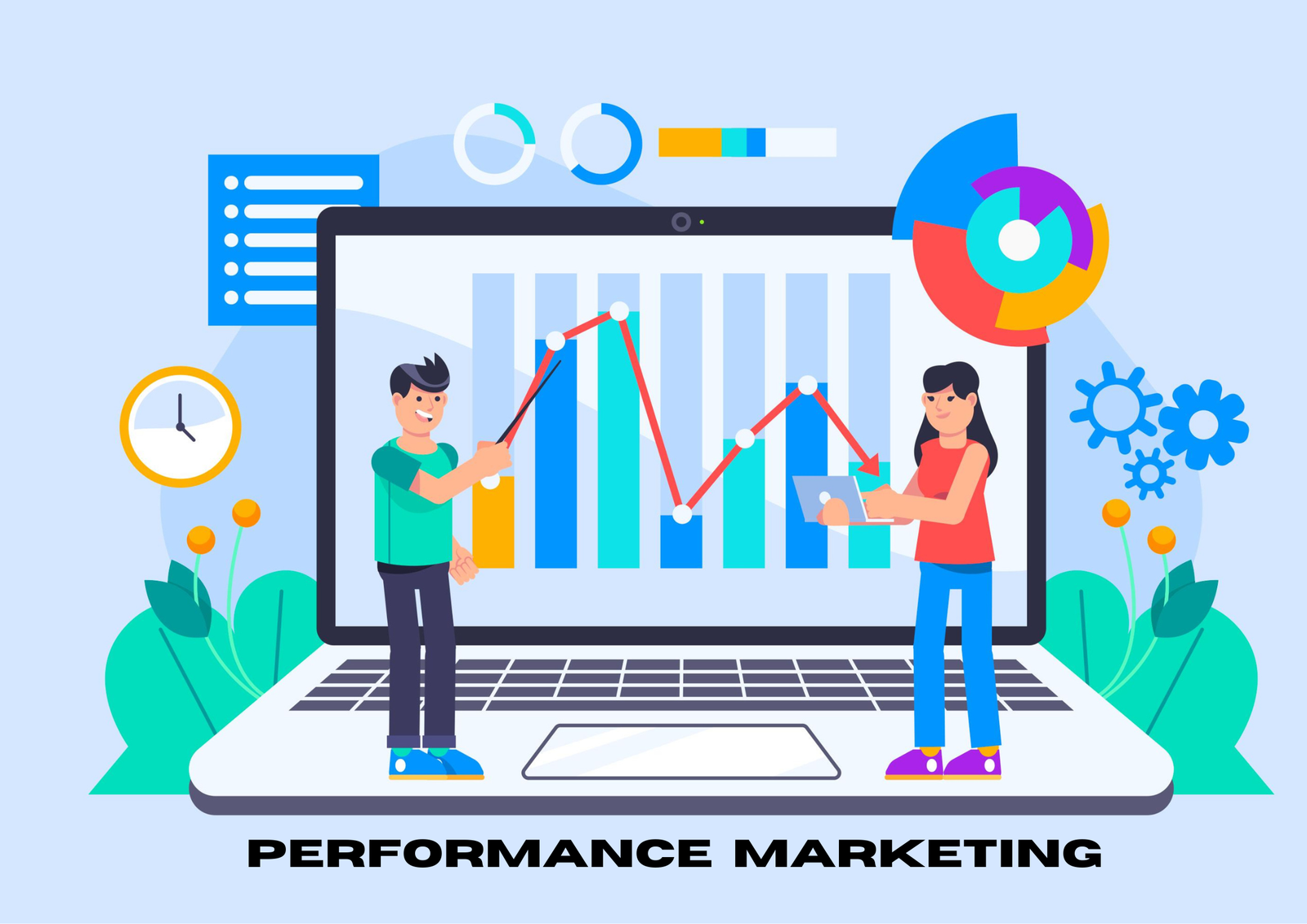
    performence marketing In today’s competitive digital world, businesses need marketing strategies that produce measurable and meaningful results.. Unlike traditional advertising, where success can be difficult to track, performance marketing focuses on outcomes such as clicks, leads, sales, app installs, and conversions. Every campaign is optimized using real-time data, helping businesses maximize their return on investment (ROI).

    Whether you’re a small business owner, e-commerce brand, startup, or marketing professional, performance marketing allows you to spend your advertising budget more efficiently and achieve sustainable growth.

    In this guide, you’ll learn what performance marketing is, how it works, its benefits, the best channels, and proven strategies for success in 2026.

    What Is Performance Marketing?

    Performance marketing is a digital marketing strategy in which businesses pay only when a specific action, such as a click, lead, or sale, is completed. These actions may include:


    • Website clicks
    • Lead generation
    • Product purchases
    • App installs
    • Form submissions
    • Newsletter sign-ups

    Because every campaign is measurable, businesses can continuously improve performance and reduce wasted advertising spend.

    How Performance Marketing Works

    Performance marketing follows a data-driven process:


    • Define business goals.
    • Identify your target audience.
    • Launch advertising campaigns.
    • Track campaign performance.
    • Analyze user behavior.
    • Optimize campaigns based on real-time data.
    • Scale successful campaigns.

    This cycle of testing and optimization is what makes performance marketing highly effective.           

    Benefits of Performance Marketing

    Performance marketing provides several advantages:

    • Measurable campaign results
    • Higher return on investment (ROI)
    • Better budget control
    • Accurate audience targeting
    • Faster business growth
    • Real-time campaign optimization
    • Improved lead quality
    • Scalable advertising strategies

    Since businesses only pay for meaningful actions, performance marketing is often more cost-effective than traditional advertising.

    Popular Performance Marketing Channels

    Google Ads

    Google Ads enables businesses to connect with potential customers who are actively searching for their products or services online. Search, Display, Shopping, and Performance Max campaigns can all support different business goals.Performance Marketing in 2026

    Social Media Advertising

    Platforms like Facebook, Instagram, LinkedIn, TikTok, and Pinterest allow businesses to target users based on interests, demographics, behaviors, and online activity.

    Search Engine Optimization(SEO)

    SEO supports performance marketing by generating long-term organic traffic. A strong SEO strategy reduces dependence on paid advertising over time.

    Affiliate Marketing

    Businesses partner with affiliates who promote products in exchange for commissions based on successful sales or leads.

    Email Marketing

    Email campaigns nurture leads, recover abandoned carts, promote offers, and encourage repeat purchases.

    Influencer Marketing

    Working with trusted creators can increase brand awareness and drive measurable conversions when campaigns are tracked effectively.

    Key Performance Marketing Metrics

    Tracking the right metrics helps improve campaign performance.

    Important metrics include:


    • Click-Through Rate (CTR)
    • Cost Per Click (CPC)
    • Cost Per Acquisition (CPA)
    • Conversion Rate
    • Return on Ad Spend (ROAS)
    • Return on Investment (ROI)
    • Customer Lifetime Value (CLV)
    • Cost Per Lead (CPL)
    • Bounce Rate


    These metrics help marketers understand what is working and where improvements are needed.

    Best Performance Marketing Strategies

    Know Your Audience

    Understand your customers’ interests, needs, and online behavior before launching campaigns.

    Create High-Converting Landing Pages

    Your landing page should have:


    • Clear headlines
    • Strong calls to action
    • Fast loading speed
    • Mobile-friendly design
    • Trust signals such as reviews or testimonials
    • Test Multiple Ad Creatives

    Run A/B tests on headlines, images, videos, and calls to action to discover what performs best.

    Optimize Campaigns Regularly

    Review campaign data frequently and adjust:


    • Keywords
    • Audience targeting
    • Bids
    • Ad copy
    • Landing pages

    Continuous optimization improves campaign efficiency.

    Use Remarketing

    Remarketing allows you to reconnect with people who have already visited your website but didn’t convert, increasing the likelihood of future sales .One major advantage of Performance Marketing is that businesses can clearly understand where their advertising budget is being spent.

    Common Performance Marketing Mistakes

    Avoid these mistakes:


    • Ignoring campaign data
    • Poor audience targeting
    • Weak landing pages
    • Not testing ad creatives
    • Tracking the wrong metrics
    • Overspending without optimization
    • Forgetting mobile users


    Fixing these issues can significantly improve your campaign’s overall performance and results.

    AI and the Future of Performance Marketing

    Artificial intelligence is transforming digital advertising by helping marketers:


    • Automate bidding strategies
    • Improve audience targeting
    • Predict customer behavior
    • Generate ad copy
    • Analyze campaign performance
    • Personalize customer experiences

    Businesses that combine AI with human strategy can improve efficiency and achieve better marketing results.

    Why Performance Marketing Matters

    Performance marketing allows businesses to make informed decisions based on real data instead of guesswork. Every campaign can be measured, optimized, and scaled, making it one of the most effective approaches to digital advertising.

    Whether your goal is to generate leads, increase online sales, or grow brand awareness, performance marketing provides the tools to achieve measurable success. Performance Marketing in 2026

    Conclusion

    Performance marketing has become a key strategy for businesses looking to achieve measurable growth and maximize their advertising return on investment (ROI). By using the right channels, tracking meaningful metrics, creating high-quality landing pages, and continuously optimizing campaigns, businesses can reach the right audience and achieve long-term success.

    As digital marketing continues to evolve in 2026, organizations that embrace data-driven decision-making and ongoing optimization will be well-positioned to outperform their competitors and build sustainable growth.


    author: ansif muhammed
  • Top 5 Essential Performance Marketing Tips for Beginners

    Top 5 Essential Performance Marketing Tips for Beginners

    Top 5 Essential Performance Marketing Tips for Beginners

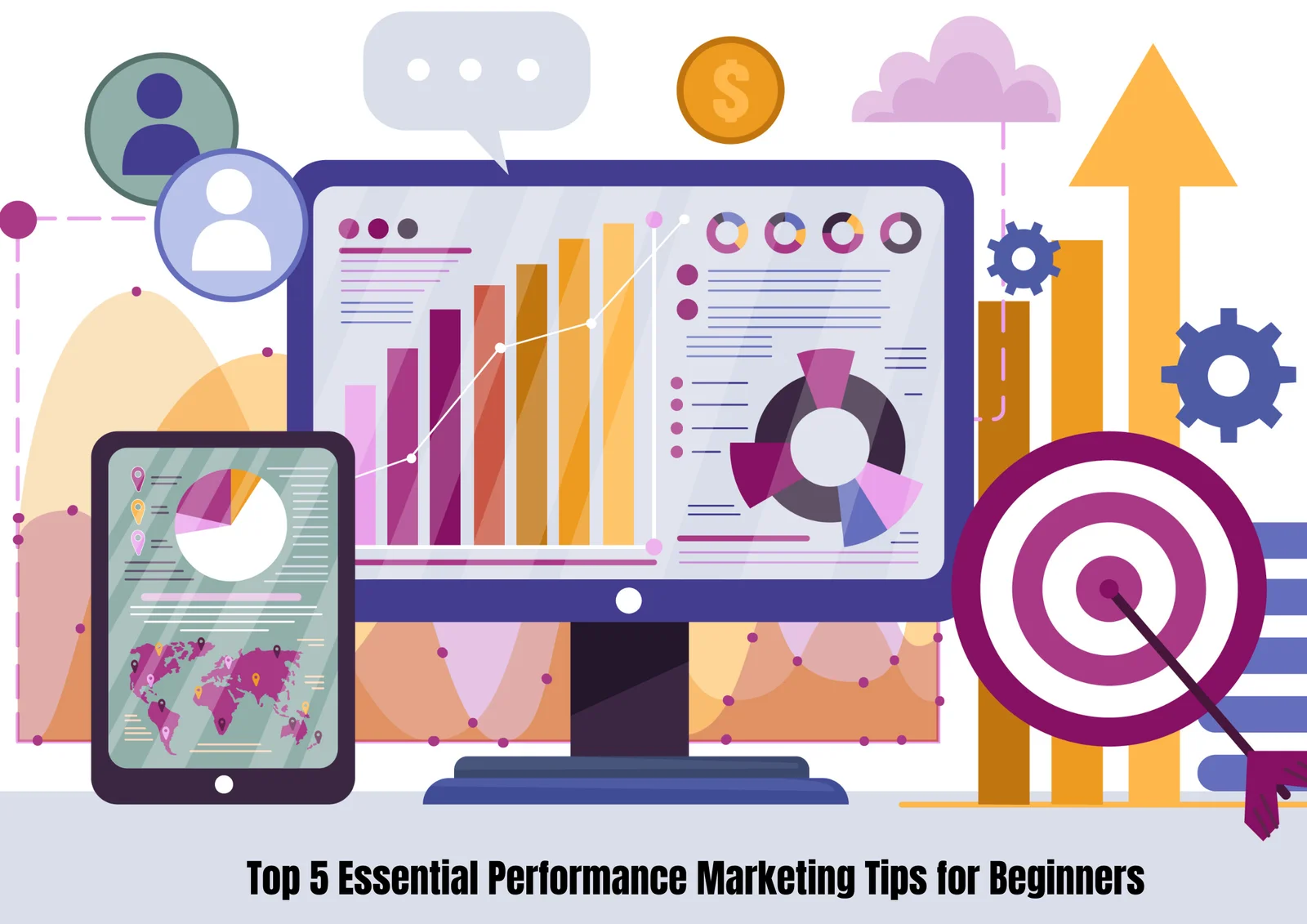
    In today’s competitive digital landscape, businesses and marketers are constantly search for ways to improve their return on investment (ROI) and drive measurable results. Performance marketing has emerged as one of the most effective ways to achieve this, as the focuses on delivering results and tracking key metrics. If you’re a budding performance marketer or are looking to understand the basics of performance marketing, you’ve come to the right place.

    This beginner’s guide will walk you through the fundamentals of performance marketing, offering practical tips and best practices that you can implement to boost your marketing campaigns.

    What is Performance Marketing?

    performance marketing

    Performance marketing refers to a type of digital marketing where advertisers pay for specific actions taken by the audience, such as clicks, conversions, sales, or leads. Unlike traditional marketing, which might involve spending money on ads with uncertain outcomes, performance marketing is focused on measurable results. This makes it a highly cost-effective approach for businesses of all sizes, as they only pay for successful outcomes.

    In performance marketing, common channels include affiliate marketing, pay-per-click (PPC) advertising, social media advertising, and influencer marketing, among others. The key difference between performance marketing and other forms of marketing is that the focus is on achieving tangible results tied to specific performance metrics.

    The Role of a Performance Marketer

    A performance marketer is a digital marketing professional who specializes in driving measurable results through various marketing channels. Their goal is to optimize campaigns to deliver the best ROI by utilizing data, testing, and continuously refining strategies.

    Performance marketers are responsible for the following:

    Defining Key Performance Indicators (KPIs): Establishing measurable goals like clicks, conversions, sales, and leads.
    Choosing the Right Channels: Deciding whether to use social media, search engines, affiliate programs, or other channels based on campaign goals.
    Budget Allocation: Distributing the marketing budget across various channels to maximize ROI.
    Tracking & Analysis: Constantly monitor campaign performance and adjust strategies as needed.
    Optimizing Campaigns: Using data and A/B testing to refine campaigns for better results.

    Key Tips for Performance Marketers

    If you’re new to performance marketing, here are some essential tips to help you succeed:

    1. Focus on Data-Driven Decisions

    The foundation of performance marketing is data. As a performance marketer, your decisions should be based on solid analytics rather than intuition. Use tools like Google Analytics, Facebook Ads Manager, or other reporting platforms to track the performance of your campaigns. Analyze metrics such as:

    Click-through rates (CTR)
    Conversion rates
    Cost per acquisition (CPA)
    Return on ad spend (ROAS)
    Customer lifetime value (CLV)
    By understanding these metrics, you can identify what’s working and what needs adjustment in your campaigns.

    2. Set Clear Goals and KPIs

    A successful performance marketing always starts with clear goals. Whether you’re focusing on brand awareness, lead generation, or direct sales, ensure that you define your KPIs. For instance, if your goal is lead generation, your KPI might be the number of qualified leads you generate within a specific period.

    Remember, your KPIs should align with the overall objectives of your business and be measurable over time.

    3. Choose the Right Platforms

    performance marketing

    Different marketing channels yield different results. As a performance marketing, you need to select the right platform based on your target audience and campaign goals. Here are some options to consider:

    Google Ads (PPC): Ideal for targeting users based on search intent, perfect for lead generation or product sales.
    Facebook Ads: Great for targeting specific evidence and interests. Best for both lead generation and brand attention.
    Affiliate Marketing: Partnering with affiliates who drive traffic and conversions on a commission-based model. This is an excellent choice for e-commerce businesses.
    Influencer Marketing: Working with influencers who promote your brand in exchange for compensation or other perks. Influencers can help drive sales and increase visibility.

    4. Optimize Landing Pages for Conversions

    A high-quality, optimized landing page is crucial to the success of your performance marketing efforts. When users click on an ad, they should be directed to a landing page that is relevant, visually appealing, and designed to drive conversions.

    Ensure that your landing page:

    Has a clear call-to-action (CTA)
    Loads quickly
    Is mobile-responsive
    Provides valuable information relevant to the ad the user clicked
    Has a simple and user-friendly design
    The smoother the user experience on the landing page, the higher the likelihood of converting the visitor into a lead or customer.

    5. Leverage Retargeting

    performance marketing

    Retargeting is an effective technique for performance marketers, as it allows you to target users who have already interacted with your brand but did not convert. By serving ads to these users again, you can increase your chances of turning them into paying customers.

    Platforms like Facebook, Google, and others provide robust retargeting options that let you follow up with visitors who abandon their carts, engage with your website, or interact with your content.

    Best Practices for Performance Marketers

    1. Keep Learning and Stay Updated

    The digital marketing landscape is constantly evolving, as a performance marketer, it’s essential to keep up with the latest trends , the tools, and techniques. Follow in blogs, attend webinars, and participate in industry events to stay informed

    2. Communicate Effectively with Your Team

    Collaboration is the key to  success Performance Marketing Tips for Beginners campaign. Whether you’re working with designers, copywriters, or developers, ensure that everyone is aligned with the campaign goals and timeline. Open communication leads to smoother execution and better results.

    3.Click Through Rate:Top 5 Mistakes That Ruin Ad Performance

    Click-through rate (CTR) measures user engagement by tracking how often viewers click on links versus how many see them.

    Conclusion

    Performance marketing offers a wealth of opportunities for marketers who are willing to dive into data, analyze results, and optimize their campaigns. As a performance marketer, your focus on measurable results, efficient budget allocation, and continuous testing will lead you toward success. By following the tips and best practices outlined in this guide, you’ll be well on your way to running successful, high-performing campaigns that drive tangible results. Remember, the key is to always keep in the learning and adapting to the ever-changing world of the performance marketing.

    Tags :
    digitdal marketing strategy
    Author : Arun AK

    Consectetur sollicitudin cubilia facilisis lobortis lacus a ac phasellus. Mus pulvinar enim suspendisse pharetra id commodo platea nunc aliquet.

    Learner of DigiSkillz, Digital Marketing Institute in Kochi.

Call Now Button