
Tag: Content Marketing

  • How to Improve Google Search Ranking

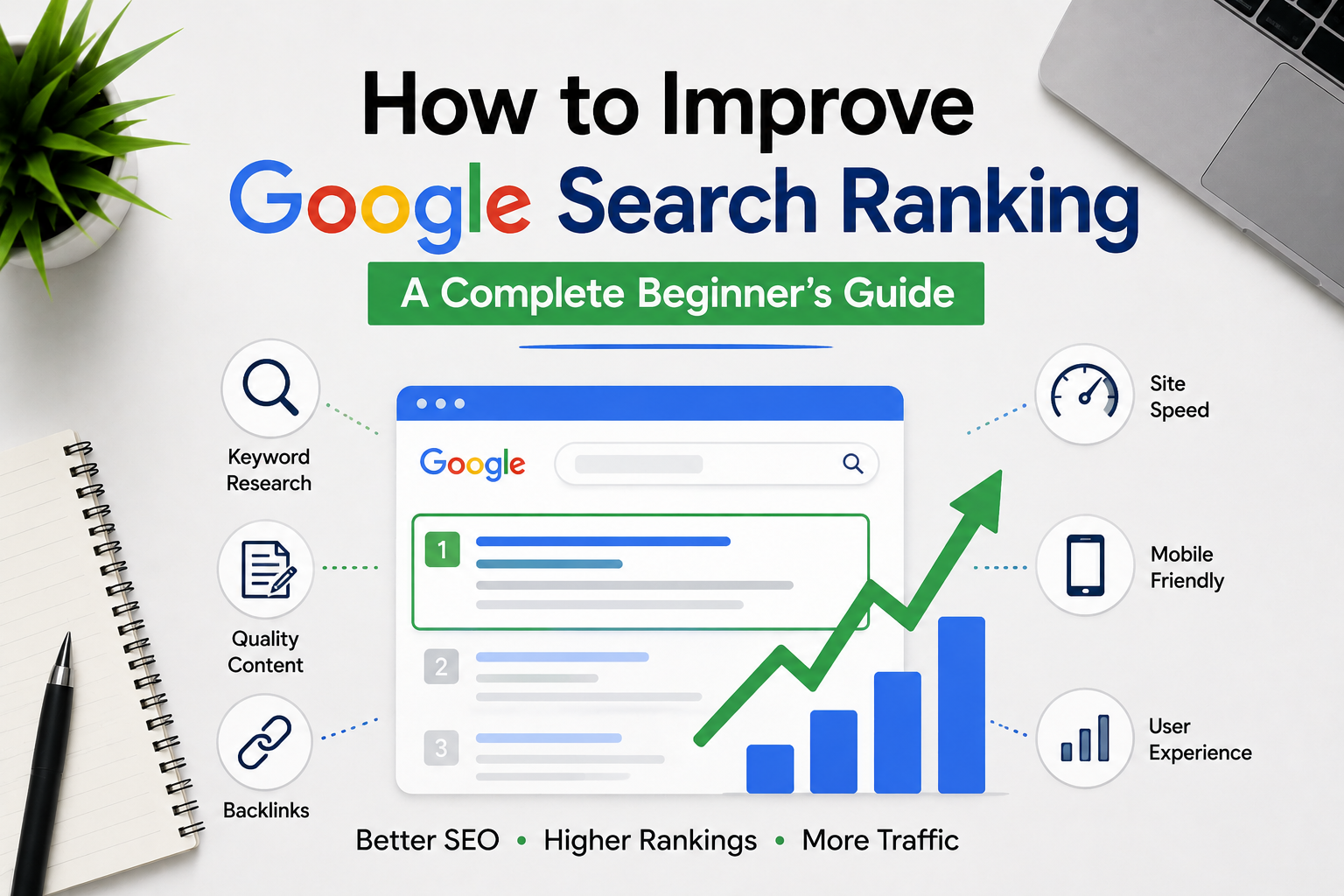
    How to Improve Google Search Ranking

    Tags :

    How to Improve Google Search Ranking: A Complete Beginner’s Guide

    Every website owner wants more people to discover their content through Google. Whether you run a personal blog, a business website, or an online store, appearing higher in search results can increase traffic, build trust, and create more opportunities for growth. That is why so many people search for *how to improve Google search ranking*.

    The good news is that you do not need shortcuts or expensive SEO software to achieve better rankings. Google mainly rewards websites that offer useful information, provide a great user experience, and answer visitors’ questions clearly.

    This guide explains *how to improve Google search ranking* using practical SEO strategies that continue to work in 2026. These methods are beginner-friendly, easy to understand, and focused on long-term success rather than quick fixes.

    What Is Google Search Ranking?

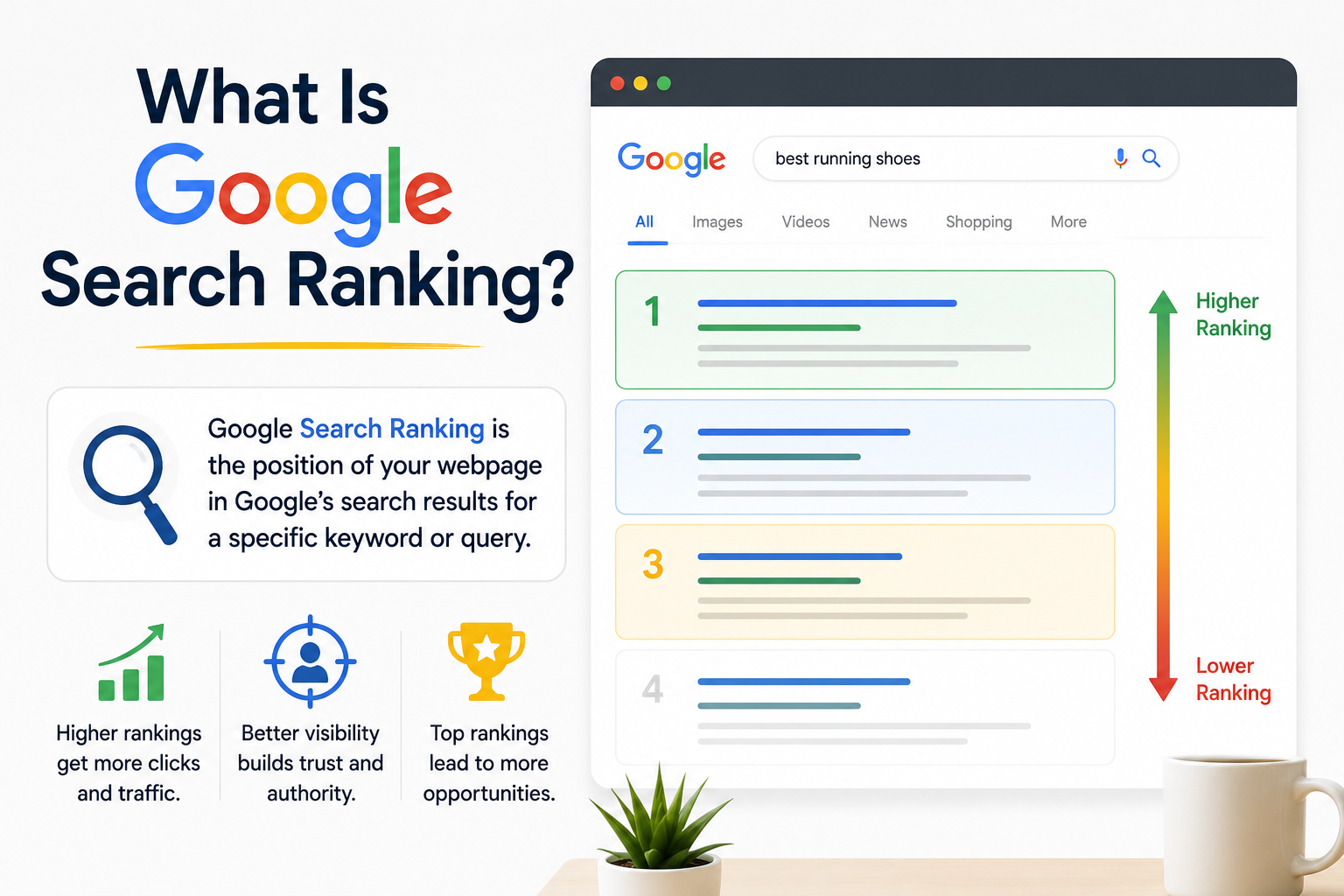
    How to Improve google search rankingGoogle search ranking refers to the position of a webpage in Google’s search results for a particular keyword or phrase. When someone searches online, Google’s algorithm evaluates millions of pages and displays the most useful and relevant results first.

     

    For example, a website that appears in the top three search results is much more likely to receive clicks than a website listed on the second page. Better rankings usually lead to more visitors, which can increase enquiries, sales, and brand awareness.

    Understanding *how to improve Google search ranking* is important because organic traffic is one of the most valuable sources of website visitors.

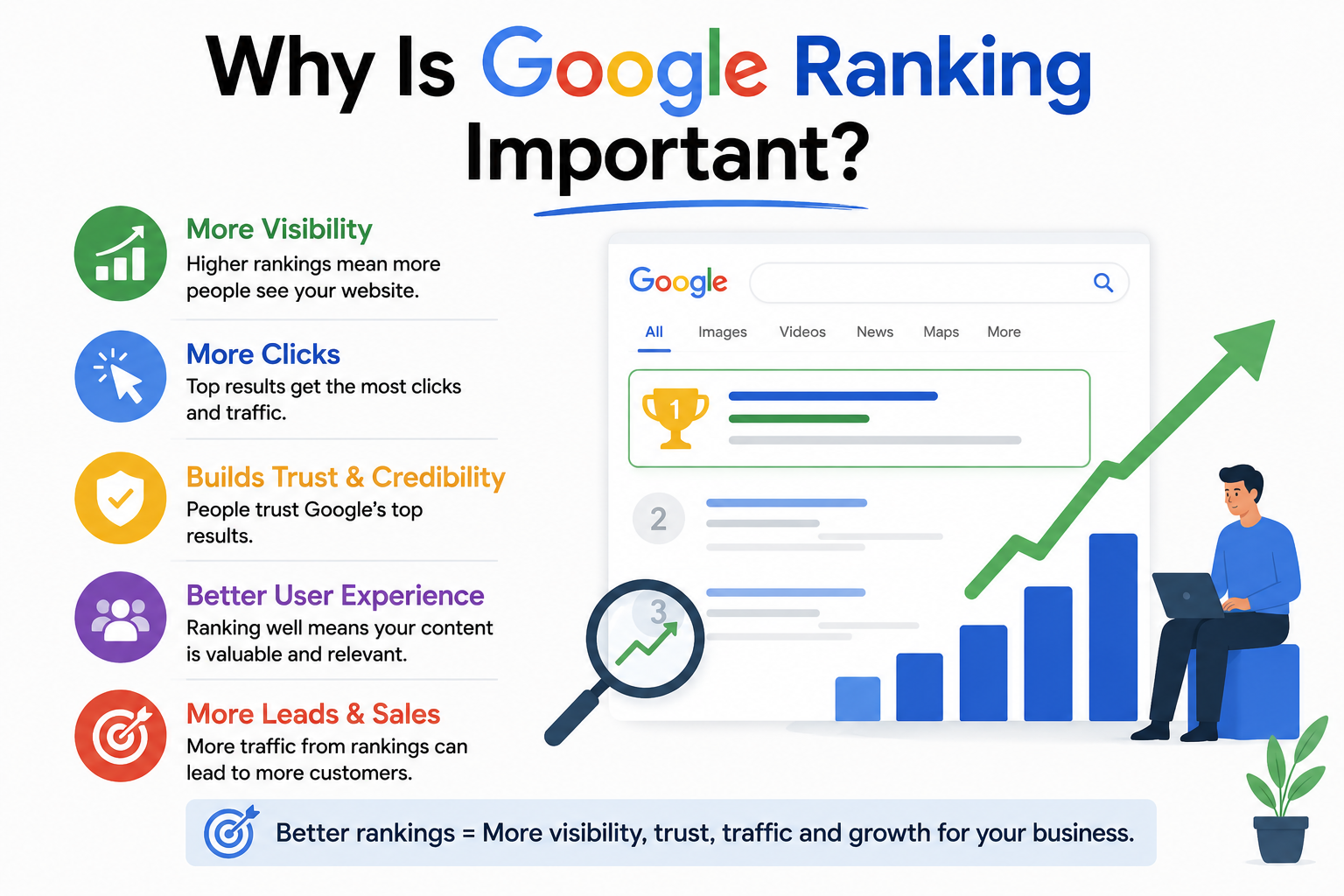
    Why Is Google Ranking Important?

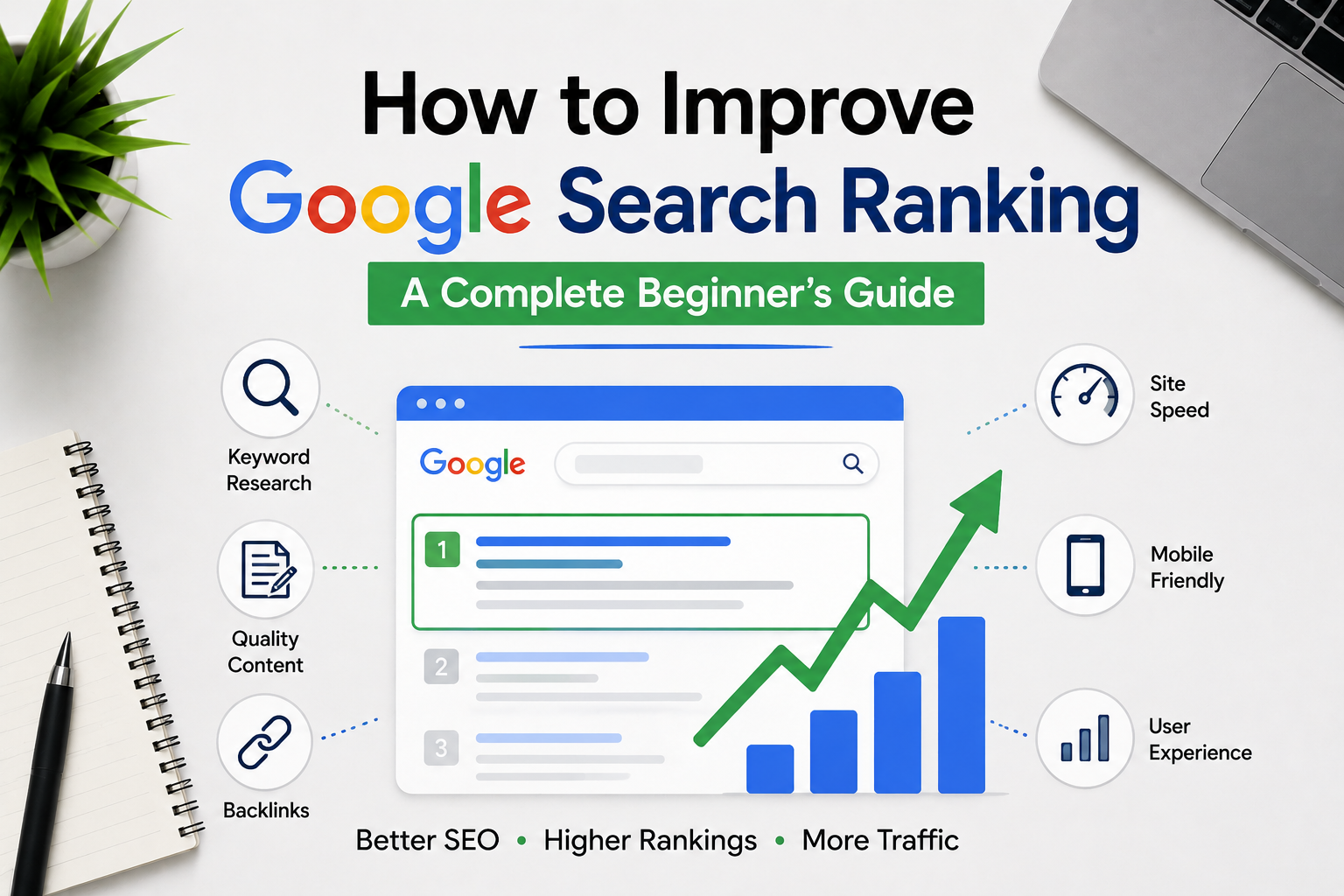
    How to Improve Google Search Ranking

    A higher position in Google search results offers several advantages for businesses and content creators.

    Some of the biggest benefits include:

    * More organic visitors
    * Greater online visibility
    * Increased customer trust
    * Better lead generation
    * Improved brand recognition
    * Long-term marketing results without paying for every click

    These advantages explain why learning *how to improve Google search ranking* has become a priority for businesses of every size.

    1. Create Helpful and Original Content

    The foundation of successful SEO is creating content that genuinely helps your audience. If you want to learn how to improve Google search ranking, start by creating content that answers users’ questions and provides real value. Google’s goal is to recommend pages that solve problems accurately and deliver a great user experience.

    Instead of writing only to rank for keywords, focus on solving problems. Think about the information your readers are looking for and explain it in simple language. This approach not only builds trust with your audience but also helps improve your Google search ranking over time.

    Helpful content should:

    * Answer common questions
    * Be accurate and easy to understand
    * Offer practical solutions
    * Include updated information

    When readers spend more time on your page because your content is useful, Google receives positive signals that can improve your rankings.

    If you want to learn *how to improve Google search ranking*, publishing valuable and original content should always be your first step.

    2. Choose the Right Keywords

    Keywords help Google understand the topic of your webpage. If you want to know how to improve Google search ranking, choosing the right keywords is one of the most important steps. Selecting relevant keywords makes it easier for your content to reach the right audience and increases the chances of your pages appearing in relevant search results.

    Before writing, spend some time researching the words and phrases your potential visitors actually search for.

    Focus on:

    * Primary keywords
    * Long-tail keywords
    * Related search terms
    * User intent

    Use your main keyword naturally throughout your article instead of repeating it unnecessarily. A well-written article should sound natural while still making the topic clear to both readers and search engines.

    For example, if your target keyword is *how to improve Google search ranking*, include it where it fits naturally, such as in the introduction, headings, and conclusion.

    3. Write SEO-Friendly Titles

    Your page title is one of the first things people notice in Google search results. If you’re learning how to improve Google search ranking, creating a clear, relevant, and engaging page title is essential. A well-written title encourages users to click on your page instead of someone else’s, which can improve your visibility and attract more organic traffic.

    An effective SEO title should:

    * Include the primary keyword
    * Clearly explain the topic
    * Stay concise
    * Encourage curiosity without being misleading

    Example:

    *How to Improve Google Search Ranking: 12 Proven SEO Tips for Beginners*

    A well-written title can improve your click-through rate, which may also help your overall search performance.

    4. Improve Website Speed

    Visitors expect websites to load quickly. If you’re looking for how to improve Google search ranking, improving your website’s loading speed should be a top priority. When a webpage loads slowly, many visitors lose interest and leave before they have a chance to explore your content. A faster website provides a better user experience and can help improve your rankings in Google Search.

    A fast website creates a better experience for visitors and can positively influence your search rankings.

    Here are some practical ways to improve loading speed:

    * Compress large images
    * Remove unnecessary plugins
    * Choose reliable web hosting
    * Enable browser caching
    * Reduce unused CSS and JavaScript files

    Even small improvements in speed can make your website feel more responsive and enjoyable for users.

    5. Make Your Website Mobile-Friendly

    Today, most internet users browse websites on smartphones or tablets. If you want to learn how to improve Google search ranking, making your website mobile-friendly is essential. Google mainly evaluates the mobile version of a website when determining search rankings, so a responsive design that works well on all screen sizes can improve both user experience and search visibility.

    Your website should provide a smooth experience across all devices.

    Make sure it:

    * Adjusts automatically to different screen sizes
    * Uses readable fonts
    * Loads quickly on mobile networks
    * Uses buttons that are large enough for comfortable touch navigation.
    * Offers simple navigation

    A responsive design not only improves user satisfaction but also supports *how to improve Google search ranking* by meeting Google’s mobile-friendly expectations.

    6. Optimize Your Images

    Images make your articles more attractive and easier to understand. If you’re learning how to improve Google search ranking, optimizing your images is an important step that should not be overlooked. Using large or unoptimized images can slow down your website, which may affect both user experience and search rankings.

    Before uploading images, reduce their file size without losing quality. Give each image a meaningful file name instead of generic names like “IMG001.jpg.” Adding descriptive alt text also helps search engines understand what the image represents while improving accessibility for users who rely on screen readers.

    Modern image formats such as WebP can reduce loading time even further. Well-optimized images contribute to a faster website, and faster websites often perform better in Google Search, helping improve your overall search visibility.

    7. Use Proper Headings

    A well-organized article is easier for both readers and search engines to understand. If you want to know how to improve Google search ranking, using a clear heading structure is an important SEO practice. Headings divide your content into logical sections, making it easier to read and navigate.

    Use one H1 heading for the page title, H2 headings for the main topics, and H3 headings whenever you need to explain smaller points under each section.

    A logical heading structure helps visitors quickly find the information they need while making it easier for Google to understand the main topics covered on your page, which can improve your chances of ranking higher in search results.

    8. Build High-Quality Backlinks

    Backlinks are links from other websites that point to your content. If you’re wondering how to improve Google search ranking, earning high-quality backlinks should be part of your SEO strategy. These links act as recommendations, showing Google that your website provides valuable and trustworthy information.

    Instead of trying to collect hundreds of low-quality links, focus on earning backlinks from trusted and relevant websites. A few high-quality backlinks are often more valuable than many low-quality ones and can have a positive impact on your search rankings.

    Some effective ways to earn quality backlinks include:

    * Publishing detailed guides
    * Creating original research or case studies
    * Writing guest articles for reputable websites
    * Producing useful resources that others naturally want to share

    Avoid purchasing backlinks or using spammy link-building methods. These practices can hurt your website instead of helping it.

    9. Improve User Experience

    Google wants to recommend websites that visitors enjoy using. If you’re looking for how to improve Google search ranking, providing an excellent user experience should be a priority. If users leave your site immediately because it is confusing or difficult to navigate, your rankings may suffer over time.

    Create a clean, easy-to-use website with clear navigation, readable fonts, and well-organized content. When visitors can quickly find the information they need and enjoy browsing your website, they are more likely to stay longer, which can positively influence your search rankings.

    Creating a positive user experience does not require a complicated design. Sometimes the simplest improvements have the biggest impact.

    Consider these tips:

    * Keep menus simple and organized.
    * Use readable fonts and enough spacing.
    * Break long paragraphs into shorter ones.
    * Include bullet points where appropriate.
    * Avoid excessive pop-ups that interrupt visitors.

    When users stay longer, explore more pages, and easily find what they need, your website sends positive quality signals to Google.

    10. Update Old Content Regularly

    SEO is an ongoing process rather than a one-time project. If you’re learning how to improve Google search ranking, remember that regularly updating your website is just as important as creating new content. Information changes over time, and outdated content may gradually lose its ranking.

    Review your pages regularly, update outdated information, improve your content with fresh insights, and fix broken links when needed. Keeping your website accurate and up to date helps maintain its relevance and can improve your Google search rankings over the long term.

    Review your older articles every few months and look for opportunities to improve them.

    You can update:

    * Statistics and data
    * Examples
    * Images or screenshots
    * Broken links
    * Newly available information

    Refreshing existing content is often easier than creating a completely new article, and it can help your pages remain competitive in search results.

    Updating old articles is also an effective way to improve *how to improve Google search ranking* over the long term.

    11. Use Internal Links

    Internal links create connections between different pages on your website. If you want to understand how to improve Google search ranking, using internal links is an effective SEO strategy. They help visitors discover additional useful content while guiding search engines to crawl, understand, and explore your site’s structure more efficiently.

    By linking to relevant pages within your website, you improve navigation, keep visitors engaged for longer, and help distribute SEO value across your content. A strong internal linking strategy can improve both user experience and your website’s visibility in Google Search.

    For example, if you publish an article about keyword research, you can naturally link it to another article discussing on-page SEO or content optimization.

    Good internal linking offers several advantages:

    * Helps search engines discover more pages
    * Keeps visitors on your website longer
    * Improves navigation
    * Distributes authority across important pages

    A well-planned internal linking strategy creates a stronger website structure and improves the overall user experience.

    12. Write Better Meta Descriptions

    A meta description is the short summary displayed below your page title in Google search results. If you’re looking for how to improve Google search ranking, writing clear and compelling meta descriptions can help attract more visitors to your website.

    Although Google does not use meta descriptions as a direct ranking factor, an engaging description can encourage more people to click on your page. Higher click-through rates can increase your organic traffic and improve your website’s overall visibility in search results.

    A good meta description should:

    * Clearly explain the content
    * Include the primary keyword naturally
    * Stay within approximately 150–160 characters
    * Encourage users to learn more

    Writing compelling descriptions can improve your click-through rate and bring more visitors to your website.

    13. Use Google Search Console

    Google Search Console is a free tool that provides valuable information about your website’s performance in Google Search.

    It allows you to monitor how your pages appear in search results and identify areas that need improvement.

    With Google Search Console, you can:

    * Check whether pages are indexed
    * Monitor search performance
    * Submit XML sitemaps
    * Identify crawling issues
    * Discover the keywords people use to find your website

    Reviewing this data regularly helps you make informed SEO decisions and improve your site’s visibility.

    14. Understand Search Intent

    One of the most important aspects of modern SEO is understanding why someone performs a particular search.

    Before creating content, think about the user’s goal.

    Ask yourself questions such as:

    * Are they searching for information?
    * Do they want to compare products?
    * Are they ready to buy a product or service?
    * Do they need step-by-step instructions?

    When your content closely matches what users expect to find, Google is more likely to rank it higher because it provides a better search experience.

    15. Be Patient and Stay Consistent

    Many beginners expect SEO results within a few days or weeks. In reality, improving rankings usually takes time.

    Depending on your industry and competition, noticeable improvements may take several months.

    The key is consistency.

    Continue publishing useful content, improving your website, updating older pages, and following SEO best practices. Making steady improvements over time is usually more effective than looking for quick SEO tricks.

    If your goal is *how to improve Google search ranking*, patience and continuous improvement are two of the most important qualities you can have.

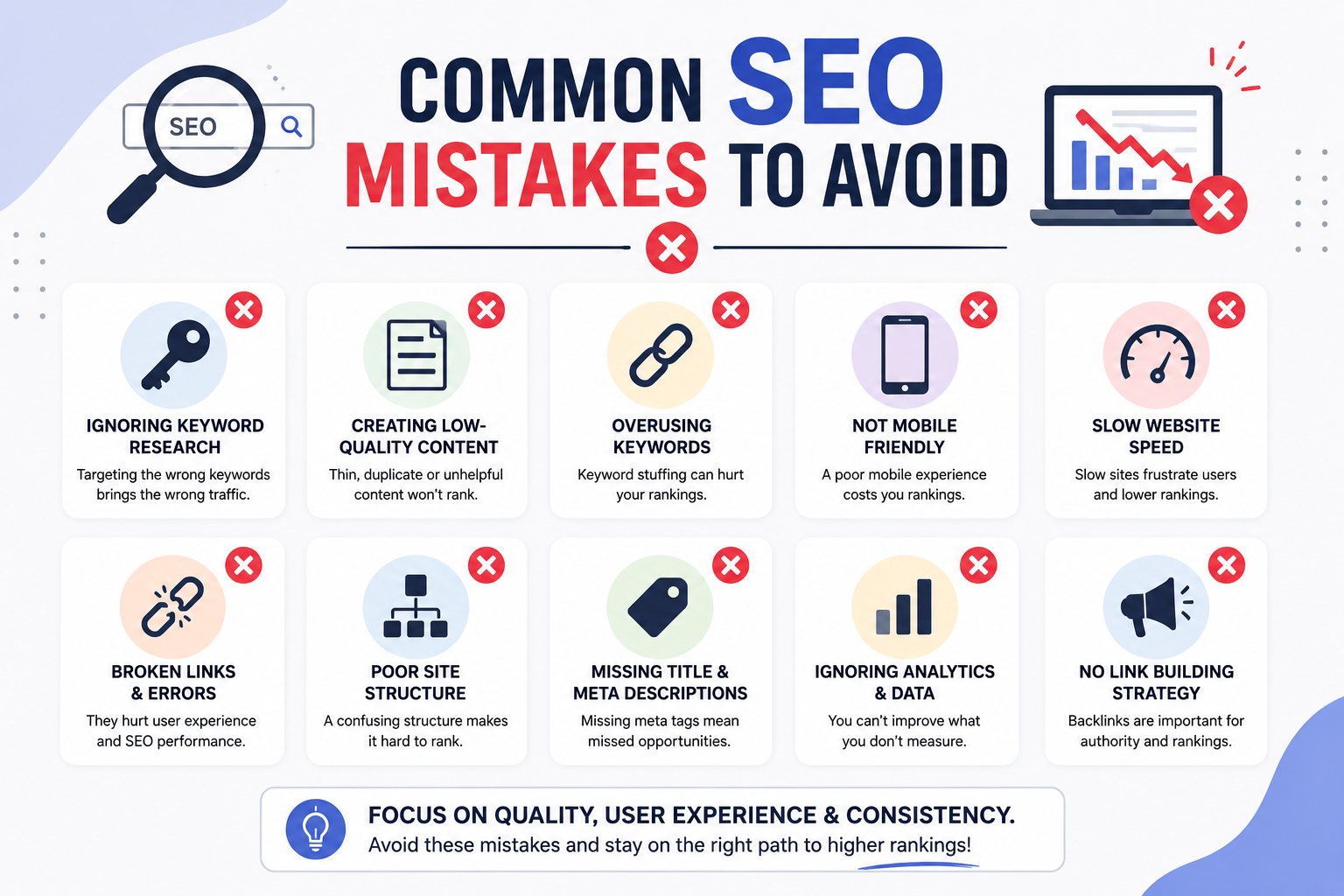
    Common SEO Mistakes to Avoid

    How to Improve Google Search Ranking

    Even a well-designed website can lose rankings if common SEO mistakes are ignored.

    Some of the most frequent mistakes include:

    *Publishing duplicate or copied content
    * Buying low-quality backlinks
    * Ignoring mobile optimization
    * Creating very short pages with little value
    * Allowing pages to load slowly
    * Leaving broken links unfixed
    * Forgetting image alt text
    * Complicated website navigation
    * Failing to update outdated content

    Avoiding these mistakes helps create a healthier website that is easier for both users and search engines to trust.

    Final Thoughts

    How to Improve Google Search Ranking

    Learning *how to improve Google search ranking* is an ongoing journey that requires planning, consistency, and a focus on providing value. Google rewards websites that answer users’ questions clearly, offer reliable information, and deliver a smooth browsing experience.

    Rather than looking for quick SEO tricks, invest your time in creating original content, choosing the right keywords, improving website speed, optimizing images, and building a website that visitors genuinely enjoy using.

    As your content library grows, continue updating older articles, strengthening internal links, and monitoring your site’s performance through Google Search Console. These simple habits can gradually improve your visibility and attract more organic traffic.

    Remember that SEO success rarely happens overnight. With patience and consistent effort, your website can earn higher rankings, attract the right audience, and achieve sustainable growth. Following the strategies in this guide will help you understand *how to improve Google search ranking* while building a website that both users and search engines trust.

    Author : ATHUL KRISHNA P.S

    Digital Marketing Freelancer dedicated to boosting brands with SEO, engaging content, and performance-focused online marketing strategies.

    Learner of DigiSkillz, Digital Marketing Course in Kochi.

    Freelance Digital Marketer in Vaduthala

  • Free Blog Submission Sites: Top 10 Platforms to Improve SEO and Website Traffic

    Free Blog Submission Sites: Top 10 Platforms to Improve SEO and Website Traffic

    Free Blog Submission Sites: Top 10 Platforms to Improve SEO and Website Traffic

    In today’s competitive digital landscape, creating quality content is only half the battle. To ensure your content reaches the right audience, you need an effective promotion strategy. One of the easiest and most effective off-page SEO techniques is using Free Blog Submission Sites. These platforms allow bloggers, businesses, and digital marketers to publish content on high-authority websites, helping increase visibility, generate quality backlinks, and improve search engine rankings.

    Whether you’re a beginner blogger, an SEO professional, or a business owner, Free Blog Submission Sites can significantly enhance your online presence. By submitting valuable content to reputable platforms, you not only attract more readers but also strengthen your website’s authority in Google’s eyes.

    This guide explains everything you need to know about Free Blog Submission Sites, their benefits, how they work, and the top platforms you should start using today.

    What Are Free Blog Submission Sites?

    free blog submission sites

    Free Blog Submission Sites are online platforms where users can publish blog posts or submit their existing blogs for free. These websites help bloggers share their content with a larger audience while earning valuable backlinks that improve search engine optimization.

    Instead of relying only on your own website for traffic, Free Blog Submission Sites allow you to distribute your content across multiple high-authority platforms. This increases your chances of reaching potential readers, customers, and industry professionals.

    Most Free Blog Submission Sites allow users to:

    • Publish original articles
    • Add backlinks to their websites
    • Improve online visibility
    • Increase website authority
    • Generate referral traffic
    • Build brand awareness

    Because many of these websites already have established audiences and strong domain authority, publishing content on them can accelerate your SEO efforts.

    Why Free Blog Submission Sites Matter for SEO

    free blog submission sites

    Search engines value websites that consistently earn high-quality backlinks from authoritative domains. One of the easiest ways to earn these backlinks is through Free Blog Submission Sites.

    When your content appears on trusted websites, search engines view your website as more credible and relevant. This can lead to higher rankings for your target keywords.

    Here are several reasons why Free Blog Submission Sites are an essential part of any off-page SEO strategy:

    Improve Search Engine Rankings

    Publishing on Free Blog Submission Sites helps search engines discover your website faster. High-quality backlinks signal trust and authority, improving your chances of ranking on the first page of Google.

    Build High-Quality Backlinks

    Backlinks remain one of Google’s most important ranking factors. Many Free Blog Submission Sites allow you to include links pointing back to your website, helping increase your domain authority.

    Increase Organic Traffic

    Every article published on Free Blog Submission Sites has the potential to attract readers searching for information related to your niche. These visitors can become regular readers or customers.

    Enhance Brand Awareness

    Publishing consistently on multiple Free Blog Submission Sites helps introduce your brand to new audiences. Over time, people begin recognizing your expertise and associating your business with valuable information.

    Establish Industry Authority

    Sharing informative, well-researched content demonstrates your expertise. Regular contributions to Free Blog Submission Sites position you as a trusted authority in your industry.

    Benefits of Using Free Blog Submission Sites

    Using Free Blog Submission Sites is an effective way to improve your website’s SEO, increase visibility, and drive organic traffic. Here are the key benefits:

    • Higher Website Visibility: Reach a wider audience by publishing your content on multiple platforms.
    • Better Domain Authority: Earn quality backlinks that strengthen your website’s authority.
    • Faster Indexing: Search engines quickly discover and index content published on trusted sites.
    • More Referral Traffic: Attract targeted visitors through backlinks in your blog posts.
    • Cost-Effective Promotion: Market your business for free without investing in paid advertising.
    • Long-Term SEO Benefits: High-quality blog submissions can continue generating traffic and backlinks over time.

      Medium  (DA 95)

    free blog submission sites

    Medium is one of the most popular Free Blog Submission Sites, trusted by writers, bloggers, marketers, and businesses worldwide. With a high Domain Authority (DA 95), it helps you publish high-quality content, reach a large audience, earn valuable backlinks, improve SEO, and drive organic traffic to your website through an easy-to-use publishing platform.

    Articlebiz (DA 44)


    free blog submission sites

    ArticleBiz is one of the reliable Free Blog Submission Sites that allows writers, bloggers, and businesses to publish informative articles across a wide range of industries. With a good Domain Authority (DA 44), it offers free article submissions, supports multiple content categories, provides valuable backlinks, improves SEO, and helps drive referral traffic while expanding your online reach.

    Finder Master (DA 24)

    free blog submission sites

    Finder Master is one of the useful Free Blog Submission Sites that allows users to publish blogs, business information, and promotional content. With a Domain Authority of 24, it offers free blog submissions, multiple business categories, valuable backlink opportunities, an easy-to-use interface, and increased website exposure, making it a great platform for both blog promotion and business marketing.

    H1 Ad  (DA 21)

    free blog submission sites

    H1 Ad is a free publishing platform and one of the recommended Free Blog Submission Sites for businesses and bloggers. It allows users to submit blog posts, advertisements, and business content while offering backlink support, business-friendly categories, and website promotion opportunities to improve online visibility.

    Wall Classifieds (DA 22)

    free blog submission sites

    Wall Classifieds is one of the effective Free Blog Submission Sites that enables users to publish blogs, articles, and business listings for free. With an easy approval process, good search engine indexing, and backlink opportunities, it helps increase referral traffic and supports long-term SEO growth.

    Bloggerie (DA 38)

    free blog submission sites

    Bloggeries is a dedicated blogging directory and one of the popular Free Blog Submission Sites for bloggers across various niches. It offers multiple blog categories, directory listings, homepage promotion options, and improved content discoverability, helping bloggers reach a wider audience and build their online presence.

     Bloggers Directory (DA 12)

    free blog submission sites

    Bloggers Directory is a simple yet effective Free Blog Submission Site that helps bloggers showcase their websites through category-based listings. It provides easy blog submission, improves website exposure, and is especially suitable for beginners looking to gain backlinks and increase online visibility.

    Blog Listing (DA 39)

    free blog submission sites

    Blog Listing is one of the trusted Free Blog Submission Sites that accepts blogs from industries such as business, technology, education, travel, finance, and health. With multiple content categories, writer guidelines, and strong SEO value, it is an excellent platform for increasing your blog’s reach and earning quality backlinks.

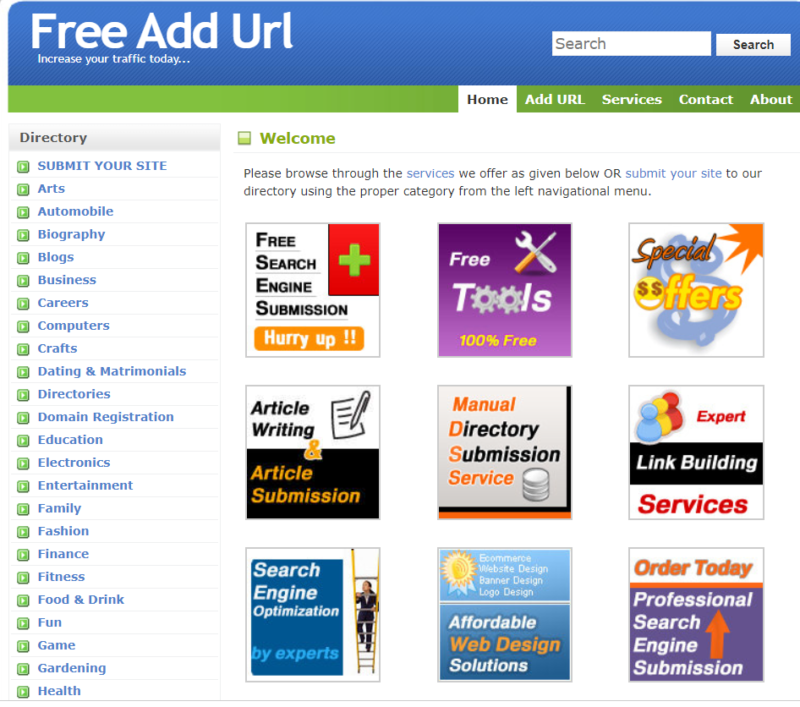
    Free Add Url (DA 23)

    free blog submission sites

    Free Add URL is a practical Free Blog Submission Site that supports both website and blog promotion. It features a user-friendly interface, multiple submission categories, useful website promotion tools, and additional SEO resources, making it a valuable platform for businesses and bloggers looking to increase website traffic and online visibility.

    Disadvantages of Blog submission sites

    While Free Blog Submission Sites provide several SEO benefits, they also have some limitations.

    1. Duplicate Content Risks

    Publishing the same article on multiple platforms can create duplicate content issues. Always rewrite or repurpose your content before submitting it elsewhere.

    2. Limited Branding

    Most Free Blog Submission Sites have their own layouts and branding, giving you limited control over the appearance of your content.

    3. Variable Content Quality

    Some submission sites accept content without strict editorial review, which may reduce the overall quality of the platform.

    free blog submission sites

    4. Spam Concerns

    Certain websites attract spammy submissions that may reduce their SEO value. Choose reputable Free Blog Submission Sites whenever possible.

    5. Limited Reader Engagement

    Unlike your own website, many submission platforms provide fewer opportunities to interact directly with readers through comments or community features.

    6. Dependence on Third-Party Platforms

    Your published content remains subject to the platform’s policies. If a website changes its rules or removes content, it may affect your marketing strategy.

    Conclusion

    Free Blog Submission Sites are an effective off-page SEO strategy for building quality backlinks, increasing brand visibility, improving search engine rankings, and driving organic traffic. Focus on submitting unique, high-quality content to trusted platforms with high Domain Authority instead of using numerous low-quality sites. When combined with strong on-page SEO and content marketing, Free Blog Submission Sites can significantly boost your website’s online presence and long-term SEO success.

    Tags :
    digitdal marketing strategy
    Author : Nishni

    Consectetur sollicitudin cubilia facilisis lobortis lacus a ac phasellus. Mus pulvinar enim suspendisse pharetra id commodo platea nunc aliquet.

    Learner of DigiSkillz, Digital Marketing Institute in Kochi.

Call Now Button