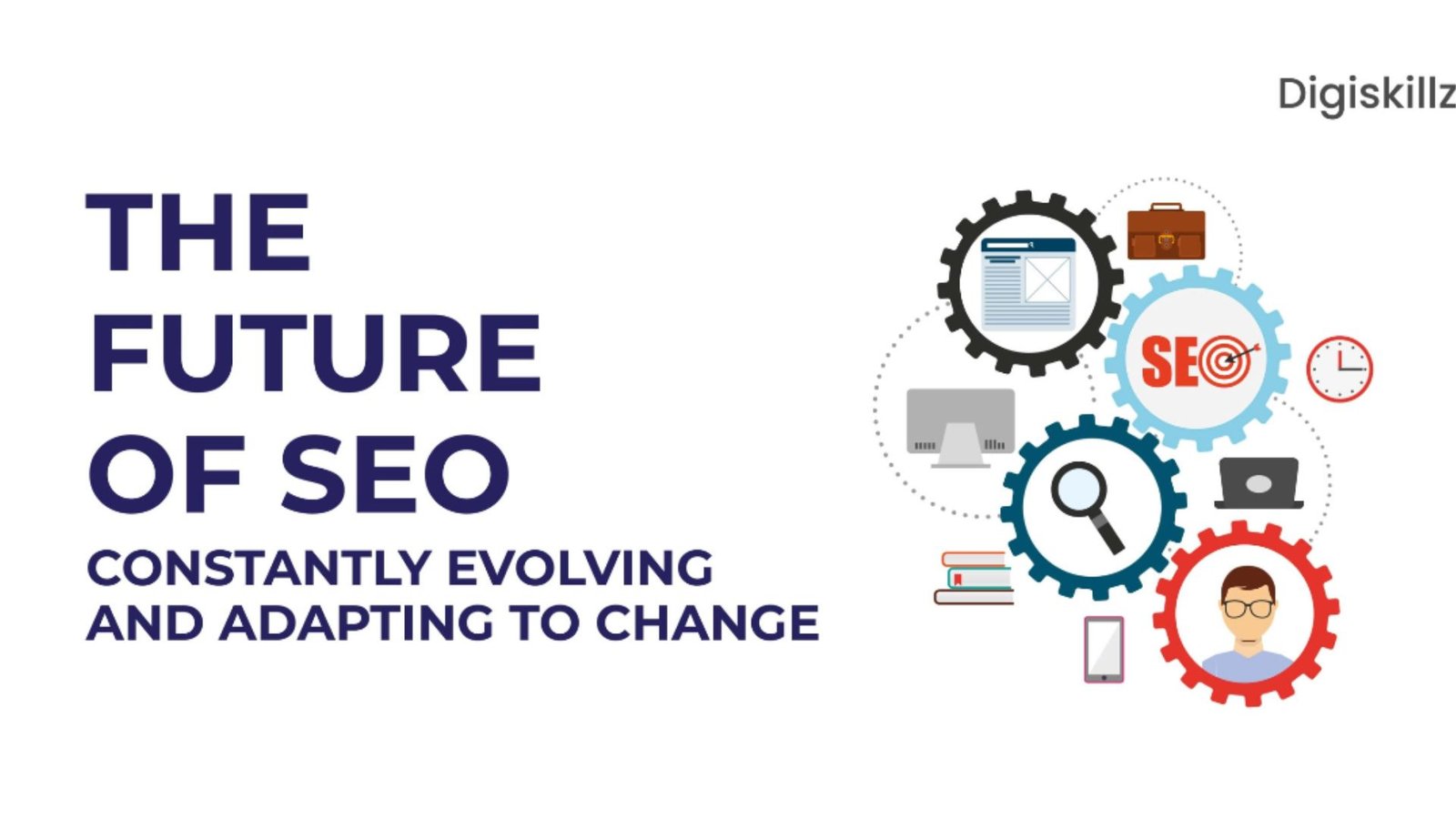
The future of SEO is an ever-changing landscape. As technology and consumer behaviour continue to evolve, it’s important for businesses and marketers to keep up with the latest trends in order to stay ahead of the competition. In this blog post, we’ll be taking a closer look at how the future of SEO is constantly evolving and adapting to the ever-changing digital environment.
SEO is Constantly Evolving
Search engine optimization (SEO) is constantly evolving in order to keep up with the ever-changing digital landscape. It is important for SEO experts and marketers to be aware of the latest trends and strategies in order to remain competitive. As search engine algorithms and user expectations evolve, it is essential to stay up to date on the most recent SEO best practices.
One of the top SEO future trends that marketers must be aware of is local search optimization. With the increasing popularity of mobile devices, local searches have become increasingly important for businesses that want to attract nearby customers. Therefore, optimizing for local search results has become an essential component of a comprehensive SEO strategy.
Additionally, voice search is also a trend that is gaining traction as more consumers are using voice-activated devices to find information. For this reason, it is important to optimize content for conversational search queries so that they can be easily discovered by voice search.
Furthermore, artificial intelligence (AI) is also a major factor in the future of SEO. AI technologies are being used to analyze vast amounts of data quickly and accurately, enabling companies to better target potential customers and optimize their content for higher rankings. All of these emerging trends underscore the importance of keeping up with the latest SEO best practices.
Changes in Technology
As the world becomes increasingly more digital, so too does the way businesses conduct their marketing and search engine optimization. Technology is constantly improving and advancing, and the future of SEO will have to adjust to keep up with these changes. For example, the increasing popularity of mobile devices has changed the way we access the internet and search for information, meaning that companies must now focus on optimizing their content for mobile users.
Additionally, voice search technology is rapidly developing, with more and more people now using voice-activated virtual assistants like Alexa or Google Home to search for content online. This means that businesses must optimize their websites for conversational searches, making sure that they are providing accurate answers to relevant questions. In order to stay ahead of the curve, it’s important to be aware of current trends in technology and how they may affect the future of SEO.
Changes in Consumer Behavior
The future of SEO is closely tied to changes in consumer behaviour. Consumers today are increasingly using mobile devices, spending more time online, and expecting tailored content. Companies must respond to these changes in order to stay ahead of the competition. To do so, they must understand how their target audience uses the web and optimize their SEO strategies accordingly.
One of the most important changes to keep an eye on is how users search for information. As people become more comfortable with voice search, for example, companies will need to adjust their SEO strategies to target long-tail keywords that better match the way people talk.
The future of SEO will also require companies to provide a better user experience, which includes faster page load times, mobile optimization, and quick response times.
Additionally, companies must create content that appeals to users by being engaging and helpful. Finally, as social media continues to be a major influence in the world of search engine optimization, companies should prioritize developing a strong presence on platforms such as Facebook, Twitter, and Instagram.
By keeping an eye on changes in consumer behaviour, companies can stay one step ahead of the competition and position themselves well for success in the ever-evolving world of SEO.
The Future of SEO
As SEO continues to evolve, it is important to stay on top of the latest trends in order to stay ahead of the competition. It is essential to recognize and understand the changes in technology and consumer behaviour that can affect SEO in order to develop an effective strategy for success.
Technology is always changing, and it is no different when it comes to SEO. As new technologies become available, they can have a significant impact on how search engines rank websites. For example, Google’s algorithm is constantly being updated and improved to better understand user queries and deliver more relevant results. Therefore, keeping up with the latest updates and changes in technology is critical for any website trying to stay ahead of the competition.
Consumer behaviour is also changing, as more people are using mobile devices and voice assistants to search for information online. As a result, businesses must ensure that their websites are optimized for these new technologies in order to appear higher in search engine rankings.
Additionally, SEO must be tailored to meet the needs of these consumers, such as using relevant keywords in content and optimizing for local searches.
The future of SEO will continue to include the importance of staying up-to-date with the latest technologies and trends in order to remain competitive.
Additionally, businesses should focus on providing valuable content that meets the needs of their target audiences, as well as optimizing their websites for both desktop and mobile devices. Taking advantage of SEO future trends such as voice search optimization, artificial intelligence (AI), and structured data will also be important to maintain high rankings in the future.
Conclusion
In conclusion, the future of SEO is constantly evolving and adapting to changes in technology and consumer behaviour. As search engines become more advanced and user behaviour shifts, SEO professionals will need to stay informed and adapt their strategies to stay ahead of the curve. From the increasing importance of artificial intelligence and machine learning to the growing importance of mobile optimization and local SEO, the future of SEO is filled with exciting opportunities and challenges. By staying informed and staying ahead of the curve, SEO professionals can continue to deliver the best possible results for their clients and help their businesses stay ahead of the competition in the digital marketplace.