test
Author: rishbin
-
Lorem ipsum dolor sit amet
Lorem ipsum dolor sit amet, consectetur adipiscing elit, sed do eiusmod tempor incididunt ut labore et dolore magna aliqua. Ut enim ad minim veniam, quis nostrud exercitation ullamco laboris nisi ut aliquip ex ea commodo consequat.
Duis aute irure dolor in reprehenderit in voluptate velit esse cillum dolore eu fugiat nulla pariatur. Excepteur sint occaecat cupidatat non proident, sunt in culpa qui officia deserunt mollit anim id est laborum.
-

Exploring the Digital Excellence on the basics of Digital Marketing

Digital technology has become an essential part of everyday life. From shopping and banking to education and entertainment, almost everything happens online. As businesses continue moving to digital platforms, understanding the Basics of Digital Marketing has become more important than ever.
Whether you’re a business owner, entrepreneur, student, freelancer, or marketing professional, learning digital marketing can help you reach the right audience, increase brand awareness, and grow your business effectively.
In this comprehensive guide, you’ll discover the core concepts, strategies, and tools that form the foundation of successful digital marketing.
What is Digital Marketing?
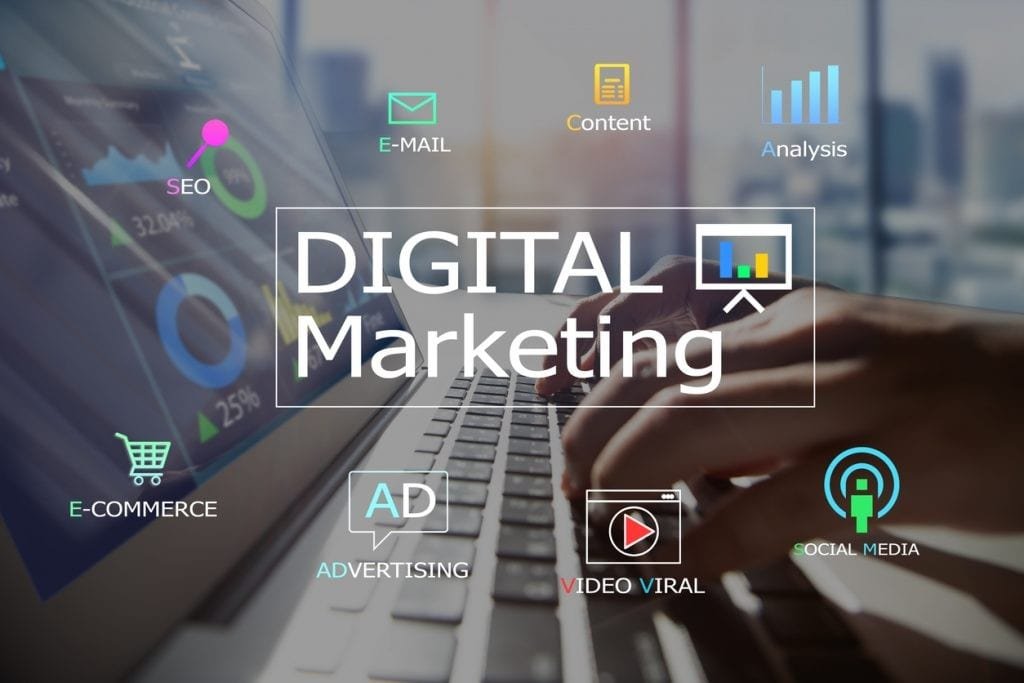
Digital marketing is the process of promoting products, services, or brands using digital channels such as:
- Search Engines
- Social Media
- Websites
- Mobile Applications
- Online Advertising
Unlike traditional marketing, digital marketing allows businesses to reach highly targeted audiences, measure campaign performance, and optimize strategies in real time.
Why Learn the Basics of Digital Marketing?
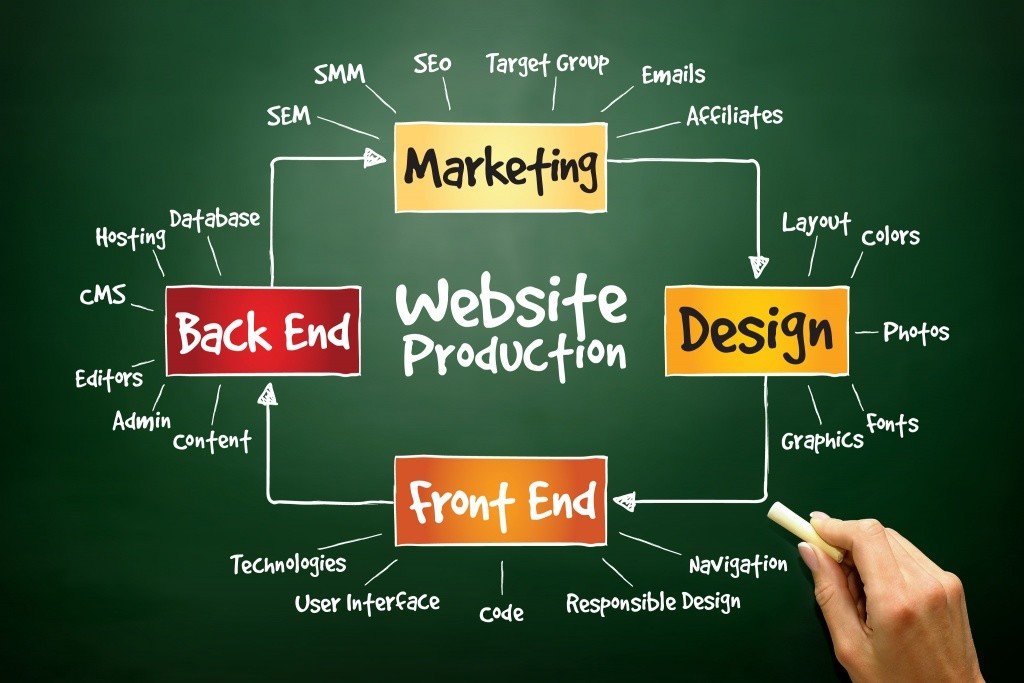
Today’s customers spend a significant amount of time online. Before making a purchase, they search on Google, read reviews, compare products, and engage with brands on social media.
Understanding the Basics of Digital Marketing helps businesses:
- Reach more potential customers
- Increase brand visibility
- Generate qualified leads
- Improve customer engagement
- Boost sales and revenue
- Measure marketing performance accurately
Regardless of your industry, digital marketing has become an essential business skill.
Key Components of Digital Marketing

Successful digital marketing combines multiple strategies that work together to attract, engage, and convert customers.
1. Search Engine Optimization (SEO)
SEO is the practice of improving your website so it ranks higher in search engine results like Google.
A strong SEO strategy includes:
- Keyword Research
- On-Page SEO
- Technical SEO
- Link Building
- High-Quality Content
- Website Speed Optimization
Higher rankings lead to more organic traffic without paying for advertisements.
The Power of Content: Words That Connect
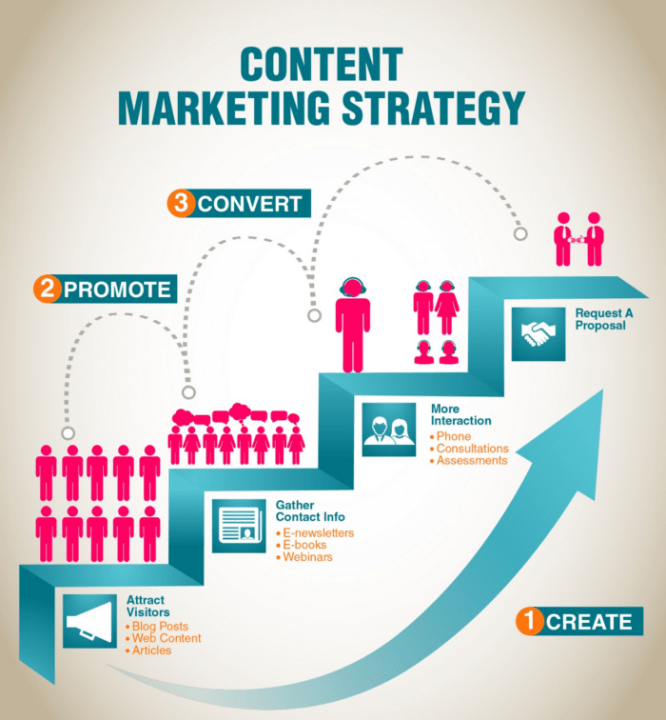
The power of content lies in its ability to forge meaningful connections through carefully chosen words.Content, whether expressed in articles, blogs, or social media posts, serves as a bridge between creators and their audience.
When words are thoughtfully crafted, they have the potential to resonate, inspire, and evoke emotions.Compelling content not only informs and educates but also establishes a rapport, creating a sense of trust and authenticity.
It transcends the transactional and strives for a genuine engagement, fostering a community around shared values and interests.
In a world inundated with information, the power of content lies in its capacity to cut through the noise, leaving a lasting impression and fostering a bond that extends beyond the immediate consumption of information.
It’s the art of storytelling and expression that transforms words into a conduit for connection, influencing perspectives, and shaping relationships in the digital realm.
Navigating the Social Media Landscape on the basics of digital marketing
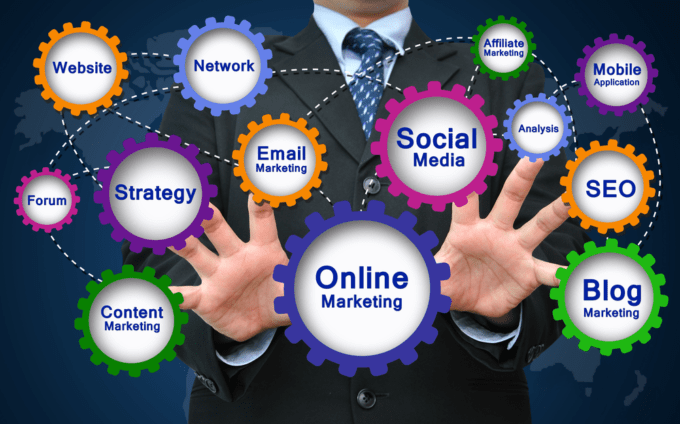
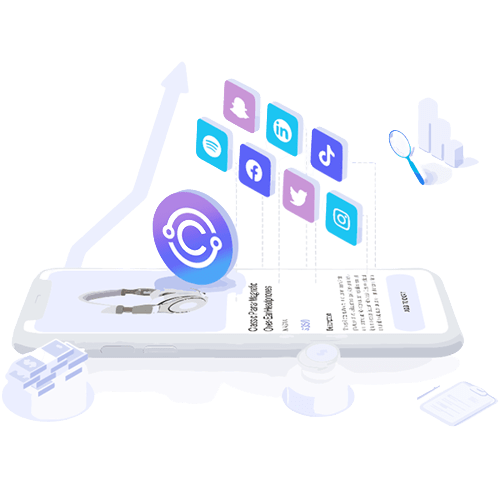
Within the basics of digital marketing, social media emerges as a bustling marketplace in the digital world.
This chapter serves as your guide to navigating the social media landscape, emphasizing the importance of understanding how different platforms operate within the basics of digital marketing.
Explore the best practices tailored to each platform, and grasp how to leverage social media effectively within the basics of digital marketing.
Learn how to utilize these platforms to not only build brand awareness but also foster a personal connection with your audience.
Cracking the Code of SEO
In the basics of digital marketing, SEO, which stands for Search Engine Optimization, becomes the linchpin for online discovery. This chapter is dedicated to demystifying the basics of SEO within the basics of digital marketing.
Dive into the fundamentals, understanding how to optimize your content to ensure that search engines, within the basics of digital marketing, can effortlessly locate and recommend it to users.
Explore the significance of keywords, meta tags, and other SEO essentials within the basics of digital marketing, all of which play a crucial role in enhancing your website’s visibility.
Email Marketing Essentials

Email marketing essentials encompass a range of crucial elements that collectively contribute to the success of an email campaign.
Building and managing permission-based email lists is foundational, ensuring recipients have willingly opted in.Crafting compelling content with clear, concise copy and visually appealing design captures attention.
Personalization through addressing recipients by name and tailoring content enhances engagement. Responsive design accommodates diverse devices, especially mobile platforms.Strong calls-to-action guide recipients, while continuous testing and optimization refine strategies.
Automation facilitates timely, targeted communications, and adherence to data protection regulations is paramount for trust and compliance.
Analytics provide insights, helping marketers gauge campaign effectiveness, and an easy opt-out mechanism respects recipient preferences.
These essentials collectively empower businesses to create impactful email marketing campaigns that foster connections, drive conversions, and maintain regulatory compliance
Understanding Digital Analytics
Understanding digital analytics is essential for businesses seeking to make informed decisions and optimize their online presence.
Digital analytics involves the collection, measurement, analysis, and interpretation of data from various digital platforms and channels.It provides insights into user behavior, website performance, and the effectiveness of marketing efforts.
Key metrics such as website traffic, user engagement, conversion rates, and customer demographics help businesses assess the impact of their online strategies.
Tools like Google Analytics, Adobe Analytics, or others track and visualize this data, offering a comprehensive view of how users interact with digital assets.
By interpreting these analytics, businesses can refine their digital marketing strategies, improve user experiences, identify areas for growth, and ultimately enhance their online performance.
Digital analytics serves as a valuable compass, guiding businesses towards data-driven decisions that contribute to overall success in the dynamic digital landscape.
Paid Advertising: Reaching New Heights
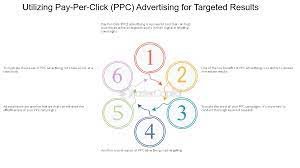
Within the basics of digital marketing, while organic strategies are indispensable, incorporating paid advertising can provide an extra boost to your efforts.
This chapter delves into understanding the basics of paid advertising, covering various platforms from social media ads to Google Ads, all within the basics of digital marketing.
Gain insights on how to set budgets effectively, target the right audience, and measure the ROI of your paid campaigns within the basics of digital marketing, ensuring a strategic and well-informed approach to enhancing your online presence.
Paid advertising is a crucial facet of digital marketing, propelling businesses to new heights by strategically investing in online platforms to reach a wider audience.
This method involves paying for ad placements on various channels like search engines, social media, and websites.
Pay-per-click (PPC) campaigns on search engines, such as Google Ads, enable businesses to appear prominently in search results, driving targeted traffic to their websites.
Social media platforms like Facebook and Instagram offer paid advertising options that allow businesses to reach specific demographics based on user interests, behaviors, and demographics.
These targeted ads enhance visibility and engagement. Display advertising on websites showcases visually appealing banners or videos to capture audience attention.
Successful paid advertising campaigns leverage compelling content, precise targeting, and constant monitoring of performance metrics to maximize return on investment and elevate a brand’s digital presence effectively.
Paid advertising is a dynamic and essential facet of digital marketing, propelling businesses to new heights by strategically promoting products or services to a targeted audience. This method allows brands to amplify their visibility and reach beyond organic efforts, ensuring a broader market presence and potential customer acquisition.
One of the primary platforms for paid advertising is pay-per-click (PPC) advertising, where advertisers pay a fee each time their ad is clicked. Google Ads, for instance, displays ads at the top of search engine results pages, directly reaching users actively searching for related products or services. Social media platforms like Facebook, Instagram, and LinkedIn offer sophisticated ad targeting options, allowing businesses to tailor their campaigns based on demographics, interests, and behaviors.
Paid advertising provides immediate visibility and can be precisely tracked and measured. Analytics tools enable marketers to assess the performance of their campaigns, including click-through rates, conversion rates, and return on investment (ROI). This data-driven approach allows for continuous optimization, ensuring that resources are allocated efficiently to maximize results.
Remarketing is another powerful strategy within paid advertising. It involves targeting users who have previously interacted with a brand but didn’t convert. Displaying tailored ads to this audience as they browse other websites or social media platforms helps reinforce brand awareness and encourages them to revisit the site.
However, successful paid advertising requires careful planning, keyword research, compelling ad creatives, and constant monitoring. Advertisers must stay abreast of industry trends, audience behavior, and platform algorithms to adapt their strategies effectively.
In essence, paid advertising is a dynamic and results-oriented approach that, when executed strategically, catapults businesses to new heights by expanding their online visibility, driving targeted traffic, and ultimately, achieving business objectives.
Mobile Optimization for Today’s Audience

In the basics of digital marketing, the digital world deems data as your ally.
This chapter is devoted to comprehending the basics of digital marketing through understanding digital analytics and how it plays a pivotal role in informing your marketing decisions.
Learn within the basics of digital marketing how to adeptly interpret website analytics, social media insights, and other data sources.
This knowledge becomes paramount in measuring the success of your digital marketing efforts within the basics of digital marketing, allowing you to make informed adjustments for continued improvement and strategic refinement.
Mobile optimization is crucial in today’s digital landscape as an increasing number of users rely on smartphones for online activities. With a rapidly growing mobile audience, ensuring that websites and applications are optimized for mobile devices is imperative.
In a world where people are constantly on the go, mobile optimization enhances user experience by providing seamless navigation, faster load times, and responsive design. This adaptation is not just about aesthetics; it directly impacts user engagement and conversion rates.
Search engines also prioritize mobile-friendly content, influencing website rankings. Therefore, businesses must prioritize mobile optimization to remain competitive in the online sphere. Responsive design, streamlined content, and efficient navigation contribute to a positive user experience, fostering customer loyalty and satisfaction.
Furthermore, mobile optimization aligns with changing consumer behaviors, meeting the expectations of an audience that demands convenience and accessibility. Whether it’s an e-commerce site, a blog, or a service platform, catering to the mobile audience ensures broader reach and relevance in today’s dynamic digital landscape.
Overall, mobile optimization is an essential strategy for businesses seeking to thrive and connect with the ever-expanding mobile-centric consumer base.
Ethical Considerations in Digital Marketing
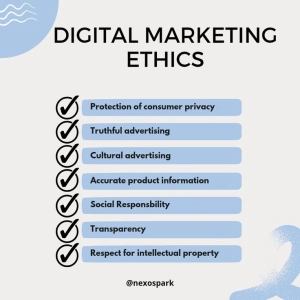
In concluding our exploration within the basics of digital marketing, let’s delve into the ethical considerations integral to digital marketing strategies.
Understand the importance, within the basics of digital marketing, of transparency, privacy, and building trust with your audience.
Explore how ethical practices, firmly rooted in the basics of digital marketing, not only positively impact your brand reputation.
But also play a pivotal role in contributing to long-term success within the dynamic and evolving digital landscape.
Embarking on the journey of exploring digital excellence within the basics of digital marketing is a transformative experience.
From defining your online presence to mastering the nuances of SEO and paid advertising, this guide within the basics of digital marketing has equipped you with the knowledge and tools needed to thrive in the digital world.
Remember, digital marketing is a dynamic field, so stay curious, adapt to changes, and continue refining your strategies for ongoing success within the ever-evolving basics of digital marketing landscape.
Ethical considerations in digital marketing are of paramount importance in an era where online interactions play a central role in business promotion. Upholding ethical standards not only fosters trust among consumers but also ensures the long-term sustainability and reputation of a brand.
Transparency is a cornerstone of ethical digital marketing. Businesses must be forthright about their products, services, and pricing. Providing accurate and clear information helps build trust with consumers, leading to a more positive brand perception.
Respecting user privacy is a critical ethical consideration. As data plays a pivotal role in digital marketing, it is crucial to obtain explicit consent before collecting, storing, or utilizing personal information. Adhering to data protection regulations and clearly communicating privacy policies are essential in maintaining consumer trust.
Honesty in advertising is another ethical imperative. Exaggerated claims, false advertising, or misleading information can damage a brand’s reputation and erode consumer trust. Businesses should strive for authenticity and accuracy in their marketing communications to foster a genuine connection with their audience.
Targeting vulnerable populations or employing manipulative tactics raises ethical concerns. Digital marketers must be cautious about exploiting psychological triggers or employing deceptive practices to influence consumer behavior. Fair and respectful engagement is key to maintaining ethical standards.
Safeguarding against discrimination is also vital. Advertisers should avoid discriminatory practices based on factors such as race, gender, age, or socioeconomic status. Inclusive and diverse marketing efforts contribute to a more ethical and socially responsible digital landscape.
Social responsibility extends to how businesses use digital platforms. Avoiding the spread of misinformation, engaging in fair competition, and contributing positively to the online community are ethical imperatives. Companies should strive to be responsible digital citizens and actively work towards the betterment of the online environment.
In conclusion, ethical considerations in digital marketing are foundational to building and maintaining a positive brand image. Upholding transparency, respecting user privacy, practicing honesty in advertising, avoiding manipulative tactics, and promoting social responsibility contribute to a digital marketing landscape that is ethical, trustworthy, and sustainable.
Conclusion For The Basics of Digital Marketing
In short, digital marketing is a big deal for businesses today. We’ve seen that knowing your audience, creating great content, and using online platforms wisely can make a huge difference. It’s not just important—it’s essential for staying competitive.
And since digital marketing is always changing, it’s not just about what works now. It’s also about being open to new ideas and keeping up with the latest trends.
So, to sum it up: in the digital world, focusing on giving value, staying relevant, and being authentic will always be your best bet for success.

-
The 5 Reasons To Enroll in a Best Digital Marketing Course in India 2023
The digital world is growing faster than ever, and businesses are constantly looking for skilled professionals who can help them succeed online. Whether you’re a student, entrepreneur, freelancer, or working professional, enrolling in a digital marketing course is one of the smartest investments you can make.
A quality digital marketing course helps you master the latest marketing strategies, build practical skills, and unlock exciting career opportunities. In this guide, we’ll explore five compelling reasons why joining a digital marketing course can transform your future.
Learn the Latest Digital Marketing Trends
Digital marketing is constantly evolving. Search engine algorithms, social media platforms, and AI-powered marketing tools are changing every year.
A modern digital marketing course helps you stay updated with:
- Search Engine Optimization (SEO)
- Google Ads (PPC)
- Social Media Marketing
- Content Marketing
- Email Marketing
- AI-powered Marketing Tools
- Analytics and Performance Tracking
Learning these skills keeps you ahead of industry changes.
Stay Ahead of the Competition

Businesses that use effective digital marketing strategies attract more customers and generate higher revenue. By completing a digital marketing course, you’ll gain the skills to create high-performing campaigns that outperform competitors.
You’ll learn how to:
- Build successful marketing strategies
- Increase website traffic
- Generate quality leads
- Improve conversion rates
- Measure campaign performance
These practical skills can give both individuals and businesses a significant competitive advantage
Develop In-Demand Skills

A good digital marketing course focuses on hands-on learning instead of theory.
You’ll gain experience with tools such as:
- Google Analytics
- Google Search Console
- Meta Ads Manager
- Canva
- WordPress
- Keyword Research Tools
- Email Marketing Platforms
Working on live projects builds confidence and prepares you for real business challenges.
Boost Your Career Opportunities

Digital marketing offers a wide range of career paths.
After completing a digital marketing course, you can work as:
- Digital Marketing Executive
- SEO Specialist
- Social Media Manager
- PPC Expert
- Content Marketer
- Email Marketing Specialist
- Digital Marketing Consultant
- Freelancer
You can also start your own digital marketing agency or promote your own business online.
Affordable Learning with High ROI
Compared to many professional courses, a digital marketing course is affordable while offering excellent career opportunities.
The skills you gain can help you:
- Earn a higher salary
- Start freelancing
- Build your own business
- Work remotely
- Generate passive income through online businesses
It’s an investment that continues to deliver long-term value.
Final Thoughts
A digital marketing course is more than just a certification—it’s a gateway to exciting career opportunities and business growth. Whether you’re beginning your career or looking to upgrade your skills, learning digital marketing can help you stay competitive in today’s digital economy.
Choose a course that offers practical training, experienced mentors, and industry-recognized certification. The sooner you start learning, the sooner you’ll be ready to build a successful future in digital marketing.
-
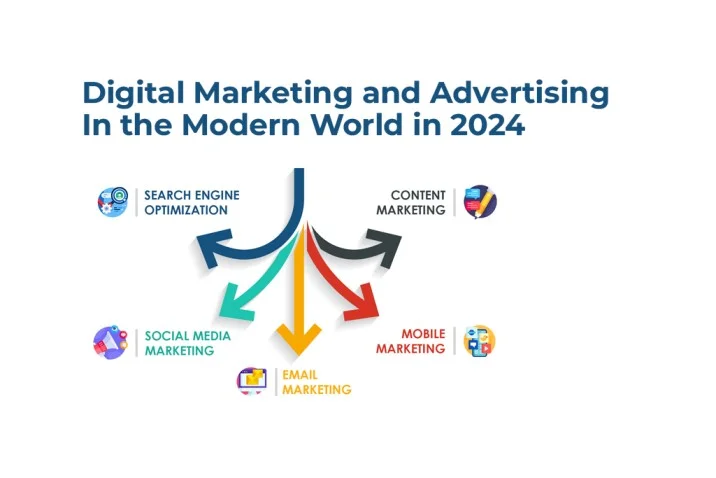
Digital Marketing and Advertising In the Dynamic Landscape of the Modern World in 2024
In today’s digital-first world, businesses must build a strong online presence to stay competitive. Traditional advertising methods alone are no longer enough to reach modern consumers. This is where Digital Marketing and Advertising play a crucial role.
Digital marketing combines data, technology, creativity, and customer insights to help businesses attract the right audience, increase brand awareness, generate qualified leads, and boost sales. Whether you’re a startup, small business, or established enterprise, understanding digital marketing is essential for sustainable growth.
In this guide, you’ll learn the most effective digital marketing strategies, emerging trends, and best practices that can help your business succeed in 2026 and beyond.
What is Digital Marketing and Advertising?
Digital Marketing and Advertising refers to promoting products or services through digital channels such as:
- Search Engines
- Websites
- Social Media
- Email Marketing
- Mobile Apps
- Video Platforms
- Online Display Advertising
Unlike traditional marketing, digital marketing allows businesses to target specific audiences, measure campaign performance in real time, and optimize campaigns for better results.
Why Digital Marketing Matters
Businesses invest in digital marketing because it offers several advantages:
- Higher ROI than traditional advertising
- Global audience reach
- Better customer targeting
- Real-time performance tracking
- Cost-effective advertising
- Improved customer engagement
- Increased brand visibility
As internet usage continues to grow, businesses without an effective digital marketing strategy risk falling behind competitors.
Top Digital Marketing and Advertising Strategies
1. Search Engine Optimization (SEO)
SEO helps websites rank higher on search engines like Google.
Effective SEO includes:
- Keyword Research
- Technical SEO
- On-Page SEO
- Link Building
- Content Optimization
- Website Speed Improvements
A strong SEO strategy increases organic traffic and improves long-term visibility.
Content Marketing
Content remains one of the most valuable digital marketing assets.
Businesses can create:
- Blog Posts
- Videos
- Infographics
- Podcasts
- Case Studies
- Guides
- Social Media Content
High-quality content educates customers, builds trust, and improves search engine rankings.
Social Media Marketing
Platforms like Facebook, Instagram, LinkedIn, TikTok, and X help businesses connect directly with their audience.
Benefits include:
- Brand awareness
- Community building
- Lead generation
- Customer support
- Website traffic
- Product promotion
Choosing the right platform depends on your target audience and business goals.
Pay-Per-Click (PPC) Advertising
PPC allows businesses to display ads on search engines and social media while paying only when users click.
Popular PPC platforms include:
- Google Ads
- Facebook Ads
- Instagram Ads
- LinkedIn Ads
- YouTube Ads
Successful PPC campaigns require keyword research, compelling ad copy, and optimized landing pages.
The Importance of Analytics
In the dynamic realm of Digital Marketing and Advertising, analytics plays a pivotal role, offering businesses an invaluable advantage. The ability to measure and analyze the performance of your campaigns is one of the defining benefits of digital marketing. Metrics such as website traffic, conversion rates, click-through rates, and engagement levels provide real-time insights that can guide your strategies and ultimately lead to more successful outcomes.
To harness the full potential of analytics, it’s crucial to begin with a clear and defined set of goals for your marketing campaigns. For example, if you’re running a Pay-Per-Click (PPC) campaign, your goal might be to increase online sales by a certain percentage or achieve a specific click-through rate. By setting measurable objectives, you can accurately gauge the effectiveness of your campaigns and make data-driven decisions to improve performance. Analytics empowers you to identify what’s working, what isn’t, and where adjustments are needed.
The Mobile Revolution
The Mobile Revolution has indisputably reshaped the landscape of Digital Marketing and Advertising. In today’s digital age, with the majority of internet traffic originating from mobile devices, optimizing your marketing efforts for mobile users has transitioned from being a choice to an absolute necessity. This transformation has necessitated the adoption of responsive web design, the development of mobile apps, and the creation of mobile-specific ad campaigns, all of which are essential for reaching and engaging the modern consumer.
The proliferation of smartphones, in particular, has led to a profound shift in consumer behavior. People now rely on their mobile devices for a wide range of activities, from shopping and social networking to research and entertainment. This shift has profound implications for digital marketing strategies. Mobile optimization is no longer a matter of mere convenience; it’s a fundamental business requirement. Ignoring the mobile audience means missing out on a significant portion of potential customers.
The Importance of Analytics
One of the biggest advantages of Digital Marketing and Advertising is measurable performance.
Businesses should monitor:
- Website Traffic
- Conversion Rate
- Bounce Rate
- Click-Through Rate (CTR)
- Cost Per Click (CPC)
- Return on Investment (ROI)
- Customer Acquisition Cost (CAC)
Analytics help marketers identify what works and improve campaign performance.
Mobile Marketing is Essential
Most users now browse the internet using smartphones.
Businesses should ensure:
- Mobile-friendly websites
- Fast loading speed
- Responsive design
- Mobile-optimized ads
- Easy navigation
A seamless mobile experience improves both user satisfaction and search rankings.
Emerging Trends in Digital Marketing and Advertising
The digital landscape continues to evolve. Some of the biggest trends include:
- Artificial Intelligence (AI)
- Voice Search Optimization
- Personalized Marketing
- Marketing Automation
- Short-form Video Content
- Interactive Content
- First-Party Data Strategies
- Augmented Reality (AR)
- Predictive Analytics
Adopting these technologies helps businesses remain competitive.
Tips for Building a Successful Digital Marketing Strategy
- Define clear business goals.
- Understand your target audience.
- Invest in quality content.
- Optimize your website for SEO.
- Use paid advertising strategically.
- Monitor campaign performance regularly.
- Test and improve continuously.
- Stay updated with industry trends.
Video Marketing

Video has become one of the most engaging content formats online.
Businesses use videos for:
- Product demonstrations
- Tutorials
- Customer testimonials
- Brand storytelling
- Educational content
- Live streaming
Short-form videos continue to dominate social media platforms.
Influencer Marketing
Partnering with trusted influencers helps brands reach highly engaged audiences.
Influencer marketing can:
- Increase credibility
- Expand brand reach
- Generate sales
- Improve engagement
- Build consumer trust
Choosing influencers who align with your brand values is essential for success.
Conclusion

Digital Marketing and Advertising have become essential for businesses looking to grow in today’s competitive online marketplace. By combining SEO, content marketing, social media, PPC advertising, email campaigns, video marketing, and data analytics, businesses can reach the right audience and achieve measurable results.
As digital technologies continue to evolve, companies that embrace innovation, focus on customer experience, and adapt to new marketing trends will be better positioned for long-term success. Whether you’re just starting or refining your existing strategy, investing in digital marketing is one of the smartest decisions you can make for sustainable business growth.
-
Career Benefits of Completing a Digital Marketing Course
Digital Marketing Course Benefits: Why Learning Digital Marketing Is a Smart Career Move
In today’s digital-first world, businesses rely heavily on online platforms to reach their customers. As a result, digital marketing has become one of the most in-demand skills across industries. Understanding Digital Marketing Course Benefits can help you decide whether investing in a course is the right step for your career.
Whether you’re a student, working professional, entrepreneur, or freelancer, a digital marketing course can equip you with practical skills that open doors to exciting career opportunities and long-term growth.
1. Build Strong Digital Marketing Skills
One of the biggest Digital Marketing Course Benefits is developing industry-relevant skills that employers value.
A quality course covers:
- Search Engine Optimization (SEO)
- Search Engine Marketing (SEM)
- Social Media Marketing
- Content Marketing
- Email Marketing
- Pay-Per-Click (PPC) Advertising
- Web Analytics
- Mobile Marketing
Most courses also include practical assignments and real-world projects, allowing you to gain hands-on experience instead of only learning theory.
2. Access More Career Opportunities
The demand for skilled digital marketers continues to grow worldwide. Companies of all sizes need professionals who can increase online visibility, generate leads, and improve sales.
After completing a course, you can explore careers such as:
- Digital Marketing Executive
- SEO Specialist
- Social Media Manager
- PPC Expert
- Content Marketing Specialist
- Email Marketing Executive
- Digital Marketing Manager
- Marketing Consultant
You can also work remotely or build a successful freelance career.
3. Increase Your Earning Potential
Another major Digital Marketing Course Benefits is higher earning potential.
Professionals with digital marketing expertise often receive better salary packages because they help businesses achieve measurable growth. Holding a recognized certification can also strengthen your resume and improve salary negotiations.
4. Stay Ahead in Your Career
Digital marketing constantly evolves with new technologies, algorithms, and consumer behavior.
A professional course helps you:
- Stay updated with industry trends
- Learn modern marketing tools
- Improve problem-solving skills
- Become a valuable asset to employers
Continuous learning gives you a competitive advantage in today’s job market.
5. Build Professional Credibility
Completing a recognized certification demonstrates your commitment to learning and validates your skills.
You’ll also have opportunities to connect with:
- Industry experts
- Marketing professionals
- Fellow learners
- Business owners
Networking often leads to better career opportunities and collaborations.
6. Start Your Own Business or Agency
If you’re planning to become an entrepreneur, understanding Digital Marketing Course Benefits is essential.
Digital marketing skills help you:
- Promote your own business online
- Generate quality leads
- Build brand awareness
- Reduce advertising costs
- Acquire customers consistently
Many successful freelancers and agency owners started their journey after completing a digital marketing course.
7. Gain Valuable Business Knowledge
Beyond marketing, you’ll learn how businesses attract, engage, and retain customers.
This knowledge helps you:
- Understand customer behavior
- Analyze market trends
- Make data-driven decisions
- Develop effective marketing strategies
These skills are useful regardless of your industry.
8. Enjoy Flexible Career Options
Many digital marketing roles offer remote and hybrid work opportunities.
You can choose to:
- Work full-time
- Become a freelancer
- Start a digital marketing agency
- Work with international clients
- Build passive income through online businesses
This flexibility makes digital marketing one of today’s most attractive career choices.
How to Choose the Best Digital Marketing Course
To enjoy the full Digital Marketing Course Benefits, select a course that offers:
Comprehensive Curriculum
Look for topics including:
- SEO
- SEM
- Social Media Marketing
- Content Marketing
- Email Marketing
- PPC Advertising
- Analytics
- AI Marketing Tools
Experienced Trainers
Choose instructors with real industry experience who can provide practical insights and case studies.
Updated Course Content
Digital marketing changes rapidly. Ensure the course is updated regularly with the latest tools, algorithms, and strategies.
Practical Projects
Hands-on assignments and live projects help you build confidence and create a strong portfolio.
Industry-Recognized Certification
A valuable certification improves your credibility and enhances your job prospects.
Positive Student Reviews
Read testimonials and reviews to understand the course quality and student satisfaction.
Career Support
The best courses often provide:
- Resume building
- Interview preparation
- Placement assistance
- Internship opportunities
- Mentorship
Flexible Learning
Look for options such as:
- Self-paced learning
- Live online classes
- Offline classroom training
- Mobile-friendly access
Value for Money
Compare course fees with the curriculum, mentorship, certification, and career support to ensure you’re getting the best return on your investment.
Final Thoughts
Understanding the Digital Marketing Course Benefits can help you make an informed career decision. Whether you want to secure a better job, increase your income, become a freelancer, or start your own business, digital marketing offers countless opportunities.
By choosing the right course and continuously upgrading your skills, you can build a successful career in one of the fastest-growing industries in the world. Investing in digital marketing education today can create long-term professional and financial rewards.
-

Examples of Successful Virtual Reality Marketing in 2023
Virtual Reality (VR) has transformed from a futuristic innovation into a powerful marketing tool. With the help of a Virtual Reality headset, brands can create immersive experiences that captivate customers, increase engagement, and strengthen emotional connections.
Instead of simply showing advertisements, businesses now allow customers to experience their products and services in a virtual world. Whether it’s exploring a dream home, test-driving a new car, or participating in an exciting adventure, VR marketing delivers unforgettable experiences.
In this article, we’ll explore seven outstanding VR marketing campaigns that demonstrate how businesses are using Virtual Reality headsets to revolutionize customer engagement.
Adidas – Virtual Running Experience

Adidas introduced an immersive running simulation using a Virtual Reality headset to showcase the performance of its running shoes.
Participants could choose different environments such as forests, city streets, and desert trails while experiencing realistic running conditions. During the run, users received live performance data including pace, distance, and running efficiency.
The campaign also highlighted the unique features of Adidas running shoes, including cushioning, grip, flexibility, and stability.
Why It Worked
- Created an engaging product demonstration
- Allowed customers to experience products before purchasing
- Increased brand interaction and purchase intent
- Strengthened Adidas’ innovative brand image
IKEA – Virtual Home Design Experience

IKEA transformed home shopping by allowing customers to design their dream interiors using a Virtual Reality headset.
Users could walk through virtual living rooms, bedrooms, and kitchens while arranging IKEA furniture in real time. They could experiment with layouts, colors, decorations, and furniture placement before making buying decisions.
This interactive experience reduced uncertainty and helped customers visualize products inside their own homes.
Benefits
- Better purchasing confidence
- Personalized shopping experience
- Increased customer engagement
- Improved product visualization
Coca-Cola – Christmas VR Experience

To celebrate the holiday season, Coca-Cola created a magical Christmas adventure using a Virtual Reality headset.
Users entered a festive winter wonderland filled with snow-covered landscapes, holiday lights, interactive games, and Santa’s workshop. They could build snowmen, decorate Christmas trees, and receive personalized virtual gifts from Santa Claus.
The experience successfully connected consumers emotionally with the Coca-Cola brand.
Marketing Success
- Built emotional storytelling
- Increased holiday campaign engagement
- Enhanced brand loyalty
- Created memorable customer experiences
Red Bull – Extreme Sports Adventure

Red Bull has always been associated with adventure and adrenaline.
Using a Virtual Reality headset, the company allowed users to experience snowboarding, BMX riding, skateboarding, and other extreme sports from a first-person perspective.
Participants performed tricks, explored exciting environments, and challenged themselves in virtual competitions without any physical risk.
Key Results
- Strengthened Red Bull’s adventurous identity
- Delivered unforgettable experiences
- Increased social media sharing
- Improved customer engagement
McDonald’s – Behind the Kitchen Experience

McDonald’s used a Virtual Reality headset to offer customers an exclusive look inside its restaurant kitchens.
Visitors explored food preparation processes, ingredient sourcing, hygiene practices, and quality control procedures.
The campaign also introduced career opportunities and employee training programs, improving transparency and consumer trust.
Campaign Benefits
- Increased brand credibility
- Demonstrated food safety standards
- Educated customers
- Built stronger consumer confidence
Airbnb – Virtual Travel Experience

Airbnb created an immersive travel platform where users explored destinations using a Virtual Reality headset before booking accommodations.
Customers visited beaches, mountains, historical cities, and luxury stays while interacting with local attractions and learning about regional culture.
This virtual journey inspired travelers and simplified travel planning.
Why It Was Successful
- Inspired travel decisions
- Increased booking interest
- Personalized customer experiences
- Strengthened brand engagement
Ford – Virtual Test Drive

Ford introduced a realistic virtual test-drive experience powered by a Virtual Reality headset.
Customers explored vehicle interiors, experimented with advanced technology, customized features, and drove through different environments including city roads, highways, and race tracks.
The experience helped potential buyers understand vehicle features without visiting a dealership.
Campaign Advantages
- Increased buyer confidence
- Improved product understanding
- Enhanced customer interaction
- Generated higher test-drive interest
Why Virtual Reality Marketing Is Growing
Modern consumers expect more than traditional advertising. They want interactive experiences that allow them to explore products before making purchasing decisions.
A Virtual Reality headset enables businesses to create immersive environments where customers can engage directly with products, services, and brand stories.
Some major benefits of VR marketing include:
- Higher customer engagement
- Improved product visualization
- Stronger emotional connections
- Better customer retention
- Increased conversion rates
- Enhanced brand awareness
- Memorable shopping experiences
Industries Using Virtual Reality Headsets
Virtual Reality is transforming multiple industries, including:
- Retail & E-commerce
- Automotive
- Real Estate
- Tourism & Hospitality
- Education
- Healthcare
- Entertainment
- Sports
- Fashion
- Digital Marketing
As VR technology becomes more affordable, businesses of every size can leverage Virtual Reality headsets to create innovative customer experiences.
The Future of Virtual Reality Marketing
The future of marketing is becoming increasingly immersive. With advancements in AI, augmented reality, and Virtual Reality headsets, brands will continue creating personalized experiences that bridge the gap between digital and physical interactions.
From virtual product launches to interactive shopping experiences and digital showrooms, VR is set to become a core component of modern marketing strategies.
Businesses that embrace Virtual Reality today will be better positioned to stand out, increase customer loyalty, and drive long-term growth.
Conclusion
A Virtual Reality headset is no longer just a gaming device—it has become a powerful marketing tool that helps brands create unforgettable customer experiences.
Companies like Adidas, IKEA, Coca-Cola, Red Bull, McDonald’s, Airbnb, and Ford have demonstrated how immersive VR campaigns can increase engagement, strengthen brand loyalty, and influence purchasing decisions.
As technology continues to evolve, Virtual Reality marketing will play an even greater role in shaping the future of digital marketing. Businesses that invest in immersive experiences today are likely to gain a significant competitive advantage in the years ahead.
For more queries related digital marketing course: