The Future of E-commerce Business in India: Trends, Growth & Opportunities
The e-commerce business in India is undergoing a massive transformation, driven by rapid technological advancements and changing consumer behavior. With increasing internet penetration across urban and rural areas, more people than ever are gaining access to online platforms. The widespread use of affordable smartphones has further accelerated this growth, enabling users to browse, compare, and purchase products with just a few taps. In addition, the rise of digital payment systems such as UPI, mobile wallets, and net banking has made online transactions seamless, secure, and convenient.
India has now emerged as one of the fastest-growing e-commerce markets in the world, attracting both domestic and international players. Major platforms like Amazon, Flipkart, and emerging D2C (direct-to-consumer) brands are continuously innovating to enhance user experience, offer faster deliveries, and provide personalized recommendations. The expansion of logistics networks and last-mile delivery solutions has also played a key role in reaching customers even in remote regions.
For startups and small business owners, e-commerce offers a level playing field where they can compete with larger brands without heavy investments in physical stores. Social media integration, influencer marketing, and targeted advertising have made it easier to reach the right audience and build a loyal customer base. Additionally, government initiatives like Digital India are supporting digital adoption and encouraging businesses to go online.
For established brands, e-commerce opens new avenues for scaling operations, expanding into new markets, and analyzing customer data to improve strategies. As consumer trust in online shopping continues to grow, the potential for long-term success in this sector is immense. Whether you’re launching a new venture or expanding an existing one, tapping into India’s e-commerce ecosystem is not just an opportunity—it’s a strategic move toward future growth.
Is the E-commerce Business in India Booming?
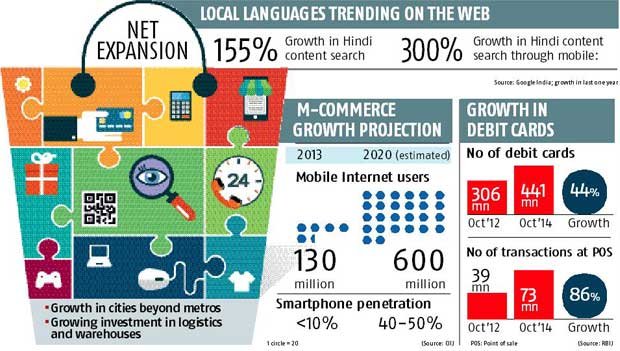
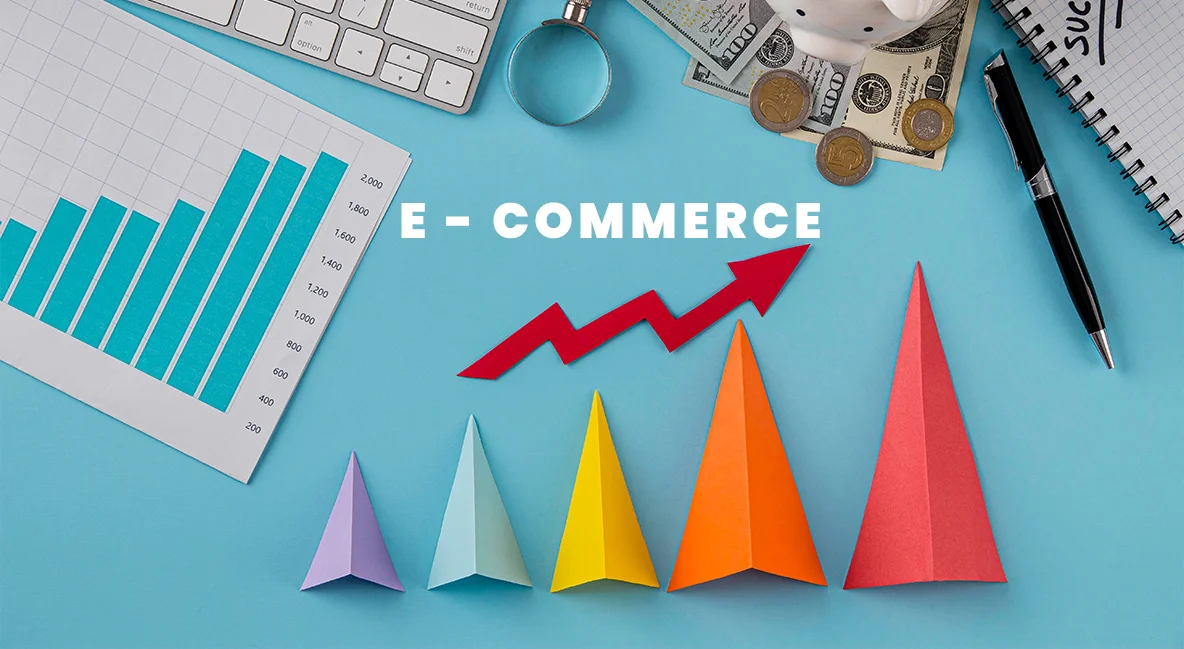
Yes, the e-commerce business in India is experiencing rapid growth and shows no signs of slowing down. According to industry reports from IBEF E-commerce Industry Report, the Indian e-commerce market is projected to grow from $125 billion in 2024 to $345 billion by 2030, and is expected to reach $550 billion by 2035, driven by increasing internet penetration, smartphone usage, and rising demand from Tier-2 and Tier-3 cities. This massive growth highlights how consumer behavior is shifting toward online shopping, making e-commerce one of the fastest-growing sectors in India. With continuous digital transformation and expanding online audiences, businesses now have a huge opportunity to scale and succeed in the e-commerce space.
 1. Digital India Movement: Government initiatives like Digital India have played a key role in encouraging internet usage and digital payments across cities and villages, fueling e-commerce growth.
2. Increased Internet and Smartphone Users: With over 800 million internet users and affordable smartphones, India has become a hotspot for online shopping activities.
3. Rise of Online Shopping Culture: From groceries to gadgets, Indians now prefer the convenience of online shopping over traditional retail. Brands like Amazon, Flipkart, Meesho, and Ajio are proof of this shift.
Top E-commerce Niches Thriving in India
How to Start an E-commerce Business in India

- Choose a Niche and Target Market: Start by identifying a profitable niche. Focus on solving a specific customer problem or need.
- Register Your Business: Get a GST number, register your company (proprietorship or private limited), and comply with Indian e-commerce laws.
- Create a Website or Sell on Marketplaces: You can either build your own e-commerce website using platforms like Shopify, WooCommerce, or Wix, or start by selling on marketplaces like Amazon, Flipkart, Meesho, or JioMart.
- Set Up Logistics and Payments: Partner with courier services (like Delhivery, Shiprocket) and integrate payment gateways like Razorpay, PayU, or Instamojo.
- Step 5: Promote Through Digital Marketing: Use SEO, social media, Google Ads, influencer marketing, and email marketing to attract traffic and boost sales.
Benefits of E-commerce Business in India
Challenges in E-commerce Business in India
Tip: Building strong branding, customer service, and fast delivery are key to long-term success.
Future Trends in the E-commerce Business in India
Voice Commerce – Shopping via Alexa and Google Assistant.
Social Commerce – Buying directly through Instagram or WhatsApp.
AI & Personalization – Showing custom product recommendations using AI.
D2C Brands Boom – Direct-to-consumer brands are growing fast.
Hyperlocal Deliveries – Same-day delivery models are becoming common.
Successful Case Studies in Indian E-commerce
India’s e-commerce industry has produced several inspiring success stories that highlight the power of innovation, customer-centric strategies, and strong digital execution. According to insights from DuplexTech Case Studies of Successful E-commerce Platforms, companies like Amazon, Flipkart, and Nykaa have transformed the online shopping experience by focusing on seamless user interfaces, fast delivery systems, and personalized customer engagement.
For example, Flipkart’s introduction of cash-on-delivery helped build trust among Indian consumers, while Nykaa leveraged influencer marketing and branding to dominate the beauty segment. These case studies clearly show that success in Indian e-commerce depends on understanding customer behavior, adopting the right technology, and continuously innovating business models. By learning from these real-world examples, new businesses can develop effective strategies to scale and succeed in the competitive digital marketplace.
Successful Indian E-commerce Examples
- Nykaa: A beauty brand that started online and grew into a unicorn, setting new standards in digital retail.
- Meesho: Empowered thousands of resellers, especially from small towns, by creating income opportunities through social commerce.
- Zomato & Swiggy: Revolutionized the way India orders food, making convenience a part of everyday life.
These brands are strong examples of how tapping into the e-commerce business in India can lead to extraordinary growth and long-term success. By focusing on innovation, customer needs, and digital strategies, they have transformed their industries and created massive business opportunities.
Tips for Succeeding in E-commerce in India
To succeed in today’s competitive e-commerce landscape, businesses need a well-planned strategy that focuses on visibility, user experience, and customer satisfaction. From optimizing product listings to delivering seamless mobile experiences, every element plays a crucial role in driving traffic and increasing conversions. Implementing the right techniques can help your business stand out, attract the right audience, and build long-term growth.
Key E-commerce Growth Strategies
- Optimize your product listings with relevant keywords to improve search visibility.
- Use high-quality product photos and customer reviews to build trust and credibility.
- Invest in SEO and content marketing to drive organic traffic and long-term growth.
- Focus on a mobile-first design to ensure a smooth user experience on smartphones.
- Offer excellent customer support to retain customers and build brand loyalty.
Additional Growth Drivers of E-commerce Business in India
The rapid expansion of e-commerce in India is fueled by several key factors beyond just increasing online shoppers. Rising smartphone penetration and affordable internet access have made online shopping more accessible to millions, especially in Tier-2 and Tier-3 cities. The growth of digital payment systems like UPI and mobile wallets has simplified transactions, building trust among consumers. Additionally, improved logistics and faster delivery networks have enhanced customer experience, making online shopping more convenient than ever. Government initiatives supporting digital infrastructure, along with the increasing adoption of social commerce and influencer marketing, are further accelerating the growth of the e-commerce ecosystem. Together, these drivers are creating a strong foundation for sustained growth in India’s online business landscape.

UPI & Digital Payment Revolution
The rise of National Payments Corporation of India (NPCI) and UPI has completely transformed online payments in India. Platforms like PhonePay and Google Pay made transactions simple and secure.Cashless payments increase trust and reduce friction in online shopping.
Growth of Tier 2 & Tier 3 Cities
E-commerce is no longer limited to metro cities like Mumbai or Delhi. Small towns are becoming major contributors due to:
Expansion of Quick Commerce (Q-commerce)
Quick commerce (Q-commerce) is rapidly transforming the e-commerce landscape in India by focusing on ultra-fast delivery, often within minutes. With changing consumer behavior and the demand for instant convenience, Q-commerce platforms are bridging the gap between traditional retail and online shopping. This model is especially popular in urban areas where customers prefer quick access to groceries, essentials, and daily-use products without long waiting times.
Key Aspects of Q-commerce Growth
- Ultra-Fast Delivery: Orders are fulfilled within 10–30 minutes, enhancing customer convenience.
- Dark Stores Model: Small, strategically located warehouses enable faster order processing and delivery.
- High Demand in Urban Areas: Busy lifestyles drive the need for instant delivery services.
- Technology-Driven Operations: Advanced logistics, AI, and real-time tracking improve efficiency.
- Growing Competition: Multiple players entering the market are accelerating innovation and service quality.
Types of E-commerce Models in India
- B2C (Business to Consumer): Amazon India
- B2B (Business to Business): Wholesale platforms supplying retailers.
- C2C (Consumer to Consumer): OLX
- D2C (Direct to Consumer): Brands selling directly without middlemen. Example: Mamaearth
Legal & Compliance Requirements in India
To run a legal e-commerce business, you must:
Obtain GST registration
Follow Consumer Protection (E-commerce) Rules 2020
Display clear return/refund policies
Ensure data privacy compliance
Transparency builds trust with customers.
Technology Trends Powering Indian E-commerce
Artificial Intelligence
Artificial Intelligence (AI) is playing a crucial role in transforming the e-commerce experience by making it smarter, faster, and more customer-centric. From understanding user behavior to automating customer interactions, AI helps businesses deliver highly personalized experiences while improving efficiency and security. By leveraging AI, e-commerce brands can enhance customer satisfaction, reduce risks, and increase overall sales performance.
AI helps in:
- Personalized product recommendations: Suggests products based on user behavior, preferences, and past purchases to improve conversions.
- Fraud detection: Identifies suspicious activities and prevents fraudulent transactions, ensuring secure online shopping.
- Chatbots for support: Provides instant customer assistance, resolves queries quickly, and improves user experience 24/7.
Augmented Reality (AR)
Augmented Reality (AR) is revolutionizing the way customers shop online by bridging the gap between physical and digital experiences. It allows users to visualize products in real-time before making a purchase, which significantly improves confidence and reduces return rates. From trying on clothes and accessories virtually to placing furniture in a room using a smartphone, AR creates an immersive and interactive shopping journey that enhances customer satisfaction.
How AR Helps in E-commerce
- Virtual Try-On: Customers can try products like clothing, eyewear, or makeup digitally before buying.
- Product Visualization: View how furniture, décor, or appliances look in real spaces.
- Better Purchase Decisions: Reduces uncertainty and increases buying confidence.
- Reduced Returns: Helps customers choose the right product, minimizing returns.
- Enhanced User Experience: Makes shopping more interactive and engaging.
Data Analytics
Data analytics plays a vital role in the growth of e-commerce businesses by helping them make informed, data-driven decisions. By analyzing customer behavior, purchase patterns, and market trends, businesses can optimize their strategies to improve performance and increase revenue. From understanding what customers want to predicting future demand, data analytics enables smarter planning and better customer experiences.
How Data Analytics Helps in E-commerce
- Customer Insights: Understand customer preferences, behavior, and buying patterns.
- Sales Forecasting: Predict future demand and plan inventory effectively.
- Personalized Marketing: Deliver targeted offers and campaigns based on user data.
- Performance Tracking: Measure key metrics like conversions, traffic, and engagement.
- Improved Decision-Making: Use real-time data to optimize pricing, promotions, and strategies.
Digital Marketing Strategies for E-commerce Growth
To scale an e-commerce business effectively, implementing the right digital marketing strategies is essential. These strategies help attract the right audience, increase conversions, and build long-term customer relationships. By combining paid advertising, influencer collaborations, and personalized communication, businesses can significantly boost their online performance.
Key Strategies
Performance Marketing
Run highly targeted ad campaigns to reach potential customers and drive conversions. Focus on platforms like:
- Google
- Meta platforms (Facebook & Instagram)
Influencer Marketing
Collaborate with micro-influencers who have niche audiences and higher engagement rates. This helps build trust and authenticity for your brand.
Retargeting Campaigns
Reconnect with users who visited your website but didn’t make a purchase by showing them personalized ads, increasing the chances of conversion.
Email & WhatsApp Marketing
Use automated follow-ups, personalized messages, and offers to nurture leads and convert them into loyal customers.
Building Brand Trust in Indian E-commerce
In the highly competitive Indian e-commerce market, building trust is essential for attracting and retaining customers. With so many options available, customers prefer brands that are reliable, transparent, and consistent in their service. Trust not only influences purchasing decisions but also drives repeat business and long-term customer loyalty. By focusing on quality, communication, and customer experience, businesses can establish a strong and trustworthy brand presence online.
Key Ways to Build Brand Trust
- Show Genuine Reviews & Ratings: Display authentic customer feedback to build credibility and confidence.
- Transparent Pricing & Policies: Clearly communicate pricing, return policies, and delivery timelines.
- Secure Payment Options: Offer trusted and safe payment methods to ensure customer security.
- Consistent Brand Communication: Maintain a clear and professional tone across all platforms.
- Reliable Customer Support: Provide quick and helpful responses to customer queries and issues.
- Fast & Accurate Delivery: Ensure timely delivery and correct order fulfillment to enhance trust.
Logistics & Supply Chain Optimization
Efficient logistics and supply chain management play a critical role in the success of any e-commerce business. A smooth and reliable delivery process not only enhances customer satisfaction but also builds trust and encourages repeat purchases. By optimizing logistics operations, businesses can reduce costs, improve delivery speed, and ensure a seamless shopping experience for their customers.
Strategies for Optimization
- Multi-Warehouse Strategy: Use multiple warehouses in different locations to reduce delivery time and shipping costs.
- Real-Time Shipment Tracking: Provide live tracking updates to improve transparency and customer confidence.
- Reliable Courier Partnerships: Collaborate with trusted delivery partners to ensure safe and timely deliveries.
- Optimized Packaging: Use proper packaging to minimize damage and reduce return rates.
- Fast Delivery: Quick delivery leads to higher customer satisfaction and increases the chances of repeat purchases.
Funding & Investment in Indian E-commerce (Government Schemes)
Government initiatives and schemes play a significant role in supporting the growth of e-commerce businesses in India, especially for startups, MSMEs, and digital entrepreneurs. With a strong focus on Digital India and entrepreneurship development, the government provides financial assistance, infrastructure support, and policy frameworks that encourage online business expansion. These schemes help businesses access funding, improve digital capabilities, and scale operations in a competitive market.
- Startup India Initiative: Provides funding support, tax benefits, and easier compliance for startups entering the e-commerce space.
- Digital India Program: Promotes digital infrastructure and internet accessibility, enabling businesses to operate and grow online.
- MSME Schemes: Offers financial assistance, subsidies, and credit facilities for small and medium e-commerce businesses.
- Stand-Up India Scheme: Supports entrepreneurs, especially women and SC/ST communities, with loans to start businesses.
- MUDRA Loans (PMMY): Provides micro-financing options for small businesses and online sellers to expand operations.
- Government e-Marketplace (GeM): Enables businesses to sell products directly to government departments through an online platform.
Sustainability
Sustainability has become a key factor influencing consumer decisions in the modern e-commerce landscape. Today’s customers are more conscious about the environmental impact of their purchases and prefer brands that adopt eco-friendly and ethical practices. By integrating sustainability into business operations, e-commerce brands can not only reduce their environmental footprint but also build stronger trust and long-term loyalty among customers.
Sustainable Practices includes:
- Sustainable Packaging: Use recyclable, biodegradable, or minimal packaging to reduce waste.
- Carbon-Neutral Shipping: Offset carbon emissions through eco-friendly delivery practices.
- Ethical Sourcing: Ensure products are sourced responsibly with fair labor and sustainable materials.
Scaling an e-commerce business requires more than just increasing sales—it involves building sustainable systems, improving customer retention, and expanding into new markets. By implementing advanced growth strategies, businesses can maximize revenue, strengthen brand loyalty, and stay ahead of the competition. These approaches help create long-term value and ensure consistent business growth.
Advanced Tips for Scaling Your E-commerce Business
- Subscription Models: Offer subscription-based products or services to generate recurring revenue and improve customer retention.
- Loyalty Reward Programs: Encourage repeat purchases by rewarding customers with points, discounts, or exclusive offers.
- International Expansion: Expand your business to global markets to reach a wider audience and increase sales opportunities.
- Private Label Products: Launch your own branded products to increase profit margins and build brand identity.
- A/B Testing: Test different versions of product pages, ads, and campaigns to identify what works best and improve conversion rates.
Understanding customer behavior
Understanding customer behavior is one of the most important factors for success in the e-commerce business in India. Indian consumers are price-sensitive, value-driven, and increasingly quality-conscious. Discounts, festive sales, cashback offers, and flash deals strongly influence buying decisions.
Festive seasons like Diwali, Eid, Christmas, and New Year create massive spikes in online sales. Major platforms run large-scale campaigns that generate record-breaking revenue within days. Businesses that strategically plan inventory and marketing campaigns around these periods can significantly boost profits.
Another important trend is mobile shopping. A majority of Indian consumers prefer shopping through mobile apps rather than desktop websites. Therefore, having a mobile-optimized website or app is essential for success.
Importance of Branding in Indian E-commerce
Branding plays a crucial role in standing out from intense competition. Since many sellers offer similar products, customers often choose brands they trust.
To build strong branding:
Maintain consistent logo and color theme
Offer high-quality packaging
Deliver products on time
Communicate clearly with customers
Build a strong social media presence
Strong branding increases repeat purchases and word-of-mouth marketing.
Role of Social Media in E-commerce Growth
Social media platforms have become powerful sales channels. Platforms like Instagram, Facebook, and YouTube influence buying decisions through reels, reviews, and influencer promotions.
Short-form video content especially drives engagement. Product demonstrations, customer testimonials, and behind-the-scenes content increase trust and interest.
WhatsApp Business is also becoming a powerful tool for customer communication, order updates, and direct sales conversations.
Payment Methods Preferred in India
Indian customers prefer multiple payment options. Offering flexibility increases conversion rates.
Popular payment options include:
UPI payments
Debit and credit cards
Net banking
Digital wallets
Cash on Delivery (COD)
Providing secure and smooth checkout experiences reduces cart abandonment.
Inventory Management Strategies
Managing inventory efficiently helps reduce losses and improve customer satisfaction.
Best practices include:
Track fast-moving products
Avoid overstocking slow items
Use inventory management software
Forecast demand using past sales data
Efficient inventory planning prevents stock-outs and delayed deliveries.
Importance of Customer Reviews and Ratings
Online reviews significantly impact purchasing decisions. Most Indian customers read reviews before buying a product.
Encourage satisfied customers to leave positive feedback. Display ratings clearly on product pages. Respond professionally to negative reviews and resolve complaints quickly.
Good reviews improve brand credibility and boost conversion rates.
Cross-Border E-commerce Opportunities
Indian e-commerce businesses can also expand globally. Many platforms allow sellers to ship products internationally.
Indian handmade products, textiles, spices, ayurvedic items, and handicrafts have high demand overseas. By targeting global customers, businesses can increase revenue and brand visibility.
Understanding international shipping rules and pricing strategies is important for cross-border success.
Building a Long-Term E-commerce Vision
To succeed in the long term, businesses must focus on continuous improvement and innovation. The digital landscape changes rapidly, and staying updated with new trends is essential.
Regularly analyze competitor strategies. Improve website speed and user experience. Invest in digital marketing campaigns consistently. Focus on customer satisfaction and retention rather than only short-term profits.
Sustainable growth comes from building loyal customers and delivering consistent value.
Role of Government Policies in E-commerce Growth
Government regulations and policies directly influence the e-commerce business in India. Policies related to Foreign Direct Investment (FDI), GST rules, and consumer protection laws impact how online businesses operate.
The Consumer Protection (E-commerce) Rules ensure transparency in pricing, refunds, and seller information. These rules protect buyers and increase trust in online platforms. When customers feel safe, online transactions increase.
Government initiatives promoting digital payments and startup ecosystems also support e-commerce entrepreneurs across the country.
Importance of Website and their Performance

1. Rapid Digital Growth and Changing Consumer Behavior
The Future of E-commerce Business in India is evolving rapidly with increasing digital adoption across the country. The Future of E-commerce Business in India is driven by faster internet, smartphone usage, and changing consumer behavior. As competition grows, The Future of E-commerce Business in India will depend heavily on website performance and user experience. Businesses that focus on speed, optimization, and seamless navigation will shape The Future of E-commerce Business in India. Clearly, The Future of E-commerce Business in India is closely linked to technology and customer expectations.
2. Importance of Customer Support in E-commerce
The Future of E-commerce Business in India also relies on strong customer support systems that build trust and loyalty. Quick responses and efficient service are essential for sustaining The Future of E-commerce Business in India in a competitive market. Companies that invest in live chat, 24/7 support, and easy return policies will lead The Future of E-commerce Business in India. Customer satisfaction directly impacts growth, making it a core factor in The Future of E-commerce Business in India. Without strong support, it is difficult to succeed in The Future of E-commerce Business in India.
3. Role of Data Security and Privacy
Security and privacy are critical pillars shaping The Future of E-commerce Business in India as online transactions increase. Protecting user data is no longer optional but essential for sustaining The Future of E-commerce Business in India. Businesses must adopt secure payment gateways and encryption to strengthen The Future of E-commerce Business in India. Transparency in data handling builds trust, which is key to The Future of E-commerce Business in India. As cyber threats grow, security will define The Future of E-commerce Business in India.
4. Rise of Subscription-Based E-commerce Models
Subscription models are also transforming The Future of E-commerce Business in India by creating predictable revenue streams. Many startups are leveraging subscriptions to innovate within The Future of E-commerce Business in India. This approach improves retention and strengthens brand loyalty in The Future of E-commerce Business in India. With AI, automation, and faster logistics, The Future of E-commerce Business in India looks highly promising.
5. Future Trends and Opportunities
The Future of E-commerce Business in India represents a long-term opportunity for entrepreneurs ready to adapt and innovate. Emerging technologies like AI, voice search, and hyper-personalization will further shape The Future of E-commerce Business in India. Expansion into rural markets and faster delivery systems will accelerate The Future of E-commerce Business in India. Businesses that embrace innovation will dominate The Future of E-commerce Business in India in the coming years.
Conclusion
The Future of E-commerce Business in India is not just a passing trend but a powerful transformation of the retail landscape. With rapid digital growth, improved logistics, and evolving customer expectations, The Future of E-commerce Business in India offers massive opportunities for businesses of all sizes. Entrepreneurs who focus on user experience, customer trust, and innovation will thrive in The Future of E-commerce Business in India. Now is the perfect time to invest, adapt, and grow in The Future of E-commerce Business in India.
Author: MOHAMMED HARSHAD
Learner of DigiSkillz, Digital Marketing institute in Kottakkal

 1. Digital India Movement: Government initiatives like Digital India have played a key role in encouraging internet usage and digital payments across cities and villages, fueling e-commerce growth.