

A Google Ads campaign is a structured online advertising strategy that allows businesses to reach potential customers across Google Search, YouTube, Display Network, Gmail, and Discover.
Google Ads follows a pay-per-click (PPC) system, where you are charged only when a user clicks on your advertisement.
Since its launch in 2000, Google Ads has evolved from a simple keyword-based advertising system to a sophisticated platform offering multiple campaign types, automated bidding, and AI-powered targeting. Today, it is one of the most effective ways to drive targeted traffic, generate leads, and boost sales online.
Table of Contents
Why is a Google Ads campaign essential for businesses?
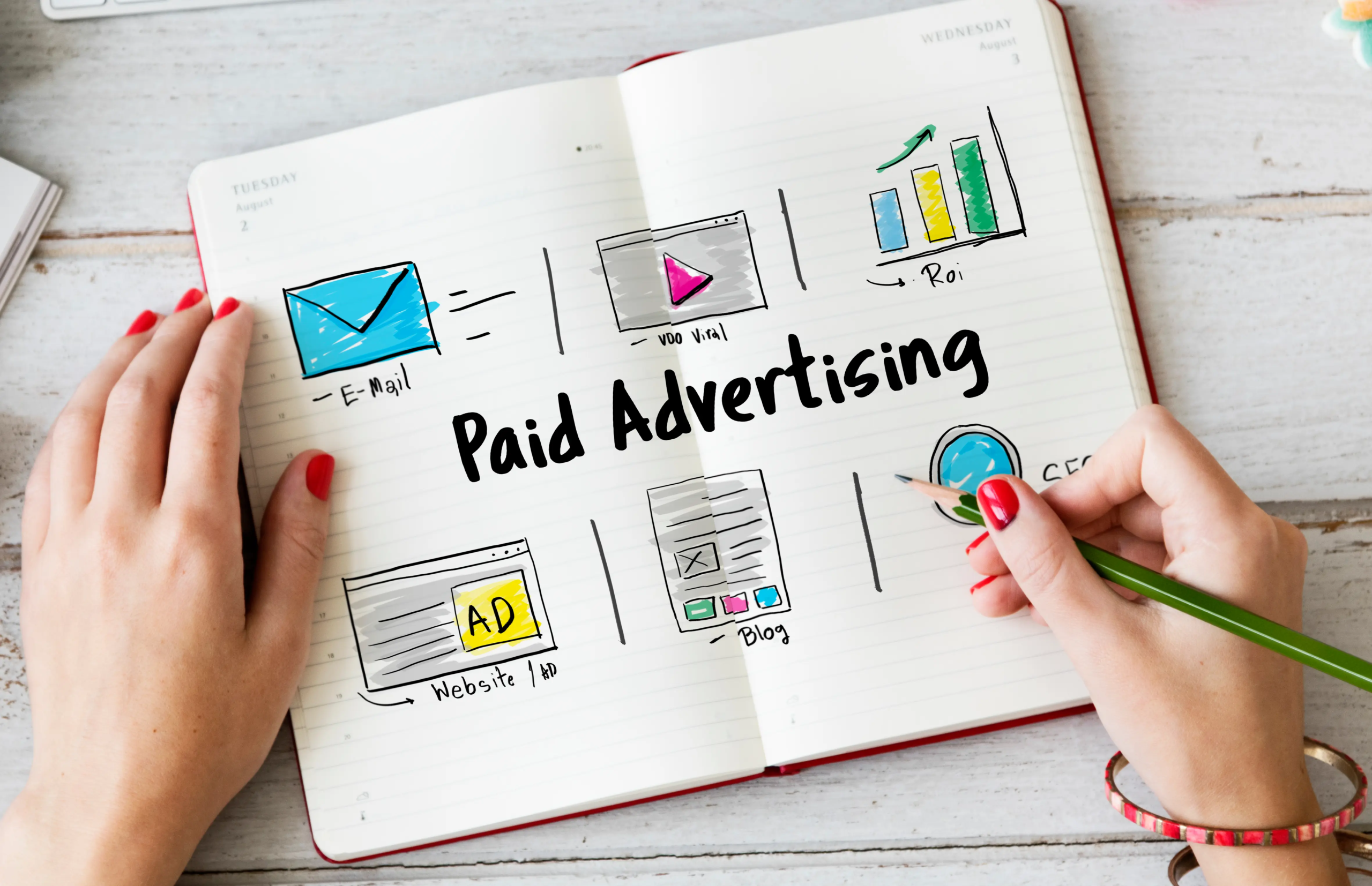
Unlike SEO, which can take months to show results, PPC campaigns provide instant visibility. Businesses can target customers actively searching for products or services, ensuring that ad spend is focused on high-intent audiences.
In this comprehensive guide, we will explore:
-
The main types of Google Ads campaigns, including Search and Performance Max campaigns.
-
Learn how to create and improve campaigns strategically to achieve the highest possible return on investment (ROI).
-
Effective bidding strategies and conversion tracking.
-
Best practices for beginners and advanced users alike.
We’ll also highlight secondary campaign types, such as google paid search campaign, performance max campaigns, and google display campaigns, ensuring that you get a complete picture of PPC on Google.
By the end of this guide, you’ll be ready to launch, monitor, and optimize your Google Ads campaigns for measurable results.
Types of Google Ads Campaigns
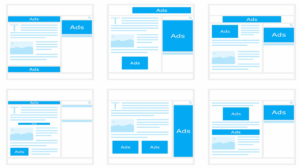
Understanding the types of Google Ads campaigns is the first step to creating an effective advertising strategy. Campaign type determines where your ads appear, who sees them, and how Google charges you.
Choosing the right campaign type helps businesses target their audience more effectively and make the most of their advertising budget. Each campaign type serves a different purpose, whether it’s driving immediate leads, increasing brand awareness, or retargeting past website visitors. By understanding the unique benefits of Search, Display, and Performance Max campaigns, marketers can plan a comprehensive strategy that aligns with their business goals and customer journey. Starting with a clear objective ensures that every campaign is structured for measurable success and provides actionable insights for future optimizations.
Search Campaigns – Target High-Intent Users
Search campaigns are the most popular Google Ads campaign type. They show ads on Google search results pages when users search for specific keywords related to your business.
Best For: Lead generation, service-based businesses, e-commerce with high-intent buyers.
Format: Text ads with extensions (sitelinks, call extensions, location extensions).
Keyword Focus: google paid search campaign, google ppc campaigns
How Search Campaigns Work
-
Keyword Selection: Choose keywords based on search intent. Use tools like Google Keyword Planner to find high-intent, low-competition keywords.
-
Ad Creation: Develop engaging ad copy that captures attention and includes clear, persuasive calls-to-action. Add ad extensions for better visibility.
-
Bidding & Auction: Ad position is decided based on your bid amount combined with your Quality Score.
-
Ad Display: Ads appear above or below organic search results.
-
Conversion Tracking: Monitor actions like purchases, signups, or phone calls to measure ROI.
Example
A local SEO agency wants to attract clients searching for “SEO services in Kochi.” A Search campaign using keywords like google paid search campaign ensures that the agency’s ad appears at the top of the search results, attracting highly targeted leads.
Tips for Optimizing Search Campaigns

-
Use exact and phrase match keywords for precision.
-
Include negative keywords to filter irrelevant traffic.
-
Continuously test ad copy and landing pages.
-
Track and improve your Quality Score regularly to lower your cost-per-click (CPC) and improve ad performance.
Performance Max Campaigns – AI-Powered Automation

Performance Max campaigns are Google’s AI-driven campaign type. They automatically run ads across multiple Google platforms, including Search, YouTube, Display, Gmail, and Discover.
Best For: E-commerce businesses, businesses looking to scale quickly, and full-funnel marketing strategies.
Keyword Focus: performance max campaigns
How Performance Max Works
-
Advertisers provide creative assets, audience signals, and campaign goals.
-
Google’s AI automatically optimizes ad delivery across platforms to reach the most relevant audience.
-
Bidding, targeting, and placement are automated, saving time while maximizing performance.
Example
An online clothing store wants to increase sales during the festive season. A Performance Max campaign automatically runs ads on YouTube, Gmail, and the Display network, targeting users with relevant interests and increasing sales efficiently.
Tips for Beginners
-
Provide high-quality images, videos, and headlines.
-
Define clear conversion goals (e.g., purchases or leads).
-
Combine with Search campaigns to capture both high-intent and broad audience traffic.
-
Monitor insights to determine which assets and platforms are performing best.
Benefits
-
Reach audiences across all Google platforms.
-
Save time with automated targeting and bidding.
-
Maximize ROI through AI-driven optimization.
Display Campaigns – Boost Brand Awareness
Display campaigns use visual ads on websites, apps, and Gmail to increase brand recognition. They are especially effective for retargeting users who have visited your website but haven’t converted.
Keyword Focus: google display campaigns
Format: Banner ads, responsive display ads, and rich media
How Display Campaigns Work
-
Choose audiences based on demographics, interests, or past behavior.
-
Ads appear across Google Display Network (GDN) partner sites.
-
Retarget visitors who didn’t complete desired actions on your site.
Example
A software company retargets visitors who downloaded a free trial but did not subscribe. Display ads appear on partner websites and Gmail, reminding users to complete their subscription.
Tips for Optimizing Display Campaigns
-
Use clear visuals and concise messaging.
-
Implement retargeting campaigns to maximize conversions.
-
Monitor CTR to identify top-performing creatives.
-
Segment audiences for more personalized ad delivery.
Other Campaign Types
While beginners should focus on Search and Performance Max campaigns, Google Ads also offers:
-
Shopping Campaigns: Promote products directly in Google Shopping. Ideal for e-commerce businesses.
-
Video Campaigns: Run ads on YouTube for storytelling and brand engagement.
-
App Campaigns: Promote mobile apps across Google platforms.
Including these optional campaigns allows businesses to diversify their PPC strategy and capture additional audiences.
How a Google Ads Campaign Works
A Google Ads campaign functions as a structured online advertising system that helps businesses reach potential customers across Google’s platforms. It begins with careful keyword research to target high-intent search terms, followed by creating engaging ads that attract clicks. Advertisers choose a bidding strategy to compete in Google’s ad auction, while Quality Score and bid amount influence ad placement. Conversion tracking measures actions like purchases, signups, or calls, providing insights into campaign effectiveness. Continuous optimization of keywords, ad copy, and landing pages ensures maximum ROI and better performance over time.
A Google Ads campaign functions in a series of steps:
-
Keyword Research: Identify high-intent terms to target using tools like Google Keyword Planner.
-
Ad Creation: Write compelling headlines and descriptions; include visuals for Display campaigns.
-
Bidding Strategy: Choose from manual CPC, Target CPA, Maximize Conversions, or Maximize Clicks.
-
Ad Auction: Google considers bid amount and Quality Score to determine ad placement.
-
Conversion Tracking: Measure purchases, form submissions, phone calls, or app installs (google ads conversion tracking).
-
Optimization: Test ad variations, refine keywords, and improve landing pages continuously.
By understanding this process, businesses can maximize the efficiency of their campaigns and reduce wasted ad spend.
Google Ads Bidding Strategies
Selecting the right bidding strategy is crucial for campaign success.
| Bidding Type | Best For | Pros | Cons |
|---|---|---|---|
| Manual CPC | Beginners | Full control over bids | Time-consuming |
| Target CPA | Conversions | Optimizes cost per acquisition | Requires historical data |
| Maximize Conversions | Automation | AI optimizes for best results | Less control over spend |
| Maximize Clicks | Traffic | Get more clicks | May not convert efficiently |
Tips
-
Start with manual CPC to learn campaign mechanics.
-
Use Target CPA or Maximize Conversions once you have conversion data.
-
Test and adjust bids frequently to improve ROI (google ads bidding strategies).
Conversion Tracking
Conversion tracking is essential to measure the effectiveness of your Google Ads campaign.
It allows businesses to understand which ads, keywords, and campaigns are driving valuable actions such as purchases, signups, or phone calls. By monitoring these key metrics, marketers can make data-driven decisions, optimize their campaigns for better performance, and ensure that advertising budgets are spent efficiently. Accurate tracking also helps identify high-performing audience segments and ad formats, enabling continual improvement and maximizing return on investment (ROI).
Methods
-
Website purchases or signups
-
Phone calls or chat requests
-
App installs or in-app actions
-
Custom events
Setup Tips
-
Integrate Google Ads with Google Analytics for better insights.
-
Track key metrics such as Cost per Conversion, Conversion Rate, and ROAS.
-
Continuously optimize campaigns based on conversion data (google ads conversion tracking).
Search vs Performance Max – Which Campaign to Choose?
Choosing the right campaign type is essential to get the best results from your Google Ads campaign. Search campaigns are ideal for targeting high-intent users actively searching for specific products or services. By using keywords like Google Paid Search Campaign and Google PPC Campaign, businesses can attract qualified leads and increase the likelihood of conversions. Search campaigns offer precise control over bidding, ad copy, and keyword targeting, making them perfect for beginners who want to understand PPC fundamentals.
On the other hand, Performance Max campaigns leverage Google’s AI to optimize ad delivery across multiple platforms, including Search, YouTube, Display, Gmail, and Discover. These campaigns are great for businesses looking to scale quickly and reach broader audiences. By providing audience signals and campaign goals, advertisers can maximize performance while reducing manual effort.
For most businesses, a combination of both campaigns works best. Search campaigns capture high-intent traffic, while Performance Max campaigns expand reach and drive conversions across the Google ecosystem. Using Google display campaign and automated bidding strategies, businesses can improve ROI and make their Google ads campaign more efficient. Monitoring results and adjusting strategies over time ensures sustainable growth and measurable success.
| Feature | Search Campaign | Performance Max Campaign |
|---|---|---|
| Targeting | Keywords | AI + Audience Signals |
| Control | High control | Automated |
| Best For | Leads & Conversions | Sales & Full-Funnel Marketing |
| Platforms | Google Search only | All Google platforms |
Pro Tip: Combine Search + Performance Max campaigns for maximum reach and conversions.
Tips for Beginners
-
Start with Search campaigns to understand PPC fundamentals.
-
Gradually implement Performance Max campaigns for automation.
-
Use keywords like google paid search campaign and google ppc campaigns strategically.
-
Track conversions and adjust campaigns frequently.
-
Test ad copy, visuals, and landing pages for higher engagement.
- Monitor Quality Score to lower CPC and improve ad placement.
Additional Tips:
For best results, consistently review campaign performance and analyze metrics like click-through rate (CTR), cost-per-click (CPC), and conversion rate. Experiment with different audience segments, ad scheduling, and geographic targeting to reach your ideal customers more efficiently. Incorporate ad extensions, such as call buttons, sitelinks, or location extensions, to increase visibility and engagement. Remember, digital marketing is dynamic, so staying updated with Google Ads features, trends, and algorithm changes can give you a competitive edge. Finally, maintain a testing mindset—small, incremental optimizations over time often lead to the greatest improvements in ROI.
Case Studies & Real-Life Examples
Local SEO Agency
-
Used Search campaigns targeting “SEO services near me.”
-
Result: 3x increase in leads within a month.
E-Commerce Store
-
Ran Performance Max campaigns for holiday sales.
-
Result: 25% increase in sales across Google platforms.
Software Company
-
Combined Display + Search campaigns for product launch.
Result: Increased trial signups and improved brand awareness.
Additional Insights:
These real-life examples highlight the importance of tailoring campaigns to your business goals and target audience. By carefully selecting campaign types and keywords, businesses can maximize ad relevance and reach. Monitoring performance metrics such as click-through rate (CTR), conversion rate, and cost-per-acquisition (CPA) allows marketers to adjust strategies in real time.
Experimenting with different ad creatives, including images, videos, and call-to-action messaging, can further improve engagement and ROI. Additionally, combining multiple campaign types, like Search and Display, helps cover the full marketing funnel—from awareness to conversion. Over time, consistently optimizing campaigns based on insights can turn ad spend into measurable business growth and long-term results.
Frequently Asked Questions (FAQs)
Q1: What is a Google Ads campaign?
A: A structured PPC campaign on Google platforms to drive traffic, leads, or sales.
Q2: Which campaign type is best for beginners?
A: Search campaigns are ideal for beginners due to high-intent targeting.
Q3: How does PPC differ from SEO?
A: PPC delivers instant traffic via paid ads, while SEO generates organic traffic over time.
Q4: Can I run multiple campaign types together?
A: Yes! Combining Search + Performance Max campaigns improves reach and conversions.
Q5: How do I track conversions effectively?
A: Set up conversion tracking using Google Ads and Google Analytics. Track purchases, leads, or app installs.
Start Your Google Ads Campaign Today
A Google Ads campaign is a powerful tool for businesses to generate leads, sales, and traffic. By focusing on Search and Performance Max campaigns, using proper bidding strategies, and tracking conversions, beginners can achieve measurable results.
Next Steps
-
Define your business goal
-
Choose campaign type (Search or Performance Max)
-
Perform keyword research (google paid search campaign, google ppc campaigns)
-
Create compelling ads
-
Monitor, optimize, and scale campaigns
With the right strategy, your Google Ads campaigns can transform your digital marketing efforts and drive long-term growth.
Additionally, monitoring your campaign performance regularly helps identify which ads, keywords, and targeting strategies work best. Testing different ad copies, landing pages, and audience segments can improve engagement and reduce cost-per-click (CPC). Leveraging insights from Google Analytics and Google Ads reports allows you to make data-driven decisions, ensuring your ad spend is efficient and effective. Remember, even small optimizations can have a big impact on your ROI over time.
Author: Surabhi M
Learner of Digiskillzz, Digital Marketing Institute in Kochi.







Leave A Comment