

Email Marketing for Business Growth is a powerful strategy that helps startups, small businesses, and entrepreneurs increase sales, nurture leads, and build loyal customers. Unlike social media or paid ads, email marketing allows direct communication with your audience, delivering personalized messages, promotions, and valuable content to drive engagement and long-term growth.
In today’s competitive digital landscape, businesses need more than just social media posts and paid ads to grow. While platforms like Facebook and Google dominate online advertising, one of the most powerful and cost-effective marketing channels remains email marketing.
Email marketing is not new—but it is far from outdated. In fact, it continues to deliver one of the highest returns on investment (ROI) among all digital marketing strategies. Whether you’re a startup, small business owner, freelancer, or growing brand, understanding the basics of email marketing can help you build strong customer relationships, increase sales, and create long-term business growth.
This complete beginner’s guide will walk you through everything you need to know about email marketing fundamentals.
Email Marketing for Business Growth is a powerful strategy that helps startups, small businesses, and entrepreneurs increase sales, nurture leads, and build loyal customers.
What Is Email Marketing?
 Email marketing is a digital marketing strategy that involves sending emails to a list of subscribers to promote products, services, offers, or valuable content. Unlike social media platforms where algorithms control reach, email marketing allows you to communicate directly with your audience.
When someone subscribes to your email list, they are giving you permission to contact them. That makes email marketing a permission-based marketing strategy, which typically results in higher engagement and better conversion rates.
Why Email Marketing Is Important for Business Growth
Implementing email marketing for business growth enables businesses to reach the right audience directly, build trust, and increase conversions. By focusing on consistent messaging and personalization, email campaigns can become a cornerstone for sustainable revenue and customer loyalty.
Email marketing plays a crucial role in sustainable business growth for several reasons:
1. Direct Communication Channel
Unlike social media, where visibility depends on algorithms, emails go directly to a subscriber’s inbox.
2. High Return on Investment (ROI)
Email marketing consistently delivers strong ROI compared to many other marketing channels. Since sending emails is relatively low cost, even small improvements in conversion can generate significant revenue.
3. Relationship Building
Email allows you to nurture leads over time. Instead of pushing for immediate sales, you can educate, inform, and build trust.
4. Personalization
Modern email tools allow segmentation and personalization, meaning you can send tailored messages based on user behavior, interests, and purchase history.
5. Automation Opportunities
Email automation enables businesses to send welcome emails, abandoned cart reminders, follow-ups, and promotional campaigns automatically.
Implementing email marketing for business growth allows businesses to nurture leads and convert them into loyal customers.
How Email Marketing Works
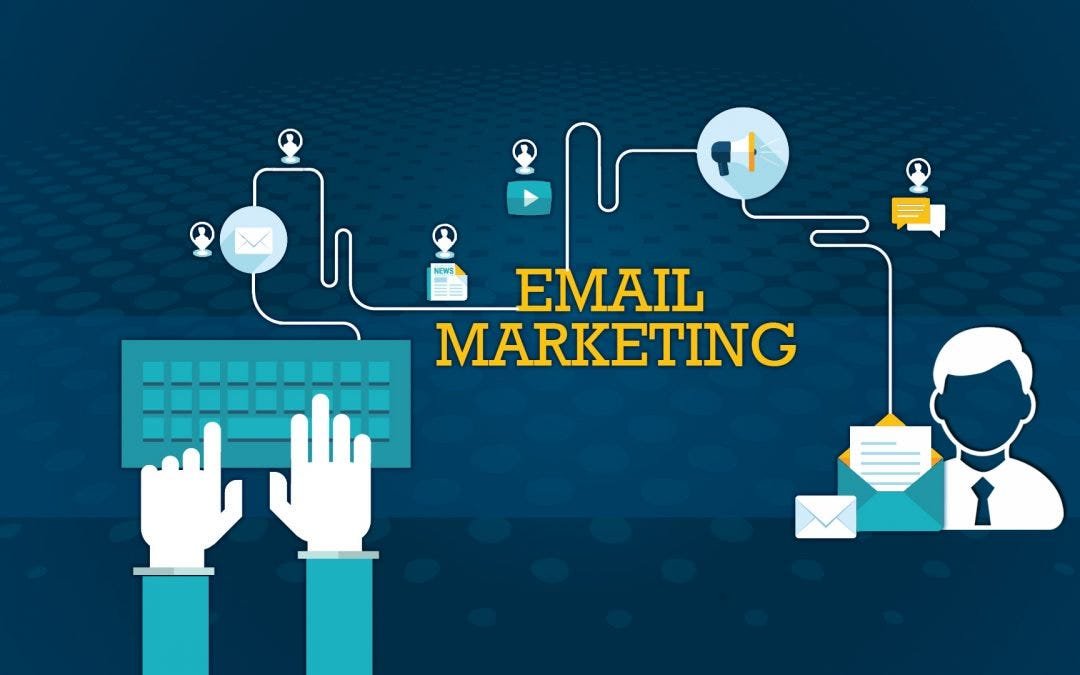 Email marketing works in four simple steps:
-
Build an Email List
-
Create Valuable Content
-
Send Strategic Campaigns
-
Analyze and Optimize Performance
Let’s break each step down.
Step 1: Building an Email List
Using social media and lead magnets can significantly enhance email marketing for business growth efforts.
Your email list is your most valuable digital asset. But you must build it ethically and legally.
Avoid Buying Email Lists
Purchased lists often result in low engagement and can damage your sender reputation.
Use Lead Magnets
Offer something valuable in exchange for an email address, such as:
-
Free eBook
-
Discount coupon
-
Checklist
-
Webinar access
-
Free consultation
Add Signup Forms
Place email opt-in forms on:
-
Website homepage
-
Blog pages
-
Landing pages
-
Checkout pages
Step 2: Choosing the Right Email Marketing Platform
To manage subscribers and send campaigns efficiently, you need an email marketing tool. Popular platforms include:
-
Mailchimp
-
ConvertKit
-
ActiveCampaign
-
GetResponse
These tools help you:
-
Design professional emails
-
Automate sequences
-
Segment subscribers
-
Track performance metrics
Choose a platform based on your business size, budget, and automation needs.
Step 3: Understanding Email Marketing Types
Using different types of email campaigns strategically is essential for email marketing for business growth. Each email—from promotions to educational content—serves a unique purpose in nurturing leads and turning subscribers into loyal customers.
There are several types of email campaigns you can send:
1. Welcome Emails
Sent immediately after someone subscribes. This is your first impression—make it count.
2. Newsletter Emails
Regular updates that include blog posts, tips, news, or company updates.
3. Promotional Emails
Used to promote products, discounts, offers, or launches.
4. Educational Emails
Provide value by teaching something related to your industry.
5. Transactional Emails
Order confirmations, receipts, password resets, etc.
6. Abandoned Cart Emails
Sent when a user adds items to a cart but doesn’t complete the purchase.
Each type serves a different purpose in the customer journey.
Step 4: Writing Effective Email Content
Great email marketing is not about selling aggressively. It’s about providing value.
Craft a Strong Subject Line
Your subject line determines whether your email gets opened. Keep it:
-
Clear
-
Curiosity-driven
-
Short (6–10 words)
-
Benefit-focused
Example:
“Boost Your Sales This Week”
“Free Digital Marketing Checklist Inside”
Personalize Your Emails
Use the subscriber’s name and tailor content to their interests.
Keep Content Clear and Simple
Avoid long paragraphs. Use:
-
Short sentences
-
Bullet points
-
Clear call-to-action (CTA)
Add a Strong Call-to-Action
Every email should guide readers toward a specific action:
-
Shop Now
-
Book a Call
-
Read More
-
Download Free Guide
Step 5: Email Marketing Automation
Common automated sequences include:
Welcome Sequence
A series of 3–5 emails introducing your brand.
Lead Nurture Sequence
Educational emails designed to build trust before selling.
Sales Sequence
A structured promotional campaign.
Re-engagement Campaign
Sent to inactive subscribers.
Automation ensures consistent communication without manual effort.
Step 6: Segmentation and Targeting
Sending the same email to everyone is ineffective.
Segment your list based on:
-
Purchase behavior
-
Interests
-
Location
-
Engagement level
-
New vs existing customers
Segmentation improves:
-
Open rates
-
Click-through rates
-
Conversion rates
-
Customer satisfaction
The more relevant your message, the better the results.
Step 7: Key Email Marketing Metrics to Track
To grow your business through email marketing, you must track performance.
Important metrics include:
Open Rate
Percentage of subscribers who opened your email.
Click-Through Rate (CTR)
Percentage who clicked on links.
Conversion Rate
Percentage who completed the desired action.
Bounce Rate
Emails that failed to deliver.
Unsubscribe Rate
Users who opted out.
Analyzing these metrics helps improve future campaigns.
Common Email Marketing Mistakes to Avoid
-
 Sending too many emails
 -
Ignoring mobile optimization
-
Writing weak subject lines
-
Not testing campaigns
-
Failing to clean inactive subscribers
-
Overly sales-focused messaging
Balance value and promotion.
Email Marketing vs Social Media Marketing
While social media platforms like Instagram and LinkedIn are excellent for brand awareness, email marketing offers stronger control and personalization.
Social media:
-
Builds visibility
-
Expands reach
-
Engages new audiences
Email marketing:
-
Nurtures leads
-
Converts subscribers
-
Retains customers
The smartest strategy combines both.
Many experts agree that the foundation of email marketing for business growth lies in understanding your customer’s journey. By tracking which campaigns perform best, you can refine your approach to email marketing for business growth for even better results. Ultimately, a well-executed plan for email marketing for business growth ensures long-term sustainability and brand loyalty.
Is Email Marketing Still Effective in 2026?
 Yes—more than ever.
Even in 2026, email marketing for business growth remains one of the most reliable digital strategies. While new social media platforms and advertising channels continue to emerge, emails allow businesses to reach their audience directly, nurture leads, and drive conversions consistently. Companies that use segmentation, personalization, and automation in their email campaigns see higher engagement and long-term customer loyalty, proving that email marketing for business growth is not only effective but essential in today’s digital landscape.
Advanced Email Marketing Strategies for Long-Term Growth
 Once you understand the basics of email marketing, the next step is implementing advanced strategies that drive consistent revenue and customer retention.
1. Behavioral Email Targeting
Modern email marketing platforms allow you to send emails based on user actions. For example:
-
Sending a follow-up email after someone downloads a guide
-
Offering a discount after a user visits a pricing page
-
Recommending products based on previous purchases
Behavior-based emails feel more relevant and personalized, which significantly improves conversion rates.
2. A/B Testing for Better Performance
One of the most powerful features of email marketing is A/B testing (split testing).
You can test:
-
Subject lines
-
Call-to-action buttons
-
Email layout
-
Images vs no images
-
Short copy vs long copy
Even small improvements in open rate or click-through rate can generate significant revenue over time. Testing allows you to make data-driven decisions instead of guessing.
3. Mobile Optimization Is Essential
Today, a large percentage of users open emails on their smartphones. If your email is not mobile-friendly, you risk losing engagement.
To optimize for mobile:
-
Use responsive templates
-
Keep subject lines short
-
Use larger fonts
-
Avoid large image files
-
Keep paragraphs brief
A clean, simple layout performs better than cluttered designs.
Email List Growth Strategies
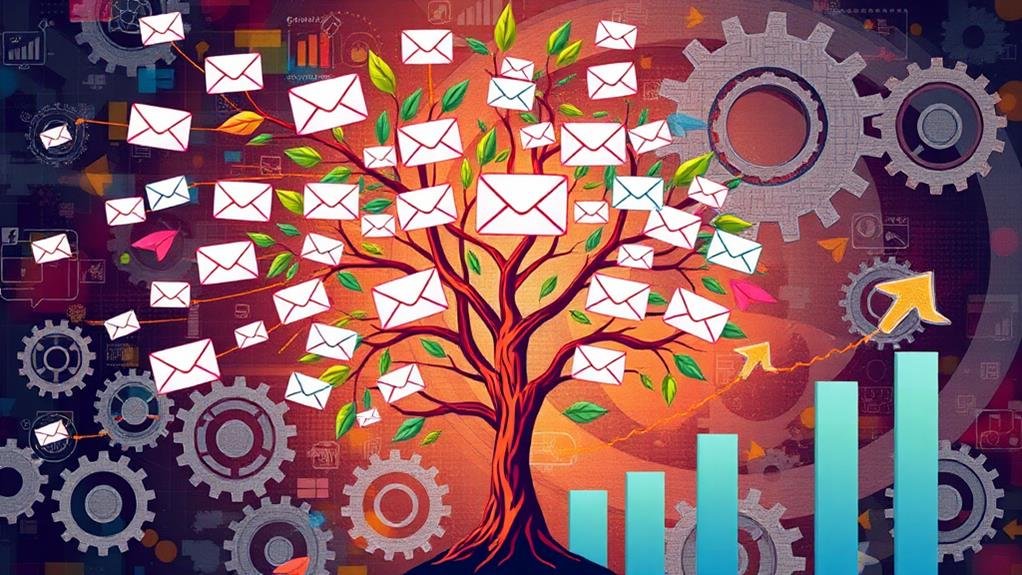 Growing your email list consistently is crucial for long-term business growth.
Content Upgrades
Offer downloadable resources within blog posts. For example:
-
Checklists
-
Templates
-
Free mini-courses
This converts blog readers into subscribers.
Exit-Intent Popups
These appear when a user is about to leave your website. Offering a discount or free resource at that moment can significantly increase signups.
Social Media Integration
Promote your lead magnet on platforms like Facebook and Instagram to drive more email subscribers.
Referral Incentives
Encourage subscribers to share your newsletter with friends in exchange for rewards or discounts.
Email Copywriting Tips That Increase Conversions
Email marketing success depends heavily on how you write your emails.
Focus on Benefits, Not Features
Instead of saying:
“Our software has advanced analytics tools.”
Say:
“Track your marketing performance easily and make smarter business decisions.”
People care about results, not features.
Use Storytelling
Stories create emotional connections. Sharing a short customer success story or your own business journey can increase engagement.
Create Urgency (Without Being Spammy)
Phrases like:
-
“Limited time offer”
-
“Only 24 hours left”
-
“Exclusive for subscribers”
can encourage faster action when used genuinely.
The Role of Email Marketing in Customer Retention
Many businesses focus only on acquiring new customers, but retaining existing customers is far more profitable.
Email marketing helps by:
-
Sending loyalty rewards
-
Providing exclusive discounts
-
Sharing product updates
-
Offering helpful tips after purchase
Retention emails build long-term brand loyalty and increase customer lifetime value (CLV).
Integrating Email Marketing with Other Digital Channels
Email marketing works best when combined with other digital marketing strategies.
For example:
-
Use SEO to drive traffic to your website
-
Use social media to build awareness
-
Use paid ads to generate leads
-
Use email marketing to nurture and convert
This creates a complete digital marketing ecosystem where each channel supports the other.
Legal and Compliance Considerations
When using email marketing, always follow legal guidelines such as:
-
Getting clear consent before sending emails
-
Providing an easy unsubscribe option
-
Including your business contact information
Compliance builds trust and protects your brand reputation.
How Often Should You Send Emails?
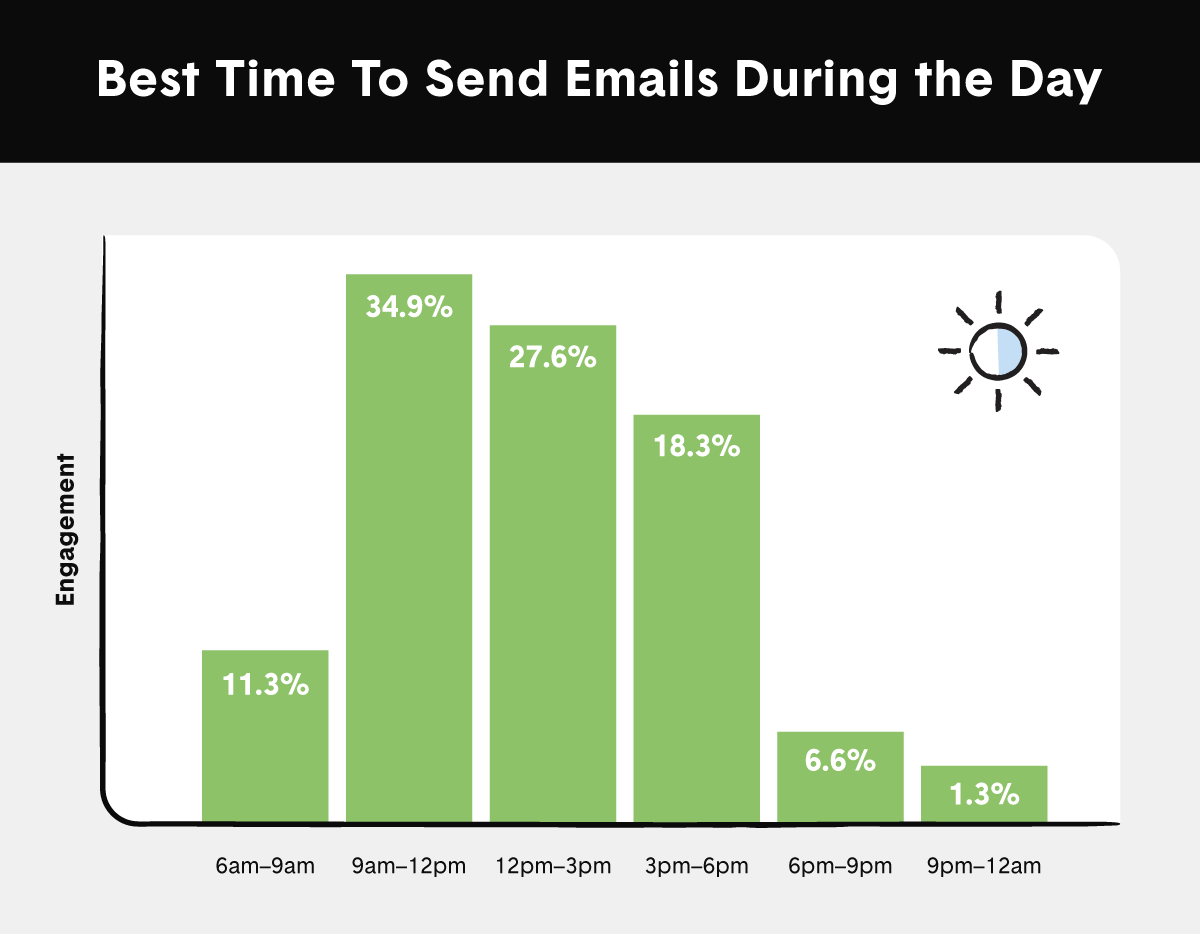 There is no universal answer, but consistency is key.
-
Beginners: 1 email per week
-
E-commerce: 1–3 emails per week
-
B2B businesses: Weekly or bi-weekly
Monitor engagement metrics to determine the best frequency for your audience.
Signs Your Email Marketing Strategy Is Working
You know your email marketing is effective when:
-
Open rates remain stable or increase
-
Click-through rates improve
-
Sales are generated directly from email campaigns
-
Subscribers reply and engage
-
Unsubscribe rates stay low
Growth takes time. Focus on delivering consistent value rather than chasing quick wins.
Future Trends in Email Marketing
As technology evolves, email marketing continues to adapt.
Emerging trends include:
-
AI-powered personalization
-
Predictive analytics
-
Interactive email content
-
Hyper-segmentation
-
Deeper automation workflows
- Email Marketing for Business Growth is one of the most effective strategies for startups, small businesses, and entrepreneurs looking to increase sales, nurture leads, and build long-term customer relationships. In today’s competitive digital landscape, email marketing remains a cost-effective way to connect directly with your audience, complementing social media and paid ads.
Building Sustainable Growth Through Email Marketing
 Email marketing is not just a promotional tool—it is a relationship-building system. It allows businesses to communicate directly with their audience, provide ongoing value, and guide potential customers through the buying journey.
While trends in digital marketing may shift, email remains a reliable and scalable channel for business growth. When used strategically—with segmentation, automation, and compelling content—email marketing can transform casual visitors into loyal customers.
If you’re serious about growing your business, building an engaged email list should be one of your top priorities. Start small, stay consistent, track your results, and continuously improve.
Over time, email marketing can become one of the most profitable and dependable pillars of your overall digital marketing strategy.
The primary advantage of using email marketing for business growth is the ability to reach your customers directly in their inbox without any distractions.
When you start implementing email marketing for business growth, always focus on building a clean and organic subscriber list first.
Consistency is key when it comes to email marketing for business growth; sending regular updates keeps your brand top-of-mind for your audience.
Don’t wait any longer to leverage the power of email marketing for business growth to scale your brand effectively.
Conclusion
Email marketing is one of the most powerful tools for business growth. It builds trust, nurtures relationships, and drives measurable revenue.
While paid ads and social media generate traffic, email marketing converts that traffic into loyal customers. The businesses that succeed long-term are those that invest in building and maintaining their email list.
If you are serious about scaling your business, start building your email list today. Focus on value, personalization, and consistency.
In conclusion, prioritizing email marketing for business growth is no longer just an option; it is a necessity in today’s digital landscape. By consistently providing value to your subscribers, you ensure that email marketing for business growth remains your most reliable channel for driving revenue. As you refine your strategy, remember that the ultimate goal of email marketing for business growth is to build lasting relationships with your audience that go far beyond a single transaction.
Author: Fathima Saniya
Learner of DigiSkillz, Digital Marketing institute in Manjeri





Leave A Comment