

Table of Contents
Mastering Content Creation for SEO: A Complete Guide
1. Understanding SEO and Its Importance
Content creation for Seo
SEO is the practice of optimizing your content so it ranks higher on search engine results pages (SERPs). With over 90% of online experiences beginning with a search engine, showing up at the top of results can drive massive traffic to your site. SEO is not just about rankings — it’s about relevance, authority, and trust.
Why SEO Matters for Content Creators:
- Increased visibility and traffic
- Higher conversion rates
- Cost-effective marketing
- Long-term results
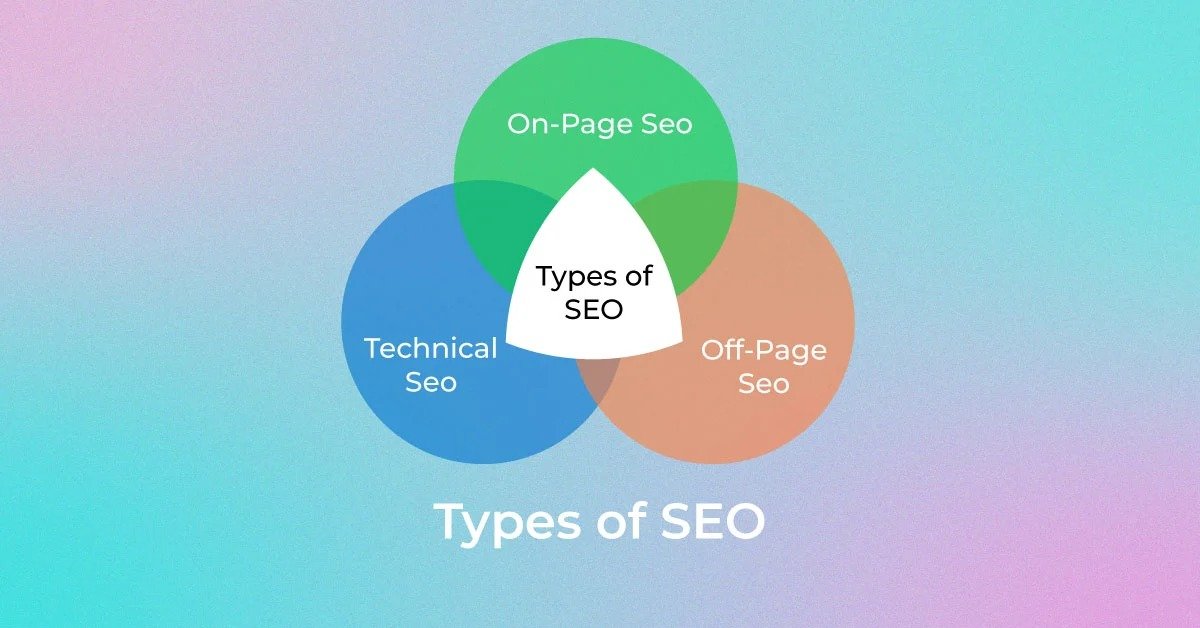
Types of SEO:
Content creation for Seo
- On-page SEO: Optimizing individual content pieces.
- Off-page SEO: Building authority through backlinks.
- Technical SEO: Ensuring your site can be crawled and indexed efficiently.
2. Keyword Research: The Foundation of SEO
Keywords refer to the words and phrases that individuals enter into search engines. Your job is to identify the right keywords and use them strategically.
Steps in Keyword Research:
1.Brainstorm seed keywords related to your niche.
2.Utilize resources such as Google Keyword Planner, Ahrefs, SEMrush, or Ubersuggest.
3.Analyze competitors to see what keywords they’re targeting.
4.Identify long-tail keywords for more targeted traffic.
5.Understand search intent — informational, navigational, transactional.
Keyword Metrics to Monitor:
- Search volume
- Keyword difficulty
- Cost per click (CPC)
- Trends and seasonality
Tips:
- Target a mix of short-tail and long-tail keywords.
- Look at “People also ask” and “Related searches” on Google for inspiration.
Group keywords by topic to plan content clusters.
3.Crafting an SEO Content Strategy
Without a solid strategy, your content creation can become chaotic and ineffective.
Steps to Build a Content Strategy:
- Establish your objectives: Are you aiming to enhance traffic, develop authority, or produce leads?
- Know your audience: Develop detailed personas.
- Create a content calendar: Plan topics around your target keywords.
- Map content to the buyer’s journey.
- Choose content formats: Blogs, videos, infographics, podcasts.
Additional Tips:
- Evaluate your current content to identify deficiencies and potential opportunities.
- Repurpose old content for new formats.
- Prioritize content types that best align with your audience’s preferences.
4. Writing High-Quality, Optimized Content
Great content is useful, engaging, and well-structured. It should also be optimized for both users and search engines.
Best Practices:
- Write for humans first, search engines second.
- Use keywords naturally — no stuffing.
- Craft compelling headlines — use numbers, power words, and questions.
- Write comprehensive content that answers all relevant questions.
- Structure content with headers, bullet points, and short paragraphs.
- Use internal and external links.
- Include calls-to-action (CTAs).
Content-Length Tips:
- Long-form content (1,500+ words) tends to perform better in SERPs.
- Use subheadings, tables, and visuals to improve readability.
Examples:
- Use storytelling techniques for case studies or brand stories.
- Incorporate expert opinions or quotes.
- Support claims with data and research
On-page SEO pertains to the practice of optimizing specific web pages to secure improved rankings and draw in more relevant traffic..
5.On-Page SEO Best Practices
he practice of optimizing specific web pages to secure improved rankings and draw in more relevant traffic..
Key Elements:
- Title tags: Include main keywords.
- Meta descriptions: Summarize content and encourage clicks.
- URL structure: Keep it short, descriptive, and keyword-rich.
- Header tags (H1-H6): Organize content.
- Alternative text for images: Provide descriptions of images for search engines and to enhance accessibility.
- Mobile-friendliness: Responsive design is a must.
Internal Linking Strategy:
- Link to cornerstone content.
- Use descriptive anchor text.
- Avoid broken links.
-
Visual Content and SEO
Visual elements can improve both readability and user engagement, thereby indirectly enhancing SEO.
Types of Visual Content:
- Images and infographics
- Videos and animations
- Charts and graphs
Optimization Tips:
- Compress images to improve load time.
- Use descriptive filenames and alt tags.
- Host videos on YouTube and embed them.
- Include schema markup for rich snippets.
Engagement Benefits:
- Users spend more time on pages with visuals.
- Social shares increase with visual content.
- Lower bounce rates indicate content relevance.
7. User Experience and Technical SEO
Technical SEO ensures that your content is accessible, crawlable, and provides a great user experience.
Focus Areas:
- Site speed: Use tools like Google PageSpeed Insights.
- Mobile optimization: Over 60% of searches come from mobile devices.
- Secure website (HTTPS): A ranking factor.
- Crawlability: Use XML sitemaps and robot.txt files.
- Structured data: Helps search engines understand your content.
UX Enhancements:
- Use clear CTAs.
- Ensure intuitive navigation.
- Avoid intrusive interstitials.
- Make content scannable.
- Measuring and Improving SEO Performance
content creation for SEO is not a one-time task. Continuously monitor and tweak your content.
Tools to Use:
- Google Analytics
- Google Search Console
- Ahrefs
- SEMrush
Key Metrics:
- Organic traffic
- Bounce rate
- Average session duration
- Click-through rate (CTR)
- Rankings for target keywords
Optimization Tips:
- Update outdated content.
- Add new keywords.
- Improve internal linking.
- Repurpose content into different formats.
- SEO Tools Every Content Creator Should Use
Here are some essential tools to streamline your SEO efforts:
Keyword Research:
- Ahrefs
- Ubersuggest
- Google Keyword Planner
Content Optimization:
- Yoast SEO (WordPress)
- SurferSEO
- Clearscope
- Grammarly
Analytics & Tracking:
- Google Analytics
- Google Search Console
- Hotjar
Performance & Audit:
- Screaming Frog
- GTmetrix
- PageSpeed Insights
- Future Trends in SEO and Content Creation
Maintaining a position at the forefront provides you with a competitive advantage.
Key Trends:
- Voice Search: Optimize for conversational queries.
- Artificial Intelligence and automation: Employ AI for brainstorming and preliminary drafts.
- E-A-T (Expertise, Authoritativeness, Trustworthiness): Google values credible content.
- Video SEO: Rising importance.
- Zero-click searches: Optimize content for featured snippets.
Preparing for the Future:
- Focus on building topical authority.
- Invest in high-quality video production.
- Optimize content for mobile and voice.
- Use structured data and schema markup.
Final Thoughts
Content creation for SEO is a dynamic, ongoing process that seamlessly blends creativity with data-driven insights. When executed effectively, content creation for SEO delivers immense value by increasing visibility, building credibility, and driving meaningful conversions. It is not a one-time effort but a long-term strategy that requires staying updated with evolving search trends, refining your approach, and consistently improving the quality and relevance of your content.
Successful content creation for SEO is about understanding how search engines evaluate content while always prioritizing genuine value for your audience. Search Engine Optimization (SEO) is not about manipulating algorithms; instead, it focuses on aligning your content with user intent, answering real questions, and providing solutions your audience is actively searching for. This approach helps establish trust, authority, and sustainable growth over time.
Whether you are new to digital publishing or looking to refine an existing strategy, mastering content creation for SEO is essential for long-term success in the digital landscape. By combining strategic keyword usage, quality content, and continuous optimization, you can build a strong online presence that delivers consistent results and supports lasting business growth.





Leave A Comment