Author: abinsha

  • —How to Start Career in Digital Marketing  Create a blog

    —How to Start Career in Digital Marketing Create a blog

    DigitalMarketing Career Guide: 5 Essential Tips for Long-Term Success

    In today’s digital-first world, businesses are increasingly relying on online platforms to connect with customers, promote products, and grow their brands. This shift has created enormous opportunities for professionals who want to build a career in digitalmarketing. Whether you’re a student exploring career options, a graduate looking for opportunities, or a working professional planning a career change, digitalmarketing offers a dynamic and rewarding path.

    The rise of social media, search engines, e-commerce, and mobile technology has transformed how companies communicate with their audiences. Traditional marketing methods are no longer sufficient on their own. Businesses now need skilled digitalmarketing professionals who can create effective online campaigns, attract customers, and generate measurable results.

    One of the biggest advantages of digitalmarketing is its versatility. It combines creativity, technology, communication, analytics, and strategy into a single profession. Professionals can specialize in various fields such as Search Engine Optimization (SEO), Social Media Marketing (SMM), Content Marketing, Email Marketing, Pay-Per-Click Advertising (PPC), Affiliate Marketing, and Marketing Analytics.

    The future of digitalmarketing looks brighter than ever. As technology continues to evolve, companies will continue investing in digital channels to stay competitive. This means the demand for talented digitalmarketing professionals is expected to grow steadily for years to come.

    However, building a successful career in digitalmarketing requires more than simply learning a few tools or completing a certification course. It requires continuous learning, practical experience, creativity, strategic thinking, and a strong understanding of customer behavior.

    If you are serious about building a successful career in digitalmarketing, the following five tips will help you establish a strong foundation and position yourself for long-term growth.

    1. Become a Continuous Learner and Un-Learner

    One of the most important characteristics of successful digitalmarketing professionals is their commitment to continuous learning.

    The digital landscape changes rapidly. Search engine algorithms are updated frequently, social media platforms introduce new features, consumer behavior evolves, and new technologies emerge every year. What worked six months ago may not be as effective today.

    Because of this constant change, digitalmarketing professionals must make learning a lifelong habit. Staying informed about industry trends allows marketers to adapt quickly and maintain their competitive edge.

    There are many ways to continue learning in digitalmarketing:

    • Follow industry-leading blogs and websites.
    • Attend webinars and online workshops.
    • Take professional certification courses.
    • Listen to marketing podcasts.
    • Join digitalmarketing communities and forums.
    • Follow successful marketers on social media.

    Learning alone is not enough. Successful professionals must also learn how to unlearn outdated methods. Some marketing techniques that were once effective may become obsolete due to changes in algorithms, technology, or consumer expectations.

    For example, search engine optimization strategies that worked years ago may no longer produce results because search engines continuously refine their ranking systems. Similarly, social media engagement tactics evolve as platforms update their algorithms and features.

    By embracing continuous learning and being willing to abandon ineffective practices, you can remain relevant and valuable in the digitalmarketing industry.

    The professionals who consistently invest in learning are often the ones who advance faster, secure better opportunities, and achieve long-term career success.

     

    digital marketing course kochi kerala

    2. Study Competitors and Industry Leaders

    A powerful way to improve your digitalmarketing skills is to carefully observe successful brands and industry leaders.

    Every successful marketing campaign contains valuable lessons. By analyzing what established companies are doing, you can gain insights into customer engagement, content strategies, advertising techniques, and brand positioning.

    Competitor research helps you understand:

    • Market trends
    • Audience preferences
    • Content performance
    • Advertising strategies
    • Customer engagement techniques
    • Emerging opportunities

    Digitalmarketing is highly competitive, and businesses constantly experiment with new approaches to attract customers. Studying competitors allows you to identify successful tactics while avoiding common mistakes.

    Pay attention to how leading brands:

    • Create social media content
    • Optimize websites for search engines
    • Run paid advertising campaigns
    • Use email marketing
    • Develop content marketing strategies
    • Build customer relationships

    You should also follow digitalmarketing experts who regularly share industry insights and practical advice. Learning from experienced professionals can help you understand challenges, avoid pitfalls, and develop a more strategic approach to marketing.

    However, competitor analysis should never involve copying someone else’s work. Instead, use your observations to inspire unique ideas and innovative strategies that align with your own goals.

    The most successful digitalmarketing professionals know how to learn from others while maintaining originality and creativity.

    3. Gain Hands-On Experience Through Real Projects

    Knowledge without practical application has limited value in digitalmarketing.

    Many beginners spend months studying theories but hesitate to implement what they have learned. While theoretical knowledge provides a strong foundation, real growth happens when you apply your skills to actual projects.

    Practical experience allows you to understand how marketing concepts work in real-world situations. It also helps you develop confidence and problem-solving abilities.

    Some ways to gain practical experience include:

    • Starting your own blog.
    • Creating a personal website.
    • Managing social media accounts.
    • Running small advertising campaigns.
    • Offering freelance services.
    • Assisting local businesses.
    • Creating content for online platforms.

    Working on real projects teaches you valuable skills such as:

    • Campaign planning
    • Audience targeting
    • Content creation
    • Search engine optimization
    • Data analysis
    • Performance tracking
    • Conversion optimization

    One of the greatest benefits of practical experience is portfolio development. Employers and clients often prioritize candidates who can demonstrate proven results rather than simply listing certifications.

    A portfolio showcasing successful projects, campaigns, and measurable outcomes can significantly improve your credibility and career prospects.

    Digitalmarketing is ultimately a results-driven profession. The more experience you gain, the more capable you become at generating meaningful outcomes for businesses.


    4. Develop Creativity and Innovative Thinking

    Creativity is a critical component of successful digitalmarketing.

    Every day, consumers encounter thousands of advertisements, social media posts, emails, and promotional messages. To stand out in such a crowded environment, marketers must create content and campaigns that capture attention and leave a lasting impression.

    Creative thinking helps marketers:

    • Generate unique campaign ideas.
    • Create engaging content.
    • Build memorable brands.
    • Improve audience engagement.
    • Increase campaign effectiveness.

    Digitalmarketing offers countless opportunities for creativity. Whether you are designing social media content, writing blog posts, creating videos, or developing advertising campaigns, innovative thinking can help you achieve better results.

    Beginners often have an advantage because they are not restricted by established routines. They can experiment with new ideas and test unconventional approaches.

    Some ways to strengthen creativity include:

    • Studying successful campaigns.
    • Reading books from different industries.
    • Following creative professionals.
    • Practicing brainstorming exercises.
    • Exploring new content formats.
    • Experimenting with storytelling techniques.

    Combining creativity with technical skills such as SEO, social media management, and analytics can create powerful marketing campaigns that resonate with audiences.

    In the world of digitalmarketing, creativity often becomes the factor that separates average marketers from exceptional ones.

    start-a-career-in-digital-marketing

    5. Collect and Analyze Customer Feedback

    Customer feedback is one of the most valuable resources in digitalmarketing.

    Understanding your audience is essential for creating effective marketing strategies. Customer feedback provides direct insights into what people like, dislike, need, and expect from a brand.

    Businesses that actively listen to customers can improve their products, services, and marketing efforts more effectively than those that rely solely on assumptions.

    There are numerous ways to collect customer feedback:

    • Online surveys
    • Customer reviews
    • Social media comments
    • Website feedback forms
    • Email questionnaires
    • Customer interviews

    Modern digitalmarketing tools make it easier than ever to gather and analyze customer data. Analytics platforms, CRM systems, and email marketing tools provide valuable information about customer behavior and preferences.

    By analyzing feedback, businesses can:

    • Improve customer satisfaction.
    • Enhance user experience.
    • Identify market opportunities.
    • Optimize marketing campaigns.
    • Increase customer retention.
    • Build stronger customer relationships.

    Customer feedback also helps marketers understand long-term trends and evolving consumer expectations. This information can guide future marketing decisions and contribute to sustainable business growth.

    For aspiring digitalmarketing professionals, developing strong analytical skills and learning how to interpret customer data can significantly increase career opportunities and professional value.

    Conclusion

    The digitalmarketing industry continues to grow at an incredible pace, creating exciting opportunities for professionals around the world. Businesses of all sizes are investing heavily in digital channels, making digitalmarketing one of the most promising career paths in today’s economy.

    Success in digitalmarketing requires a combination of technical knowledge, practical experience, creativity, adaptability, and customer understanding. Professionals who continuously learn, analyze competitors, gain hands-on experience, think creatively, and leverage customer feedback are more likely to achieve long-term success.

    The journey may not always be easy. The industry is competitive and constantly evolving. However, for those who are willing to learn, adapt, and innovate, digitalmarketing offers endless possibilities for growth and achievement.

    If you’re considering a career in digitalmarketing, now is an excellent time to begin. Start building your skills, work on real projects, stay curious, and embrace continuous improvement. With dedication and persistence, you can establish yourself as a successful digitalmarketing professional and thrive in one of the world’s fastest-growing industries.

    Tags :
    digitdal marketing strategy
    Author : Swetha

    Freelance Digital Marketer passionate about helping businesses grow through SEO, content marketing, and data-driven digital strategies.

    Learner of DigiSkillz, Digital Marketing Institute in Kochi.

  • 7 Ways AI Can Transform Your Digital Marketing Strategy

    7 Ways AI Can Transform Your Digital Marketing Strategy

    Digital Marketing Strategy

    7 Ways AI Can Transform Your Digital Marketing Strategy

    The digital marketing landscape is evolving faster than ever before. As customer expectations continue to rise and competition becomes increasingly intense, businesses must find smarter ways to connect with their target audience. This is where Artificial Intelligence (AI) is making a significant impact.

    AI is no longer a futuristic concept reserved for large corporations. Today, businesses of all sizes are using AI-powered tools to improve customer experiences, automate repetitive tasks, analyze massive amounts of data, and make better marketing decisions. Whether it’s personalizing content, predicting customer behavior, or optimizing advertising campaigns, AI is reshaping every aspect of a successful Digital Marketing Strategy.

    Traditional marketing methods often rely on assumptions and manual processes. AI, on the other hand, uses data-driven insights to help marketers understand customers more accurately and deliver highly relevant experiences at scale. This results in improved engagement, higher conversion rates, and better returns on marketing investments.

    In this article, we’ll explore seven powerful ways AI can transform your Digital Marketing Strategy and help your business achieve sustainable growth in the digital era.

    1. Automated Customer Segmentation

    Digital Marketing Strategy

    One of the biggest challenges marketers face is understanding their audience. Every customer has unique interests, behaviors, preferences, and purchasing patterns. Manually segmenting customers can be time-consuming and often lacks precision.

    AI solves this challenge through automated customer segmentation.

    Using machine learning algorithms, AI analyzes customer data from multiple sources, including:

    • Website visits
    • Purchase history
    • Social media engagement
    • Email interactions
    • Demographic information
    • Online behavior

    AI then groups customers into highly targeted segments based on shared characteristics and behaviors.

    For example, an eCommerce business can identify customers who frequently purchase premium products and create specialized campaigns specifically for them. Similarly, marketers can target customers who abandoned their shopping carts with personalized offers.

    Benefits of AI-Powered Segmentation

    • More accurate audience targeting
    • Increased campaign relevance
    • Better customer engagement
    • Improved conversion rates
    • Higher marketing ROI

    Customer segmentation forms the foundation of a successful Digital Marketing Strategy, and AI makes this process faster and more effective than ever.

    2. Optimized Ad Targeting

    Digital advertising consumes a significant portion of most marketing budgets. However, even the most creative advertisements can fail if they reach the wrong audience.

    AI helps businesses optimize ad targeting by identifying users most likely to engage with their products or services.

    AI-powered advertising platforms analyze:

    • Browsing behavior
    • Search history
    • Purchase intent
    • Social media activity
    • Demographic data
    • Previous interactions

    Based on this information, AI determines which audience segments are most likely to convert.

    Additionally, AI continuously learns from campaign performance and automatically adjusts targeting strategies in real time.

    How AI Improves Advertising

    • Reduces wasted ad spend
    • Improves click-through rates
    • Increases conversion rates
    • Enhances customer acquisition
    • Maximizes advertising ROI

    By incorporating AI into your Digital Marketing Strategy, you can ensure your advertising budget is spent more efficiently and effectively.

    3. Enhanced Personalization

    digital marketing strategy

    Today’s consumers expect personalized experiences. Generic marketing messages no longer generate the same level of engagement they once did.

    AI enables businesses to deliver personalized experiences at scale.

    By analyzing customer preferences, browsing history, and behavioral patterns, AI can automatically customize:

    • Website content
    • Product recommendations
    • Email campaigns
    • Promotional offers
    • Social media content

    For example, streaming platforms recommend content based on viewing history, while online retailers suggest products based on previous purchases.

    This level of personalization creates stronger customer relationships and increases brand loyalty.

    Benefits of AI Personalization

    • Improved customer satisfaction
    • Higher engagement rates
    • Increased customer retention
    • More conversions
    • Enhanced user experience

    Personalization has become an essential element of every modern Digital Marketing Strategy, and AI makes it easier to implement effectively.

    4. Automated Insights and Reporting

    Data is one of the most valuable assets in digital marketing. However, collecting, analyzing, and interpreting large amounts of data can be overwhelming.

    AI simplifies this process by automating insights and reporting.

    Instead of spending hours creating reports manually, marketers can use AI-powered analytics tools to gain real-time insights into:

    • Campaign performance
    • Customer behavior
    • Traffic sources
    • Conversion rates
    • Audience demographics
    • Revenue attribution

    AI can also identify trends and opportunities that may otherwise go unnoticed.

    Advantages of AI Reporting

    • Faster decision-making
    • Real-time performance tracking
    • Reduced manual effort
    • Improved campaign optimization
    • Better strategic planning

    A data-driven Digital Marketing Strategy is critical for success, and AI makes data analysis significantly more accessible and actionable.

    Digital Marketing Strategy

    5. Smarter Lead Scoring

    Not every lead has the same potential value. Identifying high-quality leads is essential for maximizing sales and marketing efficiency.

    AI-powered lead scoring helps businesses prioritize leads based on their likelihood to convert.

    AI evaluates multiple factors, including:

    • Website activity
    • Email engagement
    • Demographics
    • Purchase history
    • Content interactions
    • Customer intent signals

    The system then assigns scores to each lead, allowing sales teams to focus on prospects with the highest probability of making a purchase.

    Benefits of AI Lead Scoring

    • Better lead qualification
    • Improved sales productivity
    • Faster conversion cycles
    • Increased revenue opportunities
    • More efficient marketing efforts

    Integrating AI lead scoring into your Digital Marketing Strategy can dramatically improve lead management and overall business performance.

    6. Predictive Analytics

    digital marketing strategy

    Predictive analytics is one of the most powerful applications of AI in marketing.

    Rather than reacting to customer behavior after it occurs, predictive analytics enables businesses to anticipate future actions and trends.

    AI analyzes historical data to predict:

    • Customer purchasing behavior
    • Product demand
    • Campaign performance
    • Churn risk
    • Seasonal trends
    • Market opportunities

    This allows marketers to make proactive decisions instead of reactive ones.

    For example, businesses can identify customers who are likely to stop purchasing and launch retention campaigns before losing them.

    Advantages of Predictive Analytics

    • Improved forecasting
    • Better customer retention
    • Enhanced campaign planning
    • Increased competitive advantage
    • Smarter decision-making

    Predictive analytics strengthens any Digital Marketing Strategy by helping businesses stay ahead of customer needs and market changes.

    7. Increased ROI Through Automation

    One of the primary goals of every Digital Marketing Strategy is maximizing return on investment (ROI).

    AI contributes directly to higher ROI by automating repetitive and time-consuming tasks such as:

    • Email marketing
    • Social media scheduling
    • Customer support
    • Data analysis
    • Campaign optimization
    • Lead nurturing

    Automation reduces operational costs while improving efficiency and productivity.

    AI also continuously monitors campaign performance and recommends improvements that maximize results.

    How AI Improves ROI

    • Reduced marketing costs
    • Increased operational efficiency
    • Higher conversion rates
    • Better resource allocation
    • Improved campaign effectiveness

    Businesses that leverage AI effectively often achieve better results with fewer resources compared to traditional marketing approaches.

    digital marketing strategy

    The Future of AI in Digital Marketing

    As AI technology continues to evolve, its role in marketing will become even more significant.

    Emerging AI capabilities include:

    • Conversational AI chatbots
    • Voice search optimization
    • Hyper-personalized customer experiences
    • Advanced predictive modeling
    • AI-generated content creation
    • Real-time customer journey optimization

    Businesses that embrace these innovations will gain a competitive advantage and build stronger relationships with their audiences.

    AI is no longer just a helpful tool—it is becoming a core component of every successful Digital Marketing Strategy.

    Conclusion

    Artificial Intelligence is transforming the way businesses approach digital marketing. From automated customer segmentation and optimized ad targeting to predictive analytics and personalized customer experiences, AI enables marketers to make smarter decisions and achieve better results.

    Organizations that integrate AI into their Digital Marketing Strategy can improve efficiency, enhance customer engagement, generate higher-quality leads, and maximize return on investment.

    As technology continues to advance, adopting AI-driven marketing solutions will become increasingly important for businesses that want to remain competitive and grow in the digital age. The future of marketing is intelligent, data-driven, and powered by AI—and the time to embrace it is now.

    Tags :
    digitdal marketing strategy
    Author : Akash

    Consectetur sollicitudin cubilia facilisis lobortis lacus a ac phasellus. Mus pulvinar enim suspendisse pharetra id commodo platea nunc aliquet.

    Learner of DigiSkillz, Digital Marketing Institute in Kochi.

  • Essential SEO Tools in 2024 for Better Website Optimization

    Essential SEO Tools in 2024 for Better Website Optimization

    seotool

    Essential SEO Tools for Better Website Optimization in 2026

    Search Engine Optimization (SEO) remains one of the most powerful digital marketing strategies for driving organic traffic and improving online visibility. As search engine algorithms continue to evolve, businesses, marketers, and website owners must adapt their SEO practices to stay competitive.

    However, successful SEO is no longer about simply adding keywords to a webpage. Modern SEO involves technical optimization, content strategy, backlink analysis, keyword research, competitor monitoring, and performance tracking. Managing all these aspects manually can be challenging.

    This is where SEO Tools become essential.

    SEO tools help businesses analyze website performance, discover ranking opportunities, identify technical issues, monitor competitors, and optimize content for better search engine visibility. Whether you are a beginner, blogger, digital marketer, or business owner, using the right SEO tools can significantly improve your website’s performance.

    In this guide, we’ll explore the top free and paid SEO tools that can help improve website optimization and support long-term SEO success.

    SEO-tools

    Why SEO Tools Are Important

    SEO is a data-driven process. Without proper insights, it’s difficult to understand how your website is performing or where improvements are needed.

    The best SEO tools help marketers:

    • Find high-value keywords
    • Monitor search rankings
    • Analyze competitors
    • Track backlinks
    • Conduct technical SEO audits
    • Improve website performance
    • Optimize content for search engines
    • Increase organic traffic

    By leveraging these insights, businesses can make smarter decisions and improve their online presence.

    SEO-tools

    Top 5 Free SEO Tools

    AnswerThePublic is one of the most popular keyword research SEO tools available today. It gathers search queries from search engines and organizes them into useful content ideas.

    This tool helps marketers understand what users are searching for and provides valuable insights into customer intent.

    Features

    • Keyword research
    • Content idea generation
    • Question-based keyword suggestions
    • Search intent analysis
    • Audience research

    Benefits

    AnswerThePublic is ideal for content marketers looking to create articles, blogs, videos, and landing pages that answer real customer questions.

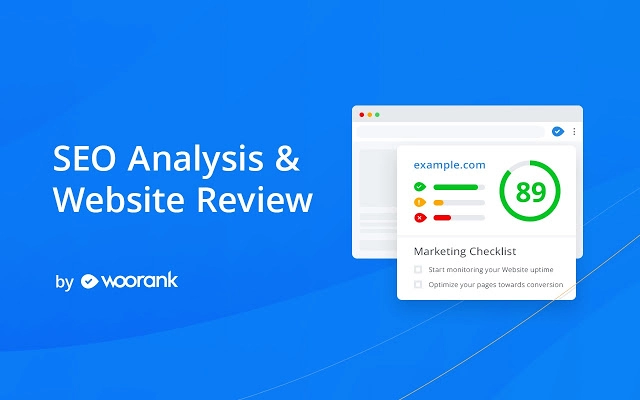
    2. WooRank

    WooRank is a website auditing and SEO analysis platform that provides instant recommendations for improving website performance.

    It evaluates both on-page and off-page SEO factors and provides a detailed action plan.

    Features

    • Website audits
    • SEO scoring
    • Technical SEO analysis
    • Mobile optimization checks
    • Marketing performance reports

    Benefits

    WooRank helps businesses quickly identify areas that require improvement, making it one of the most practical SEO tools for website optimization.

    SEO-tools

    3. Animalz Revive

    Content freshness is an important ranking factor. Animalz Revive helps identify older content that may be losing traffic and rankings.

    The tool analyzes Google Analytics data and highlights pages that would benefit from updates.

    Features

    • Content decay monitoring
    • Traffic analysis
    • Content refresh recommendations
    • Performance tracking

    Benefits

    Updating old content can often generate quicker SEO results than creating new content from scratch.

    4. SmallSEOTools

    SmallSEOTools offers a large collection of free SEO and content optimization tools that support various aspects of digital marketing.

    Popular Tools Include

    • Plagiarism Checker
    • Grammar Checker
    • Paraphrasing Tool
    • Keyword Position Checker
    • Backlink Checker
    • Meta Tag Generator

    Benefits

    SmallSEOTools is particularly useful for content creators who want to improve content quality and search engine performance.

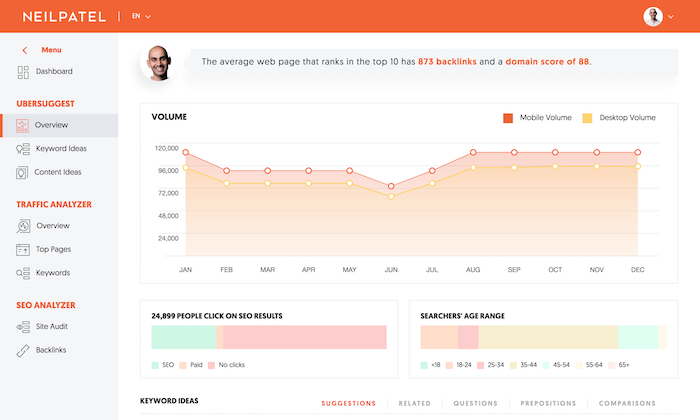
    5. Ubersuggest

    Ubersuggest is one of the most beginner-friendly SEO tools available.

    Developed by digital marketing expert Neil Patel, it provides valuable keyword, backlink, and competitor insights.

    Features

    • Keyword research
    • Competitor analysis
    • Content ideas
    • Backlink data
    • Website audits

    Benefits

    Ubersuggest makes SEO accessible for businesses looking to improve rankings without investing heavily in premium software.

    SEO-tools-

    Top 5 Paid SEO Tools

    SEO-tools1. Ahrefs

    Ahrefs is widely regarded as one of the most comprehensive SEO tools in the industry.

    It provides powerful insights into backlinks, keywords, content performance, and competitor strategies.

    Features

    • Site Explorer

    • Keywords Explorer

    • Content Explorer

    • Rank Tracker

    • Site Audit

    Benefits

    Ahrefs helps businesses discover ranking opportunities and build effective SEO strategies based on real data.

    Best For

    • SEO professionals

    • Agencies

    • Large businesses

    • Content marketers

    SEO-tools 2. Serpstat

    Serpstat is an all-in-one growth marketing platform that combines SEO, PPC, content marketing, and competitor analysis.

    Features

    • Keyword research

    • Site audits

    • Rank tracking

    • Competitor analysis

    • Backlink monitoring

    Benefits

    Serpstat helps marketers gain deeper insights into search performance while supporting broader digital marketing efforts.

    SEO-tools

    3. Seobility

    Seobility is designed to improve website optimization through comprehensive auditing and monitoring.

    It continuously scans websites and identifies technical SEO issues that may impact rankings.

    Features

    • Website crawler

    • SEO audits

    • Keyword monitoring

    • Backlink analysis

    • Competitor tracking

    Benefits

    Seobility ensures that websites remain technically optimized and search-engine friendly.

    SEO-tools

    4. Morningscore

    Morningscore simplifies SEO by presenting complex data in an easy-to-understand format.

    The platform focuses on helping users measure the real value of their SEO efforts.

    Features

    • SEO performance tracking

    • ROI measurement

    • Keyword tracking

    • Competitor analysis

    • Backlink monitoring

    Benefits

    Morningscore is excellent for businesses that want a clear overview of SEO performance and business impact.

    SEO-tools

    5. Mangools

    Mangools is known for its clean interface and beginner-friendly SEO tools.

    It provides a complete suite of SEO solutions designed to improve website visibility.

    Features

    • KWFinder
    • SERPChecker
    • LinkMiner
    • SERPWatcher
    • SiteProfiler

    Benefits

    Mangools is a great choice for bloggers, freelancers, and small businesses entering the SEO world.

    Tags :
    digitdal marketing strategy
    Author : Sony

    Consectetur sollicitudin cubilia facilisis lobortis lacus a ac phasellus. Mus pulvinar enim suspendisse pharetra id commodo platea nunc aliquet.

    Learner of DigiSkillz, Digital Marketing Institute in Kochi.

  • Step By Step Guide for Social Media Marketing

    Step By Step Guide for Social Media Marketing

    Step By Step Guide for Social Media Marketing

    Social media has become a vital aspect of modern-day marketing strategies. From small startups to large corporations, social media has become an integral part of their marketing campaigns. With billions of users worldwide, social media platforms have the potential to reach a massive audience and help businesses grow exponentially. However, social media marketing can be intimidating, especially for small businesses and startups. In this guide, we will provide a Step By Step Guide For Social Media Marketing and help you leverage the power of social media for your business.

    Step By Step Guide For Social Media Marketing

    Table of Contents

    1. Setting Up Your Social Media Marketing Strategy


    Step by Step Guide for Social Media Marketing


    Setting up your social media marketing strategy involves defining your goals, identifying your target audience, choosing the right platforms, developing a content plan, and establishing key performance indicators (KPIs). By establishing a strong foundation for your strategy, you can ensure your social media efforts are aligned with your business objectives and achieve maximum impact.

    1. Defining your Social Media Marketing Goals and Objectives

    Before you begin any social media marketing activities, you need to identify what you want to achieve through your efforts. This could be anything from increasing brand awareness to generating leads or sales. It’s important to set specific, measurable goals and objectives so that you can track your progress and determine whether your strategy is working.

    2. Identifying your Target Audience and Understanding Their Needs and Preferences

    Once you’ve established your goals, you need to identify who your target audience is and what they want. This will help you create content and messaging that resonates with them and drives engagement. You can use tools like social media analytics and audience insights to gather data on your audience’s demographics, interests, and behaviors.

    3. Selecting the Most Appropriate Social Media Platforms to Reach Your Audience


    Step By Step Guide For Social Media Marketing

    Not all social media platforms are created equal, and different platforms may be more effective at reaching your target audience. Consider factors like your audience’s age, gender, location, and interests when deciding which platforms to focus on. Popular platforms for businesses include Facebook, Instagram, Twitter, LinkedIn, and Pinterest.

    4. Developing a Content Strategy and Calendar to Guide your Social Media Efforts

    Your content strategy should outline what types of content you’ll be sharing on social media, how often you’ll post, and what messaging and visuals you’ll use to convey your brand message. Creating a content calendar can help you stay organized and ensure that you’re posting consistently.

    5. Creating a Social Media Marketing Budget and Identifying Key Performance Indicators (KPIs) to Measure Success

    Finally, you’ll need to establish a budget for your social media marketing activities and identify how you’ll measure success. This could include tracking metrics like engagement, reach, leads, or sales. By setting clear KPIs, you’ll be able to determine whether your strategy is working and make adjustments as needed.

    2. Creating Engaging and Shareable Content


    Step by Step Guide for Social Media Marketing

    Creating engaging and shareable content involves understanding your audience’s interests and preferences and tailoring your content to meet their needs. By developing a content strategy that incorporates a variety of formats and platforms, you can create content that resonates with your audience and encourages them to share it with their own networks.

    Your content strategy should align with your overall social media marketing goals and objectives, while also speaking directly to your target audience. This means understanding their pain points, interests, and preferences, and crafting content that addresses their needs.

     Determining the best types of content to share on Social Media (e.g. images, videos, infographics, blog posts)

    Different types of content perform better on different social media platforms, so it’s important to determine which formats will be most effective for your goals and audience. For example, visual content like images and videos tend to perform well on Instagram, while longer-form content like blog posts may work better on LinkedIn or Facebook.

    Creating high-quality content that is both visually appealing and optimized for social media platforms is key to driving engagement and shares. This means using high-quality images and videos, optimizing content for each platform’s algorithm, and using engaging captions and hashtags to encourage interaction.

     Encouraging your Audience to Engage with and Share your Content

    To encourage your audience to engage with and share your content, you should make it as easy as possible for them to do so. This could include adding social sharing buttons to your website or blog, creating shareable graphics and images, and incentivizing sharing through contests or promotions.

    3 Building and Growing Your Social Media Presence

    Step by Step Guide for Social Media Marketing


    Building and growing your social media presence requires a strategic approach that includes optimizing your profiles, developing a consistent brand voice and aesthetic, and engaging with your audience. By building a community of loyal followers and running social media campaigns and contests, you can increase engagement and brand awareness. It’s essential to regularly analyze and adapt your social media strategy to ensure continued growth and success.

    Optimizing your Social Media Profiles for Maximum Visibility and Impact

     To optimize your social media profiles, ensure that all necessary information about your brand or business is included, such as contact information, website URL, and a brief bio. Use high-quality visuals, such as profile and cover photos, and ensure that they align with your brand’s aesthetic.

    Developing a Consistent Brand Voice and Aesthetic Across all Platforms

    Your brand’s voice and aesthetic should be consistent across all social media platforms to reinforce brand recognition and identity. Define your brand’s values, tone, and messaging, and ensure they are reflected in your content.

    Engaging with your Audience through Comments, Direct Messages, and Social Media Chats


    Step By Step Guide For Social Media Marketing


    Engaging with your audience is essential to building a relationship with them. Respond to comments, messages, and social media chats promptly and thoughtfully, and make sure to thank your followers for their support.

    Building a Community of Loyal Followers and Brand Advocates

    Encourage your followers to engage with your brand by creating a sense of community. Share user-generated content, highlight customer reviews, and create content that encourages conversation and participation.

    Running social media campaigns and contests can boost engagement and brand awareness. Offer incentives such as giveaways, exclusive discounts, or early access to new products to incentivize participation. Ensure that the campaigns align with your brand values and messaging.

    4. Implementing Social Media Advertising Campaigns


    Step by Step Guide for Social Media Marketing8


    Implementing social media advertising campaigns involves identifying the most effective platforms and ad types, creating targeted ads based on audience demographics, interests, and behaviors, and A/B testing different ad copy and visuals to optimize performance. By setting and managing your advertising budget for maximum ROI and analyzing and reporting on campaign success, you can continuously improve and refine your social media advertising strategy

    To identify the most effective social media advertising platforms, consider your target audience and their social media habits. Each platform has its unique advertising features and formats, so it’s essential to select the most suitable platforms and ad types for your business.

    Creating and Targeting Ads based on Audience Demographics, Interests, and Behaviors

    When creating social media ads, target your audience based on their demographics, interests, and behaviors. This targeting helps ensure your ads reach the right audience, increasing the chances of conversion.

    A/B Testing Different Ad copy and Visuals to Optimize Performance

    A/B testing is crucial to optimize ad performance. Test different ad copy, visuals, and call-to-actions to determine what resonates best with your audience and drives the most engagement and conversions.

    Setting and Managing your Advertising Budget for ,Maximum ROI:

    Setting a budget for your social media advertising campaigns is essential to ensure you get a return on your investment. Regularly monitoring your ad spending and performance will help you adjust your budget accordingly for maximum ROI.

    Analyzing and Reporting on the Success of your Social Media Advertising Campaigns:

    Analyzing and reporting on the success of your social media advertising campaigns is crucial to determine their effectiveness. Track metrics such as reach, engagement, and conversion rates to evaluate the success of your campaigns and make data-driven decisions for future campaigns.

    5 Measuring and Analyzing Social Media Performance


    Step by Step Guide for Social Media Marketing


    Measuring and analyzing social media performance is essential to track progress toward your goals, identify areas for improvement, and make data-driven decisions. By identifying relevant KPIs, monitoring metrics regularly, and using social media analytics tools, you can continuously refine your social media strategy for maximum impact.

    Identifying Key Performance Indicators (KPIs) to Measure the Success of Your Social Media Marketing Efforts:

    To measure the success of your social media marketing efforts, identify relevant KPIs such as reach, engagement, conversion rates, and website traffic. These KPIs should align with your overall business goals and objectives.

    Monitoring your Social Media Metrics on a Regular Basis to Track Progress Toward your Goals

    Regularly monitoring your social media metrics is crucial to track progress toward your goals and making data-driven decisions. Use the insights gained from monitoring to adjust your strategy and tactics accordingly.

    Analyzing Social Media Data to Identify Trends, Opportunities, and Areas for Improvement

    Analyzing social media data can help identify trends, opportunities, and areas for improvement. Use this data to refine your strategy and tactics, optimize your content, and target your audience more effectively.

    Using Social Media Analytics Tools to Measure and Report on your Social Media Performance

    Social media analytics tools can help measure and report on your social media performance, providing valuable insights into your audience’s behavior, engagement, and interests. Use these tools to regularly monitor your KPIs and adjust your strategy accordingly.

    Continuously refining your social media strategy based on data insights is essential to ensure continued growth and success. Use the insights gained from monitoring and analyzing your social media data to adjust your tactics, content, and targeting for maximum impact.

    6 Staying Up-to-Date with Social Media Trends and Best Practices


    Step by Step Guide for Social Media Marketing

    Staying up-to-date with the latest social media trends and updates across platforms is essential to ensure your social media strategy remains effective. Follow social media industry news and stay informed about new features and functionality that may impact your strategy.

    New features and functionality on social media platforms can significantly impact your social media strategy. Stay informed about changes to algorithms, new ad formats, and updates to policies to ensure you’re making the most of these tools.

    Industry experts and thought leaders can provide valuable insights and knowledge to help you improve your social media strategy. Attend webinars, listen to podcasts, and take online courses to stay up-to-date on the latest trends and best practices.

    Participating in social media communities and groups can help you connect with other marketers and share best practices. Join groups related to your industry or social media marketing to network and learn from others.

    Experimenting with new social media tactics and tools is essential to keep your strategy fresh and effective. Test new content formats, use new social media tools, and try out new tactics to identify what works best for your brand and audience.


    To expand your understanding of Instagram advertising, feel free to browse through this source, which offers valuable tips and strategies for maximizing your ad campaigns on this popular social media platform.

    For a comprehensive guide on Facebook marketing, check out this resource, which offers a wealth of information on how to create and optimize ads that can reach your target audience effectively.

    Conclusion

    In conclusion, social media marketing is a crucial aspect of any successful marketing strategy in the digital age. The step-by-step guide provided in this topic can be a valuable resource for businesses and individuals looking to make the most of their social media presence.

    This Guide For Social Media Marketing helps  businesses can create engaging content, identify their target audience, and develop effective social media campaigns. Additionally, tracking and analyzing social media metrics can provide valuable insights into what is working and what needs to be adjusted.

    It is important to remember that social media marketing is an ongoing process that requires consistent effort and attention. By staying up-to-date with the latest trends and strategies, businesses can continue to improve their social media presence and drive engagement with their audience.

    Tags :
    digitdal marketing strategy
    Author : nishni

    Consectetur sollicitudin cubilia facilisis lobortis lacus a ac phasellus. Mus pulvinar enim suspendisse pharetra id commodo platea nunc aliquet.

    Learner of DigiSkillz, Digital Marketing Institute in Kochi.

  • Content Creation for SEO: 10 Powerful Tips to Boost Rankings

    Content Creation for SEO: 10 Powerful Tips to Boost Rankings

    Mastering Content Creation for SEO: A Complete Guide

    Search Engine Optimization (SEO) is not just a buzzword — it is a necessity for any brand or individual aiming to grow and succeed online. In today’s competitive digital landscape, high-quality content alone is not enough; it must be created with search engines and users in mind. Whether you are a blogger, digital marketer, or business owner, mastering content creation for SEO can dramatically improve your search visibility, attract the right audience, and increase engagement across your website.

    Effective content creation for SEO focuses on delivering valuable, relevant, and well-structured content that aligns with user intent while following search engine best practices. From choosing the right keywords to crafting compelling headlines and optimizing content structure, every step plays a crucial role in how your content performs in search results. When done correctly, content creation for SEO helps your pages rank higher, drive consistent organic traffic, and build long-term authority in your niche.

    This in-depth guide will walk you through everything you need to know about creating SEO-friendly content. You will learn how to conduct keyword research, develop a strong content strategy, optimize on-page elements, and track performance to continuously improve your results. By the end of this guide, you will have a clear understanding of how to create content that ranks well, engages readers, and supports sustainable online growth.

    Understanding SEO and Its Importance

    SEO is the practice of optimizing your content so it ranks higher on search engine results pages (SERPs). With over 90% of online experiences beginning with a search engine, showing up at the top of results can drive massive traffic to your site. SEO is not just about rankings — it’s about relevance, authority, and trust.

    Why SEO Matters for Content Creators:

    • Increased visibility and traffic
    • Higher conversion rates
    • Cost-effective marketing
    • Long-term results

    Types of SEO:

    • On-page SEO: Optimizing individual content pieces.
    • Off-page SEO: Building authority through backlinks.
    • Technical SEO: Ensuring your site can be crawled and indexed efficiently.

    Keyword Research: The Foundation of SEO

    Keywords refer to the words and phrases that individuals enter into search engines. Your job is to identify the right keywords and use them strategically.

    Steps in Keyword Research:

    • Brainstorm seed keywords related to your niche.
    • Utilize resources such as Google Keyword Planner, Ahrefs, SEMrush, or Ubersuggest.
    • Analyze competitors to see what keywords they’re targeting.
    • Identify long-tail keywords for more targeted traffic.
    • Understand search intent — informational, navigational, transactional.

    Keyword Metrics to Monitor:

    • Search volume
    • Keyword difficulty
    • Cost per click (CPC)
    • Trends and seasonality

    Tips:

    • Target a mix of short-tail and long-tail keywords.
    • Look at “People also ask” and “Related searches” on Google for inspiration.

    Group keywords by topic to plan content clusters.

    Crafting an SEO Content Strategy

    Without a solid strategy, your content creation can become chaotic and ineffective.

    Steps to Build a Content Strategy:

    • Establish your objectives: Are you aiming to enhance traffic, develop authority, or produce leads?
    • Know your audience: Develop detailed personas.
    • Create a content calendar: Plan topics around your target keywords.
    • Map content to the buyer’s journey.
    • Choose content formats: Blogs, videos, infographics, podcasts.

    Additional Tips:

    • Evaluate your current content to identify deficiencies and potential opportunities.
    • Repurpose old content for new formats.
    • Prioritize content types that best align with your audience’s preferences.

    Writing High-Quality, Optimized Content

    Great content is useful, engaging, and well-structured. It should also be optimized for both users and search engines.

    Best Practices:

    • Write for humans first, search engines second.
    • Use keywords naturally — no stuffing.
    • Craft compelling headlines — use numbers, power words, and questions.
    • Write comprehensive content that answers all relevant questions.
    • Structure content with headers, bullet points, and short paragraphs.
    • Use internal and external links.
    • Include calls-to-action (CTAs).

    Content-Length Tips:

    • Long-form content (1,500+ words) tends to perform better in SERPs.
    • Use subheadings, tables, and visuals to improve readability.

    Examples:

    • Use storytelling techniques for case studies or brand stories.
    • Incorporate expert opinions or quotes.
    • Support claims with data and research

    On-page SEO pertains to the practice of optimizing specific web pages to secure improved rankings and draw in more relevant traffic..

    On-Page SEO Best Practices

    he practice of optimizing specific web pages to secure improved rankings and draw in more relevant traffic..

    Key Elements:

    • Title tags: Include main keywords.
    • Meta descriptions: Summarize content and encourage clicks.
    • URL structure: Keep it short, descriptive, and keyword-rich.
    • Header tags (H1-H6): Organize content.
    • Alternative text for images: Provide descriptions of images for search engines and to enhance accessibility.
    • Mobile-friendliness: Responsive design is a must.

    Internal Linking Strategy:

    • Link to cornerstone content.
    • Use descriptive anchor text.
    • Avoid broken links.

    Visual Content and SEO 

    Visual elements can improve both readability and user engagement, thereby indirectly enhancing SEO.

    Types of Visual Content:

    • Images and infographics
    • Videos and animations
    • Charts and graphs

    Optimization Tips:

    • Compress images to improve load time.
    • Use descriptive filenames and alt tags.
    • Host videos on YouTube and embed them.
    • Include schema markup for rich snippets.

    Engagement Benefits:

    • Users spend more time on pages with visuals.
    • Social shares increase with visual content.
    • Lower bounce rates indicate content relevance.

    User Experience and Technical SEO

    Technical SEO ensures that your content is accessible, crawlable, and provides a great user experience.

    Focus Areas:

    • Site speed: Use tools like Google PageSpeed Insights.
    • Mobile optimization: Over 60% of searches come from mobile devices.
    • Secure website (HTTPS): A ranking factor.
    • Crawlability: Use XML sitemaps and robot.txt files.
    • Structured data: Helps search engines understand your content.

    UX Enhancements:

    • Use clear CTAs.
    • Ensure intuitive navigation.
    • Avoid intrusive interstitials.
    • Make content scannable.

    Measuring and Improving SEO Performance

    content creation for SEO  is not a one-time task. Continuously monitor and tweak your content.

    Tools to Use:

    • Google Analytics
    • Google Search Console
    • Ahrefs
    • SEMrush

    Key Metrics:

    • Organic traffic
    • Bounce rate
    • Average session duration
    • Click-through rate (CTR)
    • Rankings for target keywords

    Optimization Tips:

    • Update outdated content.
    • Add new keywords.
    • Improve internal linking.
    • Repurpose content into different formats.

    SEO Tools Every Content Creator Should Use

    Here are some essential tools to streamline your SEO efforts:

    Keyword Research:

    • Ahrefs
    • Ubersuggest
    • Google Keyword Planner

    Content Optimization:

    • Yoast SEO (WordPress)
    • SurferSEO
    • Clearscope
    • Grammarly

    Analytics & Tracking:

    • Google Analytics
    • Google Search Console
    • Hotjar

    Performance & Audit:

    • Screaming Frog
    • GTmetrix
    • PageSpeed Insights

    Future Trends in SEO and Content Creation

    Maintaining a position at the forefront provides you with a competitive advantage.

    Key Trends:

    • Voice Search: Optimize for conversational queries.
    • Artificial Intelligence and automation: Employ AI for brainstorming and preliminary drafts.
    • E-A-T (Expertise, Authoritativeness, Trustworthiness): Google values credible content.
    • Video SEO: Rising importance.
    • Zero-click searches: Optimize content for featured snippets.

    Preparing for the Future:

    • Focus on building topical authority.
    • Invest in high-quality video production.
    • Optimize content for mobile and voice.
    • Use structured data and schema markup.

    Final Thoughts

    Content creation for SEO is a dynamic, ongoing process that seamlessly blends creativity with data-driven insights. When executed effectively, content creation for SEO delivers immense value by increasing visibility, building credibility, and driving meaningful conversions. It is not a one-time effort but a long-term strategy that requires staying updated with evolving search trends, refining your approach, and consistently improving the quality and relevance of your content.

    Successful content creation for SEO is about understanding how search engines evaluate content while always prioritizing genuine value for your audience. Search Engine Optimization (SEO) is not about manipulating algorithms; instead, it focuses on aligning your content with user intent, answering real questions, and providing solutions your audience is actively searching for. This approach helps establish trust, authority, and sustainable growth over time.

    Whether you are new to digital publishing or looking to refine an existing strategy, mastering content creation for SEO is essential for long-term success in the digital landscape. By combining strategic keyword usage, quality content, and continuous optimization, you can build a strong online presence that delivers consistent results and supports lasting business growth.

    Education is the solution to violence

    Facilisis rutrum sagittis nunc eros nibh. Elit id vestibulum metus etiam ridiculus suscipit enim. Sagittis diam ipsum nunc dapibus dolor. Ornare feugiat tincidunt urna placerat rhoncus mi pretium dapibus.

    Ultrices natoque ultricies euismod porta quisque mollis laoreet commodo imperdiet. Congue vel volutpat consectetuer tristique bibendum cras. Interdum turpis maecenas letius dapibus facilisi eleifend taciti netus. Himenaeos sodales dictumst ornare ex efficitur metus. Eros risus mattis pulvinar justo lobortis torquent. Nascetur phasellus magnis facilisi vitae lectus duis.

    Tags :
    digitdal marketing strategy
    Author : Swetha

    Consectetur sollicitudin cubilia facilisis lobortis lacus a ac phasellus. Mus pulvinar enim suspendisse pharetra id commodo platea nunc aliquet.

    Learner of DigiSkillz, Digital Marketing Institute in Kochi.

Call Now Button