

The e-commerce business in India is experiencing a massive transformation. With increasing internet penetration, smartphone usage, and digital payment adoption, India has become one of the fastest-growing e-commerce markets in the world. Whether you’re a startup, a small business owner, or an established brand, tapping into this space is more promising than ever.
Why is the E-commerce Business in India Booming?
 1. Digital India Movement
Government initiatives like Digital India have played a key role in encouraging internet usage and digital payments across cities and villages, fueling e-commerce growth.
2. Increased Internet and Smartphone Users
With over 800 million internet users and affordable smartphones, India has become a hotspot for online shopping activities.
3. Rise of Online Shopping Culture
From groceries to gadgets, Indians now prefer the convenience of online shopping over traditional retail. Brands like Amazon, Flipkart, Meesho, and Ajio are proof of this shift.
Top E-commerce Niches Thriving in India
-
Fashion and Apparel
-
Electronics & Gadgets
-
Health and Wellness
-
Grocery & Daily Essentials
-
Beauty and Personal Care
-
Handmade and Local Products (Supported by Vocal for Local)
How to Start an E-commerce Business in India
 Step 1: Choose a Niche and Target Market
Start by identifying a profitable niche. Focus on solving a specific customer problem or need.
Step 2: Register Your Business
Get a GST number, register your company (proprietorship or private limited), and comply with Indian e-commerce laws.
Step 3: Create a Website or Sell on Marketplaces
You can either build your own e-commerce website using platforms like Shopify, WooCommerce, or Wix, or start by selling on marketplaces like Amazon, Flipkart, Meesho, or JioMart.
Step 4: Set Up Logistics and Payments
Partner with courier services (like Delhivery, Shiprocket) and integrate payment gateways like Razorpay, PayU, or Instamojo.
Step 5: Promote Through Digital Marketing
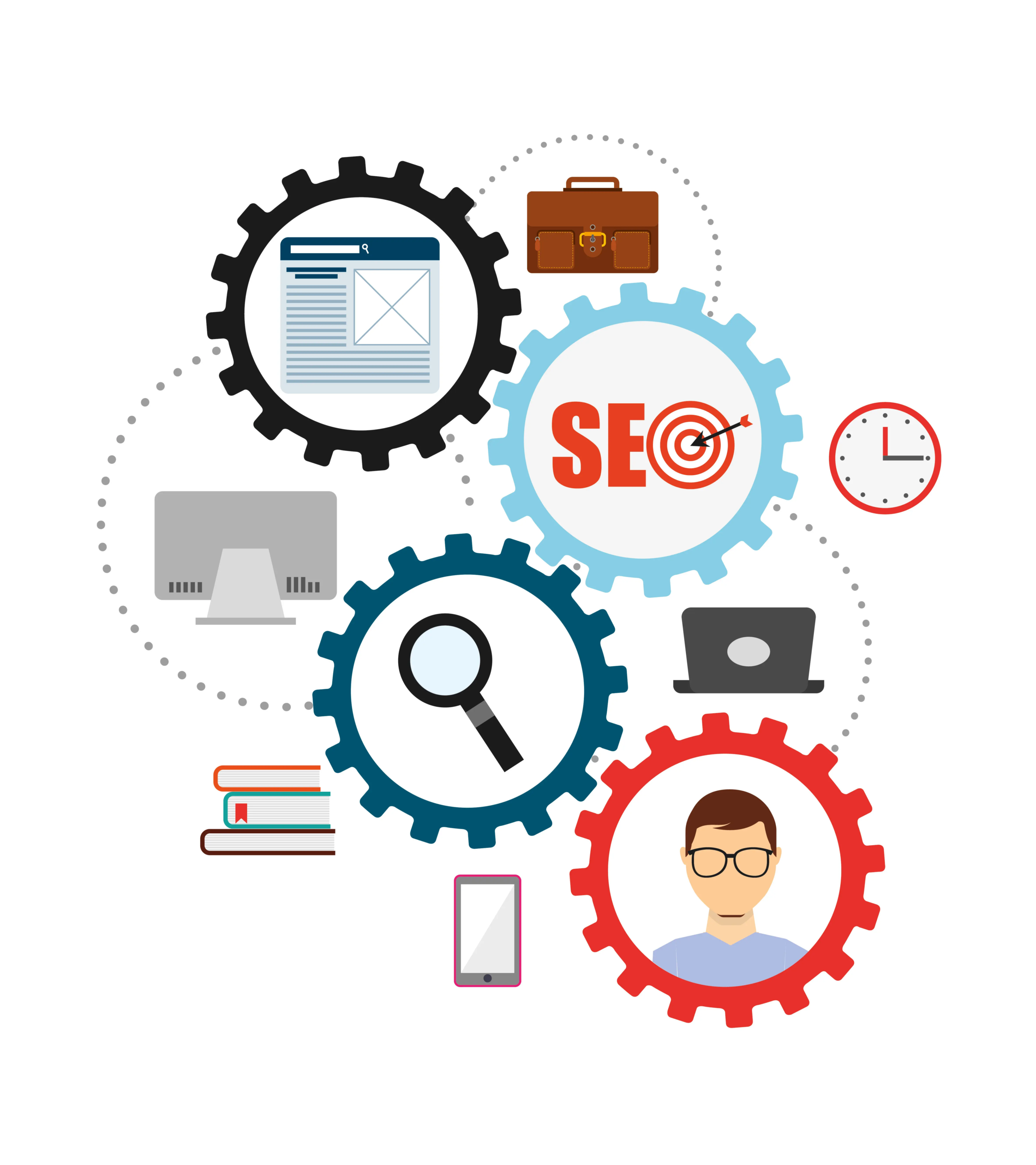
Use SEO, social media, Google Ads, influencer marketing, and email marketing to attract traffic and boost sales.
Benefits of E-commerce Business in India
-
Low Initial Investment
-
Wider Reach Across India
-
Open 24/7
-
Real-Time Data & Analytics
-
Opportunity to Go Global
Challenges in E-commerce Business in India
-
High Competition
-
Logistics in Tier 2 & 3 Cities
-
COD-related Returns
-
Changing Consumer Behavior
Tip: Building strong branding, customer service, and fast delivery are key to long-term success.
Future Trends in the E-commerce Business in India
-
Voice Commerce – Shopping via Alexa and Google Assistant.
-
Social Commerce – Buying directly through Instagram or WhatsApp.
-
AI & Personalization – Showing custom product recommendations using AI.
-
D2C Brands Boom – Direct-to-consumer brands are growing fast.
-
Hyperlocal Deliveries – Same-day delivery models are becoming common.
Successful Case Studies in Indian E-commerce
-
Nykaa: A beauty brand that started online and became a unicorn.
-
Meesho: Empowered thousands of resellers from small towns.
-
Zomato & Swiggy: Changed the way India orders food.
These brands are examples of how tapping into the e-commerce business in India can lead to extraordinary growth.
Tips for Succeeding in E-commerce in India
-
Optimize your product listings with keywords.
-
Use high-quality product photos and reviews.
-
Invest in SEO and content marketing.
-
Focus on mobile-first design.
-
Offer great customer support.
Additional Growth Drivers of E-commerce Business in India
 1️⃣ UPI & Digital Payment Revolution
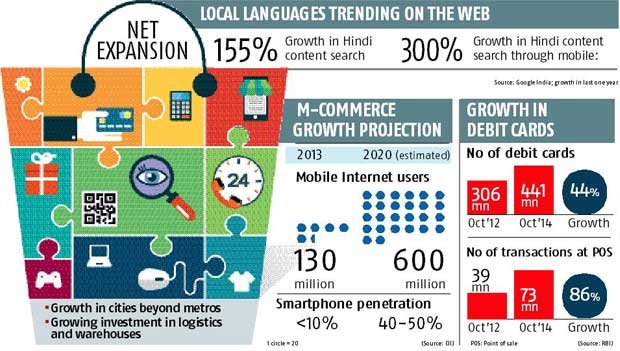
The rise of National Payments Corporation of India (NPCI) and UPI has completely transformed online payments in India. Platforms like PhonePay and Google Pay made transactions simple and secure.
Cashless payments increase trust and reduce friction in online shopping.
2️⃣ Growth of Tier 2 & Tier 3 Cities
E-commerce is no longer limited to metro cities like Mumbai or Delhi.
Small towns are becoming major contributors due to:
-
Better internet connectivity
-
Affordable smartphones
-
Improved delivery networks
3️⃣ Expansion of Quick Commerce (Q-commerce)
Companies like Blinkit and Zepto introduced 10–20 minute delivery models.
Consumers now expect faster deliveries, especially for groceries and essentials.
Types of E-commerce Models in India
🔹 B2C (Business to Consumer)
Example: Amazon India
🔹 B2B (Business to Business)
Wholesale platforms supplying retailers.
🔹 C2C (Consumer to Consumer)
Example: OLX
🔹 D2C (Direct to Consumer)
Brands selling directly without middlemen. Example: Mamaearth
Legal & Compliance Requirements in India
To run a legal e-commerce business, you must:
-
Obtain GST registration
-
Follow Consumer Protection (E-commerce) Rules 2020
-
Display clear return/refund policies
-
Ensure data privacy compliance
Transparency builds trust with customers.
Technology Trends Powering Indian E-commerce
1️⃣ Artificial Intelligence
AI helps in:
-
Personalized product recommendations
-
Fraud detection
-
Chatbots for support
2️⃣ Augmented Reality (AR)
Customers can virtually try products before buying (like furniture or makeup).
3️⃣ Data Analytics
Helps track buying patterns and optimize pricing strategies.
Marketing Strategies for E-commerce Success
✔ Performance Marketing
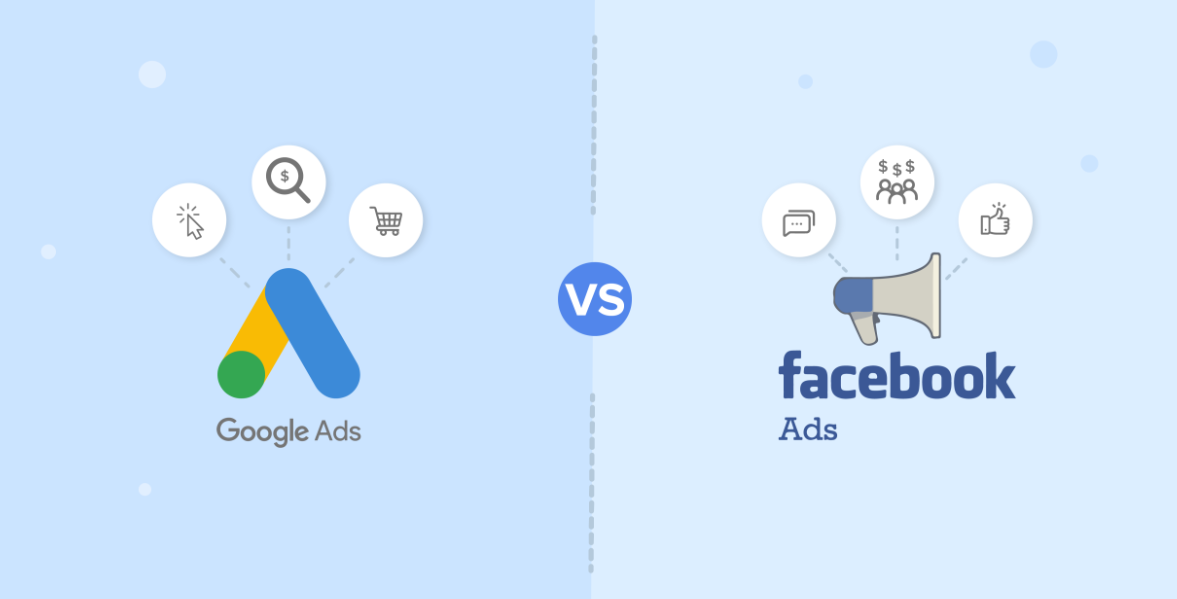
Run targeted ads on:
-
Google
-
Meta platforms (Facebook & Instagram)
✔ Influencer Marketing
Partner with micro-influencers for better engagement.
✔ Retargeting Campaigns
Show ads to users who visited but didn’t purchase.
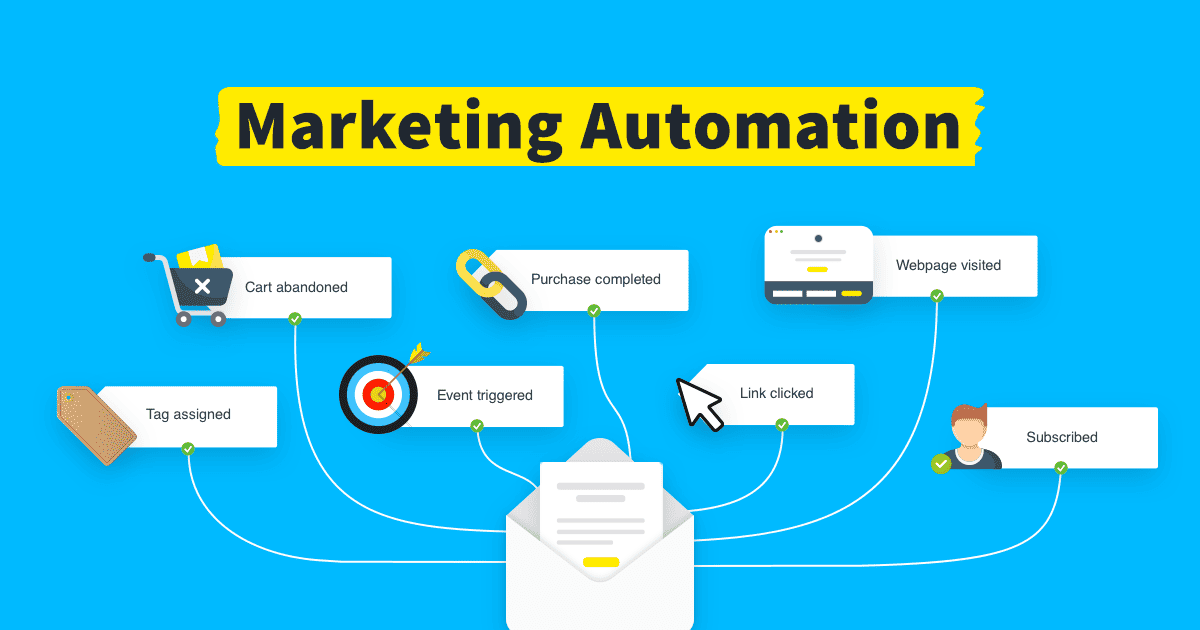
✔ Email & WhatsApp Marketing
Automated follow-ups increase conversions.
Building Brand Trust in Indian E-commerce
Trust is very important in India. You can build it by:
-
Offering easy returns
-
Providing Cash on Delivery (COD)
-
Displaying genuine customer reviews
-
Using secure payment gateways
-
Offering responsive customer service
Logistics & Supply Chain Optimization
Efficient logistics determines success.
-
Use multi-warehouse strategy
-
Track shipments in real time
-
Partner with reliable courier networks
-
Optimize packaging to reduce damage
Fast delivery = repeat customers.
Funding & Investment in Indian E-commerce
India has seen massive investments in startups through venture capital firms.
Government schemes like:
-
Startup India
-
MSME support programs
also help new entrepreneurs.
Sustainability in E-commerce
Modern consumers prefer eco-friendly brands.
Consider:
-
Sustainable packaging
-
Carbon-neutral shipping
-
Ethical sourcing
Green branding increases long-term loyalty.
Advanced Tips for Scaling Your E-commerce Business
-
Introduce subscription models
-
Use loyalty reward programs
-
Expand internationally
-
Launch private label products
-
Use A/B testing for better conversion rates
-
Customer Behavior in the Indian E-commerce Market
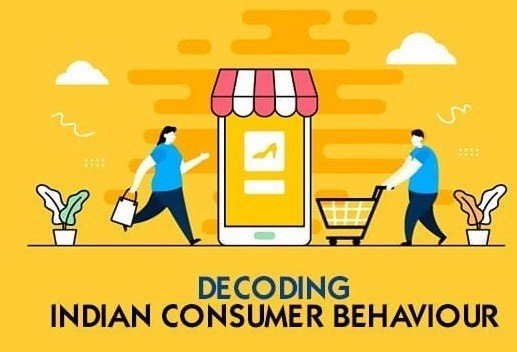 Understanding customer behavior is one of the most important factors for success in the e-commerce business in India. Indian consumers are price-sensitive, value-driven, and increasingly quality-conscious. Discounts, festive sales, cashback offers, and flash deals strongly influence buying decisions.
Festive seasons like Diwali, Eid, Christmas, and New Year create massive spikes in online sales. Major platforms run large-scale campaigns that generate record-breaking revenue within days. Businesses that strategically plan inventory and marketing campaigns around these periods can significantly boost profits.
Another important trend is mobile shopping. A majority of Indian consumers prefer shopping through mobile apps rather than desktop websites. Therefore, having a mobile-optimized website or app is essential for success.
Importance of Branding in Indian E-commerce
Branding plays a crucial role in standing out from intense competition. Since many sellers offer similar products, customers often choose brands they trust.
To build strong branding:
-
Maintain consistent logo and color theme
-
Offer high-quality packaging
-
Deliver products on time
-
Communicate clearly with customers
-
Build a strong social media presence
Strong branding increases repeat purchases and word-of-mouth marketing.
Role of Social Media in E-commerce Growth
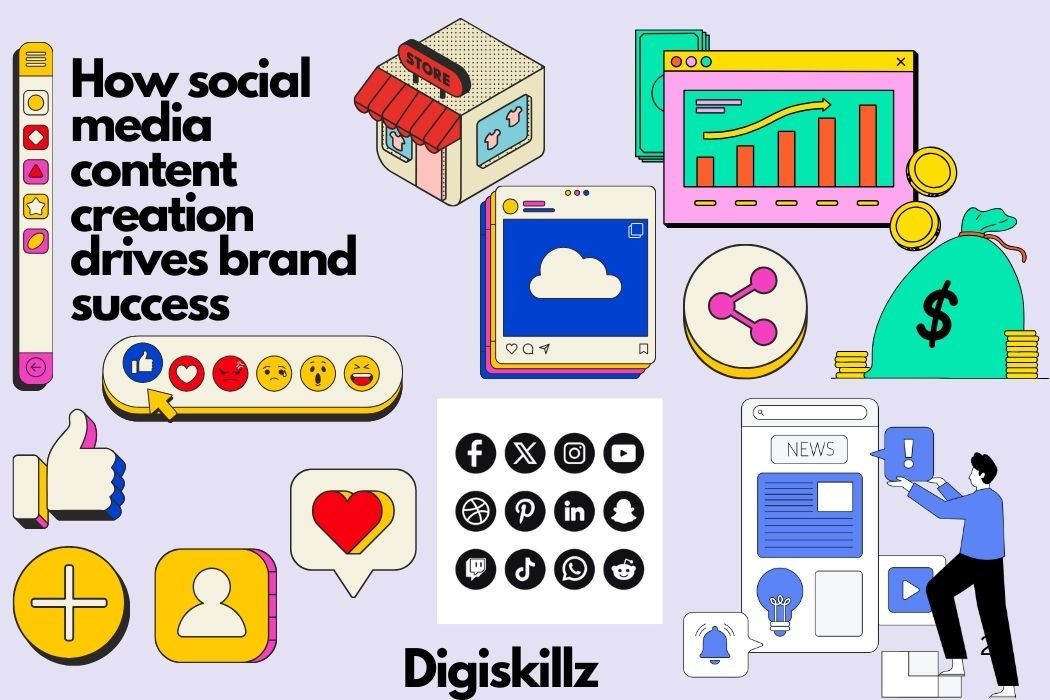
Social media platforms have become powerful sales channels. Platforms like Instagram, Facebook, and YouTube influence buying decisions through reels, reviews, and influencer promotions.
Short-form video content especially drives engagement. Product demonstrations, customer testimonials, and behind-the-scenes content increase trust and interest.
WhatsApp Business is also becoming a powerful tool for customer communication, order updates, and direct sales conversations.
Payment Methods Preferred in India
Indian customers prefer multiple payment options. Offering flexibility increases conversion rates.
Popular payment options include:
-
UPI payments
-
Debit and credit cards
-
Net banking
-
Digital wallets
-
Cash on Delivery (COD)
Providing secure and smooth checkout experiences reduces cart abandonment.
Inventory Management Strategies
Managing inventory efficiently helps reduce losses and improve customer satisfaction.
Best practices include:
-
Track fast-moving products
-
Avoid overstocking slow items
-
Use inventory management software
-
Forecast demand using past sales data
Efficient inventory planning prevents stock-outs and delayed deliveries.
Importance of Customer Reviews and Ratings
Online reviews significantly impact purchasing decisions. Most Indian customers read reviews before buying a product.
Encourage satisfied customers to leave positive feedback. Display ratings clearly on product pages. Respond professionally to negative reviews and resolve complaints quickly.
Good reviews improve brand credibility and boost conversion rates.
Cross-Border E-commerce Opportunities
Indian e-commerce businesses can also expand globally. Many platforms allow sellers to ship products internationally.
Indian handmade products, textiles, spices, ayurvedic items, and handicrafts have high demand overseas. By targeting global customers, businesses can increase revenue and brand visibility.
Understanding international shipping rules and pricing strategies is important for cross-border success.
Building a Long-Term E-commerce Vision
To succeed in the long term, businesses must focus on continuous improvement and innovation. The digital landscape changes rapidly, and staying updated with new trends is essential.
Regularly analyze competitor strategies. Improve website speed and user experience. Invest in digital marketing campaigns consistently. Focus on customer satisfaction and retention rather than only short-term profits.
Sustainable growth comes from building loyal customers and delivering consistent value.
Role of Government Policies in E-commerce Growth
Government regulations and policies directly influence the e-commerce business in India. Policies related to Foreign Direct Investment (FDI), GST rules, and consumer protection laws impact how online businesses operate.
The Consumer Protection (E-commerce) Rules ensure transparency in pricing, refunds, and seller information. These rules protect buyers and increase trust in online platforms. When customers feel safe, online transactions increase.
Government initiatives promoting digital payments and startup ecosystems also support e-commerce entrepreneurs across the country.
Importance of Website Speed and User Experience
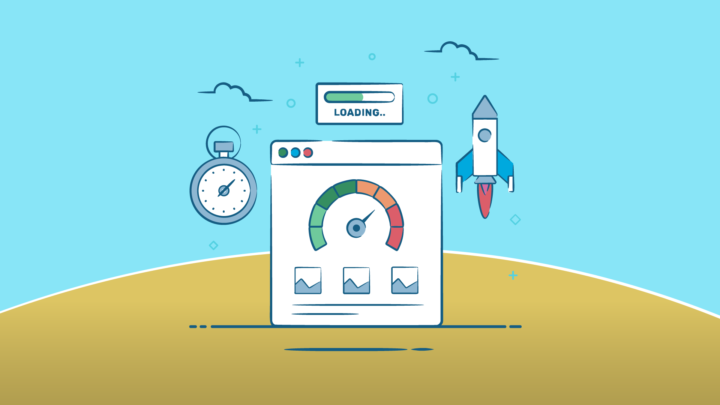 In e-commerce, speed matters. Studies show that if a website takes more than a few seconds to load, customers leave immediately.
To improve performance:
-
Optimize images
-
Use fast hosting services
-
Enable secure HTTPS
-
Simplify checkout process
-
Reduce unnecessary popups
A smooth and fast website increases conversions and reduces bounce rate.
Role of Customer Support in E-commerce Success
Customer service is a major competitive advantage in India. Quick responses and helpful support create positive brand perception.
Best practices include:
-
Live chat support
-
24/7 email assistance
-
Clear return and refund policies
-
Fast resolution of complaints
Satisfied customers not only return but also recommend your brand to others.
Importance of Data Security and Privacy
As online shopping grows, protecting customer data becomes critical. Customers share personal details such as phone numbers, addresses, and payment information.
Businesses must:
-
Use secure payment gateways
-
Protect customer data with encryption
-
Avoid sharing data without consent
-
Follow privacy regulations
Strong security builds long-term trust.
Subscription-Based E-commerce Model
Subscription models are becoming popular in India. Businesses offer monthly or quarterly deliveries of products like groceries, beauty items, and health supplements.
Benefits of subscription model:
-
Predictable revenue
-
Better customer retention
-
Strong brand loyalty
This model works especially well for repeat-use products.
-
- The E-commerce Business in India has witnessed exponential growth over the past decade. With increasing digital adoption, the E-commerce Business in India is expanding beyond metro cities into smaller towns and rural areas. This rapid expansion shows that the E-commerce Business in India is not just a temporary trend but a long-term opportunity for entrepreneurs.
- There are massive opportunities in the E-commerce Business in India for startups and small businesses. From niche products to large-scale marketplaces, the E-commerce Business in India allows sellers to reach customers across the country without opening physical stores. Anyone with the right strategy can succeed in the competitive E-commerce Business in India market.
-
The future of the E-commerce Business in India looks extremely promising. With advancements in AI, faster delivery systems, and better digital payment solutions, the E-commerce Business in India will continue to grow in the coming years. Experts predict that the E-commerce Business in India will become one of the largest retail sectors in the country.
Conclusion
The e-commerce business in India is not just a trend — it’s the future of retail. With the right strategy, tools, and execution, entrepreneurs can build profitable online businesses that reach millions. Now is the time to enter the Indian e-commerce landscape and make your mark.
Author: Fathima Saniya
Learner of DigiSkillz, Digital Marketing institute in Manjeri


Leave A Comment