

Digital Marketing in India is undergoing an unprecedented transformation, driven by the rapid growth of internet penetration and the widespread adoption of smartphones.With over 900 million internet users and counting, India has become one of the largest and fastest-expanding digital markets in the world.
Affordable smartphones, low-cost data plans, and government initiatives like Digital India have created a strong digital infrastructure that reaches both urban and rural populations.
As more people spend their time online—whether browsing e-commerce platforms, streaming videos, searching for information, or engaging with brands on social media—the demand for digital marketing in India continues to grow. Businesses can no longer rely solely on traditional marketing approaches; they must now adopt digital marketing strategies in India to remain competitive and effectively connect with their target audiences.
Looking ahead to 2026 and beyond, digital marketing in India is set to evolve even further. Emerging technologies such as artificial intelligence, machine learning, voice search, and immersive content like augmented and virtual reality are transforming how brands interact with customers. These innovations are enabling marketers to deliver highly personalized, real-time, and engaging experiences that resonate with users on a deeper level.
Consumers are increasingly expecting brands to understand their preferences, provide instant solutions, and create meaningful interactions, making digital marketing in India a critical tool for business growth.
The rise of regional content and localized marketing strategies is another factor reshaping digital marketing in India. As Tier 2 and Tier 3 cities gain internet access and digital literacy improves, brands are recognizing the potential of these untapped markets. Regional influencers, vernacular content, and culturally relevant campaigns are now driving engagement across previously overlooked audiences.
By leveraging digital marketing in India, businesses can expand their reach, connect with diverse audiences, and build stronger, more authentic relationships with customers.
In this blog, we will explore the future of digital marketing in India, highlighting emerging trends, opportunities, challenges, and strategies for brands to succeed in an increasingly digital-first economy. From AI-powered tools to regional content and immersive experiences, understanding how to navigate this landscape will be essential for marketers aiming to thrive in 2026 and beyond.
The Digital Boom in India
Digital marketing in India is booming as the country undergoes a revolutionary digital transformation. With over 900 million internet users, affordable smartphones, and low-cost data plans, more people are spending time online across social media, e-commerce, and digital services. Government initiatives like Digital India and platforms such as UPI have expanded access, enabling brands to reach diverse audiences. The rapid rise of digital adoption in Tier 2 and Tier 3 cities, along with regional content and local influencers, is creating new opportunities for digital marketing in India to engage, personalize, and grow audiences beyond metropolitan areas.
Table of Contents
Emerging Trends Shaping the Future of Digital Marketing in India
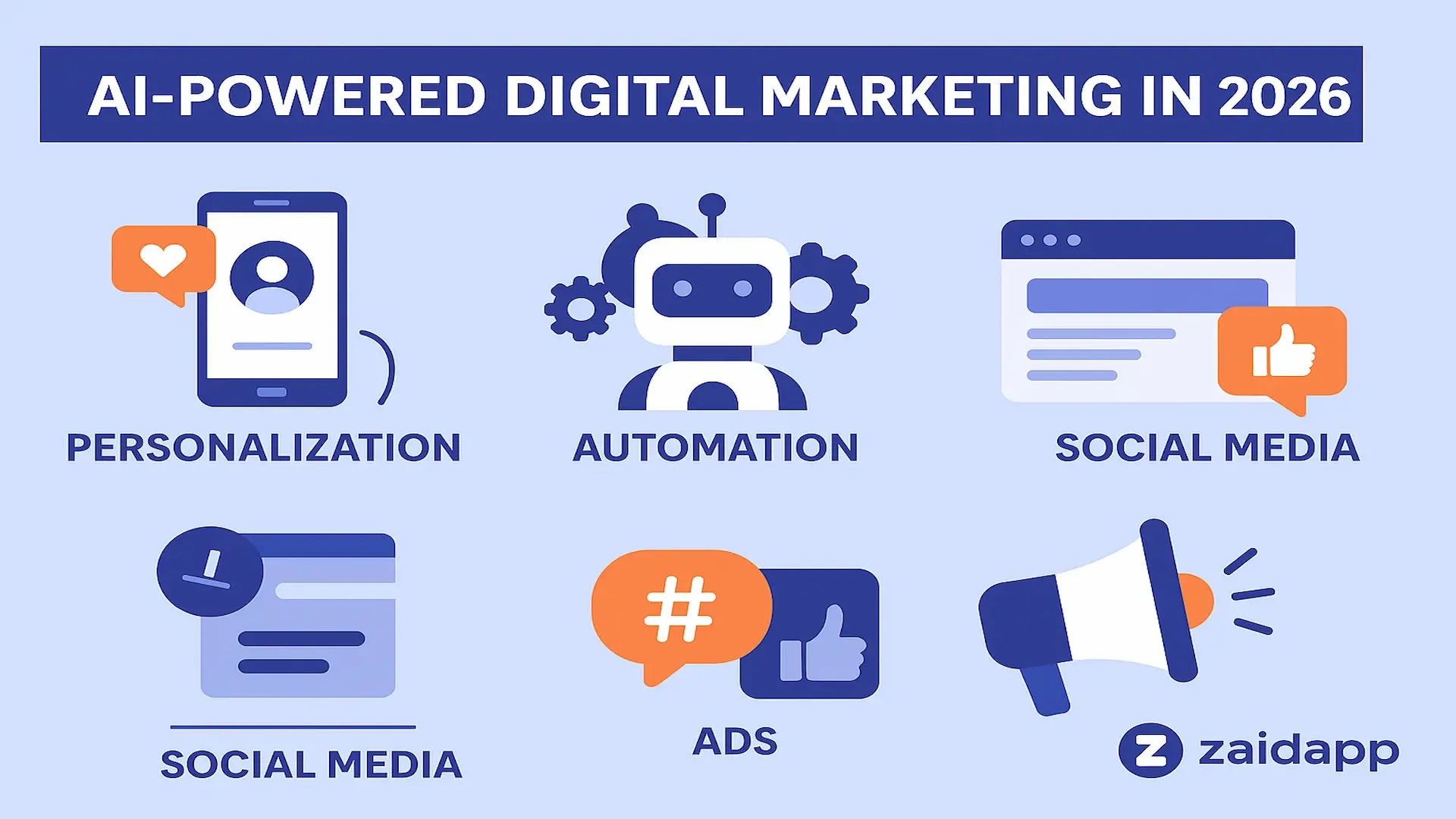
A key trend driving the future of digital marketing in India is the growing adoption of AI and automation. Today’s marketers are increasingly relying on AI-powered tools for everything from data analysis and customer segmentation to content generation and ad targeting. Tools like ChatGPT and Google’s AI integrations are enabling faster campaign planning and smarter customer interactions. Automation allows brands to manage email marketing, social media, and customer support with greater efficiency, offering real-time responses and highly personalized content. As competition grows, brands that embrace AI will gain a major edge in delivering relevant experiences at scale.
Another game-changing trend is the explosive growth of short-form video content. Platforms such as Instagram Reels, YouTube Shorts, and Moj are transforming the way brands engage with audiences, particularly the younger generation. Video is not only more engaging, but also highly shareable, making it an essential part of any content strategy. In parallel, influencer marketing—especially micro and nano influencers—is gaining traction for its authenticity and local appeal. Indian consumers are showing greater trust in creators who reflect their lifestyle, language, and values, making influencer-led campaigns highly effective across regions and cultures.
Lastly, voice search and vernacular marketing are creating new opportunities for brands to connect with India’s diverse population. With the rise of voice assistants like Alexa, Google Assistant, and regional language support across major platforms, users are increasingly searching for content and products in their native language. This shift is encouraging brands to invest in regional content creation, multilingual websites, and hyperlocal targeting. In addition, emerging technologies like Augmented Reality (AR) and Virtual Reality (VR) are paving the way for immersive brand experiences. Whether it’s virtual product trials or interactive shopping environments, digital marketing in India is moving toward a more engaging, inclusive, and tech-forward future.

Role of New Technologies in the Future of Digital Marketing
New technologies are reshaping Digital Marketing in India, helping brands engage audiences more effectively. AI and ML enable personalized content, automation, and predictive analytics, while chatbots provide 24/7 support.
AR and VR create immersive experiences in Digital Marketing in India, increasing engagement and trust. Blockchain and programmatic advertising improve transparency and precision, making campaigns more effective.
By leveraging these innovations, brands can deliver personalized, interactive, and trustworthy experiences, strengthening connections in Digital Marketing in India and staying competitive in a rapidly evolving market.
Challenges for Digital Marketers in India
While digital marketing in India is expanding rapidly, it still faces several challenges. One of the most critical issues is the growing emphasis on data privacy and the need for ethical marketing practices. With consumers becoming more aware of how their personal data is collected and used, and with stricter privacy regulations on the horizon, brands must tread carefully.
Transparency, consent, and responsible data usage are no longer optional—they are expected. Failure to comply with emerging privacy standards can not only lead to legal issues but also erode consumer trust. At the same time, marketers face the ongoing threat of ad fraud and bot traffic, which leads to wasted ad spend and misleading campaign metrics. Detecting and preventing fraudulent clicks, fake impressions, and non-human interactions remains a significant hurdle, especially for small to mid-sized businesses with limited resources.
Another major challenge is bridging the urban-rural digital divide. While Tier 2 and Tier 3 cities are seeing strong growth in internet usage, many rural areas still face issues related to connectivity, digital literacy, and access to reliable devices. Crafting campaigns that are inclusive and accessible requires marketers to consider regional nuances, language preferences, and platform accessibility. Lastly, keeping pace with the ever-changing algorithms and policies of platforms like Google, Meta (Facebook/Instagram), and YouTube can be overwhelming. Frequent updates can impact ad visibility, organic reach, and SEO performance overnight. For digital marketers in India, success will depend on their ability to remain agile, data-conscious, and culturally relevant in a constantly evolving environment.
Opportunities Ahead
The future of digital marketing in India is brimming with exciting opportunities, especially as consumer behavior and technology continue to evolve. One of the most promising areas is the rapid growth of e-commerce and Direct-to-Consumer (D2C) brands, which are bypassing traditional retail models to connect directly with customers online. With platforms like Shopify, Amazon, and social commerce tools, even small businesses can now build scalable online operations and market their products across India.
This shift is creating immense space for digital marketers to help these brands build awareness, generate leads, and drive conversions through targeted strategies. Another major opportunity lies in the rise of content marketing and regional influencers. As more users from Tier 2 and Tier 3 cities come online, the demand for localized content in regional languages has skyrocketed. Micro and nano influencers who create relatable, community-driven content are becoming powerful voices for brands looking to engage with specific audience segments.
Additionally, there is a growing demand for digital skills and freelance marketers, especially among startups and regional businesses that prefer flexible and cost-effective marketing support. This opens doors for professionals with expertise in SEO, paid ads, social media, email marketing, and content strategy. Finally, as environmental consciousness grows among consumers, brands are exploring green and sustainable marketing approaches. From eco-friendly packaging to promoting socially responsible values, marketing with a purpose is gaining traction. For digital marketers in India, the road ahead is full of potential—as long as they stay informed, agile, and aligned with the values of the modern Indian consumer.

Conclusion & Final Thoughts
Digital marketing in India is experiencing unprecedented growth as the country undergoes a revolutionary digital transformation. With over 900 million internet users, affordable smartphones, and low-cost data plans, more people are spending time online across social media, e-commerce, digital education, and banking platforms. Government initiatives like Digital India and platforms such as UPI have strengthened digital infrastructure, allowing businesses to implement digital marketing in India strategies that reach diverse audiences effectively.
The rapid rise of internet adoption in Tier 2 and Tier 3 cities is reshaping digital marketing in India, opening untapped markets and driving regional engagement. Brands are leveraging localized content, regional languages, and influencer collaborations to connect with audiences in smaller cities and towns. By adopting digital marketing in India approaches tailored to these markets, businesses can expand their reach, improve customer engagement, and increase conversions across a rapidly growing online population.
As connectivity and digital literacy continue to improve, digital marketing in India offers marketers endless opportunities to innovate, personalize campaigns, and build stronger relationships with consumers. Mobile-first strategies, social media campaigns, email marketing, and regional content creation are becoming critical components of digital marketing in India. Businesses embracing these strategies can not only boost visibility and engagement but also strengthen brand loyalty and create a lasting impact in India’s competitive digital landscape.


Leave A Comment