

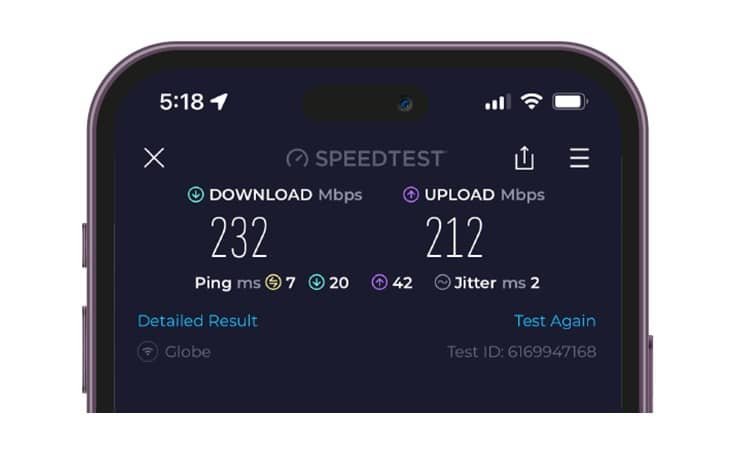
In the digital age, everything from remote work and online learning to streaming entertainment and gaming hinges on one critical factor—internet speed tests. Whether you’re a casual browser or a tech-savvy power user, knowing how fast your internet connection is can make a world of difference in your online experience.This is the point at which an internet speed test becomes relevant.
But what exactly is an internet speed test? Why should you care about it? And how can you ensure the results you get are accurate and meaningful? In this blog post, we’ll explore these questions in detail and offer practical insights into how to make the most of your internet connection.
Table of Contents
1.What Is an Internet Speed Tests?

internet speed tests
An Internet speed tests test serves as a diagnostic instrument that evaluates the efficiency of your internet connection.
1.Download internet speed: How fast your device can pull data from the internet (e.g., streaming videos, downloading files).
2.Upload Speed refers to the rate at which your device can transmit data to the internet, such as during video conferencing or when sending emails with attachments.
3.Ping (Latency): The duration required for a signal to journey from your device to a server and return. Lower ping indicates faster responsiveness.
4.Jitter: The variation in latency over time. A low jitter score ensures more stable connections, especially important for online gaming and video calls.
These metrics give you a comprehensive snapshot of your internet’s performance, helping you understand how well your connection supports different online activities.
2.Why Internet Speed Testing Is Important
Whether you’re working from home, streaming 4K content, or managing a smart home system, internet performance is essential. Here’s why conducting speed tests regularly can be a game-changer:
1. Diagnose Connection Issues
Are your video calls lagging? Is YouTube buffering constantly? Running a internet speed test can help you determine whether the problem lies with your internet service or something else, like your device or router.
2. Verify ISP Performance
Internet speed test Service Providers (ISPs) often advertise certain internet speed test in their plans. A speed test allows you to confirm whether you’re actually getting the bandwidth you’re paying for. If not, it’s time to contact customer service or consider switching providers.
3. Optimize Network Performance
Sometimes, poor internet performance is due to hardware issues, signal interference, or too many connected devices. A speed test can pinpoint issues and guide your troubleshooting process.
4. Plan Upgrades Wisely
Prior to enhancing your internet plan or acquiring a new router, it is essential to comprehend your existing internet capabilities.internet Speed tests provide data that can inform smarter, cost-effective decisions.
3.How Internet Speed Tests Work
Most online speed tests function by selecting the nearest server to your location and then transferring a file between your device and the server. The test calculates how long the transfer tak data to determine:
- Download speed (Mbps)
- Upload speed (Mbps)
- Ping (ms)
- Jitter (ms)
Popular speed test tools include:
- Ookla Speedtest
- Fast.com (by Netflix)
- Google Speed Test
- SpeedOf.Me
Each has its own methodology and server network, so running multiple tests from different platforms can give you a more complete picture.
4.What Are Good Internet Speed tests?
The answer depends on your online activities. Here’s a quick breakdown:
| Activity | Recommended Speed |
| Basic browsing & email | 1–5 Mbps |
| HD video streaming | 5–10 Mbps |
| 4K video streaming | 25 Mbps+ |
| Online gaming | 15–25 Mbps + low latency |
| Video conferencing (Zoom, Teams) | 2–5 Mbps upload/download |
| Remote work w/ cloud tools | 10–20 Mbps |
If multiple users are connected at the same time, you’ll need more bandwidth to keep things running smoothly.
5.How to Get Accurate internet Speed Test Results
Although internet speed tests offer important information, several elements can influence their accuracy.To ensure reliable results, follow these tips:
1. Use a Wired Connection
While Wi-Fi offers convenience, it is frequently less reliable than a wired Ethernet connection. For optimal accuracy in speed test results, it is recommended to connect your device directly to the router using an Ethernet cable.
2. Close Background Apps
Make sure no other applications are using your internet bandwidth. Pause downloads, stop streaming, and close unnecessary browser tabs.
3. Test at Different Times
Internet speed test performance can vary depending on network congestion. Run tests at different times of the day to get a complete view of your connection’s consistency.
4. Restart Your Modem and Router
Rebooting your equipment clears temporary issues and can improve connection quality before testing.
5. Test on Multiple Devices
Different devices may produce different results due to hardware limitations. Run tests on your phone, laptop, and desktop for comparison.
5.Common Causes of Slow Internet Speed tests
If your internet speed test is consistently below expectations, several factors might be to blame:
1. Network Congestion
If multiple people in your household are streaming or gaming at the same time, your bandwidth can be stretched thin.
2. Outdated Equipment
Old routers or modems may not support high-speed internet. Upgrade to a modern device compatible with your ISP’s service.
3. Wi-Fi Signal Interference
Physical obstructions, other electronic devices, and even your home’s construction materials can interfere with Wi-Fi signals.
4. Malware or Background Processes
Viruses or background apps can consume bandwidth without your knowledge. Keep your devices clean and optimized.
5. ISP Throttling
Certain Internet speed test Service Providers (ISPs) may reduce your connection speed during peak usage times or once you reach your data limit.Check your plan’s fine print.
6.How Often Should You Run a Speed Tests?
There’s no hard rule, but here are some recommended times to run a test:
- When installing new internet speed test service
- After changing your plan
- If you’re experiencing buffering, lag, or slow downloads
- Before an important video call or livestream
- Periodically (e.g., once a month) to monitor performance
Creating a log of your results can help you detect patterns and address issues proactively.
7.Tools and Apps for Monitoring Internet Speed tests
Beyond occasional testing, there are tools that allow you to monitor your internet speed test continuously. Some of the most reliable options include:
- Speedtest by Ookla (mobile & desktop apps)
- GlassWire (for tracking data usage and speeds)
- NetSpot (for Wi-Fi analysis)
- Router admin tools (many modern routers have built-in speed tracking)
These apps can alert you to sudden drops in speed or unusual data consumption, helping you stay in control of your connection.
8.Advanced Troubleshooting for Slow Internet
If your internet speed test results are consistently below expectations, it’s time to go beyond the basics. Here are some advanced troubleshooting techniques:
1. Change Your DNS Server
Your Internet speed test Service Provider (ISP) assigns you a default DNS (Domain Name System) server. Switching to a faster third-party DNS like Google DNS (8.8.8.8) or Cloudflare (1.1.1.1) can result in faster domain name resolution, which speeds up how quickly websites load.
2. Adjust Quality of Service (QoS) Settings
Numerous contemporary routers enable the configuration of Quality of Service (QoS) regulations. These let you prioritize bandwidth for specific devices or applications (like Zoom or online games), ensuring a smoother experience even when the network is busy.
3. Update Firmware
Similar to your smartphone or computer, routers also undergo updates that can resolve issues and enhance functionality. Please verify the firmware updates in your router’s administration panel.
4. Replace Network Cables
Faulty or outdated Ethernet cables (Cat 5 vs. Cat 6 or Cat 7) can limit speed. Use high-quality cables that support gigabit speeds to get the most from your internet plan.
9.Internet Speed test for Smart Homes
As smart homes become more popular, the demand for stable, high-speed internet has never been greater. Devices like smart thermostats, security cameras, voice assistants, and even refrigerators now rely on your Wi-Fi network.
Here’s what you need to know:
- Bandwidth Allocation: Each smart device uses a small amount of bandwidth, but dozens of them together can impact performance.
- Wi-Fi Mesh Systems: If you live in a larger home or experience dead zones, a mesh Wi-Fi system is ideal for spreading consistent internet coverage throughout your home.
- 2.4GHz vs. 5GHz: Use 2.4GHz for longer range (for devices like outdoor cameras) and 5GHz for faster speeds (for phones, laptops, and smart TVs).
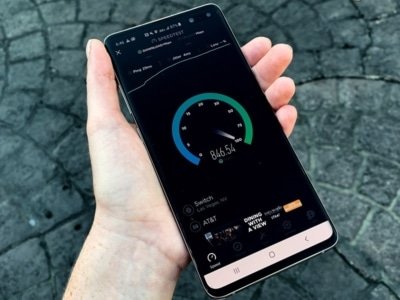
10.Mobile Internet Speed Testing
Internet speed tests
Testing your mobile internet speed test is just as important as testing your home broadband, especially if you’re relying on 4G,
5G, or mobile hotspots.
Key Considerations for Mobile Speed Tests:
- Signal Strength: Your speed can vary greatly based on your distance from the cell tower.
- Network Type: 5G is faster than 4G LTE, but it may have shorter range depending on your carrier and region.
- Roaming and Throttling: Some carriers reduce your speed after a data cap is reached or when you roam outside your main service area.
11.Final Thoughts
In a world where so much of life happens online, knowing your internet speed is not just a luxury—it’s a necessity. Running a regular internet speed tests empowers you to:- Understand your connection quality
- Hold your ISP accountable
- Optimize your network setup
- Make informed upgrade decisions
Use apps like Speedtest by Ookla, Fast.com, or your carrier’s official app to test your mobile speeds accurately. contact me







Leave A Comment