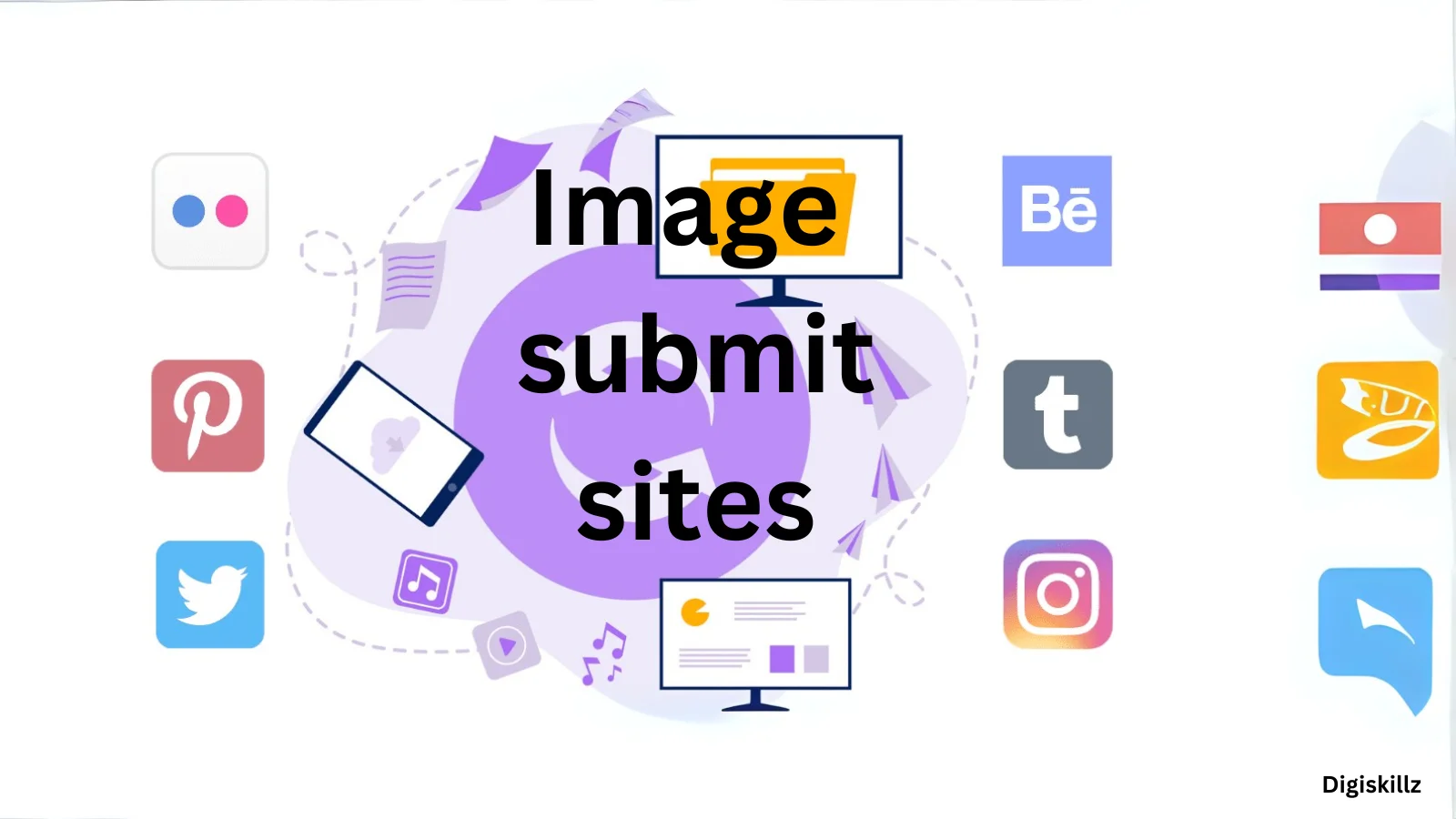
In today’s digital era, images play a crucial role in capturing attention, increasing engagement, and improving SEO rankings. One effective way to leverage visuals is through image submission sites. These platforms allow users to upload and share images for various purposes, including portfolio showcasing, marketing, SEO, and stock photo selling. In this blog, we’ll explore the best image submission sites and how they can benefit your brand.
What Are Image Submission Sites?

Image submission sites are online platforms where users can upload and share images. These websites serve different purposes such as:
Image submission sites are online platforms where users can upload and share images to improve visibility and reach across the internet. These platforms help in showcasing visual content, driving referral traffic, and building brand awareness through creative visuals. Using Image Submission Sites strategically also supports SEO efforts by generating backlinks and increasing online presence.
- Enhancing brand visibility
- Driving traffic to your website
- Improving search engine rankings
- Showcasing creative work
- Selling stock photos
Using high-quality images with proper optimization (alt text, captions, and keywords) can significantly improve your online reach.
Top Free Image Submission Sites
Here are some of the best free image submission sites where you can upload and share your images:
Top free image submission sites provide an easy way to share visual content and increase online visibility without any cost. These platforms help attract targeted traffic, improve brand exposure, and support SEO through image-based backlinks. Using Top Free Image Submission Sites effectively allows businesses and marketers to promote their content, showcase creativity, and strengthen their digital presence.
1. Flickr
Flickr is a well-known platform that allows photographers and businesses to share high-quality images with a vast audience.
2. Imgur
Popular for viral image sharing, memes, and quick image hosting with easy embedding options.
3. Pinterest
Pinterest is a visual discovery platform ideal for marketing and driving website traffic through pinned images
4. Unsplash
A free stock image site with high-quality photos that can be used for both personal and commercial purposes.
5. Pexels
Another great platform offering free stock images and videos to enhance content marketing.
6. Pixabay
Hosts thousands of royalty-free images, vectors, and videos for creative use.
7. Media Fire
MediaFire is an online cloud storage and file-sharing platform that lets users upload, store, and share files It offers both free and premium plans, with features such as direct download links, file versioning, and bulk uploads
8. SmugMug
A premium online photo and video hosting platform designed for photographers, businesses, and creatives to store, share, and sell their work. It offers customizable galleries, unlimited storage, and robust privacy controls, image submission sites.
Best image Submission Sites for SEO
SEO-friendly image submission sites can help improve search engine rankings. These platforms allow backlinks, keyword optimization, and increased traffic:
1. Google Photos
Useful for storing and sharing high-resolution images with proper meta descriptions.
2. Tumblr
A microblogging platform where you can share images and gain backlinks to your website.
3. Instagram
A social media giant for sharing high-quality visuals, increasing engagement, and promoting brand identity.
4. DeviantArt
Ideal for artists and designers to showcase creative works and gain exposure.
Paid image Submission Sites for Selling Stock Photos
If you’re a photographer or designer looking to monetize your images, here are some of the best paid image submission sites:
Paid image submission sites allow photographers and designers to sell their stock photos and earn revenue from their creative work. These platforms offer better exposure, licensing options, and monetization opportunities for high-quality visuals. Using Paid image Submission Sites for Selling Stock Photos helps creators reach global buyers, build a professional portfolio, and generate consistent income from their images.
1. Shutterstock
A leading platform for selling high-quality stock images to businesses and creatives.
2. Adobe Stock
Allows contributors to sell images, vectors, and graphics to a large global market.
3. iStock
A premium image submission site that offers high-quality paid photos and illustrations.
How to Optimize images for Submission?
Optimizing images for submission is important to ensure better approval rates and higher visibility across platforms. This includes using high-resolution images, proper file formats, correct dimensions, relevant titles, and keyword-rich descriptions. Following best practices for How to Optimize Images for Submission helps improve image quality, searchability, and overall performance on image submission sites.
1. Understand Submission Requirements
Understanding submission requirements is essential before uploading images to any platform. Each site has specific guidelines related to image size, format, quality, metadata, and content policies. Carefully following Understand Submission Requirements helps avoid rejections, ensures faster approvals, and improves overall success on image submission sites.
- Check file format (JPEG, PNG, WebP, TIFF, etc.).
- Follow size restrictions (e.g., max file size in MB or dimensions in pixels).
- Ensure the resolution is sufficient (usually 72 DPI for web, 300 DPI for print).
- Verify any color profile requirements (RGB for web, CMYK for print).
2. Choose the Right File Format
Choosing the right file format plays a key role in maintaining image quality and meeting platform standards. Common formats like JPEG, PNG, and TIFF are widely accepted, depending on the purpose and submission guidelines. Selecting the correct format as part of Choose the Right File Format ensures better clarity, faster uploads, and higher acceptance rates on image submission sites.
- JPEG – Best for photographs (balance between quality and file size).
- PNG – Ideal for graphics that require transparency or contain text
- WebP – Modern format offering better compression.
- TIFF – High quality, often used in print.
3. Resize and Compress Images
Resizing and compressing images helps balance quality and file size for smooth uploads and faster loading. Proper dimensions ensure images meet platform requirements, while compression reduces file size without losing visual clarity. Following best practices for Resize and Compress Images improves approval chances, enhances user experience, and supports better performance on image submission sites.
- Resize to required dimensions (e.g., 1080x1080px for Instagram).
- Use lossless compression for best quality (e.g., TinyPNG, Squoosh).
- Apply progressive loading for better performance on the web.
4. Optimize Image Name and Metadata
Optimizing image names and metadata improves discoverability and search visibility across platforms. Using clear, descriptive file names along with relevant titles, tags, and alt text helps search engines and users understand the image content. Applying best practices for Optimize Image Name and Metadata increases indexing potential, boosts SEO value, and enhances overall performance on image submission sites.
- Use descriptive filenames (e.g., “digital-marketing-strategy.jpg”).
- Remove unnecessary EXIF data (e.g., camera details, GPS location).
5. Check Image Sharpness and Clarity
Checking image sharpness and clarity ensures that visuals look professional and meet quality standards before submission. Clear, well-focused images with proper lighting and minimal noise are more likely to be approved and attract viewer attention. Following the guideline of Check Image Sharpness and Clarity helps improve acceptance rates, enhance visual appeal, and deliver better results on image submission platforms.
- Avoid pixelation by scaling down rather than up.
- Use sharpening tools if necessary (e.g., Photoshop’s Smart Sharpen).
6. Convert to the Required Color Profile
Converting images to the required color profile is important to maintain accurate colors across different platforms and devices. Most image submission sites prefer standard profiles like sRGB to ensure consistent display quality. Following the step Convert to the Required Color Profile helps avoid color distortion, improves compatibility, and increases the chances of image approval.
- RGB for digital/web.
- CMYK for print.
7. Test Before image submission sites
Testing images before uploading to image submission sites helps identify and fix issues related to quality, size, format, and metadata. Previewing images on different devices and checking platform guidelines ensures they meet all requirements. Following the practice Test Before Image Submission Sites reduces rejection chances, saves time, and improves overall submission success.
- Open and review the image on different devices.
- Ensure no distortion or color shifts occur.
Conclusion
Image submission sites are powerful tools to enhance online visibility, improve SEO, and drive engagement across multiple digital platforms. Whether you’re a photographer showcasing creative work, a marketer promoting campaigns, or a business owner building brand awareness, these platforms help reach a wider and more targeted audience. By consistently uploading high-quality, optimized visuals, you can generate backlinks, attract referral traffic, and strengthen your overall digital presence. Leveraging Image Submission Sites effectively supports long-term growth, improves search rankings, and helps your brand stand out in a competitive online space.
Author: Helbin
Learner of DigiSkillz, Digital Marketing Course in Kochi.