
Meta Ads Guide is your complete roadmap to understanding how businesses use Facebook and Instagram advertising to reach the right audience and drive real results. In today’s competitive digital landscape, Meta Ads have become one of the most powerful tools for increasing brand awareness, generating leads, and boosting online sales. With advanced targeting options, flexible budgets, and multiple ad formats, even beginners and small businesses can compete effectively online. In this guide, you’ll learn what Meta Ads are, how they work, and how to create high-performing campaigns that deliver measurable growth and return on investment.
Meta Ads, formerly referred to as Facebook Ads, constitute a segment of Meta’s robust advertising platform, which encompasses Facebook, Instagram, Messenger, and the Audience Network.. For businesses looking to reach a vast, highly targeted audience, Meta Ads offer unmatched reach and robust targeting capabilities.

Freelance digital marketer in nilambur
In this blog post, we’ll explore everything you need to know about Meta Ads – Medium, including what they are, how they work, the different types, how to set them up, and how to manage them effectively for optimal return on investment.
Table of Contents
What Are Meta Ads?
Meta Ads refer to paid advertisements run through Meta Platforms, which include:
- Messenger
- Audience Network
Meta Ads allow advertisers to display promotional content to users based on their interests, behaviors, demographics, and online activity. These ads appear in various placements like feeds, stories, reels, and sidebar panels.
Why Meta Ads Matter in Digital Marketing
Meta is the parent company of Facebook and Instagram, which collectively have over 4 billion active users. That makes Meta Ads one of the most effective advertising tools for:
- Brand awareness
- Lead generation
- E-commerce sales
- App installs
- Video views
Benefits of Meta Ads:
- Laser-accurate targeting
- Diverse ad formats
- Affordable CPCs (Cost Per Click)
- Real-time insights and reporting
- Great for B2C and B2B brands alike
- How Meta Ads Work
- Meta Ads operate on an auction system. When you set up an ad, you compete with other advertisers targeting the same audience. Meta subsequently decides which advertisement to display based on:
- Bid amount
- Estimated action rates
- Ad relevance and quality
The better your ad performs, the more likely it is to win auctions at lower costs.
Meta Ads Platform Overview
Meta offers two main platforms to manage your ads:
- Meta Ads Manager
A comprehensive dashboard to:
Create and manage ads
Set up audience targeting
Monitor ad performance
Adjust budgets and bids
- Meta Business Suite
A tool to:
Manage Facebook Pages and Instagram accounts
Schedule posts
Respond to messages
Access Ads Manager from one place
Types of Meta Ads

Meta offers a wide variety of ad formats to suit every business type and goal:
1. Image Ads
Simple yet effective – show off your product with a single image.
2. Video Ads
Tell a story through motion – perfect for demonstrating how your product works.
3. Carousel Ads
Showcase multiple images or products in one ad. Ideal for e-commerce.
4. Slideshow Ads
Lightweight videos made from still images – great for low-bandwidth audiences.
5. Collection Ads
Let users browse a mini-catalog and purchase directly from the ad.
6. Instant Experience (Canvas Ads)
A fullscreen mobile experience that loads instantly.
7. Story Ads
Display vertical ads on Instagram/Facebook Stories.
8. Reels Ads
Reach younger audiences via immersive, short-form video content.
Meta Ads Campaign Structure
Understanding the hierarchy of Meta Ads is key:
- Campaign Level: Define your objective (traffic, leads, sales).
- Ad Set Level: Set your audience, budget, schedule, and placement.
- Ad Level: Create your ad creative – image, text, video, CTA, etc.
Step-by-Step: How to Create Meta Ads
Step 1: Go to Meta Ads Manager
Access Ads Manager from your Business Suite or directly via https://adsmanager.facebook.com
Step 2: Choose Your Objective
Options include:
- Brand Awareness
- Reach
- Traffic
- Engagement
- Leads
- Conversions
- App Installs
- Sales
Step 3: Define Your Audience
Use custom or saved audiences based on:
- Location
- Age
- Gender
- Interests
- Behaviors
- Website visits (via Pixel)
- Customer lists
Step 4: Set Your Budget & Schedule
Choose:
- Daily or lifetime budget
- Start and end date
- Bidding strategy (lowest cost, cost cap, etc.)
Step 5: Create Your Ad
Upload visuals, write compelling copy, choose a CTA, and set your URL.
Step 6: Review & Publish
Preview your ad across different placements, then publish.
Key Features of Meta Ads Manager
- A/B Testing (Experiments): Test different ad variations.
- Audience Insights: Learn more about your users.
- Conversion Tracking: Track actions via the Meta Pixel.
- Reporting Dashboard: Visualize performance data.
- Custom Metrics & Breakdown: Analyze performance by age, device, location, etc.
Audience Targeting Options
Meta Ads’ true power lies in its targeting. Options include:
- Core Audiences
Based on demographics, interests, and behavior.
- Custom Audiences
From website visitors, app users, or email subscribers.
- Lookalike Audiences
Reach people similar to your existing customers.
- Retargeting Audiences
Show advertisements to people who have interacted with your brand in the past.
Meta Ads Budget & Bidding Strategies
Manual Bidding: You establish a maximum bid for each conversion or click.
Automatic Bidding: Meta optimizes for lowest cost per result.
Cost Cap: Control your average cost per action.
Bid Cap: Establish a definitive maximum threshold for bidding.
Minimum ROAS: Aim for a defined return on advertising expenditure.
Best Practices for Meta Advertising
- Use high-quality creatives – Blurry or dull images won’t convert.
- Test multiple ad formats – Carousel, video, reels, etc.
- Always use a Meta Pixel – For tracking and retargeting.
- Keep your messaging consistent – Between ad and landing page.
- Use CTA buttons wisely – “Shop Now,” “Learn More,” or “Sign Up.”
- Monitor frequency – Avoid ad fatigue.
- Leverage lookalike audiences – Reach new potential customers.
- Schedule ads strategically – Show at high-converting times.
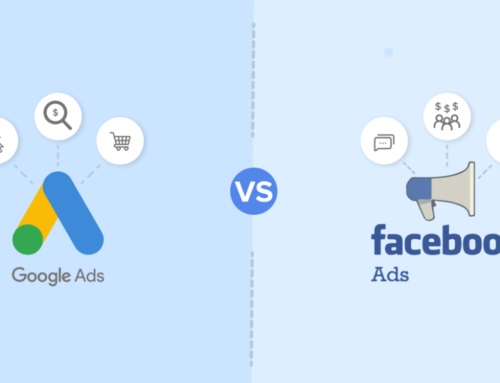
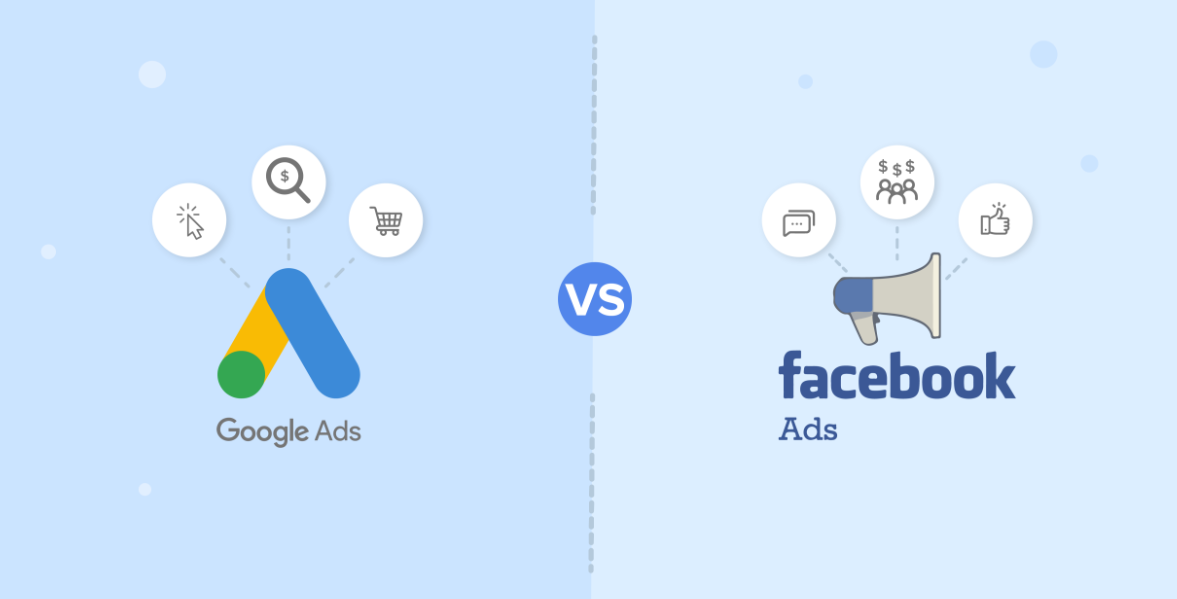
Meta Ads vs Google Ads: Key Differences
| Feature | Meta Ads | Google Ads |
| Platform | Facebook, Instagram | Google Search, YouTube, Display |
| Targeting | Interest & behavior | Keyword-based |
| Ad Format | Visual & social | Text & intent-driven |
| Funnel Stage | Mid/Top (discovery) | Bottom (purchase intent) |
| Cost | Often lower CPC | Usually higher CPC |
Both platforms are powerful. Meta is great for brand awareness and retargeting, while Google shines in capturing search intent.
Common Mistakes to Avoid in Meta Advertising
Ignoring the Meta Pixel
Using poor visuals or video
Skipping A/B testing
Broad targeting with no segmentation
Inconsistent ad frequency
Ignoring mobile optimization
Sending traffic to a slow or broken website
Common Mistakes to Avoid in Meta Advertising
Ignoring the Meta Pixel
Using poor visuals or video
Skipping A/B testing
Broad targeting with no segmentation
Inconsistent ad frequency
Ignoring mobile optimization
Sending traffic to a slow or broken website
How to Measure Meta Ads Performance
Key Performance Indicators (KPIs):
CTR (Click-Through Rate): Measures how compelling your ad is.
CPC (Cost per Click): The amount you pay per click.
CPA (Cost per Acquisition): Cost to get a lead/sale.
ROAS (Return on Ad Spend): Revenue vs. ad spend.
Impressions & Reach: The number of individuals who viewed your advertisement.
Frequency: How often users saw your ad.
Engagement Rate: Likes, comments, shares, saves.
Use Meta Ads Manager and tools like Google Analytics or third-party dashboards for complete performance visibility.
Advanced Meta Ads Strategies for Better Results
If you’re already running Meta Ads and want to scale performance, here are advanced tactics to take your campaign to the next level:
1. Dynamic Creative Optimization (DCO)
With DCO, Meta automatically tests different combinations of headlines, descriptions, images, and calls-to-action to find the best-performing combo.
Why it works:
- Saves time on manual testing
- Increases conversion rate
- Automatically optimizes ad performance
Facebook Conversion API
This is the next-generation tracking solution that works alongside or instead of the Meta Pixel. It allows you to send web and offline events directly to Meta’s servers, improving data reliability post-iOS 14 privacy updates.
Benefit: More accurate attribution, especially in a privacy-focused landscape.
Retargeting Funnel Strategy
Break your audience into 3 stages:
- Cold traffic – New users (awareness content)
- Warm traffic – Engaged users (education or value-based content)
- Hot traffic – Website visitors, cart abandoners (strong call to action)
Example: Show a video ad first, then retarget viewers with a lead magnet or offer.
Instagram Reels Ads for Brand Visibility
Instagram Reels is currently Meta’s fastest-growing format. Use Reels Ads to reach younger, mobile-first audiences with vertical, entertaining content.
Pro Tip: Use trending audio, subtitles, and eye-catching visuals in the first 3 seconds.
Meta Ads for Different Industries
- E-commerce:
Use dynamic product ads (DPA)
Retarget cart abandoners with discount codes
Upsell using carousel ads
- Real Estate:
Highlight properties with video walkthroughs
Retarget website visitors based on listings they viewed
Use “Send Message” CTAs to start conversations
- Education & Coaching:
Promote lead magnets (ebooks, webinars)
Run lookalike campaigns of enrolled students
Test “Apply Now” and “Learn More” CTAs
- Health & Wellness:
Focus on value and social proof (testimonials, before/after)
Use story ads for more intimacy
Follow platform guidelines strictly to avoid disapprovals
- Restaurants & Local Services:
Promote limited-time offers
Use geo-targeting to reach people nearby
Include call or map CTA buttons
Frequently Asked Questions About Meta Ads
Q1: Are Meta Ads only for Facebook and Instagram?
No. Meta Ads can also run across Messenger, Facebook Marketplace, Reels, and the Audience Network (a group of partner websites and apps).
Q2: What is the minimum budget for Meta Ads?
You can begin with a minimal investment of ₹100–₹300 daily. Even modest budgets can yield results if the targeting is precise.
Q3: Do Meta Ads work for B2B businesses?
Yes. While often seen as B2C-friendly, Meta Ads can work for B2B if you use niche targeting, custom audiences, and lead gen forms.
Q4: How long should I run a Meta ad?
Test each campaign for at least 7–10 days to gather enough data before making big changes.
Q5: Can I run Meta Ads without a Facebook Page?
No. You need at least a Facebook Page to run any type of Meta Ad, even if your goal is Instagram promotion.
Conclusion
Meta Ads – Medium is one of the most effective digital marketing channels available today. With precise targeting, varied ad formats, and billions of users, businesses of all sizes can drive real results—from visibility to conversions.
If you’re not yet using Meta Ads or managing them properly, you’re missing out on one of the best tools for business growth.
Ready to Start Advertising on Facebook & Instagram?
Regardless of whether you operate a small business or are developing a larger brand, we are here to assist you:
Set up Meta Ads campaigns that convert
Optimize targeting, creatives, and budgets
Author : Anshif .T
For more Blogs : Visit
Learner of Digiskillzz, Digital Marketing Institute in Kochi.






Leave A Comment