

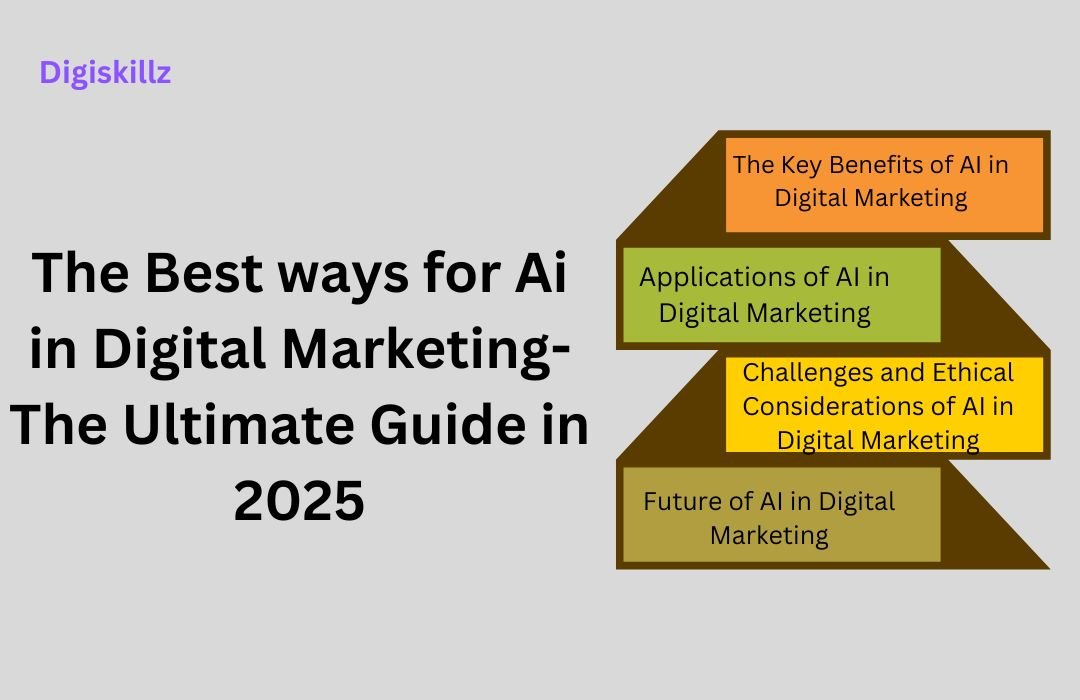
In today’s competitive digital landscape, leveraging cutting-edge technology is essential for brands to thrive. Artificial Intelligence (AI) has emerged as a transformative force, reshaping how digital marketing functions, making it more efficient, targeted, and predictive. From personalized user experiences to automated customer service, AI opens new avenues for engaging consumers, driving brand loyalty, and increasing conversions. This article will explore how AI is revolutionizing digital marketing, diving into its applications, benefits, real-world case studies, and future potential.
Table of Contents
What is AI in Digital Marketing?
Artificial Intelligence refers to the capability of machines to simulate human intelligence, performing tasks like data processing, pattern recognition, and decision-making at a speed and scale humans cannot match. In digital marketing, AI-powered tools use machine learning, natural language processing (NLP), and data analytics to understand consumer behavior, forecast trends, and create more personalized marketing strategies.
AI in digital marketing isn’t about replacing human marketers; rather, it enhances their abilities by automating routine tasks and providing deeper insights. Marketers can use AI to make data-driven decisions, optimize campaigns, and improve their ROI.
The Key Benefits of AI in Digital Marketing
1. Enhanced Personalization
AI enables hyper-personalization, which has become a critical factor in effective marketing. By analyzing individual user behavior, purchase history, and preferences, AI allows marketers to deliver targeted content, recommendations, and offers. Here are some specific examples of personalization powered by AI:
Product Recommendations: AI algorithms can suggest products that align with the customer’s previous purchases or browsing history.
Dynamic Content: Email campaigns and website content can be tailored in real time to reflect each user’s interests.
User Segmentation: AI can automatically segment audiences based on complex datasets, helping marketers target specific groups with precision.
According to a study by Epsilon, 80% of consumers are more likely to purchase when brands offer personalized experiences. This highlights how AI-powered personalization drives conversions by addressing each customer’s unique needs.
2. Predictive Analytics for Better Decision-Making
One of AI’s most powerful applications is its ability to make accurate predictions based on historical data. Predictive analytics in marketing involves using data, algorithms, and machine learning to forecast future trends, behaviors, and outcomes. With predictive analytics, marketers can:
Identify Future Trends: By analyzing past consumer data, AI predicts upcoming trends, helping brands stay relevant.
Forecast Sales: AI models can forecast sales based on seasonal patterns, historical data, and current market trends.
Optimize Pricing Strategies: Dynamic pricing powered by AI adjusts product prices based on demand, competition, and other variables.
This allows brands to be proactive, enabling them to align their campaigns and strategies with consumer needs before trends fully emerge, giving them a competitive edge.
3. Improving Customer Experience
AI-powered tools have made it possible to offer 24/7 customer service through chatbots and virtual assistants, providing immediate support and improving customer satisfaction. Some of the ways AI enhances customer experience include:
AI Chatbots: These bots can handle multiple conversations simultaneously, providing instant answers to FAQs, assisting with purchase decisions, and resolving complaints.
Sentiment Analysis: AI can assess social media, reviews, and feedback to gauge customer sentiment, enabling brands to respond promptly to positive or negative comments.
Recommendation Engines: Based on user behavior, recommendation engines suggest products or content, making the customer’s journey smoother and more enjoyable.
By automating these tasks, AI frees up human resources for more complex interactions, enhancing overall efficiency and customer experience.
4. Content Creation and Optimization
Content creation can be time-consuming and resource-intensive, but AI has made it easier for brands to generate and optimize content efficiently. Here are some ways AI is used in content creation:
Automated Content Generation: AI tools can generate content like social media posts, product descriptions, and blog outlines. Tools like OpenAI’s GPT model allow marketers to produce quality content quickly.
Content Optimization: AI-powered SEO tools analyze search trends and suggest keywords, headings, and even content structure to enhance a blog’s visibility.
Voice Search Optimization: With the rise of voice assistants, AI ensures content is optimized for voice searches, catering to users who use devices like Amazon Alexa and Google Home.
This allows brands to create high-quality content at a faster pace, ensuring they keep up with the ever-increasing demand for fresh, relevant information.
5. Social Media Insights and Management
Social media platforms are a vital component of digital marketing strategies, and AI has improved social media management by offering insights and automating tasks. Here’s how AI impacts social media marketing:
Analyzing Engagement Patterns: AI tools analyze engagement data, allowing marketers to identify what type of content resonates with their audience.
Audience Insights: AI can determine the best times to post, preferred content formats, and user demographics.
Automated Social Media Posting: Tools like Hootsuite and Buffer use AI to schedule and optimize posts, ensuring a consistent presence on social media platforms.
With these tools, marketers gain valuable insights into consumer behavior and can adjust their strategies to maximize engagement.
Applications of AI in Digital Marketing
1. AI in Email Marketing
Email marketing remains a powerful tool for engagement and conversions. AI makes email marketing more efficient and personalized. AI applications in email marketing that include:
Subject Line Optimization: AI algorithms suggest subject lines that improve open rates based on previous performance.
Automated Segmentation: AI can analyze subscriber data to segment the audience and personalize content for each group.
Predicting Best Times to Send Emails: AI models determine when users are most likely to engage with emails, optimizing delivery times for maximum engagement.
For example, HubSpot and Mailchimp use AI to suggest optimal times to send emails and create customized templates, helping marketers achieve better results with minimal manual intervention.
2. AI in Paid Advertising and PPC
AI has also improved the effectiveness of paid advertising campaigns by optimizing ad placements, budgets, and content. Key AI-driven features in paid advertising include:
Programmatic Advertising: AI uses real-time data to decide when and where ads should appear, ensuring they reach the right audience at the right time.
A/B Testing Automation: AI can run multiple versions of an ad simultaneously, automatically selecting the best-performing version.
Ad Personalization: Based on user behavior, AI can personalize ads, increasing relevance and boosting conversions.
According to eMarketer, advertisers spent $45 billion on programmatic ads in 2020, highlighting the widespread adoption of AI-driven advertising.
3. AI in SEO and Content Optimization
SEO is another area where AI has made significant advancements, helping marketers improve visibility and ranking. AI applications in SEO include:
Keyword and Topic Suggestions: AI analyzes search patterns to suggest high-ranking keywords and topics.
SEO Content Optimization: AI tools assess content structure, readability, and relevance, offering suggestions for improvement.
Voice Search Optimization: With voice searches on the rise, AI helps optimize content to align with voice query formats.
AI tools like Rank Math, Clearscope, and MarketMuse provide actionable insights for SEO, helping marketers improve rankings and stay competitive.
4. AI in E-Commerce
For e-commerce platforms, AI offers features that improve the shopping experience and increase conversions. Key AI applications in e-commerce include:
Visual Search: AI origin search enables customers to search for products using images than text.
Product Recommendations: AI algorithms analyze user behavior to suggest products, increasing the likelihood of cross-sells and upsells.
Inventory Management: Predictive analytics help e-commerce businesses manage inventory efficiently by forecasting demand based on historical data.
Brands like Amazon and eBay use AI extensively to enhance the shopping experience, ensuring customers find products that match their needs quickly.
5. AI in Predictive Analysis for Trend Forecasting
Predictive analytics in marketing allows brands to anticipate future trends and adjust their strategies accordingly. AI can identify:
Consumer Behavior Shifts: By analyzing social media, search trends, and purchasing patterns, AI predicts changes in consumer preferences.
Product Demand Forecasting: Brands can prepare for peak demand periods by forecasting demand and adjusting production and supply chain processes.
Market Trend Predictions: AI tracks industry trends, enabling businesses to respond to market shifts faster than their competitors.
This level of foresight gives brands a competitive edge, helping them stay agile in a fast-changing marketplace.
Case Studies: AI in Action
1. Netflix and AI-Driven Content Recommendations
Netflix leverages AI to recommend movies and shows based on each user’s viewing habits. The AI algorithms analyze viewing history, time of viewing, and interactions to suggest content that keeps users engaged and subscribed. This has been critical to Netflix’s growth, contributing significantly to user retention and satisfaction.
2. Amazon’s Personalized Shopping Experience
Amazon’s AI algorithms suggest products based on browsing and purchase history. From “frequently bought together” to “customers who bought this also bought,” Amazon’s AI-driven product recommendations create a seamless and personalized shopping experience, boosting conversions.
3. Spotify’s Personalized Playlists
Spotify uses AI to curate playlists like “Discover Weekly” and “Release Radar” by analyzing user listening patterns. This personalization has led to higher user engagement and satisfaction, making Spotify a leader in music streaming.
4. Sephora’s Virtual Try-On Feature
Sephora’s AI-powered Virtual Artist feature allows customers to try on makeup products virtually. This tool uses augmented reality (AR) to simulate the experience of trying on products in-store, providing a unique, engaging experience that increases customer confidence and conversions.
5. Coca-Cola’s AI for Customer Sentiment Analysis
Coca-Cola uses AI-driven sentiment analysis to monitor social media and online feedback. By analyzing customer sentiment, Coca-Cola can respond to trends and consumer needs in real time, improving its brand reputation and customer engagement.
Challenges and Ethical Considerations of AI in Digital Marketing
While AI offers many advantages, it also presents challenges, particularly around ethics and data privacy. Here are some key considerations for ai in digital marketing:
1. Data Privacy and Security
AI relies on large datasets to function effectively, raising concerns about data privacy. Marketers must ensure they comply with data protection regulations like GDPR and CCPA to maintain user trust.
2. Potential for Bias
AI systems are only as good as the data they’re trained on. If AI models are trained on biased data, they may produce biased outcomes, affecting the fairness and inclusivity of marketing campaigns.
3. Maintaining a Human Touch
While AI can streamline many marketing processes, it’s essential not to lose the human touch. Customers appreciate personalized, authentic interactions, and an over-reliance on automation can make a brand seem impersonal.
4. High Implementation Costs
Implementation of AI solutions can be costly, particularly for small businesses. Marketers must weigh the potential ROI against the investment required for AI adoption.
Future of AI in Digital Marketing
AI in digital marketing is still evolving, with new applications and technologies emerging rapidly. Some future trends to watch include:
1. AI-Driven Content Creation
AI is expected to become more advanced in content creation, helping marketers create blog posts, ad copy, and even video scripts with minimal human input. This will allow for faster content production and greater scalability.
2. Advanced Voice and Visual Search
As voice and visual search become more popular, AI will play a crucial role in optimizing content for these formats, helping brands reach a broader audience.
3. Enhanced Personalization
Future AI advancements will allow for even deeper levels of personalization, with AI able to predict a customer’s needs before they even arise, creating highly personalized, proactive marketing strategies.
4. Integration of AR and VR in Marketing
AI will help drive AR and VR applications, providing immersive and interactive experiences for consumers. This could be a game-changer for e-commerce, enabling customers to experience products virtually before making a purchase.
Conclusion
The adoption of AI in digital marketing is no longer optional; it’s essential for brands that want to stay competitive and relevant. From enhancing personalization to improving decision-making and customer experience, AI enables marketers to connect with consumers more effectively than ever. While AI poses some challenges, its benefits far outweigh the potential downsides, making it an invaluable tool for modern ai in digital marketing.
AI is set to play an even more significant role in digital marketing in the coming years, offering unprecedented opportunities for brands to innovate and engage. For those ready to harness the full potential of AI, the future of digital marketing is bright, efficient, and deeply personalized.




Leave A Comment