

Social Media Marketing has become one of the most powerful tools for businesses looking to grow in the digital age. As billions of people spend a significant part of their daily lives on platforms like Instagram, Facebook, LinkedIn, YouTube, and TikTok, brands now have an unprecedented opportunity to connect directly with their target audience. Unlike traditional marketing methods, social media allows businesses to communicate in real time, build meaningful relationships, and create personalized experiences that influence purchasing decisions.
The way businesses connect with customers has changed dramatically in the digital era. Today, people discover brands, research products, and make purchasing decisions through social platforms. This transformation has made Social Media Marketing one of the most powerful tools for business growth.
Social media is no longer just a communication platform — it is now a complete marketing ecosystem where brands build trust, generate leads, and drive revenue.
Whether you are a startup, freelancer, or established company, understanding Social Media Marketing can help you create sustainable long-term success online.
Table of Contents
What is Social Media Marketing?

Social Media Marketing (SMM) is a digital marketing strategy that involves promoting products, services, or brands through social media platforms such as Facebook, Instagram, LinkedIn, X (Twitter), and YouTube. It focuses on creating valuable and engaging content, building meaningful relationships with audiences, running targeted advertising campaigns, and analyzing performance to achieve measurable business growth.
Through social media marketing, businesses can increase brand awareness, connect directly with their target audience, generate quality leads, and drive website traffic and sales. It combines creativity with data-driven strategies to ensure the right message reaches the right people at the right time.
Effective social media marketing includes content planning, visual design, copywriting, community management, paid advertising, influencer collaborations, and continuous performance tracking. By understanding audience behavior and platform algorithms, businesses can improve engagement, strengthen brand loyalty, and maintain a strong online presence in a competitive digital landscape.
Social media marketing is not just about posting content — it is about building trust, creating conversations, and turning followers into long-term customers through consistent and strategic communication. Social Media Marketing is the process of promoting products or services using social platforms through content creation, audience engagement, advertising campaigns, and performance analysis.
It involves:
- Creating valuable content
- Engaging with followers
- Running targeted advertisements
- Building online communities
- Tracking analytics for optimization
Unlike traditional marketing, social media allows real-time interaction between brands and customers.
Why Social Media Marketing is Important for Businesses
In today’s digital world, social media has become one of the most powerful tools for businesses to connect with their audience and grow their brand. Social Media Marketing helps businesses reach potential customers where they spend a significant amount of their time — on platforms like Instagram, Facebook, LinkedIn, and YouTube.
One of the biggest advantages of social media marketing is increased brand awareness. Consistent posting, engaging content, and strategic campaigns allow businesses to showcase their products and services to a wider audience, helping them stay visible and competitive in the market.
Social media also enables direct communication with customers. Businesses can interact with their audience through comments, messages, and feedback, building trust and stronger relationships. This engagement improves customer satisfaction and creates brand loyalty over time.
Another key benefit is targeted advertising. Social media platforms provide advanced targeting options based on location, interests, behavior, and demographics, allowing businesses to reach the right audience efficiently and reduce marketing costs while improving results.
Additionally, social media marketing helps generate website traffic, leads, and sales. Well-planned campaigns encourage users to take action — whether it’s visiting a website, making a purchase, or contacting the business for services.
Performance tracking and analytics are also major advantages. Businesses can measure engagement, reach, conversions, and campaign effectiveness in real time, enabling data-driven decisions and continuous improvement.
Ultimately, social media marketing is essential because it helps businesses build credibility, stay connected with customers, increase visibility, and achieve sustainable growth in an increasingly digital marketplace.
1. Massive Audience Reach
Billions of users actively spend time on social media every day, making it the largest marketing channel available.
2. Direct Customer Communication
Businesses can instantly respond to customers through comments, messages, and live sessions.
3. Cost-Effective Marketing
Compared to TV or print advertising, social media marketing offers affordable promotion options.
4. Strong Brand Trust
Consistent posting and engagement build credibility and loyalty.
5. Higher Conversion Rates
Targeted campaigns guide users directly toward purchasing decisions.
Benefits of Social Media Marketing
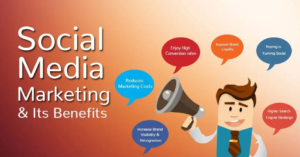
Social Media Marketing offers businesses powerful opportunities to grow their brand, connect with customers, and achieve measurable results in the digital space. By using social platforms strategically, businesses can improve visibility, engagement, and overall marketing performance.
1. Increased Brand Awareness
Social media helps businesses reach a large audience and showcase their products or services consistently. Regular posting and engaging content make brands more recognizable and memorable.
2. Better Customer Engagement
Businesses can interact directly with customers through comments, messages, and posts. This real-time communication builds trust, strengthens relationships, and improves customer satisfaction.
3. Targeted Advertising
Social media platforms allow precise audience targeting based on demographics, interests, behaviors, and location. This ensures marketing efforts reach the right people, improving campaign effectiveness.
4. Cost-Effective Marketing
Compared to traditional advertising, social media marketing is affordable and delivers high returns. Even small businesses can promote their services with flexible budgets.
5. Increased Website Traffic
Sharing valuable content and promotional campaigns drives users to visit websites, landing pages, or online stores, helping businesses generate more leads and conversions.
6. Lead Generation and Sales Growth
Strategic campaigns, call-to-action posts, and paid ads help convert followers into potential customers and increase overall sales opportunities.
7. Improved Brand Loyalty
Consistent interaction and valuable content help businesses build long-term relationships with customers, encouraging repeat engagement and loyalty.
8. Performance Tracking and Insights
Social media analytics provide detailed data on reach, engagement, and conversions, allowing businesses to optimize strategies and improve results continuously.
9. Competitive Advantage
Active social media presence helps businesses stay ahead of competitors by maintaining visibility and adapting quickly to market trends.
Popular Social Media Platforms for Marketing
Social media marketing becomes effective when businesses choose the right platforms based on their target audience, industry, and marketing goals. Each platform offers unique features that help brands connect with customers in different ways.
1. Facebook
Facebook is one of the largest social media platforms, making it ideal for building brand awareness and reaching diverse audiences. Businesses can use pages, groups, and targeted advertising to promote products, share updates, and engage with customers.
2. Instagram
Instagram is a visual-first platform where brands attract audiences using photos, reels, and story-based content. It is highly effective for lifestyle, fashion, real estate, food, and personal brands. Businesses can showcase products creatively and connect with audiences through engaging visuals and short-form videos.
3. LinkedIn
LinkedIn is a professional networking platform best suited for B2B marketing, corporate branding, and lead generation. Companies use LinkedIn to share industry insights, build professional credibility, and connect with decision-makers.
4. YouTube
YouTube is a powerful platform for video marketing. Businesses can create tutorials, product demonstrations, educational content, and promotional videos to attract audiences and improve brand authority.
5. X (Twitter)
X is ideal for real-time updates, news sharing, and customer interaction. Brands use it to join conversations, share announcements, and provide quick customer support.
6. TikTok
TikTok has quickly become a leading platform for short-form video content, allowing brands to reach audiences through creative, engaging, and trend-driven videos. Creative and entertaining videos help businesses reach younger audiences and increase brand visibility through viral trends.
7. Pinterest
Pinterest works well for businesses in fashion, home décor, beauty, food, and DIY industries. It drives strong website traffic by allowing users to discover ideas and save inspirational content.
Key Components of an Effective Social Media Marketing Strategy
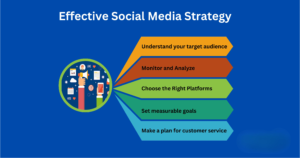
A successful social media marketing strategy requires more than just regular posting. It involves careful planning, creativity, audience understanding, and continuous optimization to achieve measurable business results.
Define Business Goals
Set measurable objectives like increasing followers, generating leads, or improving engagement.
Identify Target Audience
Understand demographics, interests, and customer pain points.
Content Planning
Create a monthly content calendar including educational and promotional posts.
Brand Consistency
Maintain consistent colors, fonts, and messaging tone.
Analytics Monitoring
Track performance metrics regularly and adjust strategies.
Social Media Content Strategy That Works
Educational Content
Build authority by solving audience problems.
Short-Form Video Content
Reels and Shorts receive maximum algorithm reach.
Storytelling Content
Human stories increase emotional engagement.
User-Generated Content
Customer experiences improve authenticity.
Interactive Content
Polls and Q&A sessions boost engagement.
Social Media Marketing Funnel
Awareness Stage
Reach new audiences with engaging content.
Consideration Stage
Build trust using testimonials and case studies.
Conversion Stage
Encourage purchases using offers and ads.
Retention Stage
Maintain loyalty through community interaction.
Social Media Advertising Strategy
Paid advertising accelerates business growth.
Types of campaigns:
- Brand awareness ads
- Website traffic ads
- Lead generation ads
- Conversion campaigns
- Retargeting ads
Advanced targeting ensures higher ROI.
Best Tools for Social Media Marketing
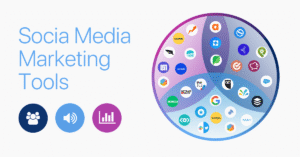
Content Creation
- Canva
- Adobe Express
Scheduling Tools
- Buffer
- Hootsuite
- Later
Analytics Tools
- Google Analytics
- Meta Business Suite
Social Listening
- Sprout Social
Common Social Media Marketing Mistakes

While social media marketing offers powerful growth opportunities, many businesses fail to achieve results due to common strategic mistakes. Avoiding these errors can significantly improve engagement, brand reputation, and campaign performance.
- Posting without strategy
- Ignoring analytics
- Over-promoting products
- Inconsistent branding
- Not engaging with followers
Avoiding these mistakes improves long-term results.
Latest Social Media Marketing Trends in 2026
- AI-generated content assistance
- Short video dominance
- Social commerce growth
- Authentic storytelling
- Community-focused branding
Advanced Social Media Marketing Techniques

Personal Branding Integration
People connect more with humans than logos.
Retargeting Campaigns
Reconnect with users who previously interacted with your brand.
Content Repurposing
Turn one blog into reels, carousels, and videos.
Data-Driven Optimization
Use analytics to refine posting time and content type.
Measuring Social Media Marketing Success
Track these KPIs:
- Engagement rate
- Reach & impressions
- Click-through rate
- Conversion rate
- Follower growth
- ROI
Monthly analysis helps continuous improvement.
Ready to Grow Your Business with Social Media Marketing?
If you want to increase brand visibility, generate qualified leads, and build a powerful online presence, professional social media marketing can transform your business results.
Start building your digital success today with a strategic social media plan.
Frequently Asked Questions
What is Social Media Marketing?
Social Media Marketing is the use of social platforms to promote businesses and engage audiences through content and advertising.
Which platform is best for beginners?
Instagram and Facebook are ideal starting platforms for most businesses.
How long does social media marketing take to show results?
Organic growth typically takes 3–6 months with consistent effort.
Is paid advertising necessary?
Organic marketing builds trust, but paid ads accelerate growth significantly.
Conclusion
Social Media Marketing has evolved into a core pillar of modern business strategy, transforming how brands communicate, market, and build relationships with their audiences. In today’s highly connected digital environment, businesses are no longer limited to traditional advertising methods; instead, they can engage directly with customers, understand their needs, and create personalized experiences that drive meaningful connections.
Brands that focus on authentic communication, consistent content creation, and data-driven decision-making are better positioned to achieve sustainable growth. Social media platforms provide valuable insights into customer behavior, allowing businesses to refine their strategies, improve engagement, and deliver content that truly resonates with their audience.
As competition continues to increase in the digital space, adaptability has become a key success factor. Businesses that stay updated with trends, embrace innovation, and prioritize value-driven content are more likely to stand out in crowded markets. Strong social media presence not only enhances brand visibility but also builds credibility, trust, and long-term customer loyalty.
Furthermore, social media marketing supports overall business objectives by driving website traffic, generating qualified leads, improving customer service, and increasing conversion opportunities. When combined with a well-planned digital marketing strategy, it becomes a powerful tool for long-term brand development and market expansion.
Social Media Marketing is no longer optional — it is an essential investment for businesses aiming to remain competitive, relevant, and successful in the digital age. Companies that leverage its full potential today will be the ones leading tomorrow’s marketplace.
Author : Shilpa VK
Learner of Digiskillzz, Digital Marketing Institute in Kochi.


Leave A Comment