

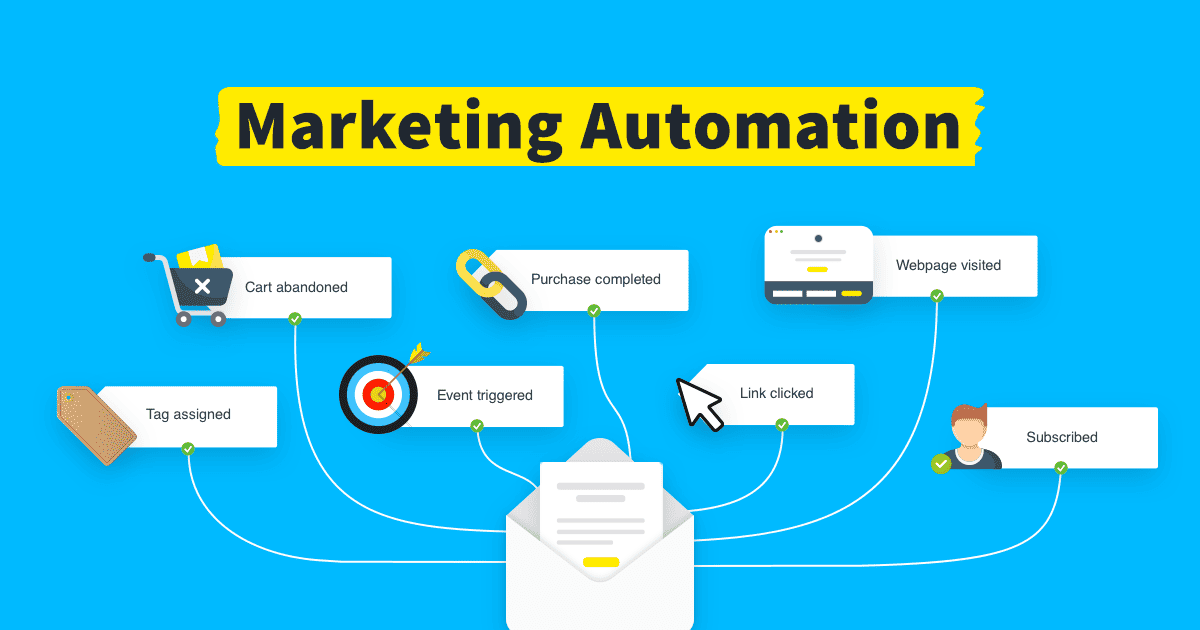
In today’s fast-moving digital world, businesses need to connect with customers in a smarter and more efficient way. This is where marketing automation comes in. If you’re a business owner, digital marketer, or someone curious about how modern marketing works, this guide will help you understand what marketing automation is, how it works, and why it’s important.
We’ll explain everything in simple English, so even if you’re a beginner, you’ll get a clear picture.
Table of Contents
1. What is Marketing Automation?
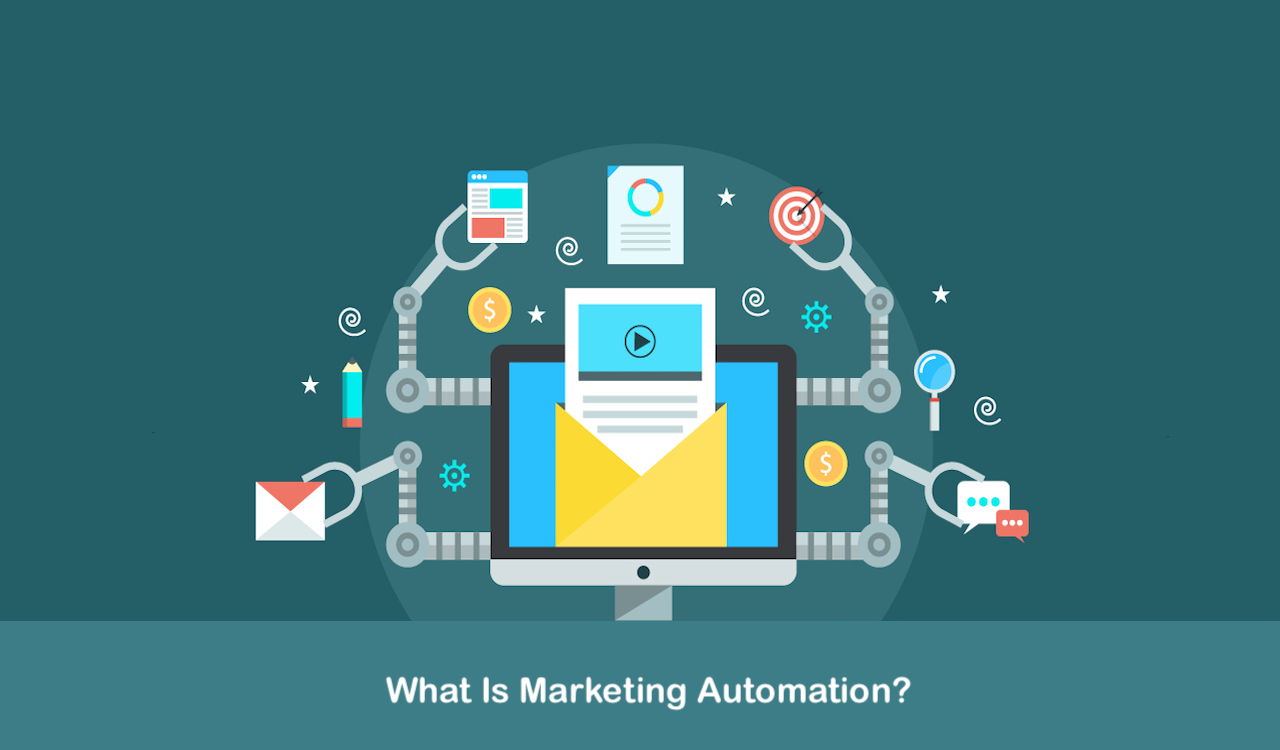 Marketing automation is the use of software tools to automate repetitive marketing tasks. These tasks can include sending emails, posting on social media, managing ad campaigns, segmenting your audience, and tracking user behavior on your website.
Instead of doing everything manually, marketing automation tools allow you to set up workflows that do the work for you. This helps you save time, reduce errors, and reach your audience more effectively.
Example: Imagine someone signs up on your website. Best automation tool can automatically send a welcome email, add the user to your newsletter list, and suggest products or content based on their interests. All this happens without you lifting a finger.
2. Why is Marketing Automation Important?
Marketing based Automation is important because it makes your marketing smarter, faster, and more effective. Here are some key reasons why businesses use :
- Saves time: You don’t need to send each email or post manually.
- Improves accuracy: Reduces human errors in campaigns.
- Personalizes customer experience: Send targeted content based on what customers like.
- Improves follow-up: Automatically sends reminders or follow-ups to leads.
- Increases ROI: Better targeting means better results from your campaigns.
Whether you run a small business or manage a large marketing team, Automation helps you focus on strategy instead of repetitive work.
3. Key Features of Marketing Automation Tools
Marketing automation platforms come with many helpful features. Here are some of the most common ones:
a. Email Automation
Create email campaigns that send automatically when a user takes a specific action (like signing up or making a purchase).
b. Lead Management
Track, score, and segment your leads based on their behavior, making it easier to send the right message to the right person.
c. Social Media Scheduling
Plan and schedule your social media posts across multiple platforms in advance.
d. CRM Integration
Connect your Customer Relationship Management (CRM) software to manage contact details and personalize communications.
e. Landing Page Creation
Design landing pages that collect leads and guide visitors toward taking action.
f. Analytics and Reporting
See how well your marketing campaigns are performing in real-time.
4. How Does Marketing Automation Work?
Marketing automation works by using predefined rules and triggers to carry out actions. Let’s break it down step by step:
Step 1: Set a Goal
Decide what you want to achieve. For example, increase sign-ups or sell more products.
Step 2: Create a Workflow
A workflow is a series of actions. For example, when someone signs up:
- Send a welcome email
- Wait 2 days
- Send a product recommendation
- If they click, add them to a “hot leads” list
Step 3: Define Triggers
A trigger is what starts the workflow. It can be:
- A user signs up
- A user clicks on a link
- A user visits a certain page
Step 4: Track and Improve
Watch how people are interacting with your workflow. Make changes if something isn’t working well.
Marketing automation offers a wide range of benefits:
- Better Lead Nurturing: Guide leads through the buying process with useful content.
- More Sales: Convert more leads into paying customers.
- Improved Customer Retention: Keep your current customers engaged and informed.
- Detailed Insights: Understand your audience’s behavior and preferences.
- Consistency: Ensure your brand messaging stays consistent across all platforms.
- A customer visits your site and signs up for a discount.
- They receive an automatic welcome email with the discount code.
- Two days later, they get an email with top-selling products.
- If they make a purchase, they get a thank-you email.
- A week later, they receive a follow-up email asking for a review.
All of these steps happen automatically, giving your customer a smooth and personalized experience.
There are many automation tools available today. Some of the most popular include:
- HubSpot – All-in-one platform for email, CRM, social media, and more.
- Mailchimp – Great for email marketing and small businesses.
- ActiveCampaign – Known for powerful email and CRM features.
- Zoho Marketing Automation – Good for lead generation and campaign tracking.
- GetResponse – Useful for email marketing, webinars, and landing pages.
Each tool has different features and pricing, so choose one based on your business needs.
While marketing automation is powerful, it also has a few challenges:
- Learning curve: It takes time to learn how to set up workflows.
- Initial setup time: Creating campaigns and content takes effort.
- Over-automation: If not used carefully, it can feel robotic and impersonal.
- Cost: Some tools can be expensive for small businesses.
To get the most out of automation, it’s important to use it with a clear strategy and human touch.
If you’re new to marketing automation, here’s how to get started:
- Start Small: Begin with email automation or social media scheduling.
- Know Your Audience: Understand what your customers want.
- Create Quality Content: Offer valuable and engaging content.
- Test and Optimize: Monitor your results and make improvements.
- Stay Personal: Don’t lose the human touch. Add personalization.
Automation continues to grow with new trends like:
- AI and Machine Learning: Better targeting and smarter workflows.
- Chatbots: Automating conversations with website visitors.
- Omni-channel Automation: Connecting email, SMS, social media, and more.
- Predictive Analytics: Forecasting customer behavior before it happens.
As technology improves, marketing automation will become even more advanced and essential.
Types of Marketing Automation
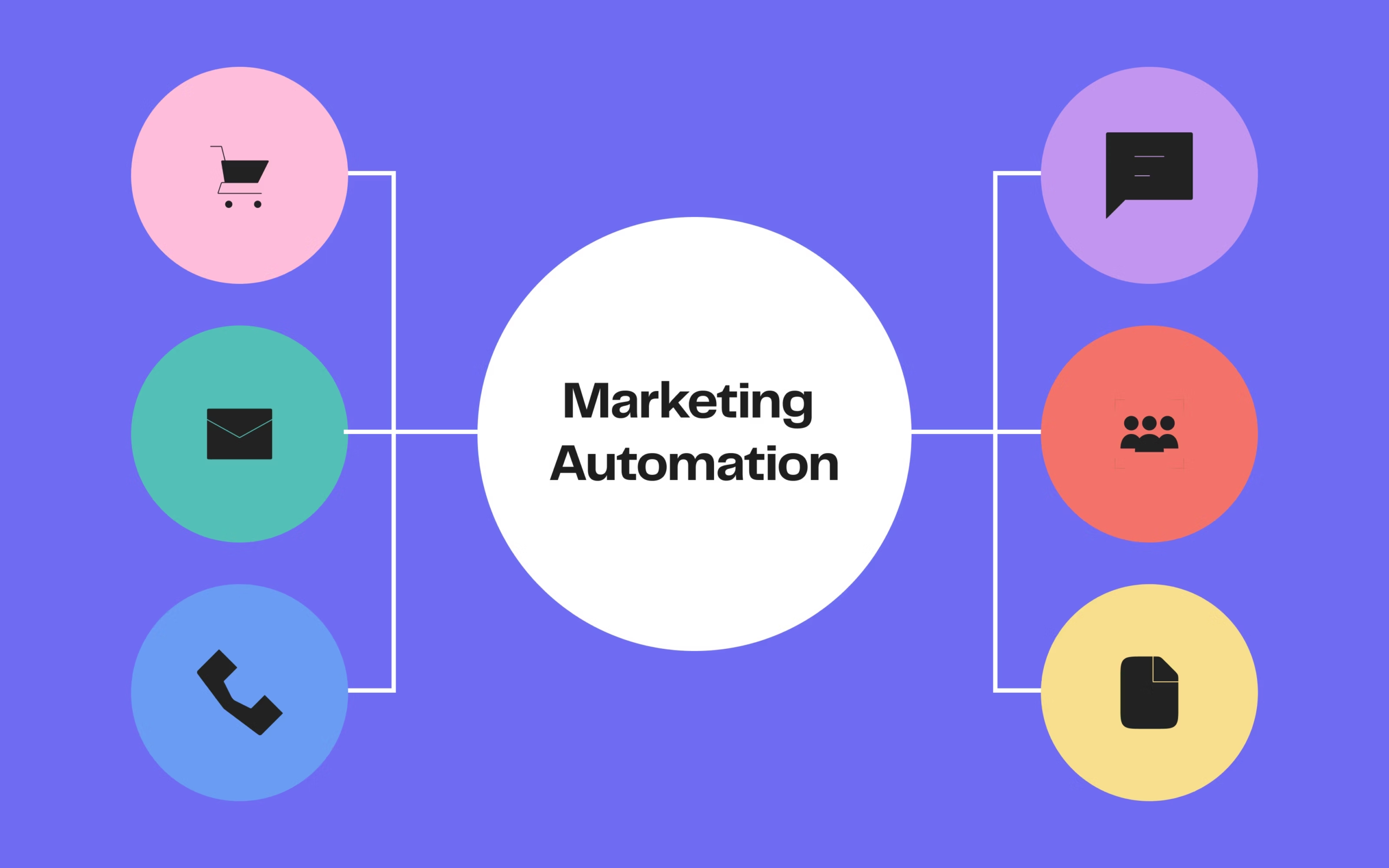 Marketing Automation is not a single process. It has different types depending on business goals.
1. Email Marketing Automation
This is the most common type. Businesses automate:
-
Welcome emails
-
Drip campaigns
-
Abandoned cart reminders
-
Promotional offers
-
Re-engagement emails
Email automation improves communication consistency and increases conversions.
2. Lead Nurturing Automation
Not every visitor buys immediately. Marketing Automation helps nurture leads through:
-
Educational emails
-
Case studies
-
Free resources
-
Webinar invitations
This builds trust and moves prospects toward purchase.
3. Sales Automation
Marketing Automation also supports sales teams by:
-
Assigning leads automatically
-
Sending follow-up reminders
-
Tracking customer interactions
-
Updating CRM records
This ensures no opportunity is missed.
4. Customer Retention Automation
Keeping existing customers is cheaper than acquiring new ones. Automation helps with:
-
Loyalty rewards
-
Feedback requests
-
Upselling campaigns
-
Subscription renewal reminders
How Marketing Automation Improves Customer Journey
Customer journey includes every interaction a person has with your brand.
Awareness Stage
Automation sends educational blog posts and social media content.
Consideration Stage
It sends comparison guides, testimonials, and case studies.
Decision Stage
It delivers discount codes, free trials, and strong call-to-action emails.
Post-Purchase Stage
Automation sends thank-you emails, product tips, and review requests.
This structured communication increases trust and loyalty.
Common Mistakes in Marketing Automation
Even though Marketing Automation is powerful, many businesses misuse it.
❌ Sending Too Many Emails
Over-communication can annoy customers.
❌ Ignoring Data
If you don’t analyze reports, you miss improvement opportunities.
❌ Poor Segmentation
Sending the same message to everyone reduces effectiveness.
❌ Not Testing Campaigns
Always test subject lines, timing, and content.
❌ Forgetting Personalization
Automation should feel human, not robotic.
Avoiding these mistakes improves performance significantly.
Marketing Automation for Small Businesses
Many small business owners think Marketing Automation is only for big companies. That’s not true.
Even small businesses can use it to:
-
Send automatic appointment reminders
-
Follow up with customers
-
Promote seasonal offers
-
Collect customer feedback
-
Send birthday discounts
Automation allows small businesses to compete with larger brands without hiring a large team.
Measuring Success in Marketing Automation
To know whether your Marketing Automation strategy is working, track these key metrics:
Open Rate
Percentage of people who open your emails.
Click-Through Rate (CTR)
Percentage of people who click your links.
Conversion Rate
How many users take the desired action.
Lead Score
Shows how interested a prospect is.
Customer Lifetime Value (CLV)
Total revenue generated from a customer.
Tracking these metrics helps you continuously improve campaigns.
Building a Strong Marketing Automation Strategy
Before starting, create a proper plan.
Step 1: Define Clear Objectives
Do you want more leads? More sales? Better engagement?
Step 2: Map Customer Journey
Understand customer behavior and decision-making stages.
Step 3: Choose the Right Tool
Select a tool that fits your budget and needs.
Step 4: Create Quality Content
Automation works only if your content is valuable.
Step 5: Monitor and Optimize
Keep improving based on data insights.
Integration with Other Marketing Channels
Marketing Automation works best when integrated with:
-
Email marketing
-
Social media marketing
-
Paid advertising
-
Content marketing
-
SMS marketing
When all channels work together, your brand communication becomes consistent and powerful.
The Role of Artificial Intelligence in Marketing Automation
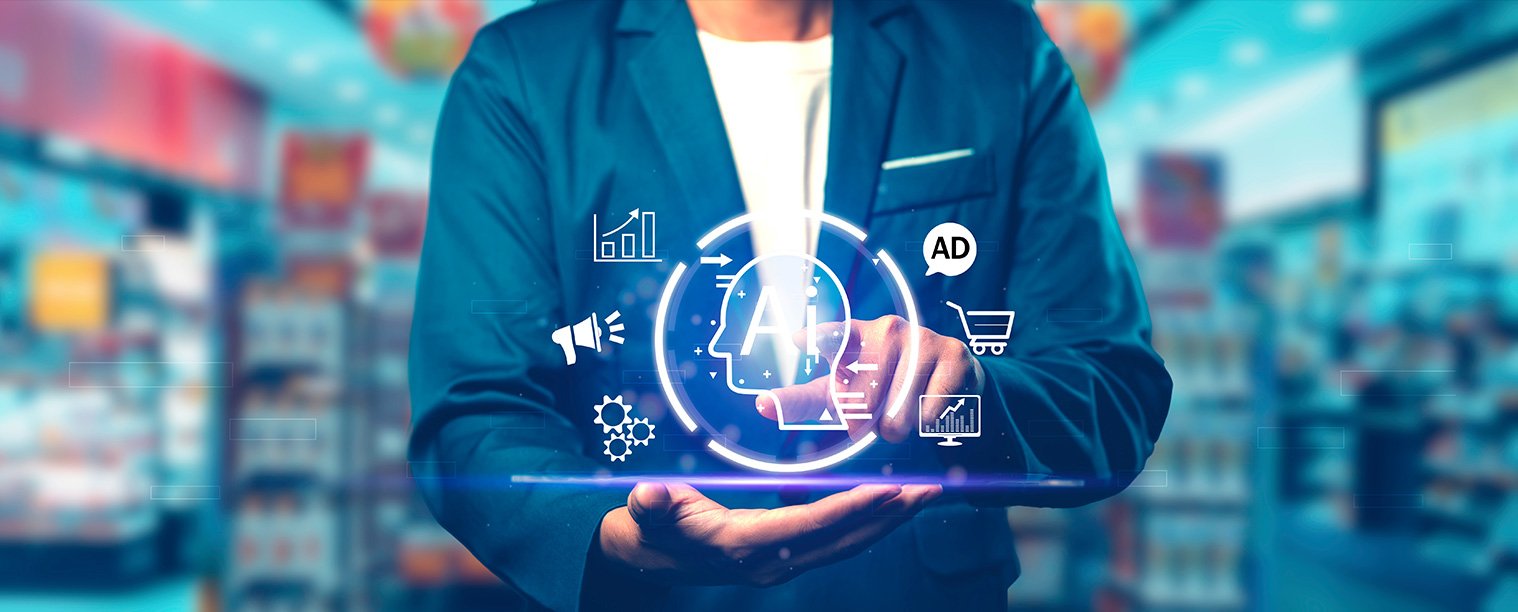 Artificial Intelligence (AI) is making Marketing Automation smarter.
AI can:
-
Predict customer behavior
-
Recommend products automatically
-
Optimize email send times
-
Improve ad targeting
-
Analyze large amounts of data quickly
This makes campaigns more accurate and personalized.
Conclusion
Marketing automation is no longer just a trend – it’s a must-have for businesses that want to grow in the digital world. By automating repetitive tasks, you save time, engage customers better, and boost your results.
Even if you’re a beginner, you can start small and grow your automation strategy over time. With the right tools and a clear plan, marketing automation can transform your business.
Are you ready to explore Automation for your brand? Start today and make your marketing smarter, faster, and more effective.
Author: Fathima Saniya
Learner of DigiSkillz, Digital Marketing institute in Manjeri

Leave A Comment