


Social media marketing has become an essential part of business growth and brand awareness in our digital-first world. With billions of users spending hours on platforms like Facebook, Instagram, TikTok, and LinkedIn every day, companies of all sizes are finding ways to reach their target audiences effectively. If you’re a beginner in the social media marketing space, this guide will walk you through essential strategies to set you up for success.
Table of Contents
Understanding Social Media Marketing
At its core, social media marketing involves using social platforms to promote your products or services, engage with your audience, and build brand awareness. However, the true power of social media marketing lies in its ability to engage directly with users and create real-time conversations. This level of engagement is crucial in today’s competitive landscape, where brands are vying for consumer attention.
Step 1: Set Clear Goals

Before creating a social media marketing strategy, it’s essential to understand what you want to achieve. Here are some common goals businesses focus on:
- Increase Brand Awareness: Spread your brand message to a wider audience and get your name noticed.
- Drive Traffic to Your Website: Use engaging content to lead your audience to your website or landing pages.
- Generate Leads and Sales: Utilize targeted campaigns to convert followers into paying customers.
- Foster Community Engagement: Interact with your audience through comments, likes, and shares to build a loyal community.
- Improve Customer Support: Use social media as a direct line for customer inquiries and feedback.
Setting specific, measurable, achievable, relevant, and time-bound (SMART) goals will provide a clear direction for your social media marketing efforts.
Step 2: Choose the Right Platforms

One of the most critical decisions you’ll make is choosing which social media platforms to focus on. Not every platform will suit your brand or goals, so understanding where your target audience spends their time is key. Here’s a breakdown of the major platforms and how they can fit into your strategy:
- Facebook: Great for reaching a broad demographic, building community groups, and running ads.
- Instagram: Perfect for brands with strong visual content. Use stories, reels, and posts to showcase your products or services.
- TikTok: If your target audience is young and you can create fun, short-form video content, TikTok is ideal.
- LinkedIn: A must for B2B companies looking to connect with professionals and industry leaders.
- Twitter (X): Use for real-time updates, news, and engaging with trending topics.
- Pinterest: Ideal for brands in fashion, home decor, or food, where visuals play a big role.
Analyze where your audience is most active and tailor your social media marketing strategy to that platform.
Step 3: Create High-Quality Content
Content is king in social media marketing. Creating engaging and relevant content increases the chances of it being shared, helping you reach a broader audience. Here are a few content suggestions to explore:
- Educational Posts: Share how-to guides, infographics, or tips related to your industry.
- User-Generated Content: Encourage your followers to create and share content featuring your products, and then repost it to build trust and community.
- Behind-the-Scenes Content: Show the human side of your brand with a glimpse into your daily operations or team.
- Stories and Reels: Use Instagram Stories or TikTok Reels to share content casually and engagingly.
- Polls and Questions: These types of posts drive interaction and give you insights into what your audience cares about.
Always ensure your content adds value and isn’t overly promotional. Remember, social media marketing is about engaging, not just selling.
Step 4: Develop a Content Calendar

Consistency is crucial in social media marketing. To ensure you post regularly without scrambling for content, create a content calendar. This will help you:
- Plan Ahead: Outline your posts for the coming weeks or months to ensure a mix of content types.
- Maintain Consistency: Post at regular intervals to keep your audience engaged.
- Schedule Posts: Use tools like Buffer, Hootsuite, or Meta Business Suite to automate posts, saving time and ensuring posts go live when your audience is most active.
Additionally, use your calendar to track content themes, key dates, and hashtags that align with your brand’s campaigns.
Step 5: Engage with Your Audience
Social media marketing is more than just broadcasting your message; it’s about starting a conversation. Here are some engagement tips:
- Reply Quickly: Make an effort to respond to questions or comments within a reasonable time.
- Acknowledge Mentions: Thank users who tag your brand or mention you in their posts.
- Use Interactive Content: Engage your audience with polls, questions, or “this or that” challenges.
- Join Relevant Conversations: Stay active on trending topics in your industry, using the right hashtags to increase your visibility.
Step 6: Analyze Your Performance

Tracking your performance is a non-negotiable part of social media marketing. Platforms like Facebook, Instagram, and Twitter offer analytics tools that can provide insights into your content’s performance. Pay attention to metrics such as:
- Engagement Rate: Measures how many people are interacting with your posts compared to your total number of followers.
- Reach and Impressions: This helps you understand how many people have seen your content and how often.
- Follower Growth: Tracks how your audience size is changing over time.
- Click-Through Rate (CTR): Measures how many users click on links in your posts.
Analyze this data to understand what’s working and where you can improve. For example, if video content consistently outperforms static images, consider creating more videos in your strategy.
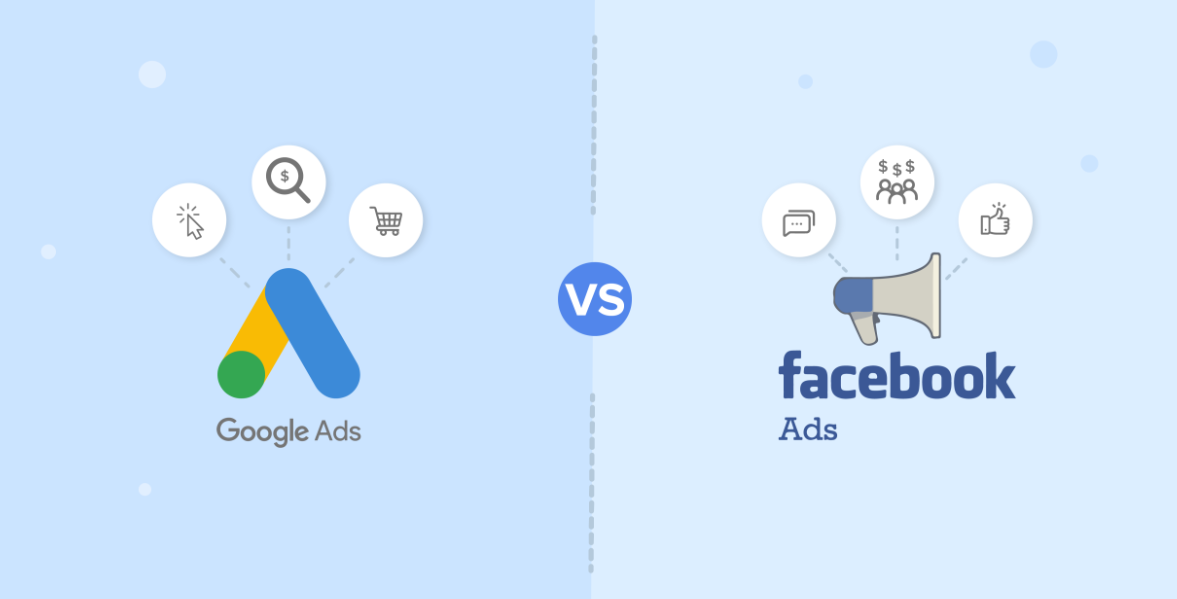
Step 7: Experiment with Paid Advertising
Organic reach is important but paid social media marketing can supercharge your efforts. Consider the following ad types:
- Boosted Posts: Increase the visibility of high-performing content.
- Sponsored Ads: Use these for promotions, sales, or lead generation campaigns.
Experiment with different ad formats and track their performance to see which yields the best results.
Step 8: Stay Updated and Adapt

Social media trends and algorithms are constantly changing. Staying current is vital for long-term success in social media marketing. Follow industry blogs, join marketing groups, and be willing to adapt your strategy. Keep experimenting with new content formats and stay creative to keep your audience engaged.
Final Thoughts
Starting with social media marketing can be daunting, but with a clear strategy and consistent efforts, it can drive incredible results. Remember that building an engaged community takes time and persistence. Focus on providing value, being authentic, and fostering genuine connections with your audience. As you grow more comfortable, you’ll be able to optimize and expand your strategy, leveraging social media to meet your broader business goals.








Leave A Comment